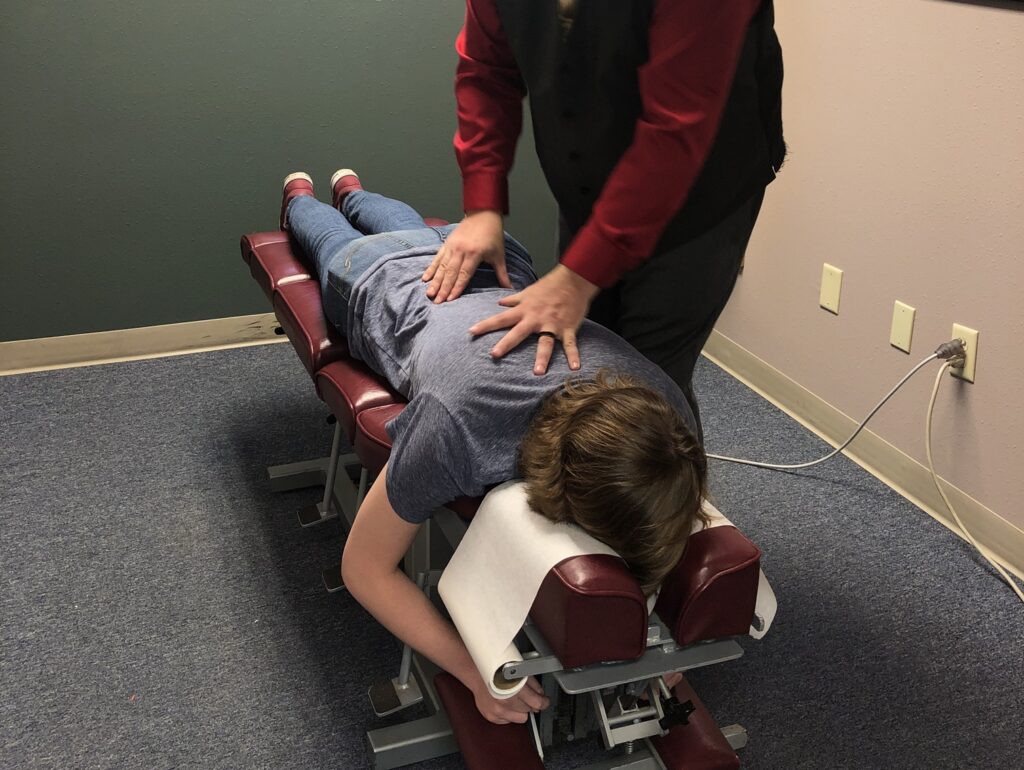

You might find that stress often creeps into your daily life, but there are effective ways to combat it through care. By incorporating mindful practices, engaging in physical activity, or even nurturing creative outlets, you can greatly improve your mental well-being. It's not just about self-care; connecting with others and cultivating gratitude plays an essential role as well. Curious about how these strategies can transform your approach to stress? Let's explore ten practical ways to integrate care into your routine, enhancing both your resilience and overall happiness.
Practice Mindful Breathing
In moments of stress, taking a few minutes to practice mindful breathing can make a world of difference. When you focus on your breath, you bring your attention away from the chaos around you and back to the present moment. This simple technique can help you regain control and calm your racing thoughts.
To start, find a quiet space where you won't be disturbed. Sit or lie down comfortably. Close your eyes if you feel comfortable doing so, and take a deep breath in through your nose, allowing your lungs to fill completely. Hold that breath for a moment. Then, exhale slowly through your mouth, letting go of any tension you may be holding onto.
As you repeat this process, focus on the rhythm of your breath. Notice how it feels as you inhale and exhale, and let your mind drift away from stressors. If your thoughts start to wander, gently guide your focus back to your breath. You can even count your breaths to help maintain your concentration—inhale for a count of four, hold for four, and exhale for six.
This method not only calms your mind but also slows your heart rate, promoting relaxation throughout your body. Practicing mindful breathing regularly will equip you with a powerful tool to navigate stressful situations.
It's a small commitment of time that yields significant benefits, making it easier for you to handle whatever life throws your way. So, whenever stress creeps in, remember to breathe.
Engage in Physical Activity
Mindful breathing helps calm your mind, but combining it with physical activity can amplify its benefits. Engaging in physical activity not only boosts your mood but also releases endorphins, those feel-good hormones that help combat stress. Whether you prefer a brisk walk, a dance class, or a high-intensity workout, moving your body gets your blood flowing and clears your mind.
Start by choosing an activity you enjoy. If running isn't your thing, try cycling or yoga. The key is to find something that excites you, so you'll stick with it. Set small goals to keep yourself motivated. This could be as simple as committing to a 20-minute walk each day. You'll likely notice how much lighter you feel both physically and mentally.
Don't forget the importance of consistency. Aim for at least 150 minutes of moderate activity each week. You can break this up into shorter sessions if that works better for your schedule. Pairing physical activity with mindful breathing techniques can help you focus and enhance your experience. For example, practice deep breathing during your workout to maintain awareness of your body's movements.
Lastly, remember to listen to your body. If you feel fatigued, it's okay to take a break or opt for a gentler activity. The goal is to relieve stress, not add to it. By integrating physical activity into your routine, you can create a powerful tool for managing stress and improving your overall well-being.
Volunteer for Others
Volunteering for others isn't just a way to give back; it can also be a powerful stress reliever.
You'll find that helping those in need boosts your mood and provides a sense of purpose.
Plus, there are plenty of opportunities nearby waiting for you to get involved.
Benefits of Volunteering
One powerful way to relieve stress is by giving your time to those in need. When you volunteer, you not only help others, but you also create a sense of purpose and fulfillment in your own life. This feeling can greatly reduce feelings of anxiety and depression, making you feel more connected to your community and less isolated.
Engaging in volunteer work allows you to meet new people, fostering new friendships and support networks. The social interaction you gain from volunteering can lift your spirits and enhance your mood, contributing to your overall well-being.
Plus, the act of helping others often puts your own challenges into perspective, reminding you of the positive aspects of life.
Additionally, volunteering can boost your self-esteem. When you see the positive impact of your efforts, you'll likely feel a sense of accomplishment that can translate into other areas of your life.
The skills you gain while volunteering can also enhance your resume, opening doors to new opportunities.
Finding Opportunities Nearby
Searching for local volunteer opportunities can be a rewarding way to connect with your community and alleviate stress. When you lend a helping hand, you not only support others but also create meaningful connections that enrich your life.
Start by exploring local nonprofits, community centers, or schools. Many organizations constantly seek volunteers for various projects, from tutoring to organizing events.
Consider your interests and skills. If you love animals, look for animal shelters that need help. If you're passionate about education, tutoring kids can be fulfilling. Websites like VolunteerMatch or local community boards can guide you to opportunities that suit you.
Don't hesitate to reach out directly to organizations. They often have volunteer coordinators who can provide information on upcoming projects and events. You might even discover ongoing programs that fit your schedule.
Once you get involved, focus on the joy of giving back. You'll likely find that helping others helps you too, reducing stress and boosting your mood.
Plus, you'll meet new people who share your passions. So, take the first step today—your community needs you, and you might just surprise yourself with how rewarding it feels.
Cultivate Gratitude Daily
Cultivating gratitude daily can greatly enhance your mental well-being and reduce stress. When you focus on the positives in your life, you shift your mindset and create a more optimistic outlook.
This simple practice can lead to profound changes in your emotional state and overall happiness.
Here are four effective ways to cultivate gratitude in your daily routine:
- Keep a Gratitude Journal: Spend a few minutes each day writing down three things you're grateful for. This can help you recognize the good in your life, no matter how small.
- Express Thanks: Don't just keep your gratitude to yourself. Make it a habit to thank people in your life, whether it's a friend, family member, or colleague. A simple "thank you" can strengthen relationships and spread positivity.
- Practice Mindfulness: Take a moment each day to pause and reflect on what you appreciate in your life. This could be during your morning coffee or an evening walk. Being present helps you notice the beauty around you.
- Share Your Gratitude: Engage in conversations with others about what you're thankful for. Sharing your thoughts not only reinforces your own gratitude but also encourages others to reflect on their own blessings.
Nurture Creative Outlets
Your creative outlets can serve as powerful tools for relieving stress and enhancing your emotional well-being. Engaging in artistic activities like painting, writing, or playing music allows you to express your feelings and thoughts in a constructive way. When you immerse yourself in a creative project, you can momentarily escape the pressures of daily life, providing you with a necessary break.
Think about what activities ignite your passion. Whether it's sketching a landscape, crafting a story, or strumming a guitar, following your creative instincts can help you channel your emotions productively. You don't have to be a professional; the key is to enjoy the process and let your imagination flow. Allow yourself to explore new techniques or styles without judgment. This freedom can be liberating and rejuvenating.
Incorporating creativity into your routine doesn't need to be time-consuming. Set aside a few minutes each day to engage in your chosen outlet. You might find that even brief moments of creativity can lift your spirits and reduce feelings of anxiety.
Surrounding yourself with inspiring materials or ideas can also enhance your creativity. Visit galleries, read poetry, or listen to diverse music genres to spark new ideas.
Establish Healthy Boundaries
Establishing healthy boundaries is essential for your well-being.
By defining personal limits, you protect your time and energy, preventing burnout.
It's also important to communicate clearly and effectively, ensuring others understand your needs and respect your space.
Define Personal Limits
Maneuvering your personal limits is essential for maintaining mental well-being and reducing stress. By defining what you can and can't tolerate, you create a safe space for yourself.
Here are some practical steps to help you establish those boundaries:
- Identify Your Triggers: Understand what situations or people cause you stress. Recognizing these triggers is the first step in setting boundaries.
- Assess Your Capacity: Be honest with yourself about what you can handle. Knowing your limits helps prevent overcommitting and feeling overwhelmed.
- Prioritize Self-Care: Make time for activities that recharge you. Whether it's reading, exercise, or spending time with loved ones, prioritize what makes you feel good.
- Practice Saying No: It's okay to decline requests that don't align with your limits. Saying no can be empowering and protects your mental space.
Communicate Clearly and Effectively
Clear and effective communication is essential for establishing healthy boundaries in any relationship. When you express your needs and feelings clearly, you help others understand where you stand. This clarity not only prevents misunderstandings but also fosters mutual respect.
To communicate effectively, start by being honest about your limits. Use "I" statements to express how you feel without placing blame. For example, instead of saying, "You never listen to me," try, "I feel unheard when my thoughts are interrupted." This approach encourages a more constructive dialogue.
Listen actively, too. Show that you value the other person's perspective by nodding and asking clarifying questions. This not only helps you understand their viewpoint but also demonstrates that you're engaged in the conversation.
Be assertive yet respectful. Don't shy away from stating your boundaries, but do so in a way that invites collaboration rather than confrontation. For instance, say, "I need some time alone to recharge. Can we talk later?" This shows you care about your relationship while prioritizing your well-being.
Spend Time in Nature
Although life can get overwhelming, spending time in nature offers a rejuvenating escape that can considerably reduce stress.
Stepping outside and immersing yourself in the great outdoors can help you disconnect from daily pressures. Nature has a unique way of grounding you, encouraging relaxation, and boosting your mood.
Here are four simple ways to embrace nature and relieve stress:
- Take a Walk: Whether it's a hike through the woods or a stroll in the park, walking in nature allows you to breathe fresh air and clear your mind. The rhythm of your steps can be meditative.
- Practice Mindfulness: Sit quietly in a natural setting and focus on your surroundings. Listen to the wind rustling through the leaves, watch the clouds drift by, or feel the grass beneath your feet. This mindfulness practice can help center your thoughts.
- Engage in Outdoor Activities: Try gardening, biking, or birdwatching. These activities not only connect you to nature but also provide a sense of accomplishment and joy.
- Plan a Nature Retreat: If possible, spend a weekend at a cabin or campsite. Disconnect from technology, enjoy the scenery, and allow yourself time to recharge away from daily distractions.
Connect With Loved Ones
Spending time in nature can recharge your spirit, but connecting with loved ones adds another layer of support and joy in your life. When you reach out to family and friends, you create a network of emotional support that can help you navigate stress. Sharing your thoughts and feelings with someone who cares not only lightens your emotional load but also strengthens your relationships.
Consider planning regular catch-ups, whether in person, over the phone, or via video calls. These interactions can be a great source of comfort. Engage in activities you both enjoy, like cooking together, playing games, or simply chatting over coffee. Being present with your loved ones allows you to experience laughter, empathy, and understanding, which are crucial for your well-being.
Don't underestimate the power of small gestures, either. A quick text to check in or a handwritten note can remind someone you care and encourage them to reach out to you. These acts of connection can foster a sense of belonging that alleviates stress.
If you're feeling overwhelmed, don't hesitate to ask for support. Your loved ones may not realize you're struggling unless you open up. Be honest about what you're experiencing; vulnerability can often deepen connections.
Prioritize Self-Care Rituals
Your self-care rituals play an essential role in managing stress and maintaining overall well-being.
It's vital to carve out time for yourself and engage in activities that rejuvenate your mind and body. Here are four self-care rituals you can prioritize to help alleviate stress:
1. Mindful Meditation: Spend a few minutes each day in meditation.
Focus on your breath, clear your mind, and let go of tension. This practice helps you stay grounded and reduces anxiety.
2. Physical Activity: Incorporate movement into your daily routine.
Whether it's a brisk walk, yoga session, or a dance workout, physical activity releases endorphins and boosts your mood.
3. Journaling: Take time to write down your thoughts and feelings.
Journaling not only provides an outlet for emotional release but also helps you process your experiences and gain perspective.
4. Nature Breaks: Spend time outdoors when possible.
Connecting with nature, even for a short walk in the park, can refresh your mind and improve your overall sense of well-being.
Foster Positive Affirmations
Positive affirmations can serve as powerful tools for reshaping your mindset and reducing stress. By regularly repeating positive statements about yourself, you can challenge negative thoughts and rewire your brain to focus on your strengths. It's like giving yourself a pep talk every day, reminding you of your worth and capabilities.
Start by identifying the negative beliefs that weigh you down. Maybe you think, "I'm not good enough" or "I'll never finish this project." Once you recognize these thoughts, counter them with affirmations that reflect the truth. For instance, replace "I'm not good enough" with "I am capable and worthy of success."
Say these affirmations out loud or write them down in a journal. Consistency is key, so try to incorporate them into your daily routine. Morning is a great time to set a positive tone for the day. Stand in front of a mirror, look yourself in the eyes, and repeat your affirmations.
You'll be surprised how this simple practice can shift your mindset. It's important to believe in the words you're saying, so take your time to internalize them. Whenever stress creeps in, revisit your affirmations. They can act as a grounding force, helping you regain focus.
Conclusion
By incorporating these ten strategies into your daily routine, you can effectively relieve stress and enhance your overall well-being. Mindful breathing, physical activity, and nurturing connections with loved ones are just a few ways to care for yourself. Embrace creativity, spend time in nature, and cultivate gratitude to foster a positive mindset. Remember, prioritizing self-care isn't just a luxury; it's essential for maintaining balance in your life. Start today, and watch your stress levels decrease.