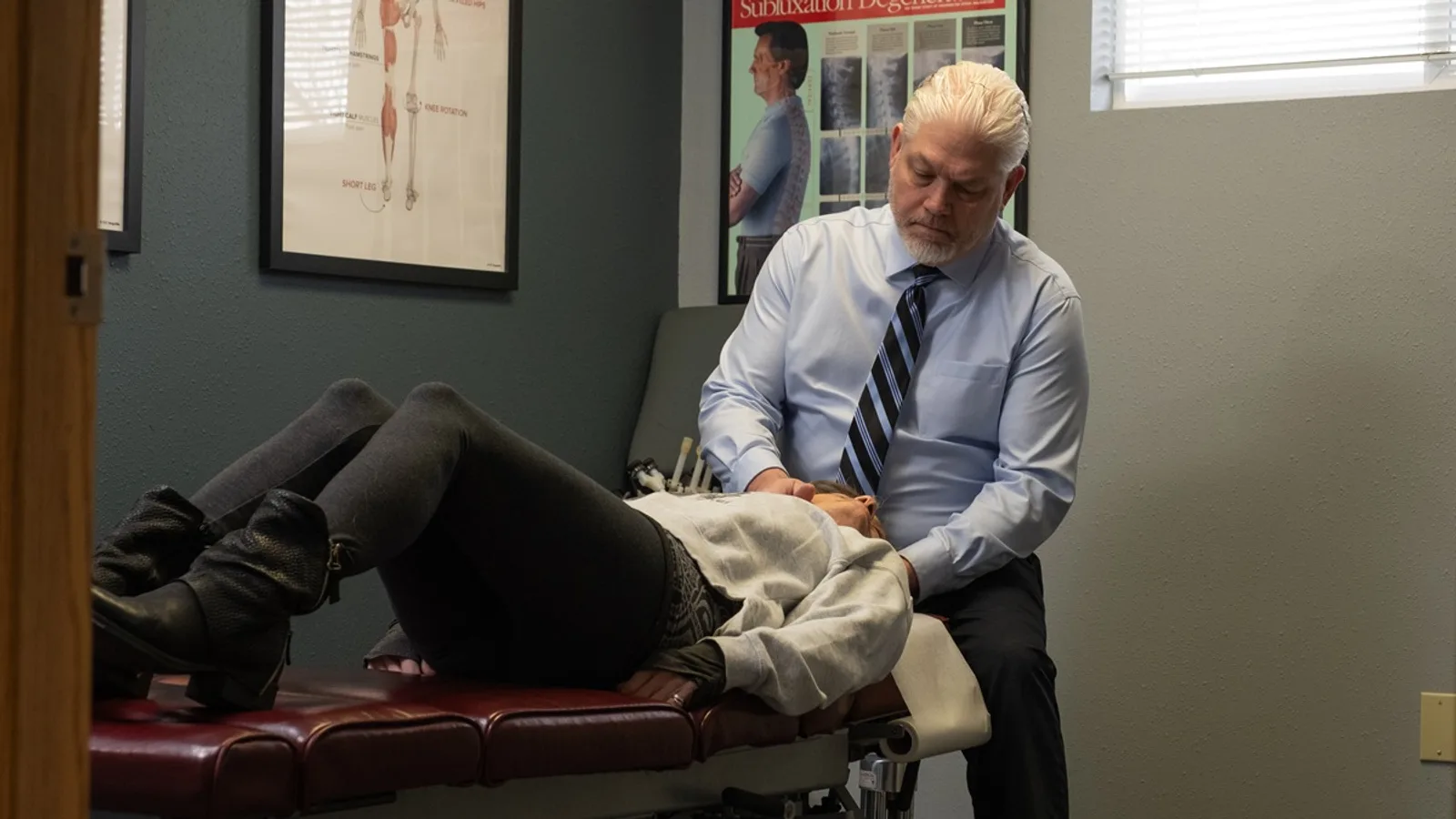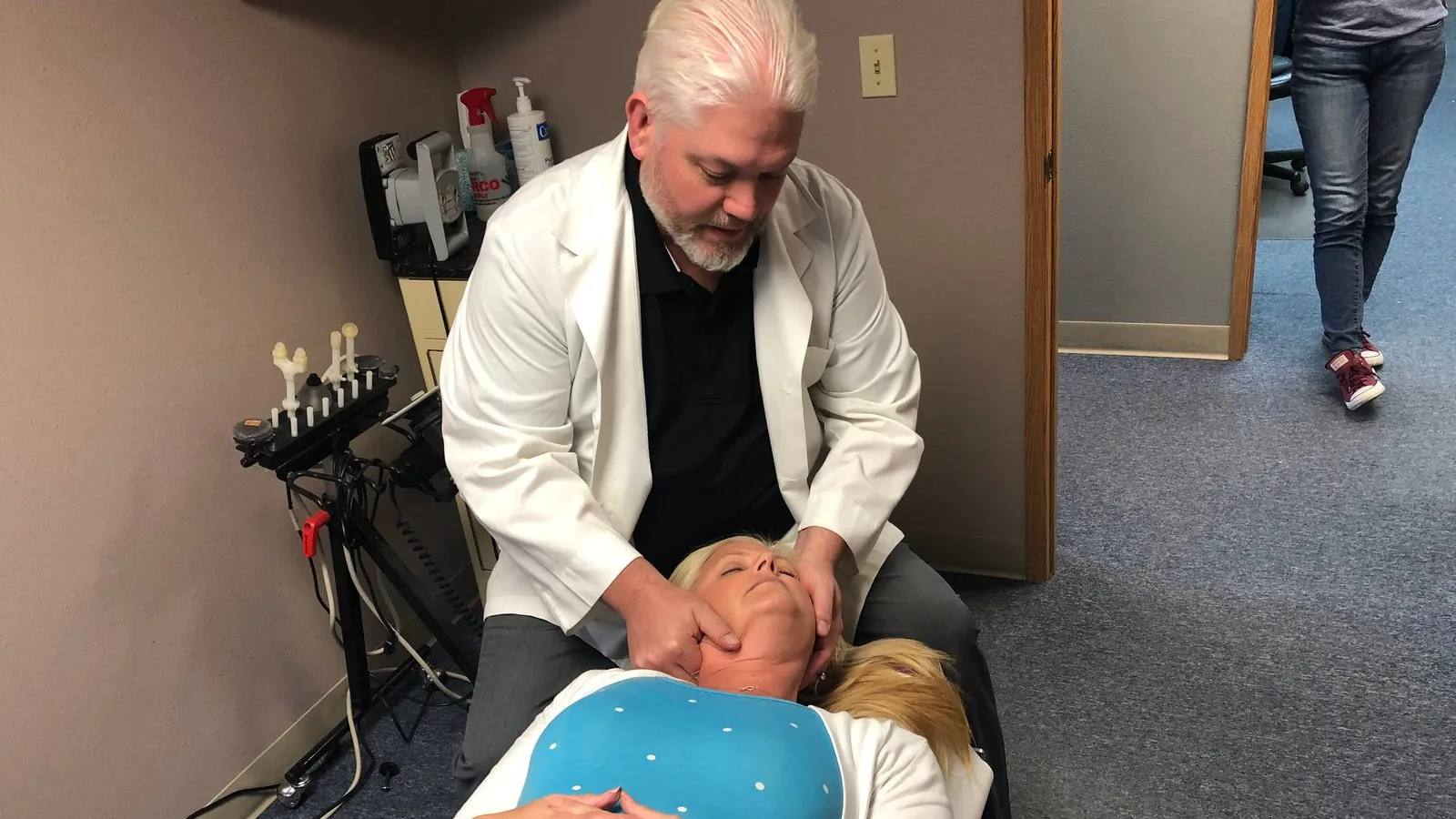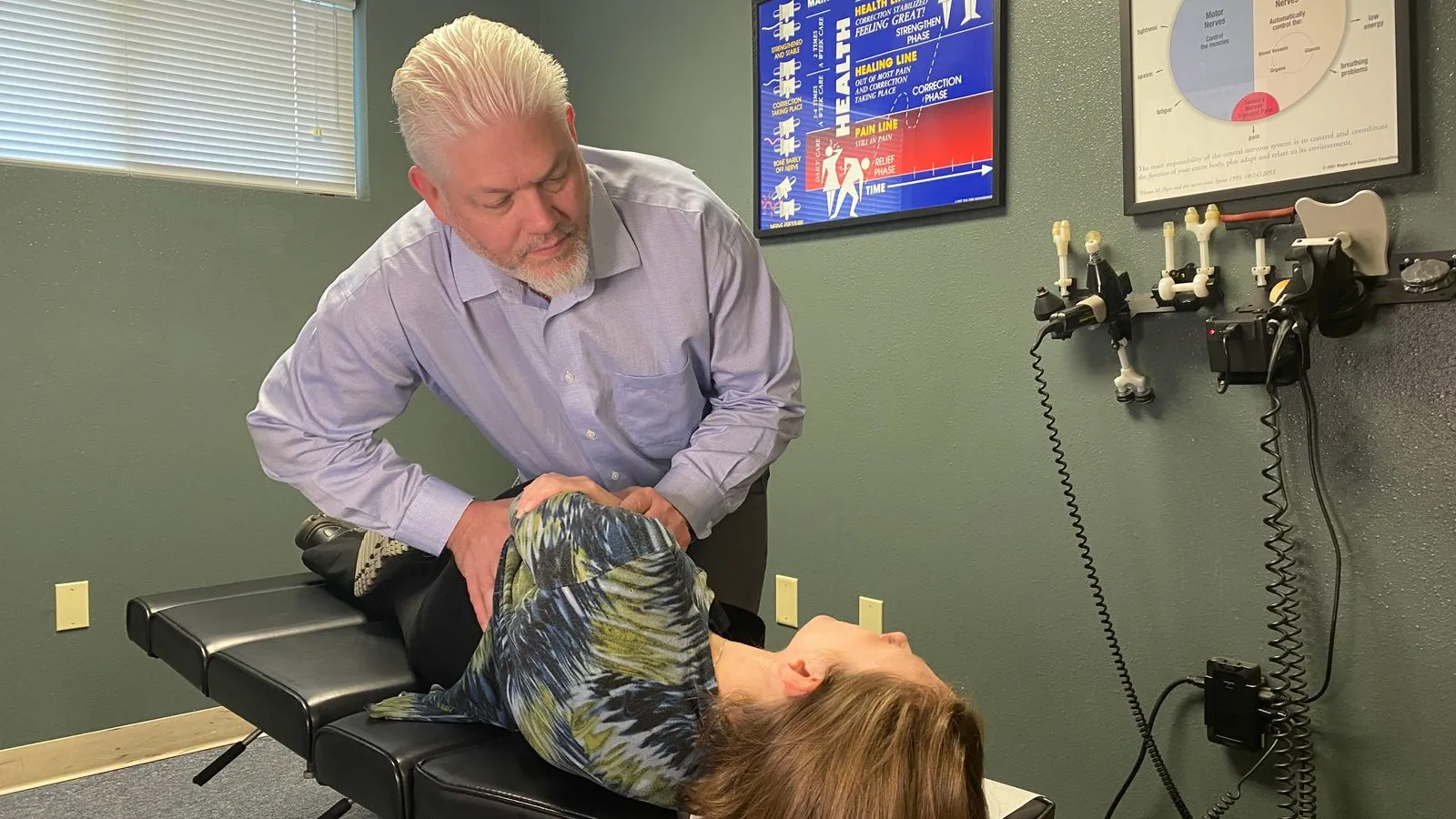
 Westley Kuns
If you've ever noticed a tingling, numbness, or aching pain in your hand or wrist that just won't quit, you're not alone. Carpal tunnel syndrome is one of the most common nerve-related conditions affecting people of all ages and lifestyles. Here in Gresham, OR, many patients visit Kuns Chiropractic Clinic frustrated by persistent wrist discomfort that's interfering with everyday tasks — whether that's typing, cooking, gardening, or simply trying to get a good night's sleep. The good news is that understanding what's causing your symptoms is the first step toward real, lasting relief.
What Is Carpal Tunnel Syndrome?
Carpal tunnel syndrome (CTS) is a condition that occurs when the median nerve — which runs from your forearm through a narrow passageway in your wrist called the carpal tunnel — becomes compressed or irritated. This compression leads to symptoms like numbness, tingling, weakness, and pain in the hand, wrist, and sometimes the forearm. It's not just a nuisance; left unaddressed, it can progressively affect your grip strength and quality of life.
- What Causes Carpal Tunnel Syndrome?
- Signs & Symptoms to Watch For
- Who Is Most at Risk?
- How Chiropractic Care Can Help
- Practical Tips for Everyday Relief
- When to See a Chiropractor
- Myths vs. Facts About Carpal Tunnel Syndrome
- Final Thoughts from Kuns Chiropractic Clinic
What Causes Carpal Tunnel Syndrome?
The carpal tunnel itself is a tight, rigid channel made up of bones and ligaments on the bottom of your wrist. Any factor that reduces the space inside this tunnel — or increases pressure on the median nerve — can trigger carpal tunnel syndrome. The causes are often multi-layered, which is why a thorough evaluation is so important before beginning any kind of care.
Repetitive Hand and Wrist Motions
One of the most well-recognized causes of carpal tunnel syndrome is repetitive use of the hands and wrists over time. Prolonged typing, assembly line work, using vibrating tools, or even repetitive motions like knitting can gradually increase pressure within the carpal tunnel. It's not necessarily any single motion that causes the problem — it's the cumulative effect of doing the same thing day after day without adequate rest or recovery.
Prolonged Awkward Wrist Positions
Holding your wrist in a bent or flexed position for extended periods puts extra strain on the median nerve. This is especially common in jobs or hobbies that require sustained gripping or awkward postures. Sleeping with your wrists curled under your pillow is a surprisingly common culprit that many patients in Gresham mention when they first come in with nighttime hand symptoms.
Underlying Health Conditions
Several systemic health conditions are known to increase the risk of developing carpal tunnel syndrome. These include hypothyroidism, rheumatoid arthritis, diabetes, and fluid retention associated with pregnancy. These conditions can cause inflammation or swelling that reduces available space within the carpal tunnel, compressing the median nerve even without repetitive strain. If you have one of these conditions, it's worth discussing your wrist health with a qualified provider.
Wrist Injuries and Structural Factors
Prior wrist fractures, sprains, or dislocations can alter the anatomy of the carpal tunnel — narrowing the space or causing scar tissue formation that presses on the nerve. Some individuals also have a naturally smaller carpal tunnel, making them more susceptible to nerve compression even with relatively mild activity. This structural component is one reason why carpal tunnel syndrome tends to run in families.
Poor Ergonomics and Workstation Setup
How you sit, where your keyboard sits, and how your wrists are positioned throughout the workday matters enormously. Workstations that force the wrists into extension or require reaching upward or outward repeatedly create chronic low-level stress on the median nerve. This is a correctable cause — something Dr. Westley Kuns at Kuns Chiropractic Clinic frequently addresses with patients through ergonomic guidance.
Signs & Symptoms to Watch For
Carpal tunnel syndrome doesn't always announce itself with dramatic pain. In fact, many people experience subtle symptoms for months before they connect them to the carpal tunnel. Knowing the warning signs can help you act sooner rather than later.
The most classic symptoms include numbness and tingling in the thumb, index finger, middle finger, and the thumb-side of the ring finger — these are the fingers supplied by the median nerve. Many people also describe a burning sensation, weakness in the hand, or the feeling that their fingers are swollen even when they're not. Symptoms often worsen at night, during activities that flex the wrist, or after long periods of repetitive hand use.
As the condition progresses, you may notice grip weakness — difficulty holding a coffee cup, dropping objects unexpectedly, or struggling with fine motor tasks. If you're experiencing these symptoms regularly in Gresham or the surrounding area, it's worth seeking a professional evaluation sooner rather than later.
Who Is Most at Risk?
While carpal tunnel syndrome can affect almost anyone, certain groups are more vulnerable. Office workers and people whose jobs involve extensive keyboard use are frequently affected. So are tradespeople — carpenters, mechanics, and construction workers who rely on hand tools daily. Manufacturing and assembly workers who perform the same gripping or pinching motions repeatedly are also at elevated risk.
Women are statistically more likely to develop carpal tunnel syndrome than men, partly because women tend to have smaller carpal tunnels anatomically. Pregnant women in particular may experience symptoms due to fluid retention, though these often resolve after delivery. Middle-aged and older adults see higher rates of CTS as well, since connective tissues naturally change with age.
At Kuns Chiropractic Clinic, Dr. Westley Kuns sees patients from a wide range of backgrounds with this condition — from desk workers and healthcare professionals to hobbyists and retirees. Carpal tunnel syndrome truly does not discriminate.
How Chiropractic Care Can Help
When most people think of chiropractic care, they picture back and neck adjustments. What many don't realize is that chiropractic care also addresses the extremities — including the wrists, elbows, and even the cervical spine, all of which can play a role in carpal tunnel syndrome symptoms.
The median nerve originates from nerve roots in the neck (the cervical spine), travels down through the shoulder and arm, and finally passes through the carpal tunnel in the wrist. If there is any compression or irritation along this pathway — not just at the wrist — it can contribute to or mimic carpal tunnel symptoms. This is sometimes called a "double crush" phenomenon, where nerve tension occurs at more than one point. Chiropractors are trained to evaluate the entire nerve pathway, not just the wrist in isolation.
Chiropractic Adjustments for the Wrist and Spine
Gentle chiropractic adjustments to the wrist, elbow, and cervical spine may help restore normal joint motion and reduce nerve irritation. Evidence from several conservative care guidelines, including those referenced by organizations like the American Chiropractic Association, supports manual therapy as a reasonable first-line option for carpal tunnel syndrome, particularly for mild to moderate cases.
Soft Tissue Therapy and Mobilization
Dr. Westley Kuns may incorporate soft tissue techniques — such as myofascial release or instrument-assisted soft tissue mobilization — to address tightness in the forearm muscles and surrounding connective tissue. This can help reduce the compression burden on the median nerve by releasing tension in structures that cross the wrist.
A Whole-Person Approach
Chiropractic care at Kuns Chiropractic Clinic isn't about treating just the symptom. The goal is to understand why the nerve is being compressed and address contributing factors holistically — including posture, ergonomics, lifestyle habits, and spinal health. This kind of individualized, drug-free, non-surgical approach can be especially valuable for people who want to avoid medication dependency or surgery for their carpal tunnel symptoms.
Practical Tips for Everyday Relief
While professional care is important, there are meaningful steps you can take on your own to reduce stress on the median nerve. These aren't cures, but they can make a real difference in how you feel day to day.
First, pay attention to your wrist position throughout the day. Try to keep your wrists in a neutral, relaxed position — not bent sharply up, down, or to the side — especially during repetitive tasks. If you work at a computer, make sure your keyboard is at a height where your forearms are roughly parallel to the floor and your wrists aren't bearing weight on a hard surface.
Taking short, intentional breaks every 30 to 45 minutes during repetitive hand work gives your tendons and nerves a chance to decompress. Gentle wrist circles, tendon gliding exercises, and forearm stretches can support nerve mobility when done consistently and carefully. If you're unsure which movements are appropriate for your situation, ask Dr. Westley Kuns during your next visit to Kuns Chiropractic Clinic in Gresham, OR.
Sleeping with a neutral wrist splint at night can also help, since many people unconsciously flex their wrists during sleep — a position that significantly increases pressure within the carpal tunnel. This is a simple, low-cost step that many patients find surprisingly effective.
When to See a Chiropractor
If you've had wrist tingling, numbness, or hand weakness for more than a few weeks — especially if it's affecting your work, sleep, or daily activities — it's a good idea to have it evaluated. Carpal tunnel syndrome tends to be more manageable when addressed in its earlier stages. Waiting until symptoms are severe can allow the nerve to become more significantly irritated, which may require more intensive intervention.
Chiropractic care is typically most helpful for mild to moderate carpal tunnel syndrome, particularly when conservative, non-surgical approaches are preferred. If you're experiencing rapid progression of symptoms, significant muscle wasting in the thumb area (called thenar atrophy), or complete loss of sensation, these are red flags that warrant prompt evaluation by a medical physician who may recommend nerve conduction testing or specialist referral. A good chiropractor will always refer you appropriately when your condition is beyond conservative care.
| Symptom / Factor | Potential Trigger | Chiropractic Relevance |
|---|---|---|
| Nighttime tingling in fingers | Wrist flexion during sleep, nerve compression | Wrist adjustments, splinting guidance |
| Weakness when gripping | Chronic median nerve compression | Soft tissue therapy, nerve mobilization |
| Symptoms radiating into the forearm | Double crush along nerve pathway | Cervical and elbow evaluation |
| Symptoms worse during keyboard use | Poor wrist ergonomics at workstation | Ergonomic assessment and correction |
| Sudden onset after pregnancy | Fluid retention, hormonal changes | Gentle conservative care, monitoring |
| Symptoms worsening over months | Cumulative nerve irritation | Full spine and extremity assessment |
Myths vs. Facts About Carpal Tunnel Syndrome
Myth: Carpal tunnel syndrome only affects people who type all day.
Fact: While keyboard use is a recognized risk factor, carpal tunnel syndrome affects a wide range of people — including those who perform manual labor, play musical instruments, engage in hobbies like sewing or gardening, or have underlying health conditions like hypothyroidism or diabetes. Typing is one trigger among many.
Myth: Surgery is the only effective treatment for carpal tunnel syndrome.
Fact: Surgery may be appropriate for severe or long-standing cases, but research and clinical guidelines — including those from the American College of Physicians — support conservative, non-surgical approaches as a first-line option for many patients. Manual therapy, splinting, ergonomic changes, and nerve mobilization techniques can be effective, especially in earlier stages.
Myth: If your whole hand goes numb, it must be carpal tunnel syndrome.
Fact: The median nerve only supplies specific fingers — the thumb, index finger, middle finger, and part of the ring finger. If your entire hand or other patterns of your arm go numb, the cause may be a different nerve (such as the ulnar nerve) or may originate in the cervical spine. Accurate diagnosis is essential before any treatment begins.
Myth: Carpal tunnel syndrome always requires rest and avoiding all activity.
Fact: While reducing aggravating activities is often helpful, complete rest is rarely the answer. Targeted movement, specific exercises, and ergonomic adjustments are generally more beneficial than inactivity. The goal is to load and move the nerve and surrounding tissues in a way that supports healing, not avoidance.
Myth: Chiropractic care can't help with wrist or hand problems.
Fact: Chiropractors are trained to assess and treat conditions of the extremities, including the wrist. Beyond the wrist itself, chiropractors also evaluate the cervical spine and elbow, which can contribute to median nerve symptoms. Many patients find meaningful relief from chiropractic care as part of a comprehensive, conservative treatment plan.
Final Thoughts from Kuns Chiropractic Clinic
Carpal tunnel syndrome can be frustrating, disruptive, and — if you've been dealing with it for a while — pretty discouraging. But it doesn't have to define your day. Here in Gresham, OR, the team at Kuns Chiropractic Clinic is committed to helping community members understand what's really going on with their body and explore drug-free, non-surgical options before considering more invasive interventions.
Dr. Westley Kuns approaches every patient as an individual. Rather than applying a one-size-fits-all protocol, the focus is on identifying the root contributors to your symptoms — whether that's a posture issue, spinal involvement, workplace ergonomics, or something else entirely — and building a care plan around your specific needs and goals.
If you're in the Gresham area and you've been noticing persistent hand, wrist, or forearm symptoms, don't wait for things to get worse. Reach out to Kuns Chiropractic Clinic and let's start the conversation about how conservative care might help you get back to doing what you love — without the constant distraction of pain and tingling.
Frequently Asked Questions
Can carpal tunnel syndrome go away on its own?
In mild cases — particularly those related to temporary factors like pregnancy-related fluid retention — symptoms sometimes improve without formal treatment. However, for most people, carpal tunnel syndrome tends to gradually worsen without intervention. Early evaluation and conservative care give you the best chance at recovery without surgery.
How is carpal tunnel syndrome diagnosed?
Diagnosis is typically based on a combination of your symptom history, physical examination findings, and special orthopedic tests that assess nerve function at the wrist. In some cases, a nerve conduction study (performed by a neurologist or physiatrist) is used to confirm the diagnosis or assess severity. Your chiropractor can help determine if further testing is appropriate.
Is chiropractic care safe for carpal tunnel syndrome?
For most patients with mild to moderate carpal tunnel syndrome, chiropractic care is considered a safe, non-invasive option. As with any form of care, an individualized assessment is important. Dr. Westley Kuns performs a thorough evaluation before recommending any treatment to ensure it's appropriate for your situation.
How long does it take to see improvement with conservative care?
Timelines vary depending on how long symptoms have been present, their severity, and what contributing factors are involved. Some patients notice improvement within a few weeks of consistent conservative care; others may take longer. Early intervention generally leads to better and faster outcomes.
Can wearing a wrist brace really help carpal tunnel syndrome?
Yes — particularly at night. A neutral wrist splint prevents the wrist from bending into positions that increase pressure on the median nerve during sleep, which is a time when many people's symptoms are worst. It's not a cure, but it can meaningfully reduce symptom frequency and intensity as part of a broader care plan.
Should I stop exercising if I have carpal tunnel syndrome?
Not necessarily. General exercise is beneficial for overall health and can support recovery. However, activities that aggravate your wrist symptoms — like heavy weightlifting with poor wrist position — may need to be modified temporarily. Talk to Dr. Westley Kuns about which movements are safe and which to avoid during your recovery.
TL;DR Summary
- Carpal tunnel syndrome occurs when the median nerve is compressed at the wrist, causing tingling, numbness, and hand weakness.
- Common causes include repetitive hand motions, poor ergonomics, awkward wrist positions, and underlying health conditions like diabetes or hypothyroidism.
- Symptoms typically affect the thumb, index finger, middle finger, and part of the ring finger — especially at night or during repetitive tasks.
- Chiropractic care at Kuns Chiropractic Clinic in Gresham, OR can address contributing factors along the entire nerve pathway, not just the wrist.
- Early evaluation and conservative care — including adjustments, soft tissue therapy, ergonomic changes, and wrist splinting — often leads to better outcomes without the need for surgery.