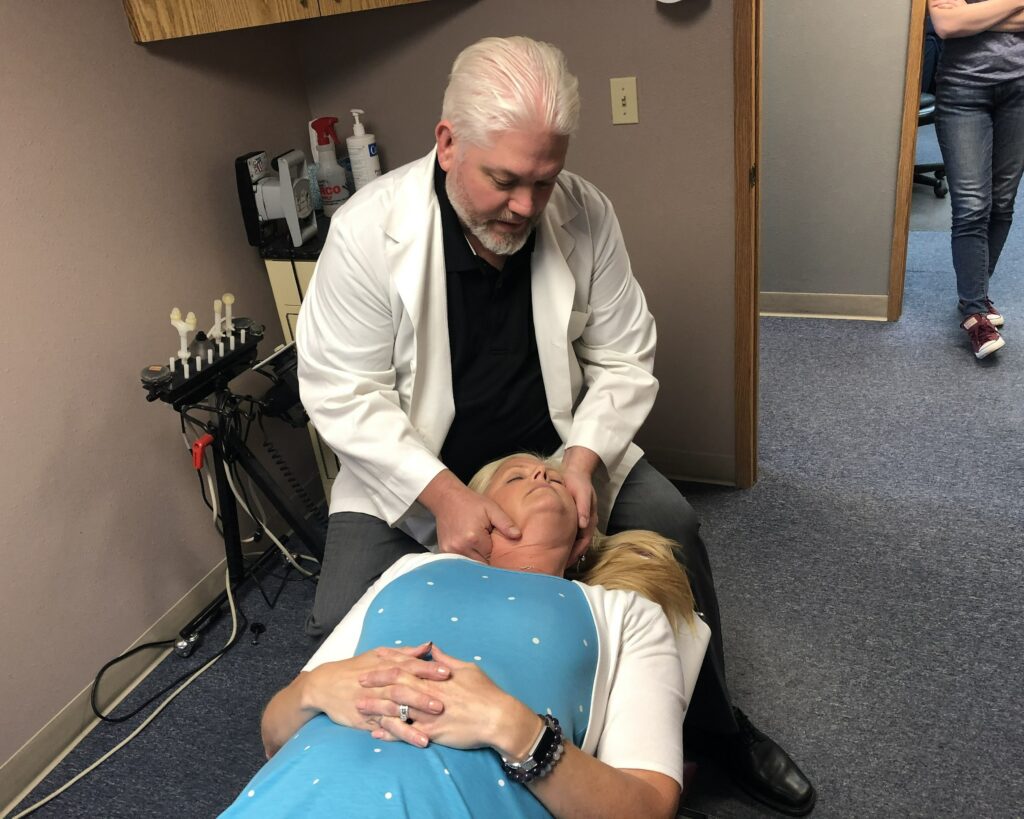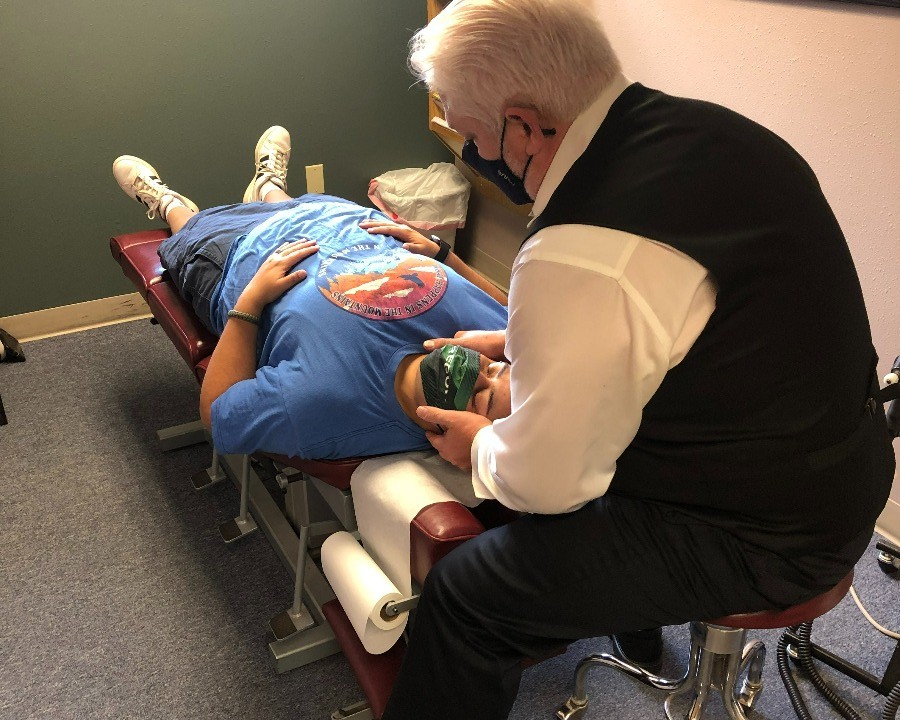

You might not realize how much stress can affect your body, particularly your spine. Chiropractic care offers a natural way to address these issues by focusing on spinal alignment and overall well-being. By understanding how stress manifests physically, you could reveal a path to greater relaxation and clarity. What if a few adjustments could make all the difference in your daily life? There are several techniques and benefits to explore, which could provide insights into managing stress more effectively.
Understanding Stress and Its Effects
Stress can creep into your life from various sources, impacting both your mental and physical well-being. You might experience stress from work deadlines, family responsibilities, or financial pressures. This constant strain can lead to a cascade of negative effects on your body and mind. Understanding stress is vital to managing it effectively.
When you encounter stress, your body enters a fight-or-flight response, releasing hormones like cortisol and adrenaline. This reaction can heighten your heart rate, increase blood pressure, and cause tension in your muscles. If you're constantly in this heightened state, you may develop chronic health problems, including anxiety, depression, headaches, and digestive issues.
You might notice that your sleep quality declines, making it harder to cope with daily challenges.
On a mental level, stress can cloud your judgment, decrease your focus, and diminish your overall productivity. You may find yourself feeling overwhelmed, irritable, or emotionally drained. Over time, these mental effects can create a vicious cycle, exacerbating your stress levels and leading to further health complications.
Recognizing the signs of stress in your life is the first step toward managing it. Think about how stress affects your daily routine and relationships. Are there specific situations that trigger your stress response?
The Role of Chiropractic Care
When you seek relief from stress, chiropractic care can play a significant role in restoring balance to both your body and mind. This holistic approach focuses on the relationship between your spine, nervous system, and overall health, helping to alleviate tension and promote relaxation.
Here's how chiropractic care can benefit you in your quest for stress relief:
- Spinal Adjustments: These adjustments help align your spine, reducing nerve interference and improving communication between your brain and body, leading to a calmer state of mind.
- Muscle Tension Relief: Chiropractic techniques can release tightness in your muscles, which often contributes to stress. Less tension in your body means you'll feel more relaxed and at ease.
- Enhanced Blood Flow: By improving spinal alignment, chiropractic care can enhance blood circulation. Better circulation means more oxygen and nutrients reach your muscles and organs, promoting overall well-being and reducing stress.
- Personalized Care Plans: A chiropractor will assess your specific needs and create a tailored treatment plan. This personalized approach guarantees you receive the most effective care for your unique situation, helping you manage stress effectively.
Incorporating chiropractic care into your routine can be a powerful tool in your stress management arsenal.
How Stress Affects the Spine
Have you ever noticed how tension from daily stressors can manifest in your body? For many, this tension often settles in the spine, leading to discomfort and misalignment. When you experience stress, your body goes into fight-or-flight mode. This response can create tightness in muscles surrounding your spine, pulling it out of its natural alignment. Over time, this misalignment can result in pain, decreased mobility, and even chronic headaches.
As stress accumulates, your posture may change without you even realizing it. You might find yourself slumping your shoulders or hunching over, which places additional strain on your spine. This poor posture not only exacerbates discomfort but can also lead to long-term spinal issues if left unaddressed. Your muscles can become fatigued from holding these tense positions, further contributing to the stress cycle.
Moreover, stress can impact your body's ability to heal. When you're stressed, your body produces cortisol, a hormone that can lead to inflammation. This inflammation can affect the spinal discs and joints, causing pain and discomfort. You might also notice that stress makes you less aware of your body, leading to a vicious cycle where tension builds unchecked.
Being aware of how stress affects your spine is the first step toward alleviating those effects. Recognizing these signs allows you to take proactive steps to relieve tension, ultimately leading to better spinal health and overall well-being.
Benefits of Chiropractic Adjustments
Chiropractic adjustments can greatly enhance your nervous system function, helping your body respond better to stress.
You'll also notice improved posture alignment, which can alleviate discomfort and promote a sense of well-being.
Additionally, these adjustments reduce muscle tension, allowing you to feel more relaxed and at ease.
Enhanced Nervous System Function
The adjustments you receive during chiropractic care can greatly enhance your nervous system function. When your spine is aligned properly, your nervous system operates more efficiently, leading to numerous benefits for your overall health and well-being.
Here's how chiropractic care can help:
- Improved Communication: Proper alignment allows signals between your brain and body to flow freely, enhancing communication and response times.
- Reduced Stress Response: By relieving tension in the spine, chiropractic adjustments can lower your body's stress responses, helping you feel more relaxed and in control.
- Enhanced Immune Function: A well-functioning nervous system supports your immune system, making it easier for your body to fight off illness and recover more quickly.
- Better Sleep Quality: With less stress and improved nervous system function, you may experience more restful sleep, which is vital for stress relief and overall health.
Incorporating regular chiropractic adjustments into your routine can lead to these significant benefits, allowing you to tackle stress and maintain a healthier lifestyle.
Improved Posture Alignment
Achieving improved posture alignment is one of the most significant benefits of chiropractic adjustments. When you regularly visit a chiropractor, they help realign your spine and other joints, which can drastically enhance your posture.
Good posture isn't just about standing tall; it affects how your body functions overall. With better alignment, you'll likely experience less strain on your muscles and ligaments, allowing you to move more freely and comfortably.
You may notice that your breathing improves as well. Proper posture opens up your lungs and helps you take deeper breaths, which can increase your oxygen intake and boost your energy levels throughout the day.
Additionally, improved posture can enhance your confidence. When you stand tall with your shoulders back, you project a more positive image to those around you.
Chiropractic adjustments can also help alleviate the discomfort caused by poor posture, such as back pain or neck strain. By addressing the root cause of these issues, you're not just masking symptoms but instead creating a foundation for long-term health.
Ultimately, investing in chiropractic care can lead to lasting improvements in your posture and overall well-being.
Reduced Muscle Tension
Reducing muscle tension is an essential benefit of chiropractic adjustments that many people experience. When you undergo these adjustments, your body responds positively, leading to a significant reduction in tension. This relief can enhance your overall well-being and help you manage stress more effectively.
Here's how chiropractic care can help reduce muscle tension:
- Improved Circulation: Adjustments promote better blood flow, allowing oxygen and nutrients to reach your muscles more efficiently.
- Release of Endorphins: Chiropractic adjustments can stimulate the release of endorphins, your body's natural painkillers, which help alleviate tension and discomfort.
- Alignment Correction: By correcting misalignments in your spine, chiropractic care alleviates pressure on muscles, resulting in a more relaxed state.
- Enhanced Mobility: Increased flexibility and range of motion from adjustments allow your muscles to move freely, reducing the likelihood of tension build-up.
Techniques Used in Chiropractic Care
In chiropractic care, various techniques can help you relieve stress and improve your overall well-being.
You'll encounter spinal manipulation techniques that realign your body, soft tissue therapy to relax tight muscles, and postural alignment strategies to enhance your posture.
Each of these methods plays an essential role in promoting a healthier, more balanced lifestyle.
Spinal Manipulation Techniques
Chiropractors employ various spinal manipulation techniques to address misalignments and relieve stress. These techniques help restore proper alignment, improve mobility, and enhance overall well-being.
Here are four common spinal manipulation methods you might encounter during your chiropractic visits:
- Diversified Technique: This is one of the most widely used techniques. It involves quick, precise thrusts to specific joints, aiming to restore normal motion and alignment.
- Gonstead Technique: Focusing on the lumbar spine, this technique uses a specific analysis of the spine to identify areas needing adjustment, often utilizing a specialized adjusting table.
- Activator Method: Utilizing a small, handheld device, this gentle technique delivers a controlled force to the spine, making it ideal for those who prefer a more subtle approach.
- Thompson Technique: This method employs a drop table to assist in spinal adjustments, allowing the chiropractor to use gravity to their advantage for effective realignment.
Soft Tissue Therapy
Soft tissue therapy encompasses a variety of techniques aimed at relieving tension and enhancing the function of muscles, tendons, and ligaments. As you explore chiropractic care, you'll find that these methods are vital for addressing stress-related discomfort. Techniques such as myofascial release, deep tissue massage, and trigger point therapy can markedly reduce muscle tightness and improve blood circulation.
When you undergo soft tissue therapy, your chiropractor will assess areas of tension and apply targeted pressure to release knots and alleviate pain. This hands-on approach not only helps in physical recovery but also promotes relaxation, which is essential for stress relief.
You might notice increased flexibility and decreased discomfort after just a few sessions. Incorporating soft tissue therapy into your chiropractic care routine can enhance the overall effectiveness of your treatment plan.
It complements spinal manipulation by ensuring that the surrounding muscles and tissues are functioning at their best. So, if you're feeling stressed or experiencing muscle tension, consider discussing soft tissue therapy with your chiropractor. It could provide you with the relief you need to feel more balanced and rejuvenated.
Postural Alignment Strategies
Achieving proper postural alignment is essential for overall well-being and stress relief. When your body's structure is aligned, it reduces tension on muscles and joints, leading to a more relaxed state.
Here are some effective postural alignment strategies you can incorporate into your daily routine:
- Mind Your Sitting Position: Keep your back straight and shoulders relaxed while sitting. Use a chair that supports your lower back.
- Stand Tall: Distribute your weight evenly on both feet. Engage your core and keep your head aligned over your spine.
- Stretch Regularly: Incorporate gentle stretching into your day to counteract the effects of prolonged sitting or standing. Focus on areas prone to tightness, like the neck and shoulders.
- Use Ergonomic Tools: Invest in ergonomic furniture and tools, such as a standing desk or supportive chair, to maintain proper alignment during work.
The Mind-Body Connection
Understanding the mind-body connection is essential for effective stress relief. When you're stressed, your body responds with physical symptoms like tension, fatigue, or headaches. Recognizing this connection helps you address the root causes of your stress rather than just the symptoms.
Your thoughts and emotions directly influence your physical state. Anxiety might lead to tight muscles, while relaxation may ease tension. By becoming aware of this interplay, you can develop strategies to manage your stress more effectively. Mindfulness practices, such as meditation or deep breathing, can help you tune into your body and identify where you're holding tension.
Chiropractic care can enhance this connection by improving your body's alignment and overall function. When your spine is aligned, your nervous system operates more efficiently, which can lead to better emotional regulation. Regular chiropractic adjustments can reduce physical discomfort and promote a sense of well-being.
Incorporating stress-relief techniques into your daily routine can further strengthen your mind-body connection. Simple practices like yoga, stretching, or even a brisk walk can help release built-up tension.
Listening to your body and understanding its signals can empower you to take proactive steps when stress arises.
Chiropractic Care for Anxiety Relief
When you're feeling anxious, chiropractic care can offer a valuable approach to alleviating those overwhelming feelings. Many people find that regular chiropractic adjustments help them manage anxiety more effectively. By focusing on spinal alignment and overall nervous system function, chiropractic care can promote relaxation and well-being.
Here are four ways chiropractic care can help you find relief from anxiety:
- Improved Nervous System Function: Chiropractic adjustments can enhance communication between your brain and body, leading to better regulation of stress hormones and a calmer mind.
- Reduced Muscle Tension: Anxiety often manifests physically as tension in your muscles. Chiropractic treatments can help release this tension, allowing your body to relax and reducing feelings of anxiety.
- Enhanced Mood: Regular chiropractic visits can lead to the release of endorphins, the body's natural feel-good hormones, which can improve your mood and help combat anxiety.
- Better Sleep: Chiropractic care can help improve your sleep quality by alleviating discomfort and tension, making it easier for you to get the restful sleep needed to manage anxiety.
Incorporating chiropractic care into your routine can be a natural and effective way to address anxiety.
Integrating Chiropractic With Other Therapies
Many people find that integrating chiropractic care with other therapies can enhance their overall well-being. By combining chiropractic adjustments with practices like massage therapy, yoga, or acupuncture, you create a holistic approach to managing stress and anxiety. Each therapy addresses different aspects of your health, leading to more extensive relief.
For instance, after a chiropractic adjustment, your spine's alignment improves, allowing for better nerve function and blood flow. Following this with a massage can further relax your muscles, releasing tension that might've built up over time. This combination can greatly lower your stress levels and improve your mood.
Similarly, incorporating yoga into your routine can complement chiropractic care. The stretches and poses in yoga enhance flexibility and strength while promoting relaxation and mindfulness. This synergy helps you become more aware of your body, making it easier to identify areas of tension or discomfort.
Acupuncture is another effective therapy to integrate with chiropractic care. By targeting specific points on your body, acupuncture can help release endorphins, your body's natural painkillers, and promote a sense of calm. This can enhance the benefits you receive from chiropractic adjustments, leading to a more profound sense of well-being.
Ultimately, by combining chiropractic care with other therapeutic practices, you can create a personalized stress relief plan that works for you. This holistic approach not only improves your physical health but also nurtures your mental and emotional well-being, helping you navigate life's challenges with greater resilience.
Tips for Managing Stress Daily
Integrating various therapies into your routine can set a solid foundation for daily stress management. By incorporating simple yet effective strategies, you can navigate life's challenges with greater ease.
Here are four practical tips to help you manage stress every day:
- Practice Mindfulness: Spend a few minutes each day focusing on your breath. Mindfulness meditation can help ground you, reduce anxiety, and improve your overall sense of well-being.
- Stay Active: Regular physical activity not only boosts your mood but also helps relieve tension. Aim for at least 30 minutes of exercise most days—whether it's walking, yoga, or dancing—find what you enjoy!
- Establish a Routine: Having a structured daily routine can provide predictability, reducing feelings of overwhelm. Set aside specific times for work, relaxation, and self-care to create a balanced lifestyle.
- Connect with Others: Building and maintaining strong relationships is essential for emotional health. Reach out to friends or family members for support, or simply spend quality time with loved ones. A good chat can work wonders for your mood.
Finding the Right Chiropractor
When you're searching for the right chiropractor, consider their credentials and qualifications first.
It's also important to look into their specialization and techniques to guarantee they align with your needs.
Don't underestimate the value of an initial consultation; it can help you gauge their approach and fit for your stress relief journey.
Credentials and Qualifications
Choosing the right chiropractor involves understanding their credentials and qualifications, as these factors can greatly impact your care.
You'll want to guarantee your chiropractor has the proper education and experience to address your stress relief needs effectively. Here are some key qualifications to look for:
- Degree: Verify they've a Doctor of Chiropractic (D.C.) degree from an accredited institution. This is essential for their foundational knowledge and skills.
- Licensure: Check that they're licensed to practice in your state. Each state requires chiropractors to pass a national board examination, ensuring they meet necessary standards.
- Experience: Look for how long they've been in practice and their experience with stress-related conditions. A chiropractor with a solid track record can provide more tailored care.
- Continuing Education: Confirm that they participate in ongoing education. This shows commitment to staying updated on the latest techniques and research in chiropractic care.
Specialization and Techniques
After verifying a chiropractor's credentials and qualifications, the next step is to evaluate their specialization and techniques. Different chiropractors focus on various areas, so it's important to find one that aligns with your specific needs, especially for stress relief. Some may specialize in sports injuries, while others focus on family care or wellness practices.
Ask about the techniques they use. Common methods include spinal manipulation, myofascial release, and adjustments tailored to individual comfort levels. You might prefer a chiropractor who offers gentle techniques, like Activator Method or Thompson Technique, if you're looking for a softer approach.
Don't hesitate to inquire about their experience with stress-related issues. A chiropractor experienced in managing stress can provide tailored care that addresses both physical and emotional aspects.
Also, consider the treatment environment. A calming atmosphere can make a significant difference in how relaxed you feel during your sessions.
Initial Consultation Importance
Scheduling an initial consultation with a chiropractor is essential in finding the right fit for your stress relief needs. During this meeting, you'll have the opportunity to discuss your specific issues, ask questions, and assess the chiropractor's approach. This step can greatly influence your overall experience and outcomes.
Here are four key aspects to reflect on during your consultation:
- Assessment of Your Condition: A good chiropractor will thoroughly evaluate your health history and current stress levels, tailoring their approach to your unique situation.
- Treatment Plan Discussion: You'll want to understand what treatments they recommend and how those align with your stress relief goals.
- Communication Style: Pay attention to how they communicate; you want someone who listens to your concerns and explains things clearly.
- Comfort Level: Trust your instincts—if you feel comfortable and understood, that's a positive sign.
Conclusion
Incorporating chiropractic care into your stress management routine can truly enhance your overall well-being. By addressing spinal misalignments and promoting relaxation, you can experience relief from both physical and mental tension. Remember, it's important to combine these treatments with daily stress management techniques for the best results. So, take the time to find a chiropractor who resonates with you, and start your journey toward a more balanced and stress-free life today!