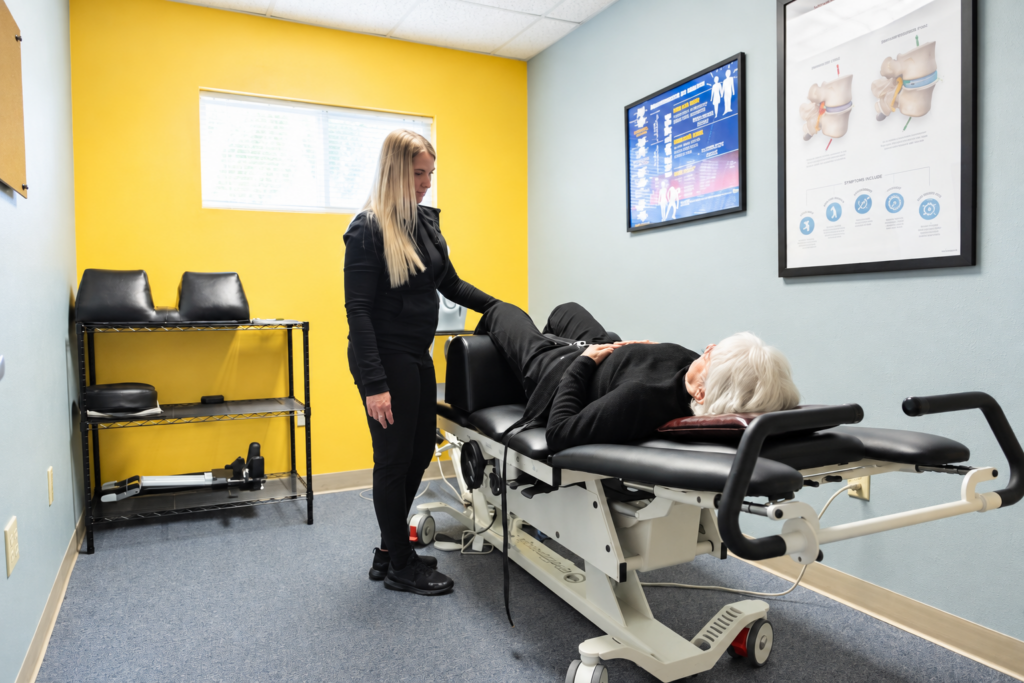

You might be surprised to learn that relieving stress doesn't always require intensive therapy or medication. Non-invasive therapies offer gentle, effective ways to regain balance and improve your overall well-being. From mindfulness practices that anchor you in the present to the soothing effects of aromatherapy, there's a wealth of options available. Gentle movement like yoga and tai chi can also play a significant role in managing stress. Curious about how to integrate these techniques into your life for lasting relief? Let's explore these approaches further.
Understanding Non-Invasive Therapies
When you're feeling overwhelmed, understanding non-invasive therapies can be a game changer. These therapies focus on gentle, non-invasive methods to help alleviate stress and promote relaxation. Unlike more intrusive options, such as surgery or medications, non-invasive therapies prioritize your body's natural healing processes.
You might be surprised to learn about the variety of approaches available, from mindfulness practices to physical therapies.
One popular non-invasive therapy is acupuncture. By inserting thin needles at specific points in your body, it aims to balance your energy and reduce stress. Many people find relief from anxiety and tension through this ancient practice.
Another effective option is massage therapy, which uses touch to ease muscle tension and stimulate circulation. Regular massages can considerably lower stress levels, making you feel more relaxed and rejuvenated.
You should also consider aromatherapy, which utilizes essential oils to promote emotional well-being. Scents like lavender and chamomile can create a calming environment, helping you unwind after a long day.
Yoga and tai chi are other fantastic non-invasive therapies that combine movement, breath, and mindfulness, fostering a deeper connection between your mind and body.
Understanding these therapies gives you the tools to choose what resonates with you. You can explore different options and find what works best for your lifestyle.
Embracing non-invasive therapies can lead to a more balanced, stress-free life, allowing you to face challenges with a clearer mind and greater resilience.
Benefits of Mindfulness Practices
Mindfulness practices offer a wealth of benefits that can greatly enhance your overall well-being. By incorporating mindfulness into your daily routine, you can experience reduced stress and anxiety. When you're fully present in the moment, you learn to observe your thoughts and feelings without judgment, allowing you to gain control over your emotional responses.
Another significant benefit is improved focus and concentration. As you practice mindfulness, you'll find it easier to direct your attention and stay engaged in tasks. This heightened awareness not only boosts productivity but also enriches your daily experiences, making each moment more enjoyable.
Mindfulness can also foster better emotional regulation. When you understand your emotional patterns, you can respond to challenges more calmly and rationally. This skill is essential in both personal and professional settings, helping you navigate conflicts and maintain healthy relationships.
Moreover, engaging in mindfulness practices can enhance your physical health. Research shows that mindfulness can lower blood pressure, improve sleep quality, and even boost your immune system. When you reduce stress, your body can function more efficiently, leading to a greater sense of energy.
Lastly, mindfulness cultivates self-compassion and resilience. As you learn to treat yourself with kindness, you become more equipped to face life's ups and downs. By embracing mindfulness, you're not just improving your mental state; you're also laying the groundwork for a more fulfilling and balanced life.
Exploring Meditation Techniques
Meditation techniques offer a powerful way to deepen your mindfulness practice and enhance your stress relief efforts. By incorporating various approaches, you can find the techniques that resonate best with you.
One popular method is focused attention meditation, where you concentrate on a single object, thought, or sound, such as your breath. This technique helps cultivate awareness and keeps your mind anchored, reducing distractions.
Another effective approach is loving-kindness meditation. In this practice, you actively send goodwill and compassion towards yourself and others. Start by repeating phrases like "May I be happy, may I be healthy," and gradually extend these wishes to friends, family, and even those you find challenging. This can foster emotional resilience and alleviate feelings of stress.
You might also explore body scan meditation, which involves mentally scanning your body for tension or discomfort. Lie down comfortably, close your eyes, and slowly focus on each part of your body, relaxing it as you go. This technique can help you develop a deeper connection with your body and relieve physical stress.
Finally, try guided meditation, where you follow a recording or an instructor who leads you through the process. This can be particularly helpful if you're new to meditation or find it difficult to maintain focus.
Whichever technique you choose, consistency is key. Aim to practice daily, even if only for a few minutes, to experience the full benefits of meditation in your stress relief journey.
The Power of Aromatherapy
Aromatherapy's benefits can transform your stress relief routine by harnessing the power of essential oils.
You can easily apply these oils through various techniques, making it simple to incorporate them into your daily life.
Plus, learning how to combine scents effectively can enhance your experience even more.
Essential Oils Benefits
When you breathe in the soothing scents of essential oils, you're tapping into a powerful tool for stress relief. These natural extracts, derived from plants, have been used for centuries to promote emotional well-being. Their aromatic properties can greatly impact your mood and mental state, helping you feel more relaxed and centered.
For instance, lavender oil is renowned for its calming effects, reducing anxiety and promoting better sleep. If you're feeling overwhelmed, citrus oils like orange or lemon can uplift your spirits and energize your mind. Similarly, peppermint oil can enhance focus, making it easier for you to tackle your tasks without feeling stressed.
Incorporating essential oils into your routine can also lead to physical benefits. Some oils have anti-inflammatory properties that can ease tension in your body, while others may improve your respiratory health. By simply inhaling these delightful aromas, you're not only improving your mood but also supporting your overall well-being.
Ultimately, the benefits of essential oils extend beyond relaxation. They offer a holistic approach to stress management, enhancing both your mental and physical health. Embrace these natural remedies to create a more balanced, stress-free life.
Application Techniques
Your journey into the world of aromatherapy begins with understanding effective application techniques that can maximize the benefits of essential oils.
One popular method is diffusion. Using an essential oil diffuser, you can disperse the oils into the air, creating a fragrant environment that promotes relaxation. Just add a few drops of your chosen oil to the diffuser, turn it on, and let the aroma envelop your space.
Another technique is topical application. You can mix essential oils with a carrier oil, such as coconut or jojoba oil, to create a soothing blend. Apply this mixture to pulse points like your wrists, temples, or the back of your neck. This method allows the oils to penetrate your skin and provide therapeutic benefits directly.
Inhalation is also effective. Simply place a few drops of essential oil on a cotton ball or tissue and breathe in deeply. This can be particularly helpful during moments of stress, offering immediate relief.
Lastly, consider adding essential oils to your bath. Just a few drops mixed with Epsom salts can transform your bathing experience into a relaxing ritual, helping you unwind and destress.
Combining Scents Effectively
Blending essential oils can elevate your aromatherapy experience, creating a harmonious scent that enhances relaxation and well-being. To get started, you'll want to choose a base note, a middle note, and a top note.
Base notes, like sandalwood or patchouli, ground your blend, while middle notes such as lavender or chamomile provide balance. Top notes, like lemon or eucalyptus, add brightness and lift.
When combining these oils, aim for a balanced ratio. A common method is the 3-5-2 ratio: use three parts base notes, five parts middle notes, and two parts top notes. This structure guarantees a well-rounded aroma.
Don't forget to test your blend! Start with small amounts, and adjust until you find the perfect mix that resonates with you.
Consider the effects each oil has on your mood. For instance, citrus oils can uplift, while earthy oils may help you feel grounded.
Experiment with different combinations, and keep a journal to track what works for you. By taking the time to blend scents effectively, you'll create a personalized aromatherapy experience that promotes relaxation and reduces stress.
Enjoy the journey of discovering your unique scent combinations!
Gentle Movement: Yoga and Tai Chi
Gentle movement practices like yoga and Tai Chi can greatly reduce stress and promote overall well-being.
You'll find that specific yoga poses help you relax, while the flowing movements of Tai Chi encourage mindfulness and balance.
Embracing these techniques can lead you to a calmer, more centered state of mind.
Benefits of Gentle Movement
Incorporating gentle movement practices like yoga and Tai Chi into your routine can greatly enhance your well-being. These activities promote relaxation and foster a sense of calm, making them excellent tools for stress relief. By engaging in gentle movement, you encourage mindfulness, helping you stay present and focused rather than getting caught up in worries.
Gentle movement also improves flexibility and balance, which can lead to better overall physical health. You'll notice increased body awareness as you flow through movements, allowing you to connect with your physical self on a deeper level. This connection helps you release tension stored in your body, making you feel lighter and more at ease.
Moreover, regular practice can enhance your mental clarity. The rhythmic nature of yoga and Tai Chi calms your mind, reducing anxiety and promoting a positive outlook. You'll find that the combination of breath and movement allows you to let go of negative thoughts, creating space for positivity.
Lastly, participating in group classes fosters community and social connection, which can further enhance your emotional well-being.
Yoga Poses for Relaxation
Yoga offers a variety of poses specifically designed to promote relaxation and reduce stress. By incorporating these gentle movements into your routine, you can experience both physical and mental relief.
Start with Child's Pose. Kneeling on the mat, fold your body forward and rest your forehead on the ground. This pose calms the mind while stretching the back and hips.
Next, try Legs-Up-the-Wall Pose. Lie on your back and extend your legs vertically against a wall. This inversion encourages blood flow and helps relieve tension in the legs and lower back.
Another effective pose is the Cat-Cow stretch. On your hands and knees, alternate between arching your back and dipping it down. This flow releases spinal tension and encourages deep breathing.
Finally, practice Corpse Pose. Simply lie flat on your back, arms relaxed at your sides, and focus on your breath.
Incorporating these poses into your daily routine can enhance your relaxation and create a sense of inner peace. As you engage in these practices, remember to breathe deeply and mindfully, allowing yourself to fully let go of stress.
Tai Chi Flow Techniques
Experience the flowing movements of Tai Chi, a practice that combines gentle motion with mindfulness to enhance relaxation and reduce stress. As you engage in Tai Chi, you'll find yourself moving through a series of slow, deliberate postures that promote balance and coordination. This low-impact exercise doesn't just benefit your body; it also calms your mind.
Begin by finding a quiet space where you can focus. Stand with your feet shoulder-width apart, grounding yourself in the moment. Start with simple movements, like the "Commencing Form," where you raise your arms gently while inhaling, then lower them as you exhale. Pay attention to your breath and let it guide your movements.
As you flow through sequences like "Grasp the Bird's Tail" or "Wave Hands Like Clouds," notice how each posture connects seamlessly to the next. This rhythmic practice encourages a meditative state, allowing you to release tension and stress.
With regular practice, you'll strengthen your body and enhance your mental clarity. Embrace the serenity of Tai Chi and discover how this ancient art can transform your approach to stress relief.
Incorporating Nature Therapy
Nature therapy offers a powerful way to alleviate stress and promote well-being. When you immerse yourself in natural surroundings, you tap into a healing environment that can rejuvenate your mind and body.
The sights, sounds, and smells of nature can shift your focus away from stressors and help you reconnect with yourself. Here are some effective ways to incorporate nature therapy into your life:
- Take a walk in the park: Spend time walking on trails, breathing in fresh air, and enjoying the natural beauty around you. Even short walks can lift your mood and relieve anxiety.
- Practice mindfulness outdoors: Find a quiet spot in your garden or a nearby green space. Take a moment to sit quietly, focusing on the sensations around you, such as the rustling leaves or the chirping birds. This can ground you and promote relaxation.
- Engage in gardening: Digging in the dirt and nurturing plants can be incredibly therapeutic. Gardening not only provides physical activity but also allows you to cultivate life, which can be immensely rewarding.
- Plan outdoor activities: Whether it's hiking, cycling, or simply having a picnic, make a point to spend time outdoors. Being active in nature can boost your endorphins and foster a sense of connection with the world around you.
Creating a Stress-Relief Routine
Establishing a consistent stress-relief routine can greatly enhance your overall well-being. By setting aside time each day for activities that calm your mind and body, you create a sanctuary from life's pressures.
Start by identifying what relaxes you. Whether it's meditation, yoga, or simply taking a walk, choose activities you genuinely enjoy.
Next, schedule specific times for these stress-relief activities. Treat them like important appointments you can't miss. Consistency is key, so aim for at least 20-30 minutes daily. You might find early mornings or evenings work best for you, but be flexible and adjust according to your lifestyle.
Incorporate mindfulness into your routine. Spend a few moments focusing on your breath, letting go of distractions, and being present in the moment. This practice can notably lower your stress levels and increase your resilience over time.
Additionally, consider journaling as part of your routine. Writing down your thoughts and feelings can help you process emotions and gain clarity. It's a simple yet powerful tool for stress relief.
Finally, don't forget to evaluate your routine regularly. If something isn't working, feel free to change it. Experiment with new activities or adjust the time you dedicate to each one.
Conclusion
Incorporating non-invasive therapies into your daily routine can make a significant difference in managing stress. By embracing mindfulness practices, exploring meditation, harnessing the power of aromatherapy, and engaging in gentle movement like yoga or tai chi, you'll create a holistic approach to well-being. Don't forget to spend time in nature; it can rejuvenate your spirit. Start small, find what resonates with you, and watch as you cultivate a more balanced, resilient lifestyle.