
When you think about enhancing your flexibility and mobility, chiropractic care might not be the first option that comes to mind. However, this practice focuses on spinal alignment and joint function, which can considerably impact your overall movement. By receiving targeted adjustments, you can experience a noticeable increase in your range of motion and a reduction in muscle tension. But how exactly do these adjustments work, and what additional techniques can you incorporate to sustain these benefits? Exploring these questions could lead you to a more active and fulfilling lifestyle.
Understanding Chiropractic Care
Chiropractic care focuses on diagnosing and treating musculoskeletal disorders, particularly those affecting the spine. You might wonder how this form of treatment works. Chiropractors primarily use hands-on spinal manipulation and other manual techniques to align your body's musculoskeletal structure. This realignment can help your body heal itself without the need for surgery or medication.
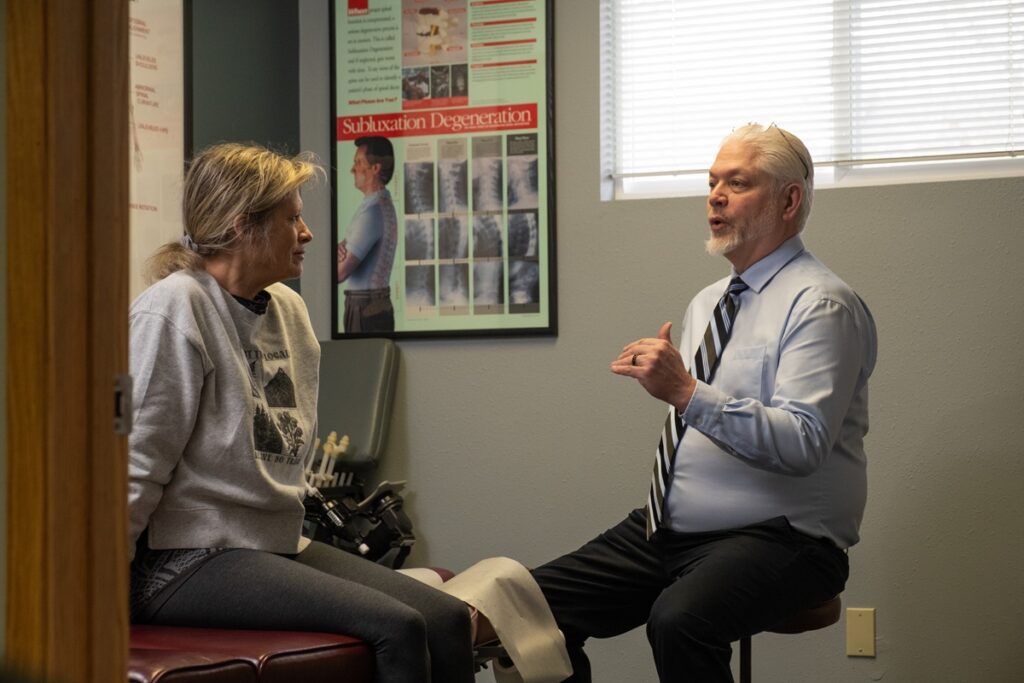
When you visit a chiropractor, they'll typically perform a thorough examination. They'll assess your posture, range of motion, and any discomfort you're experiencing. This evaluation helps them identify the root cause of your pain or dysfunction. Based on their findings, they'll develop a personalized treatment plan tailored to your needs.
One of the core principles of chiropractic care is that your body has an innate ability to heal itself. By ensuring your spine is properly aligned, chiropractors aim to enhance your overall well-being. They believe that spinal misalignments can interfere with the nervous system, affecting your body's functions.
Chiropractic adjustments can alleviate pressure on nerves and improve overall mobility. You'll likely notice a reduction in pain, increased range of motion, and improved posture after treatment.
Moreover, chiropractic care isn't just about addressing existing issues; it also focuses on prevention. Regular visits can help maintain your spinal health and prevent future problems.
Benefits of Improved Flexibility
Improved flexibility can greatly enhance your athletic performance and help you avoid injuries.
When your body moves more freely, you'll notice better functionality in your daily activities as well.
Let's explore how chiropractic care can support these benefits and boost your overall well-being.
Enhanced Athletic Performance
Achieving ideal athletic performance often hinges on flexibility, which plays an essential role in how well you move during physical activities. Improved flexibility allows you to execute movements with greater ease and efficiency, whether you're sprinting, jumping, or performing complex maneuvers.
When your muscles and joints can move through a full range of motion, you're not just enhancing your performance; you're also maximizing your potential.
By incorporating chiropractic care into your routine, you can greatly boost your flexibility. Chiropractors often use techniques like spinal adjustments and targeted stretches to enhance your mobility.
As you increase your flexibility, you'll notice improvements in your strength and endurance, too. Your body becomes more resilient, allowing you to train harder and recover faster.
Moreover, improved flexibility can lead to better coordination and balance, essential components for any athlete. You'll find that you're able to maintain proper form during intense workouts, which can elevate your performance in competitions.
Injury Prevention Strategies
With enhanced flexibility, you're not just boosting your athletic performance; you're also taking significant steps toward preventing injuries. Increased flexibility allows your muscles, tendons, and ligaments to stretch more easily, reducing the risk of strains and sprains during physical activities.
When you maintain a greater range of motion, your body can adapt better to sudden movements or changes in direction, which is essential for avoiding mishaps.
Incorporating regular stretching routines into your fitness regimen can greatly enhance your flexibility. This doesn't just mean static stretches; dynamic stretches before workouts can prepare your muscles for action, while static stretches post-exercise can aid in recovery.
By prioritizing flexibility training, you're ensuring that your body is well-prepared for the demands of your chosen sport or daily activities.
Additionally, chiropractic care can play an important role in your injury prevention strategy. A chiropractor can identify any misalignments or restrictions in your body, helping to improve your overall movement patterns.
This proactive approach not only keeps you flexible but also minimizes the risk of injuries over time. Ultimately, focusing on flexibility can lead to a safer and more enjoyable exercise experience.
Improved Daily Functionality
Flexibility isn't just essential for athletes; it greatly enhances your daily functionality as well. When your muscles and joints are flexible, you'll find everyday activities easier and more enjoyable. Simple tasks like bending down to tie your shoes, reaching for something on a high shelf, or even getting in and out of your car become smoother and less strenuous.
Improved flexibility reduces the risk of strains and injuries during routine movements. You won't have to worry as much about pulling a muscle while performing common tasks. This increased range of motion also helps you maintain proper posture, which can alleviate discomfort and fatigue throughout your day.
Incorporating chiropractic care into your routine can further enhance your flexibility. Chiropractors often use techniques that address spinal alignment and muscle tension, allowing your body to function more efficiently.
You'll notice that as your flexibility improves, so does your overall energy level. You'll feel more agile and capable, allowing you to engage fully in your daily activities without discomfort or limitation.
Embracing flexibility through chiropractic care can considerably elevate your quality of life, making every day a bit easier and more fulfilling.
How Chiropractic Adjustments Work
Chiropractic adjustments work by applying precise pressure to specific areas of the spine and joints, helping to restore proper alignment and function. When you're experiencing discomfort or limited mobility, your chiropractor will assess your spine and joints to identify any misalignments or restrictions. These misalignments can lead to nerve interference and muscle tension, which may hinder your daily activities.
During an adjustment, your chiropractor uses controlled force to manipulate your spine or joints. This pressure helps to realign vertebrae, improve joint mobility, and decrease muscle tension. You might feel a popping or cracking sound, which is often the release of gas bubbles in the joints—a normal part of the process.
It's crucial to understand that you won't feel pain during the adjustment; instead, many patients report feeling immediate relief afterward. The goal of these adjustments isn't only to relieve pain but also to enhance your overall well-being.
By restoring proper alignment, you'll likely notice improvements in your flexibility and mobility. This, in turn, can lead to better posture, increased range of motion, and reduced stress on your muscles and joints.
To maintain the benefits of chiropractic adjustments, your chiropractor may recommend follow-up visits and a personalized care plan. This could include specific exercises or stretches that you can do at home to further support your spinal health.
With regular adjustments, you can enjoy a more active, pain-free lifestyle.
Enhancing Mobility Through Techniques
When you seek chiropractic care, you'll discover various techniques designed to enhance your mobility.
Stretching techniques can improve flexibility, while joint manipulation offers significant benefits for pain relief and overall function.
Understanding these methods can empower you to move more freely and comfortably in your daily life.
Stretching Techniques Explained
Stretching techniques play an essential role in enhancing mobility and overall physical performance. By incorporating various stretching methods into your routine, you can increase flexibility, reduce the risk of injury, and improve your range of motion.
One effective technique is dynamic stretching, which involves controlled movements that gently take your muscles through their full range of motion. This method is ideal for warming up before physical activities, as it prepares your muscles and joints for action.
Static stretching, on the other hand, is performed by holding a stretch in a challenging but comfortable position for a set amount of time. This technique helps lengthen your muscles and improve flexibility, making it beneficial after workouts when your muscles are warm.
Proprioceptive neuromuscular facilitation (PNF) stretching is another advanced technique that combines stretching and contracting of the targeted muscle group. It's often most effective with a partner and can lead to significant gains in flexibility.
Incorporating these techniques into your routine not only boosts mobility but also enhances your overall physical performance, making everyday activities and athletic pursuits more enjoyable and efficient.
Joint Manipulation Benefits
Often overlooked, joint manipulation can greatly enhance your mobility and overall physical function. This technique involves applying controlled force to joints, helping to realign them and improve their range of motion. When you receive joint manipulation, you may notice an immediate increase in flexibility, making everyday activities like bending, reaching, or lifting easier.
By addressing misalignments and restrictions, joint manipulation can relieve pain and reduce stiffness. This not only boosts your comfort but also encourages you to stay active, which is essential for maintaining good health.
Additionally, improved joint function can enhance your athletic performance, allowing you to move more freely and with greater efficiency.
Moreover, regular joint manipulation can help prevent injuries by ensuring your joints move correctly and efficiently. When you're less prone to injury, you'll feel more confident in your physical abilities, whether you're playing sports or just enjoying life.
Incorporating joint manipulation into your wellness routine can lead to long-term benefits for your mobility. If you're looking to enhance your physical function, consider discussing joint manipulation with your chiropractor to see how it can support your goals.
Role of Spinal Alignment
Spinal alignment plays an essential role in your overall health and well-being. When your spine is aligned correctly, it helps maintain proper posture and guarantees that your nervous system functions at its best. Misalignments can lead to nerve interference, which may result in pain, discomfort, and even reduced mobility.
You mightn't realize it, but your spinal alignment affects how well your body moves. A well-aligned spine allows your muscles and joints to work together efficiently, enhancing your flexibility and range of motion. If your spine is out of alignment, it can create tension in your muscles, restricting movement and making you feel stiff.
Regular chiropractic care can help restore and maintain proper alignment, promoting better mobility and overall physical performance.
Moreover, spinal alignment is critical for preventing injuries. When your spine is aligned, your body can distribute stress and strain more evenly, reducing the risk of overexerting certain muscles or joints. This balanced distribution can help you engage in physical activities without fear of injury.
In addition to improving flexibility and mobility, proper spinal alignment contributes to better circulation and organ function. When the spine is aligned, blood flow improves, providing essential nutrients to your muscles and tissues.
This support can enhance your overall well-being, allowing you to enjoy life to the fullest.
Chiropractic Exercises for Flexibility
Maintaining proper spinal alignment isn't just about posture; it also paves the way for incorporating chiropractic exercises that enhance flexibility. These exercises can help you reveal your body's potential, making everyday movements easier and more fluid. By focusing on specific stretches and movements, you can greatly improve your range of motion and reduce stiffness.
One effective exercise is the seated spinal twist. Sit on the floor with your legs extended. Bend your right knee and place your foot outside your left thigh. Gently twist your torso to the right, using your left arm to deepen the stretch. Hold for 15-30 seconds, and switch sides. This exercise not only increases spinal flexibility but also engages your hip muscles.
Another great option is the cat-cow stretch. Start on your hands and knees, ensuring your wrists are aligned with your shoulders and your knees with your hips. Inhale, arch your back, and lift your head (cow position). Exhale, round your back, and tuck your chin (cat position). Repeat this sequence for 5-10 cycles. This flowing movement enhances spinal mobility and helps release tension in your back.
Lastly, consider incorporating the butterfly stretch. Sit with the soles of your feet together and let your knees fall out to the sides. Gently press down on your thighs for a deeper stretch. Hold for 20-30 seconds.
These chiropractic exercises can complement your alignment work, leading to improved flexibility and overall well-being.
Integrating Care Into Daily Life
Integrating chiropractic care into your daily life can greatly enhance your overall well-being. It's not just about what happens during your appointments; it's also about how you carry those benefits into your everyday routine.
You can start by incorporating simple stretches and exercises recommended by your chiropractor. These movements can help maintain the flexibility and mobility you've gained during your sessions.
Make mindfulness a part of your routine. Pay attention to your posture while sitting, standing, or moving. Adjust your workspace to guarantee ergonomic alignment, reducing strain on your back and neck.
If you spend long hours at a desk, take regular breaks to stretch and walk around. This can notably alleviate tension and keep you comfortable throughout the day.
Nutrition also plays a crucial role in your overall health. Staying hydrated and eating a balanced diet rich in anti-inflammatory foods can support your body's healing process.
Consider consulting with a nutritionist to help you create a meal plan that complements your chiropractic care.
Lastly, prioritize rest and recovery. Quality sleep allows your body to heal and rejuvenate, making your chiropractic adjustments more effective.
Establish a calming bedtime routine to improve your sleep quality.
Conclusion
Incorporating chiropractic care into your routine can greatly boost your flexibility and mobility. By focusing on spinal alignment and targeted adjustments, you'll notice an improvement in your range of motion and a reduction in muscle tension. Plus, combining chiropractic sessions with stretching and specific exercises can help you maintain these gains in everyday life. Embrace this approach to enjoy a healthier, more active lifestyle, free from the limitations of tightness and discomfort. Start your journey to enhanced movement today!