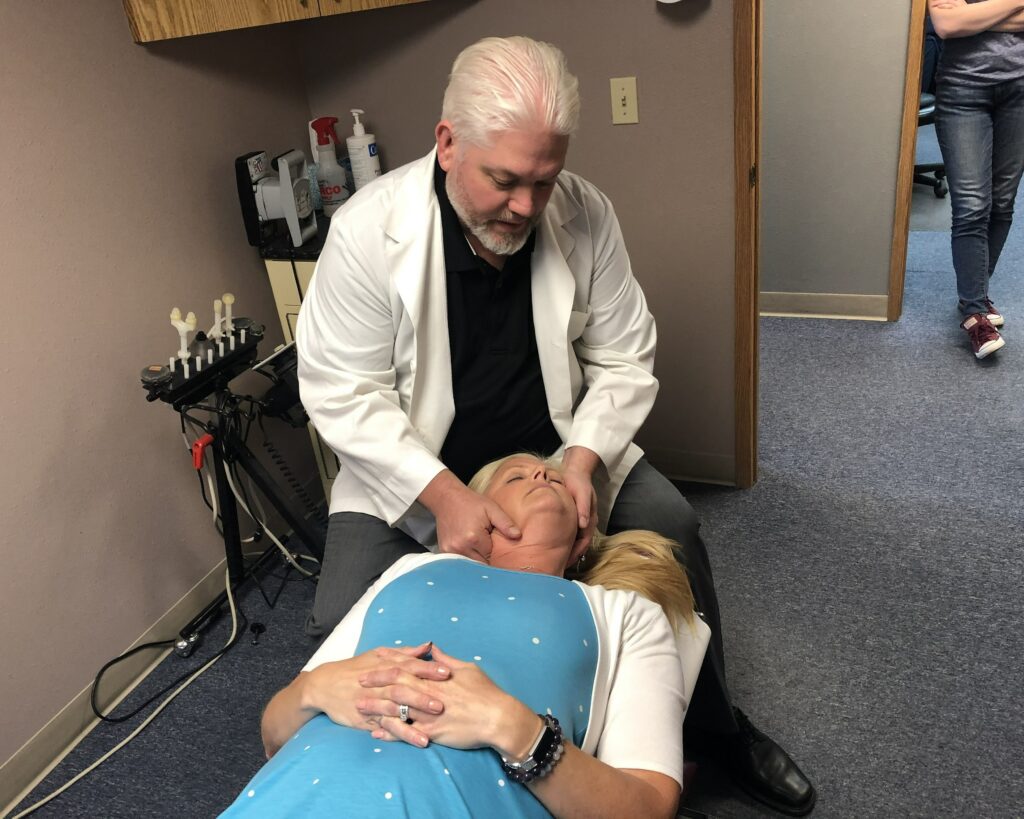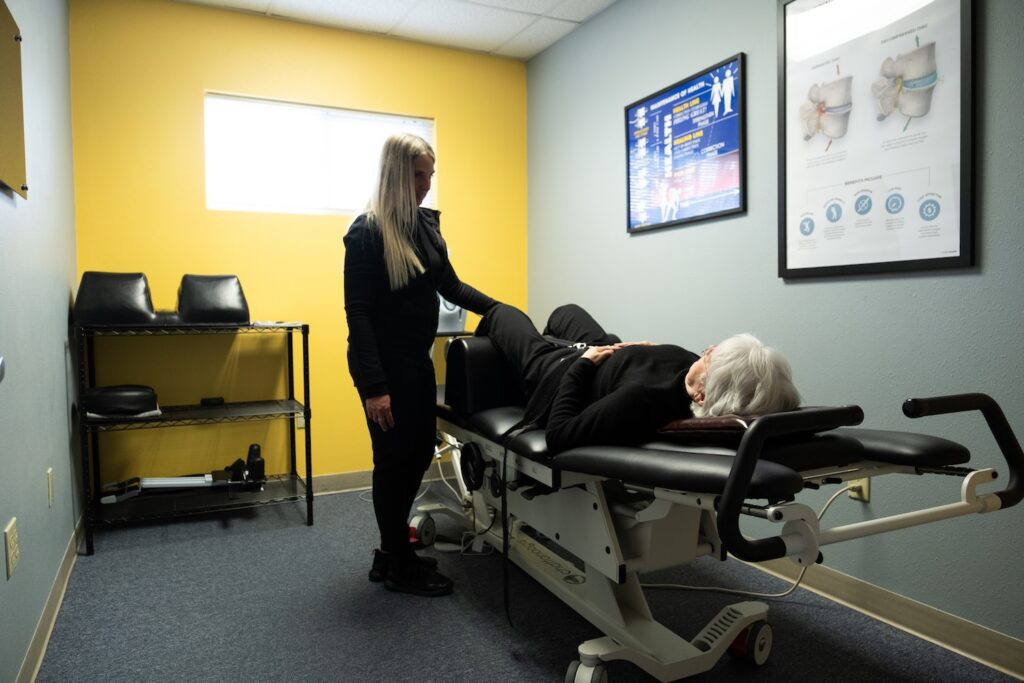

When you're pushing your limits as an athlete, recovery isn't just a luxury—it's indispensable. Chiropractic care can play a significant role in this process by addressing spinal alignment and enhancing your overall body function. By utilizing various techniques, chiropractors not only relieve pain but also help improve your mobility and flexibility, which can be essential for peak performance. But how exactly does this translate into faster recovery and better results? Understanding the specifics could change the way you approach your athletic regimen.
Understanding Chiropractic Care
When it comes to athletic recovery, understanding chiropractic care is essential for optimizing performance and preventing injuries. Chiropractic care focuses on the relationship between your body's structure, particularly the spine, and its overall function. By maintaining proper alignment, you can enhance your mobility, flexibility, and strength, which are critical for any athlete.
You might be surprised to learn that chiropractic adjustments can improve your nervous system function. When your spine is aligned, your nervous system communicates more effectively with your muscles, helping you respond better during training and competition. This means you can react quicker, maintain better coordination, and ultimately perform at your best.
Incorporating chiropractic care into your recovery routine can also help alleviate pain and discomfort. Whether you're dealing with chronic issues or acute injuries, a chiropractor can provide targeted treatments to relieve muscle tension and reduce inflammation. This proactive approach allows you to bounce back faster and get back to your training regimen without unnecessary delays.
Moreover, regular chiropractic visits can aid in identifying potential weaknesses or imbalances in your body before they become significant problems. By addressing these issues early, you can minimize the risk of injury and prolong your athletic career.
Benefits of Spinal Alignment
Spinal alignment serves as the foundation for peak athletic performance and recovery. When your spine is properly aligned, it helps your body function effectively, allowing you to train harder and recover faster. You mightn't realize it, but this alignment directly influences your overall health and athletic capabilities.
Here are some key benefits you'll experience with proper spinal alignment:
- Improved Posture: Good alignment helps you maintain proper posture, reducing strain on your muscles and joints during physical activities.
- Enhanced Mobility: A well-aligned spine promotes better range of motion, allowing you to move more freely and efficiently.
- Increased Energy Levels: When your spine is aligned, your nervous system functions better, which can lead to improved energy and stamina during workouts.
- Better Balance and Coordination: Proper spinal alignment supports your body's balance and coordination, helping you avoid injuries while competing or training.
- Maximized Recovery: Your body can heal more effectively when your spine is aligned, reducing recovery time between workouts and competitions.
Incorporating chiropractic care to maintain your spinal alignment can greatly impact your performance. Regular adjustments not only help with alignment but also foster an overall sense of well-being.
By prioritizing spinal health, you're setting yourself up for success in your athletic pursuits, enabling you to push your limits while minimizing the risk of injury.
Pain Management Techniques
When you're dealing with pain from athletic activities, effective management techniques can make all the difference.
Manual therapy approaches, combined with various modalities for pain relief, can help you recover faster and get back to your routine.
Let's explore how these methods can support your recovery journey.
Manual Therapy Approaches
Pain management is a crucial aspect of athletic recovery, and manual therapy approaches offer effective solutions for athletes seeking relief. These hands-on techniques can help alleviate pain, improve flexibility, and enhance overall performance.
By targeting specific areas of discomfort, these therapies facilitate your body's natural healing processes.
Here are some common manual therapy approaches you might encounter:
- Soft Tissue Mobilization: This technique focuses on relieving tension in muscles and connective tissues.
- Joint Mobilization: Gentle movements help restore joint function and reduce stiffness.
- Myofascial Release: This approach targets the fascia to release tightness and improve blood flow.
- Trigger Point Therapy: By applying pressure to specific points, you can relieve localized muscle tension.
- Cupping Therapy: Suction cups create a vacuum effect, promoting blood flow and reducing pain.
Incorporating these manual therapy approaches into your recovery routine can greatly enhance your overall well-being.
Whether you're recovering from an injury or just looking to improve your performance, these techniques can be invaluable in keeping you at your best.
Modalities for Pain Relief
In the quest for effective recovery, various modalities for pain relief can greatly enhance your athletic performance and well-being. Chiropractors often utilize techniques like electrical stimulation, ultrasound therapy, and cold laser therapy. Each of these modalities targets pain at the source, helping to accelerate healing.
Electrical stimulation, for instance, sends low-voltage currents through your muscles, reducing pain and promoting circulation. This can be especially beneficial after intense training or injury.
Ultrasound therapy employs sound waves to penetrate deep tissues, increasing blood flow and reducing inflammation. You might find it particularly useful for chronic pain issues.
Cold laser therapy uses specific wavelengths of light to stimulate healing processes at the cellular level. It's non-invasive and can considerably decrease pain, making it a popular choice among athletes.
Additionally, incorporating cryotherapy or heat therapy can complement these modalities. Cryotherapy reduces swelling and numbs sharp pain, while heat therapy increases blood flow and flexibility.
Ultimately, by integrating these pain relief modalities, you can optimize your recovery process, reduce downtime, and keep your body functioning at its best.
Always consult with your chiropractor to tailor a plan that meets your specific needs.
Enhancing Mobility and Flexibility
To maximize your athletic performance, enhancing your mobility and flexibility is essential.
Focusing on joint mobility and incorporating effective stretching techniques can greatly aid in your recovery process.
Chiropractic adjustments also play an important role in helping you achieve ideal movement and flexibility.
Importance of Joint Mobility
Joint mobility plays an essential role in athletic performance and recovery, enabling you to move freely and efficiently. When your joints are mobile, you can achieve a greater range of motion, which not only enhances your performance but also helps prevent injuries.
Maintaining ideal joint mobility is vital for athletes at all levels.
Here are some key benefits of improving your joint mobility:
- Increased Range of Motion: Improved mobility allows you to perform movements more effectively and with less restriction.
- Enhanced Performance: Better joint function leads to improved athletic performance in various sports.
- Reduced Injury Risk: Flexible joints can absorb stress better, lowering the chance of strains and sprains.
- Faster Recovery: Enhanced mobility aids in quicker recovery by promoting blood flow to the affected areas.
- Improved Posture: Better joint alignment contributes to overall body posture, reducing discomfort during physical activities.
Stretching Techniques in Recovery
While many athletes focus on strength training and conditioning, incorporating effective stretching techniques into your recovery routine is essential for enhancing mobility and flexibility.
Stretching helps elongate tight muscles, increases blood flow, and promotes overall muscle health, all of which are critical for peak recovery.
Dynamic stretching, such as leg swings and arm circles, is ideal before workouts to prepare your muscles and joints.
After your training session, switch to static stretching, holding each stretch for 15 to 30 seconds. Target major muscle groups like the hamstrings, quadriceps, and shoulders to help alleviate tension and improve flexibility.
You can also explore foam rolling as a form of self-myofascial release. This technique helps break up muscle knots and improves circulation, aiding in recovery.
Incorporating yoga or Pilates into your routine can further enhance your flexibility and core strength, providing a holistic approach to recovery.
Role of Chiropractic Adjustments
Chiropractic adjustments play an essential role in enhancing both mobility and flexibility for athletes. When you receive these adjustments, you're not just addressing discomfort; you're actively improving your range of motion. This can lead to better performance and quicker recovery times.
Here are some key benefits you can experience from chiropractic adjustments:
- Improved Joint Function: Realigning joints can help restore proper movement patterns.
- Reduced Muscle Tension: Adjustments can alleviate tightness, promoting a greater sense of relaxation.
- Enhanced Blood Flow: Improved circulation can help deliver nutrients to muscles and tissues more effectively.
- Prevention of Injuries: By ensuring your body is correctly aligned, you can reduce the risk of strains and sprains.
- Better Posture: Adjustments encourage proper alignment, which is crucial for peak athletic performance.
Incorporating chiropractic adjustments into your recovery routine can greatly enhance your overall athletic capabilities.
By maintaining your body's alignment and flexibility, you'll not only perform better but also recover faster from injuries.
Injury Prevention Strategies
Injury prevention strategies are essential for athletes aiming to maintain peak performance and minimize downtime. Implementing these strategies can help you stay in the game longer and enhance your overall athletic experience.
One effective approach is to focus on proper warm-up and cool-down routines. Before you start your activity, take the time to warm up your muscles and joints. This prepares your body for the physical demands ahead and reduces the risk of injuries.
Another key strategy is to maintain ideal flexibility and strength. Regular stretching and strength training can greatly improve your range of motion and muscle resilience. Incorporating exercises that target specific muscle groups used in your sport will help build strength and stability, making you less susceptible to injuries.
You should also pay attention to your technique. Proper form during training and competition is essential. Whether you're running, lifting weights, or playing a sport, using the correct technique can prevent undue stress on your body. Consider working with a coach or trainer who can help you refine your skills.
Don't forget about rest and recovery. Overtraining can lead to fatigue and increase your risk of injury. Schedule regular rest days and listen to your body. If something feels off, don't hesitate to take a break.
Lastly, chiropractic care can play a significant role in injury prevention. Regular adjustments can improve your alignment and function, helping you perform at your best while minimizing injury risks.
Role in Rehabilitation
After an injury, effective rehabilitation is crucial for athletes to regain strength, mobility, and overall performance. Chiropractic care plays an important role in this process, helping you recover more efficiently and effectively. Chiropractors focus on restoring proper alignment and function to your musculoskeletal system, which can accelerate healing and reduce pain.
Here are some ways chiropractic care can enhance your rehabilitation:
- Pain Management: Chiropractors use various techniques to alleviate pain, making it easier for you to engage in rehabilitation exercises.
- Improved Range of Motion: Adjustments can restore mobility to injured joints, allowing you to perform exercises necessary for recovery.
- Muscle Strengthening: Chiropractors often incorporate specific strength-building exercises tailored to your needs, promoting muscle recovery and stability.
- Enhanced Coordination: Chiropractic care helps improve your neuromuscular function, leading to better coordination during rehabilitation.
- Preventing Future Injuries: By addressing underlying issues, chiropractors can help you avoid re-injury as you return to your sport.
Incorporating chiropractic care into your rehabilitation plan can lead to a more holistic recovery experience.
Working closely with your chiropractor guarantees that your rehabilitation is personalized, focusing on your specific needs. This collaborative approach not only promotes healing but also prepares you for a successful return to your sport, ensuring that you're stronger and more resilient than before.
Supporting Overall Athletic Performance
Athletes often seek ways to enhance their performance and maintain peak physical condition. One effective approach to achieving these goals is chiropractic care. By focusing on spinal alignment and joint health, chiropractic treatments can help you optimize your body's function, allowing you to train harder and recover faster.
When your spine is properly aligned, your nervous system operates more efficiently, which can lead to improved muscle coordination and strength. This means that whether you're sprinting on the track, lifting weights, or practicing your sport, you'll likely see better results.
Plus, regular chiropractic adjustments can help prevent injuries by correcting imbalances and addressing any underlying issues before they escalate.
Moreover, chiropractic care can also aid in boosting your overall flexibility and range of motion. Improved mobility allows you to execute movements more fluidly, which can enhance your performance in any athletic endeavor.
You'll find that your body feels more responsive and agile during workouts and competitions.
In addition to physical benefits, chiropractic care promotes recovery by reducing inflammation and pain. This support means you can train consistently without being sidelined by minor aches or injuries.
Staying on track with your training regimen is essential for achieving your athletic goals, and chiropractic care can play a significant role in this process.
Choosing the Right Chiropractor
Selecting the right chiropractor is essential for optimizing your athletic recovery. With so many professionals available, you want to guarantee you choose one who understands your needs as an athlete. Here are some key factors to examine when making your decision:
- Experience with Athletes: Look for a chiropractor who specializes in sports injuries or has worked with athletes. Their background can greatly impact your recovery process.
- Techniques Used: Different chiropractors use various techniques, such as spinal adjustments, soft tissue therapy, or rehabilitation exercises. Make sure their approach aligns with your recovery goals.
- Communication Style: Choose a chiropractor who listens to your concerns and explains their treatment plan clearly. Good communication fosters trust and helps you feel more comfortable during your sessions.
- Location and Availability: Think about the chiropractor's location and their availability for appointments. You'll want someone whose office is easily accessible and who can accommodate your schedule.
- Patient Reviews: Check online reviews or ask for recommendations from fellow athletes. Hearing about others' experiences can give you insight into the chiropractor's effectiveness and approach.
Conclusion
Incorporating chiropractic care into your athletic routine can greatly enhance your recovery process. By focusing on spinal alignment and overall body function, you'll experience improved mobility, flexibility, and strength. With effective pain management techniques and injury prevention strategies, you'll not only bounce back faster but also reduce the risk of future injuries. Choosing the right chiropractor can help you optimize your performance and keep you at the top of your game. Don't underestimate the power of holistic care in your athletic journey!