
When you're dealing with a sports injury, understanding the relief techniques available can make a significant difference in your recovery. You might find that methods like physical therapy, acupuncture, and cryotherapy not only speed up healing but also enhance your overall performance. Each technique offers unique benefits, whether it's reducing pain, improving flexibility, or boosting circulation. As you explore these options, you may discover surprising insights about how they work together to support your recovery journey. What you learn next could be pivotal in your approach to healing.
Physical Therapy Techniques
When it comes to recovering from sports injuries, how do physical therapy techniques play an important role? Physical therapy focuses on restoring function and mobility while alleviating pain. You'll find that a skilled physical therapist can evaluate your specific injury and create a personalized rehabilitation program tailored to your needs.
One common technique you might encounter is therapeutic exercise. This approach strengthens the affected area and improves flexibility. By gradually increasing your activity level, you'll rebuild strength without risking further injury.
You'll also engage in stretching exercises that help maintain your range of motion, which is essential for a full recovery.
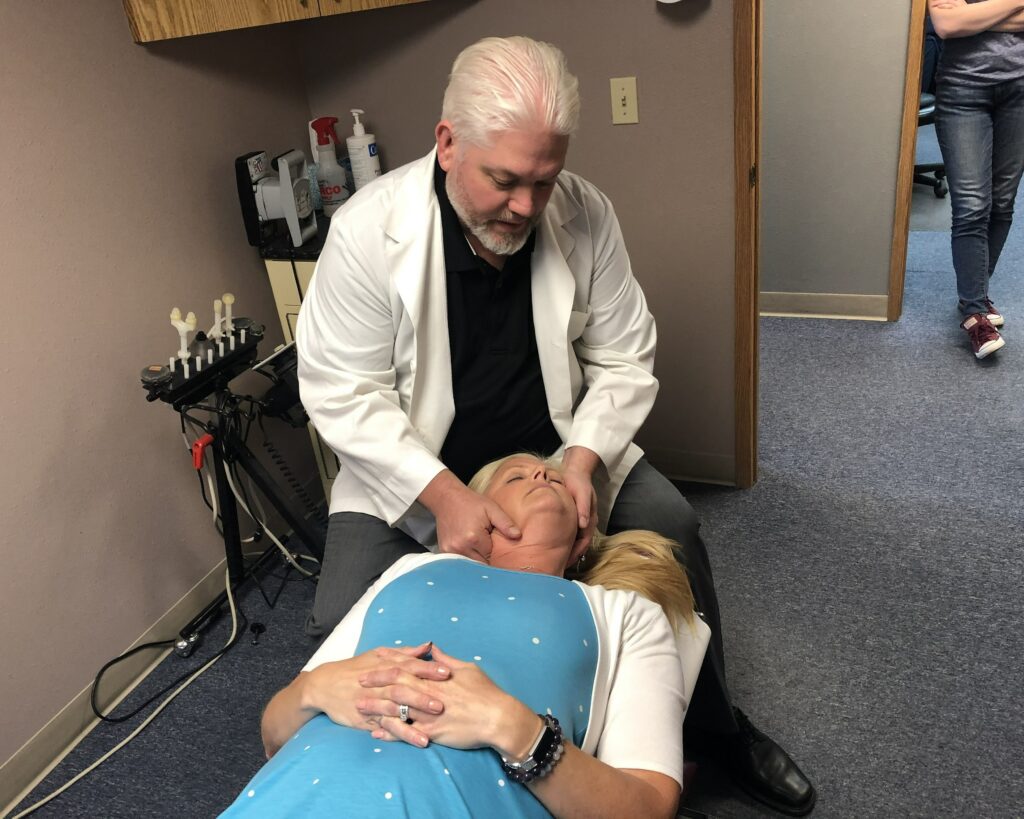
Manual therapy is another critical component of physical therapy. Through hands-on techniques, your therapist can mobilize your joints and soft tissues, reducing pain and promoting healing. This approach can enhance blood circulation, accelerating the healing process.
Additionally, modalities like heat, ice, or electrical stimulation may be incorporated into your treatment plan. These techniques can help manage pain and inflammation, making it easier for you to participate in your rehabilitation exercises.
As you progress, your therapist will continually assess your condition, adjusting your program as necessary. This ongoing evaluation guarantees you're on the right track to recovery.
Acupuncture and Its Benefits
Acupuncture offers a unique approach to sports injury relief by targeting specific points on the body to promote healing and reduce pain. This ancient practice involves inserting thin needles into predetermined points, stimulating your body's natural healing processes. If you're dealing with a sports injury, acupuncture can help alleviate pain, improve circulation, and enhance recovery time.
One of the key benefits of acupuncture is its ability to reduce inflammation. By increasing blood flow to the injured area, acupuncture enhances the delivery of oxygen and nutrients, which are essential for tissue repair. You may notice a significant decrease in pain levels after just a few sessions, allowing you to get back to your training faster.
Moreover, acupuncture can help relieve muscle tension and improve flexibility. If you often experience tightness in your muscles due to intense workouts, these targeted treatments can help loosen them up. You might find it easier to perform stretches and exercises post-session, contributing to a more effective training routine.
Additionally, acupuncture can have positive effects on your mental state. It's not uncommon for athletes to struggle with anxiety or stress related to injuries. The relaxation response triggered during acupuncture sessions can help calm your mind, improving your focus and motivation.
Cryotherapy for Recovery
Cryotherapy uses cold temperatures to reduce inflammation and speed up recovery, making it a popular choice for athletes like you.
By understanding how it works and its benefits, you can make informed decisions about incorporating it into your recovery routine.
However, it's also essential to take into account safety measures to maximize its effectiveness.
Mechanism of Cryotherapy
Utilizing extreme cold as a therapeutic method, cryotherapy effectively reduces inflammation and pain, promoting faster recovery for athletes. When you expose your body to cold temperatures, several physiological responses occur. First, the blood vessels constrict, which decreases blood flow to the affected area. This helps minimize swelling and inflammation, which are common after injuries or intense workouts.
As your body warms back up, blood flow returns to the area, carrying with it oxygen and nutrients essential for healing. This process not only helps remove metabolic waste but also stimulates the production of anti-inflammatory proteins. Additionally, the cold can numb pain receptors, providing immediate relief from discomfort.
Cryotherapy can be applied in various forms, such as localized ice packs, whole-body cryotherapy chambers, or ice baths. Each method triggers a similar response in your body, enhancing recovery.
The key is to know the right duration and temperature for effective results, ensuring you don't risk frostbite or other cold-related injuries. By understanding the mechanism behind cryotherapy, you can leverage this technique to optimize your recovery and get back to your sport sooner.
Benefits for Athletes
Athletes can experience significant advantages from incorporating cryotherapy into their recovery routines. This innovative technique helps reduce muscle soreness and inflammation, allowing you to bounce back faster after intense workouts or competitions.
By exposing your body to extreme cold, you trigger a range of physiological responses that can enhance your overall performance. Here are some key benefits you might enjoy:
- Reduced Muscle Soreness: Cryotherapy can alleviate post-exercise discomfort, helping you feel better sooner.
- Faster Recovery: With decreased inflammation, your muscles can heal more quickly, allowing you to train harder and more frequently.
- Enhanced Performance: By speeding up recovery, you can maintain a consistent training schedule, leading to improved athletic performance.
- Improved Sleep Quality: The cooling effects can lead to better sleep, essential for recovery and overall well-being.
- Boosted Mood: Cold exposure can stimulate the release of endorphins, helping to elevate your mood and motivation.
Incorporating cryotherapy into your routine can provide these benefits, making it a valuable tool for any athlete looking to optimize their recovery and performance.
Safety and Considerations
When considering cryotherapy for recovery, it's crucial to prioritize your safety and well-being. Before diving into this treatment, make sure to consult with a healthcare professional, especially if you have pre-existing conditions like asthma or cardiovascular issues. They can help determine if cryotherapy is suitable for you.
Always choose a reputable facility that follows safety protocols. Look for certified staff who can guide you through the process, ensuring you're comfortable and properly monitored. During the session, pay attention to your body. If you feel any unusual discomfort or pain, don't hesitate to speak up or stop the treatment.
It's also important to stay hydrated before and after your cryotherapy session. Adequate hydration helps your body recover more effectively and can enhance the benefits of the treatment.
Additionally, limit your exposure to extreme cold; recommended sessions typically last no longer than three minutes.
Finally, keep in mind that while cryotherapy can offer relief, it isn't a standalone solution for injuries. Integrate it into a thorough recovery plan that includes other therapies, rest, and rehabilitation exercises for the best results.
Kinesiology Tape Application
Kinesiology tape can provide significant benefits for sports injuries, helping to reduce pain and improve mobility.
You'll want to learn effective application techniques to maximize its effectiveness.
Let's explore how to properly apply kinesiology tape and the advantages it offers.
Benefits of Kinesiology Tape
Often overlooked, kinesiology tape offers significant benefits for those recovering from sports injuries. You mightn't realize it, but this flexible, elastic tape can play an essential role in your rehabilitation process.
Here are some key benefits you'll experience when using kinesiology tape:
- Pain Relief: The tape helps to alleviate pain by reducing pressure on pain receptors.
- Increased Stability: It provides support to muscles and joints without restricting your range of motion.
- Improved Circulation: Kinesiology tape promotes blood flow, which aids in the healing process.
- Reduced Swelling: By lifting the skin slightly, it allows for better lymphatic drainage, minimizing swelling in injured areas.
- Enhanced Performance: You may find that the added support boosts your confidence, allowing you to perform better during your recovery.
Incorporating kinesiology tape into your recovery routine can be a game-changer. It's a simple yet effective tool that not only helps you heal but also keeps you active.
Application Techniques Explained
Applying kinesiology tape correctly is essential for maximizing its benefits during your recovery. Start by ensuring the skin is clean and dry; this helps the tape adhere better. Cut the tape to your desired length, usually a bit longer than the area you're targeting. If you're taping a joint, consider the range of motion you want to support.
Next, peel the backing off the tape, but avoid touching the adhesive side. Apply the tape with a light stretch, especially over the injured area. Remember, you should feel support but not discomfort.
For muscle support, anchor the tape at one end, then apply it along the muscle with a slight stretch, finishing with no tension. When taping a joint, create a Y or X shape to provide stability. Make sure to round the edges of the tape to prevent peeling.
After application, rub the tape gently to activate the adhesive. Finally, give it a few minutes to settle before any physical activity. This method keeps the tape in place while allowing your body to move freely, promoting healing and reducing pain.
Massage Therapy Approaches
Exploring various massage therapy approaches can greatly enhance your recovery from sports injuries. Different techniques target specific issues, providing relief and promoting healing. By integrating massage therapy into your recovery routine, you can improve flexibility, reduce muscle tension, and alleviate pain.
Here are some effective massage therapy approaches to evaluate:
- Swedish Massage: This technique uses long, flowing strokes to increase circulation and relax the body, making it ideal for overall tension relief.
- Deep Tissue Massage: Focused on deeper muscle layers, this method helps break up scar tissue and relieve chronic pain, particularly beneficial for injuries that involve tight muscles.
- Sports Massage: Tailored for athletes, this approach combines techniques to prevent injuries, enhance performance, and aid recovery, ensuring your muscles remain in peak condition.
- Trigger Point Therapy: By targeting specific knots and tight areas, this technique helps release muscle tension and restore proper function, addressing pain at its source.
- Myofascial Release: This gentle stretching technique focuses on the fascia, the connective tissue surrounding muscles, promoting greater flexibility and reducing restrictions in movement.
Incorporating these massage techniques into your recovery plan can greatly improve your healing process. Not only will you experience physical benefits, but you'll also enjoy mental relaxation, helping you return to your sport with renewed energy and less discomfort.
Always consult with a qualified massage therapist to determine which approach aligns best with your specific needs and injury type.
Heat and Cold Therapy
Heat and cold therapy, two powerful tools in injury recovery, can greatly alleviate pain and reduce inflammation. When you experience an injury, knowing when to use heat or cold is essential for effective relief.
Cold therapy is ideal right after an injury occurs. Applying an ice pack or a cold compress for about 15-20 minutes can help reduce swelling and numb the pain. You'll want to confirm you wrap the ice in a cloth to protect your skin from frostbite. This technique works well for acute injuries, like sprains or strains, where inflammation is prominent.
On the other hand, heat therapy is beneficial for chronic injuries or muscle tension. Applying heat through a heating pad or warm towel can enhance blood flow, relax tight muscles, and alleviate stiffness. Use heat for about 15-30 minutes, but verify it's warm, not scalding, to avoid burns.
It's important to listen to your body. If you notice increased pain or discomfort while using either method, discontinue and consult a healthcare professional.
Alternating between heat and cold can also be effective for some injuries, as it can stimulate circulation and minimize swelling.
Incorporating heat and cold therapy into your recovery routine can make a significant difference. By understanding the appropriate times to use each method, you'll be better equipped to manage your pain and speed up your healing process.
Nutritional Support for Healing
After managing pain and inflammation with heat and cold therapy, you can further support your recovery through proper nutrition. The food you consume plays an essential role in healing your body and reducing recovery time. By focusing on nutrient-dense options, you can give your body the tools it needs to repair itself effectively.
Here are some important nutrients to incorporate into your diet:
- Protein: Essential for tissue repair and muscle recovery. Include lean meats, fish, legumes, and dairy.
- Omega-3 Fatty Acids: Help reduce inflammation. Sources include fatty fish, flaxseeds, and walnuts.
- Vitamins C and E: Promote collagen production and protect cells from damage. Citrus fruits, berries, nuts, and green leafy vegetables are great options.
- Zinc: Supports immune function and wound healing. You can find it in meats, shellfish, legumes, and seeds.
- Hydration: Staying well-hydrated helps maintain bodily functions and aids in nutrient transportation. Aim for plenty of water throughout the day.
Incorporating these nutrients into your meals can enhance your recovery process. Consider meal prepping to guarantee you have healthy options readily available.
You might also benefit from consulting with a nutritionist who can tailor a plan specifically for your needs. Remember, your body requires a balanced diet to heal effectively, so prioritize nutrition as a key component of your injury recovery strategy.
Conclusion
Incorporating these top sports injury relief techniques can greatly enhance your recovery and performance. Whether you're using physical therapy to regain mobility, enjoying the benefits of massage therapy, or trying cryotherapy for soreness, each method plays an essential role in your healing journey. Don't overlook the importance of nutrition and proper application of kinesiology tape, too. By combining these approaches, you'll not only recover faster but also improve your overall well-being and athletic abilities.