
Whiplash can turn a normal day into a painful blur. If you’ve been in a car accident, taken a sports hit, or experienced a sudden fall here in Gresham, neck pain and stiffness can show up right away—or sometimes days later. At Kuns Chiropractic, we see this often. Our goal is to help you understand what’s happening in your neck and why seeing a chiropractor first for whiplash is a smart, proactive step toward healing.
What is whiplash? Whiplash is a neck injury caused by a rapid back-and-forth motion—like a whip—often from car collisions, sports impacts, or falls. It can irritate joints, strain muscles and ligaments, and stress discs and nerves. Symptoms may develop over hours or days.
Table of Contents
What Whiplash Is and How It Affects Your Neck
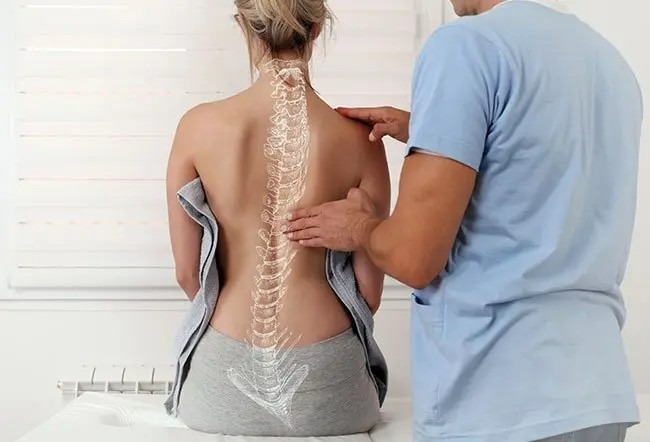
Your neck is built for movement. It supports the head, protects nerves, and allows you to look around and live your life. During whiplash, the head and neck are forced into a quick flexion–extension pattern. That fast motion can irritate the small joints in the neck (facet joints), strain muscles and ligaments, and sometimes stress discs. Even when X-rays look normal, the soft tissues and joint mechanics can be disrupted.
It’s common to feel tight and guarded after an accident. That’s your body’s protective response. But when joints stop moving well, the surrounding muscles do more work than they should. This can set up a cycle of pain, stiffness, and headaches. The good news: restoring normal motion and alignment often calms this cycle and helps your body heal.
Common Causes of Whiplash in Gresham
We see whiplash most often after rear-end car collisions on busy roads and highways around East Multnomah County, but it can also happen during sports, sudden braking, or a simple slip on wet pavement. Low-speed impacts can still create a significant neck strain, especially if your head was turned or you didn’t expect the hit.
Sports like soccer, basketball, mountain biking, and snow activities on the way to Mount Hood can also set up the classic whiplash motion. Falls at home, work, or on a trail can do the same. The specific details of your incident help us tailor your exam and care.
Signs and Symptoms You Might Notice
Whiplash symptoms vary. Neck pain and stiffness are most common. Many people also notice reduced range of motion, headaches at the base of the skull, shoulder or upper back soreness, and tenderness along the neck.
Some symptoms show up right away; others take 24–72 hours. You may feel jaw discomfort, dizziness, fatigue, or sensitivity to screens. Tingling or aching down the arm can occur if a nerve is irritated. These signs don’t necessarily mean severe damage, but they do deserve a careful evaluation.
Why See a Chiropractor First for Whiplash
Chiropractors are primary spine specialists. We evaluate spinal alignment, joint motion, muscle balance, and nerve-related symptoms. After whiplash, this is exactly what your neck needs—an expert, hands-on assessment and a plan to restore normal mechanics as early as it’s safe to do so.
Here’s why starting with chiropractic care makes sense:
- We look for the root mechanical issues. Pain relievers may reduce discomfort, but they don’t correct restricted joints or protective muscle spasm. Chiropractic aims to restore motion, reduce joint irritation, and calm the nervous system response that keeps muscles guarded.
- Care is non-invasive and focused on function. Gentle spinal adjustments and mobilization can help improve joint movement and decrease pain for many people with neck problems. Evidence from reputable sources suggests spinal manipulation and manual therapies may help some patients with neck pain improve function and reduce discomfort over time. For general background, see the U.S. National Center for Complementary and Integrative Health overview on neck pain and manual therapy options (NCCIH: Neck Pain). For a plain-language reference on whiplash symptoms and recovery expectations, MedlinePlus offers a helpful summary (MedlinePlus: Whiplash).
- We monitor safety and progress. If anything suggests you need imaging or a referral, we handle that promptly. Your plan is individualized and updated as you improve.
What to Expect at Kuns Chiropractic
On your first visit, we listen to your story. We review what happened, how your symptoms feel, and what day-to-day activities are hardest. Then we perform a focused exam. That usually includes range-of-motion testing, gentle orthopedic and neurological checks, and hands-on assessment of how each neck joint is moving.
If red flags are present or if your history suggests it, we may refer for imaging. Many whiplash cases do not require immediate imaging, but it has a place when we need to rule out fracture or other concerns.
Your care plan is designed around your tolerance. In acute phases, we often start with very gentle techniques. As you improve, we add movement and stability work to support long-term results. Typical elements may include:
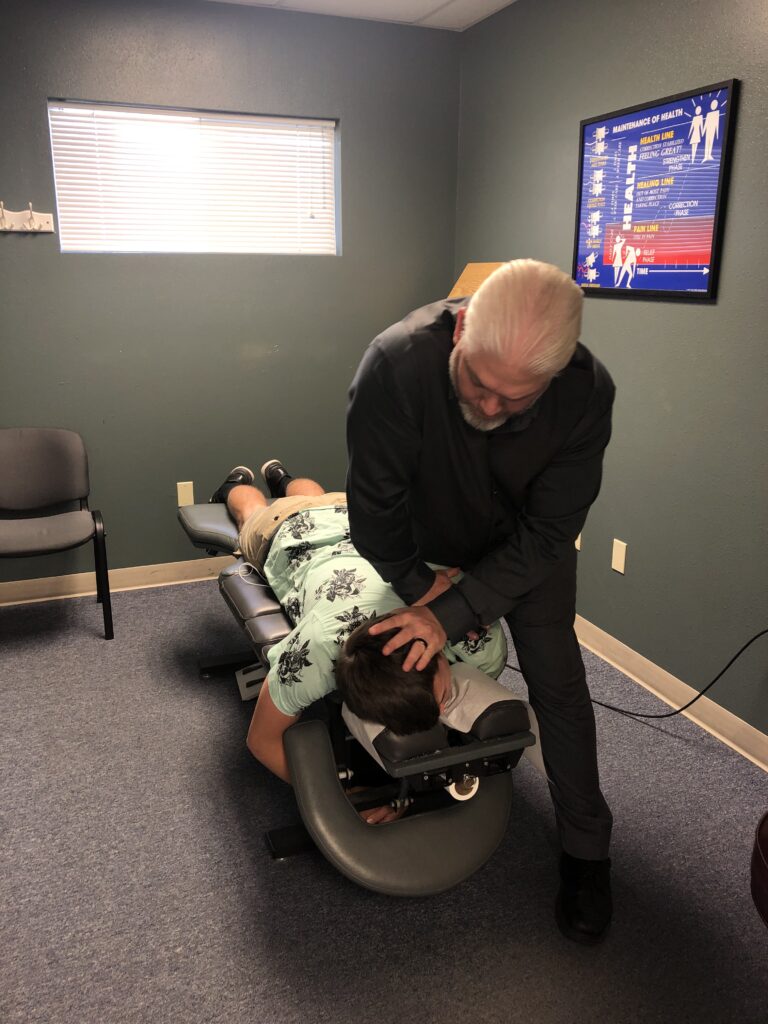
- Gentle chiropractic adjustments tailored to your comfort (low-force or instrument-assisted options are available).
- Targeted mobilization to restore joint glide without overloading tender tissues.
- Soft-tissue work to ease guarded muscles.
- Simple, progressive home movement strategies to help you keep gains between visits.
- Ergonomic and posture coaching for work, sleep, and driving.
Each plan has a clear goal: reduce pain, restore motion, and get you back to regular life with confidence.
How Chiropractic Care Helps Whiplash Recovery
Whiplash disrupts how the neck’s joints and soft tissues share load. Adjustments and mobilization help your neck move the way it’s designed to move. That can reduce joint irritation, decrease protective muscle spasm, and improve your body’s sense of position (proprioception). Better movement often means better comfort.
As pain calms, we build stability. Light, well-chosen movements help your deep neck stabilizers re-engage so larger muscles can relax. This balanced approach supports long-term relief and helps prevent recurrent flare-ups.
Every injury is different. Many people feel noticeable improvement within a few weeks, while others—especially after higher-force impacts—may take longer. Our team tracks your progress and adjusts your plan as you heal.
Simple At-Home Tips While You Heal
- Keep gentle movement going. Short, frequent movement breaks usually calm stiffness better than long rest. Avoid heavy lifting or sudden, jerky motions.
- Use cold or heat based on comfort. Cold can help early soreness; gentle heat can relax tight muscles. 10–15 minutes at a time is often enough.
- Support your neck when sleeping. A pillow that keeps your head level with your spine helps. Try side or back sleeping while you recover.
- Set up your screen at eye level. Looking down for long periods increases strain. Raise your monitor and take timed breaks.
- Hydrate and fuel your body. Muscles and connective tissues respond well to good nutrition and hydration.
- Avoid prolonged collars unless prescribed. Extended immobilization can slow recovery for many people. Gentle, guided movement is usually better.
When to See a Chiropractor—and When to Seek Medical Care
If you’ve had a car accident, sports impact, or sudden fall and your neck feels sore or stiff, it’s wise to schedule a chiropractic evaluation within the first few days—even if symptoms are mild. Early, gentle care can help restore motion and reduce the chance of lingering problems.
Seek immediate medical care (emergency or urgent care) instead of chiropractic first if you have severe neck pain, suspected fracture, loss of consciousness, progressive arm or leg weakness, loss of bowel or bladder control, significant numbness, unrelenting severe headache, repeated vomiting, difficulty walking, confusion, or any signs of head injury. Also seek prompt medical care after very high-speed crashes or if you’re on blood thinners or have known bone fragility. If you’re unsure, call us—our team will guide you to the right level of care.
Myths and Facts About Whiplash Care
| Myth | Fact |
|---|---|
| Whiplash only happens in high-speed crashes. | Even low-to-moderate speed impacts can strain the neck, especially if the hit is unexpected or your head was turned. |
| Symptoms always appear right away. | Neck pain and headaches may take hours or days to show up as inflammation builds and muscles tighten. |
| Resting in a collar is the best way to heal. | Short-term support can help in select cases, but prolonged immobilization often delays recovery. Gentle, guided movement is usually better. |
| Chiropractic is just “cracking” the neck. | Chiropractic care includes a range of gentle, precise techniques to restore motion and reduce pain. Many methods do not involve a quick thrust. |
Our Local Perspective: Healing Whiplash in Gresham
Here in Gresham, we care for neighbors who commute, coach sports, enjoy the Gorge, and keep busy lives. Whiplash can interrupt all of that. At Kuns Chiropractic, we take a calm, step-by-step approach: assess thoroughly, treat gently, and help you return to what you love with confidence.
If you’re dealing with neck pain after an accident or sudden jolt—even if it seems minor—reach out. We’re here to answer questions, check your spine, and outline a plan that fits your life.
Frequently Asked Questions
How soon after an accident should I see a chiropractor?
As soon as you can safely do so—ideally within a few days. Early evaluation helps rule out concerns, start gentle care, and reduce the chance of lingering stiffness.
How long does whiplash usually last?
Recovery timelines vary. Many people improve within a few weeks, while higher-force injuries can take longer. Your plan is adjusted to your progress.
Is chiropractic care safe after whiplash?
Yes, when delivered by a trained chiropractor after an appropriate exam. Techniques are matched to your condition and comfort, and referrals are made if needed.
Do I need X-rays or an MRI?
Not always. Imaging is used when your history or exam suggests it. Many whiplash cases can be managed safely without immediate imaging.
What if my pain shows up days after the accident?
That’s common. Inflammation and muscle guarding can increase over 24–72 hours. Schedule an evaluation so we can check your neck and start appropriate care.
Can I keep working or exercising?
Often, yes—with modifications. We’ll guide you on activity levels and safe progressions to help you stay moving while you heal.
TL;DR
- Whiplash is a rapid back-and-forth neck injury that can irritate joints, muscles, and nerves—symptoms may be delayed.
- Seeing a chiropractor first provides a focused spine evaluation and gentle, non-invasive care to restore motion and reduce pain.
- Early, guided movement usually helps recovery more than prolonged rest or immobilization.
- Seek urgent medical care for severe symptoms or red flags; otherwise, schedule a chiropractic evaluation promptly.
- Kuns Chiropractic in Gresham offers patient-centered plans to help you heal and get back to normal life.
References for general background: NCCIH: Neck Pain In-Depth; MedlinePlus: Whiplash.