
You might be surprised to learn that not all back pain is the same, and a one-size-fits-all approach rarely leads to lasting relief. By understanding your specific symptoms and lifestyle, you can uncover a personalized plan that effectively addresses your unique challenges. This tailored strategy can make a significant difference in your recovery journey, but it's essential to identify the right elements that will work for you. What factors should you consider, and how can they shape your treatment options?
Understanding Back Pain Types
Understanding the different types of back pain is essential for effective relief. Back pain can be classified into several categories, each with its own characteristics and causes. When you recognize the type of pain you're experiencing, you can take appropriate steps to address it.
Acute back pain is often sudden and intense, typically resulting from injuries, strains, or accidents. You might feel sharp or stabbing sensations, and this type usually lasts less than six weeks.
Chronic back pain, on the other hand, persists for three months or longer. It can be more challenging to diagnose, often stemming from underlying conditions like arthritis or disc issues.
You may also experience radicular pain, which occurs when nerve roots are compressed or irritated. This type of pain can radiate down your leg, making you feel discomfort in areas other than your back. Understanding this can help you communicate your symptoms more effectively to a healthcare professional.
Another type is referred pain, where discomfort originates from another part of your body but is felt in your back. For instance, kidney stones or infections can manifest as back pain. Recognizing these nuances is vital for identifying the correct treatment approach.
Lastly, you might encounter muscle spasms, which can happen when muscles tighten involuntarily. These spasms can be painful and often occur after physical exertion.
Importance of Personalized Plans
A personalized plan for back pain relief is vital because it addresses your unique needs and circumstances. Everyone experiences back pain differently, influenced by factors such as lifestyle, medical history, and personal preferences.
By tailoring a plan specifically for you, it maximizes the effectiveness of your treatment and helps you regain control over your life.
Here are three key reasons why personalized plans are so important:
1. Targeted Treatment: A one-size-fits-all approach often overlooks the underlying causes of your pain. Personalized plans focus on the specific issues affecting you, whether it's muscle imbalances, poor posture, or previous injuries.
This targeted treatment leads to more effective pain relief.
2. Increased Motivation: When a plan resonates with your lifestyle and goals, you're more likely to stick with it. Personalized plans take into account your daily routines and preferences, making it easier to integrate exercises, stretches, or other therapies into your life.
This boost in motivation can markedly enhance your progress.
3. Monitoring Progress: With a personalized plan, you can regularly assess how well the strategies are working for you. Adjustments can be made based on your progress, ensuring that your treatment remains relevant and effective.
This ongoing feedback loop is essential for long-term success.
Assessment and Diagnosis
To create an effective personalized plan for back pain relief, a thorough assessment and accurate diagnosis are vital. You need to start by discussing your symptoms with a healthcare professional. Be specific about where you feel pain, how long it's been bothering you, and any activities that worsen or relieve it. This information lays the groundwork for understanding your unique situation.
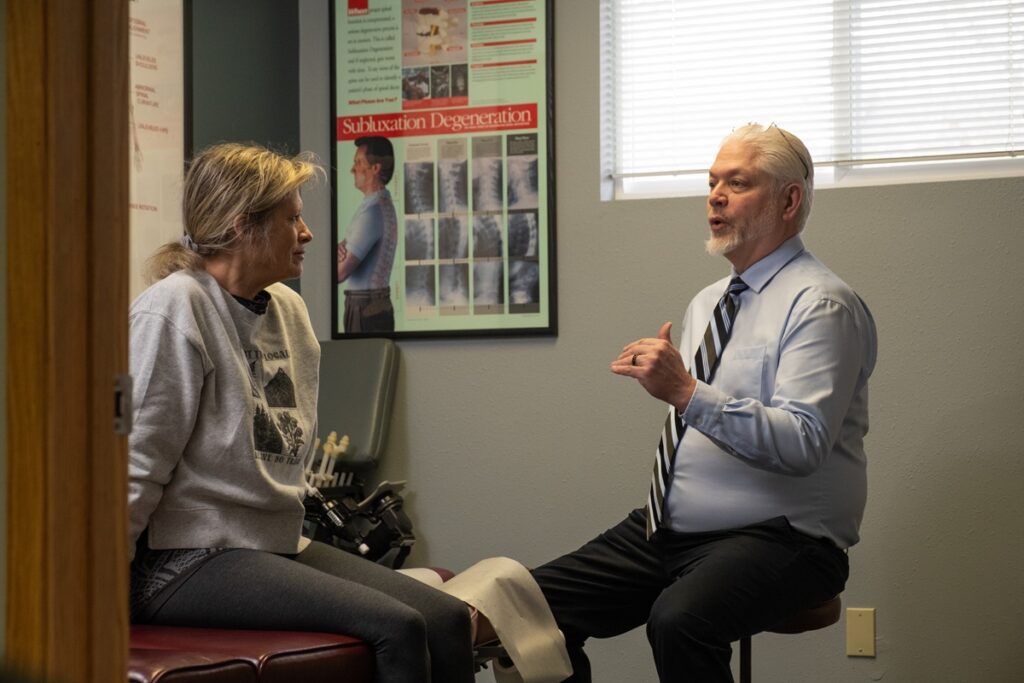
Next, your doctor may perform a physical examination. They'll likely check your posture, range of motion, and strength. This hands-on evaluation helps identify any areas of tension or weakness. Sometimes, they might ask you to perform specific movements to pinpoint the source of your discomfort.
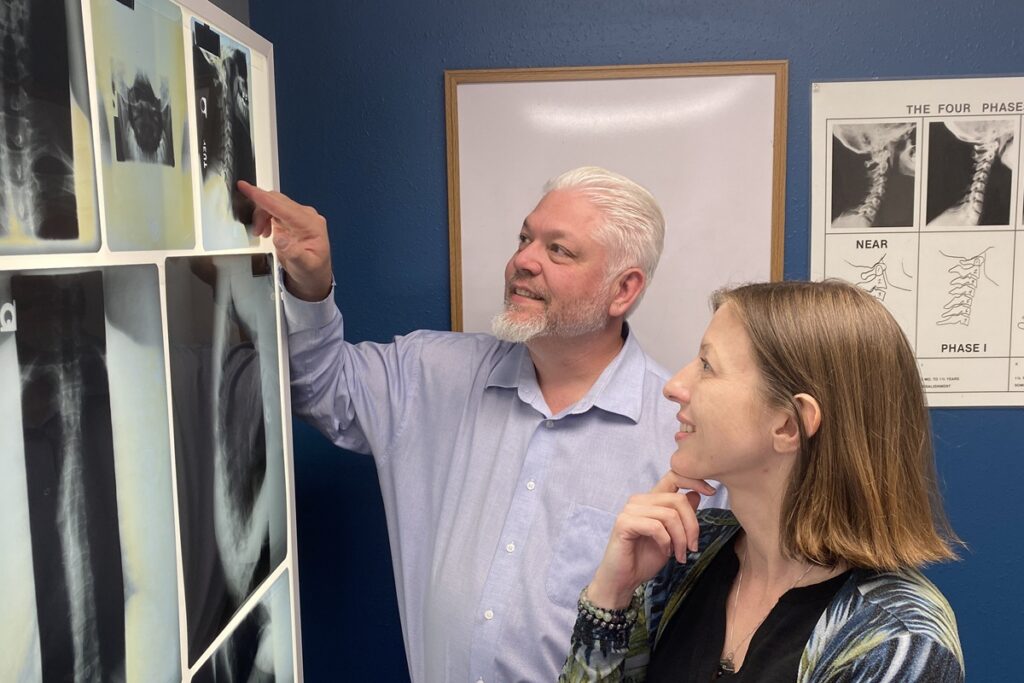
In some cases, further diagnostic tests like X-rays, MRIs, or CT scans are necessary. These imaging tests can reveal structural issues, such as herniated discs or spinal abnormalities. Knowing exactly what's happening inside your body is essential for tailoring your treatment plan.
Additionally, a thorough medical history is significant. Your doctor will want to know about previous injuries, surgeries, or existing health conditions that could contribute to your back pain. Lifestyle factors, such as your occupation and exercise habits, also play a role.
Once your assessment and diagnosis are complete, you and your healthcare provider can collaborate to design a personalized plan. By understanding the specific causes of your back pain, you can take targeted steps toward relief that truly fit your needs.
Physical Therapy Options
When it comes to back pain relief, physical therapy offers tailored treatment approaches that fit your specific needs.
You'll explore various techniques designed for effective pain management, helping you regain mobility and strength.
Let's look at how these options can support your recovery journey.
Tailored Treatment Approaches
Many individuals dealing with back pain find that tailored treatment approaches, particularly through physical therapy, can greatly enhance their recovery.
By customizing your therapy plan, you can address your unique needs and improve your overall well-being.
Here are three key components of a tailored physical therapy approach:
- Evaluation and Diagnosis: Your physical therapist will begin by evaluating your specific condition, identifying the root causes of your pain. This significant step guarantees that your treatment plan targets the right areas.
- Personalized Exercise Programs: Based on the evaluation, your therapist will design a series of exercises tailored to your strength, flexibility, and mobility levels. These exercises not only help in relieving pain but also promote long-term spinal health.
- Progress Monitoring: Regular follow-ups allow your therapist to track your progress and make necessary adjustments to your treatment plan. This ongoing appraisal guarantees that you're on the right path toward recovery and can adapt to any changes in your condition.
Techniques for Pain Management
How can physical therapy techniques help you manage back pain effectively?
Physical therapy offers targeted strategies to alleviate pain and improve function. One key technique is therapeutic exercises, which strengthen your back and core muscles, enhancing stability and reducing strain. A trained therapist can develop a personalized exercise regimen tailored to your needs.
Manual therapy is another effective option. This hands-on technique involves the therapist manipulating your spine and surrounding tissues to relieve tension and improve mobility.
Stretching exercises are also essential, as they can enhance flexibility and decrease stiffness, making daily activities easier.
Additionally, modalities like heat, ice, and electrical stimulation can be integrated into your treatment plan. These techniques help reduce inflammation and relieve pain by promoting blood flow and relaxing tight muscles.
Education is a significant component of physical therapy. Your therapist can teach you proper body mechanics and posture, which are necessary for preventing future injuries.
By actively engaging in your treatment plan and practicing these techniques, you can take control of your back pain and enhance your overall quality of life.
Lifestyle Modifications
Making lifestyle modifications can greatly impact your journey toward back pain relief. By making small but meaningful changes, you can reduce pain and improve your overall health.
Here are three key adjustments you can implement:
1. Stay Active: Engaging in regular physical activity strengthens your muscles and improves flexibility. Aim for low-impact exercises like walking, swimming, or yoga. These activities help support your spine and alleviate tension.
2. Maintain Good Posture: Whether you're sitting, standing, or lifting, proper posture plays an essential role in back health. Keep your shoulders back and your spine straight.
When sitting, use ergonomic chairs that support your lower back. When lifting objects, bend at your knees and keep your load close to your body.
3. Manage Your Weight: Carrying excess weight puts additional strain on your back. Focus on a balanced diet filled with whole foods, fruits, and vegetables.
Staying hydrated also helps keep your muscles and joints functioning efficiently.
Alternative Therapies
Exploring alternative therapies can offer you new avenues for back pain relief, complementing traditional treatments. These therapies often focus on holistic approaches, addressing not just the physical aspects of pain but also the emotional and psychological factors involved.
One popular alternative therapy is acupuncture. By inserting thin needles into specific points on your body, acupuncture aims to promote energy flow and relieve pain. Many people find it effective for reducing back pain, often experiencing relief after just a few sessions.
Chiropractic care is another option worth considering. Chiropractors use hands-on manipulation to align your spine and improve overall function. Regular adjustments may help alleviate tension, restore mobility, and enhance your body's healing abilities.
Massage therapy is also beneficial. It can relax tense muscles, improve circulation, and reduce stress, which may contribute to back pain. Whether you choose deep tissue, Swedish, or trigger point massage, finding a skilled therapist can make a significant difference in your comfort and recovery.
Yoga and Pilates are effective for improving flexibility, strength, and posture, all of which can alleviate back pain. These practices emphasize body awareness and proper alignment, helping you develop a stronger core and reduce the risk of future injuries.
Lastly, herbal remedies and supplements, like turmeric or ginger, may provide anti-inflammatory benefits. However, it's essential to consult with a healthcare professional before starting any new treatment to verify it's safe and appropriate for your condition.
Embracing these alternative therapies could be a game-changer on your journey to back pain relief.
At-Home Relief Techniques
Many effective at-home relief techniques can help you manage back pain without the need for constant medical intervention. By incorporating these methods into your daily routine, you can find significant relief and improve your overall well-being.
1. Stretching Exercises: Gentle stretching can help alleviate tension in your back muscles. Spend a few minutes each day performing stretches that target your back, hips, and legs.
Focus on movements that promote flexibility and reduce stiffness. Yoga and pilates are excellent options to contemplate.
2. Heat and Cold Therapy: Alternating between heat and cold can provide immediate relief. Use a heating pad or warm towel on tense muscles for about 15-20 minutes.
Follow this with a cold pack to reduce inflammation and numb pain. Repeat as needed throughout the day, but avoid applying extreme temperatures directly to your skin.
3. Posture Improvement: Paying attention to your posture can make a world of difference. Whether you're sitting at your desk or standing, make sure your spine is aligned, and your shoulders are relaxed.
Think about using ergonomic furniture or cushions to support your back during long periods of sitting.
Incorporating these at-home relief techniques can empower you to take control of your back pain management. By being proactive and consistent, you'll likely notice improvements in your daily comfort and overall quality of life.
Don't hesitate to experiment with different methods to find what works best for you!
Working With Professionals
When you're struggling with back pain, working with professionals can make a big difference.
They'll assess your condition using expert techniques and create a tailored treatment plan just for you.
This personalized approach can help you find relief more effectively than trying to manage it on your own.
Expert Assessment Techniques
A thorough assessment by a healthcare professional is essential for developing a personalized plan to relieve back pain. This evaluation helps pinpoint the cause of your discomfort and guides the most effective treatment options.
Here are three key assessment techniques that professionals often use:
- Physical Examination: Your healthcare provider will examine your posture, flexibility, and strength. They'll also assess any areas of tenderness or discomfort to understand how your back pain is affecting your daily life.
- Medical History Review: Discussing your medical history is vital. Your provider will ask about past injuries, existing conditions, and any treatments you've previously tried. This information helps them tailor their approach to your unique situation.
- Diagnostic Imaging: In some cases, your provider may recommend imaging tests like X-rays or MRI scans. These tests can reveal structural issues or conditions that might be contributing to your back pain.
Tailored Treatment Approaches
Working closely with healthcare professionals can greatly enhance your journey toward effective back pain relief. These experts—whether they're doctors, physical therapists, or chiropractors—can provide invaluable insights tailored to your specific condition. They'll assess your situation and help craft a targeted treatment plan that fits your lifestyle and needs.
When you collaborate with these professionals, you gain access to a variety of treatment options. They may recommend physical therapy to strengthen your back muscles, or they might suggest medication to manage your pain. In some cases, they could advise alternative therapies like acupuncture or massage.
You can also explore ergonomic assessments for your workspace, ensuring that your daily environment supports your recovery.
Your involvement is essential. Stay open and honest about your symptoms, preferences, and any concerns. This communication will empower your healthcare team to adjust your plan as needed.
Conclusion
In summary, finding a personalized plan for back pain relief is essential for your recovery journey. By understanding your unique symptoms and lifestyle, you can work with professionals to create a tailored strategy that suits your needs. Incorporating physical therapy, lifestyle changes, and alternative therapies can greatly improve your well-being. Remember, ongoing assessment and adjustments are key to staying on track. Take charge of your health today and start your path toward long-lasting relief from back pain!