
You've probably noticed that back pain can vary greatly from person to person, making a one-size-fits-all approach ineffective. That's where personalized back pain plans come into play; they're designed to address your unique triggers and needs, ultimately leading to better outcomes. By tailoring treatment strategies to your specific situation, you can not only manage your pain more effectively but also improve your overall mobility and quality of life. So, what are the key components that make these plans successful, and how can you start to create one for yourself?
Understanding Back Pain Variability
Understanding back pain variability is essential for effective management and treatment. Your experience with back pain isn't just about the physical sensation; it's influenced by a mix of factors including your lifestyle, emotional state, and even your genetics.
You might notice that some days, your pain feels more intense, while other days, it seems to fade. This fluctuation can be frustrating, but recognizing its variability is the first step toward finding relief.
Different types of back pain exist, from sharp, acute pain to dull, chronic discomfort. Acute pain often stems from injuries or strains, while chronic pain can linger for months or even years, often without a clear cause.
You might also experience pain that radiates to other areas, like your legs or hips, which can complicate your understanding of the root cause.
Your personal history plays a significant role in how you perceive and react to back pain. Factors like previous injuries, existing health conditions, and even your emotional resilience can shape your pain experience.
Stress and anxiety can amplify your perception of pain, making it feel worse than it actually is.
The Role of Personalization
Personalization is key when it comes to managing your back pain effectively.
By identifying your unique pain triggers and applying tailored treatment approaches, you can see significant improvements.
Plus, regular monitoring of your progress guarantees that your plan evolves with your needs.
Unique Pain Triggers
Every individual experiences back pain differently, influenced by a variety of unique triggers. You might find that your pain flares up after sitting for long periods, while someone else feels it after lifting heavy objects.
These triggers can stem from lifestyle habits, previous injuries, or even emotional stress. Identifying what specifically aggravates your back pain is vital for managing it effectively.
For instance, if you've noticed that specific exercises or movements lead to discomfort, it's important to take note.
Environmental factors, like your workspace ergonomics or even your mattress, can also play a significant role in how your back feels. Your body's mechanics and posture during daily activities can trigger pain, too.
Tailored Treatment Approaches
Recognizing your unique pain triggers opens the door to tailored treatment approaches that can greatly enhance your back health. Instead of a one-size-fits-all solution, personalized strategies focus on what works best for you.
Here are four key elements to reflect on when creating your tailored plan:
- Physical Therapy: Customized exercises can strengthen specific muscle groups, improving flexibility and reducing pain.
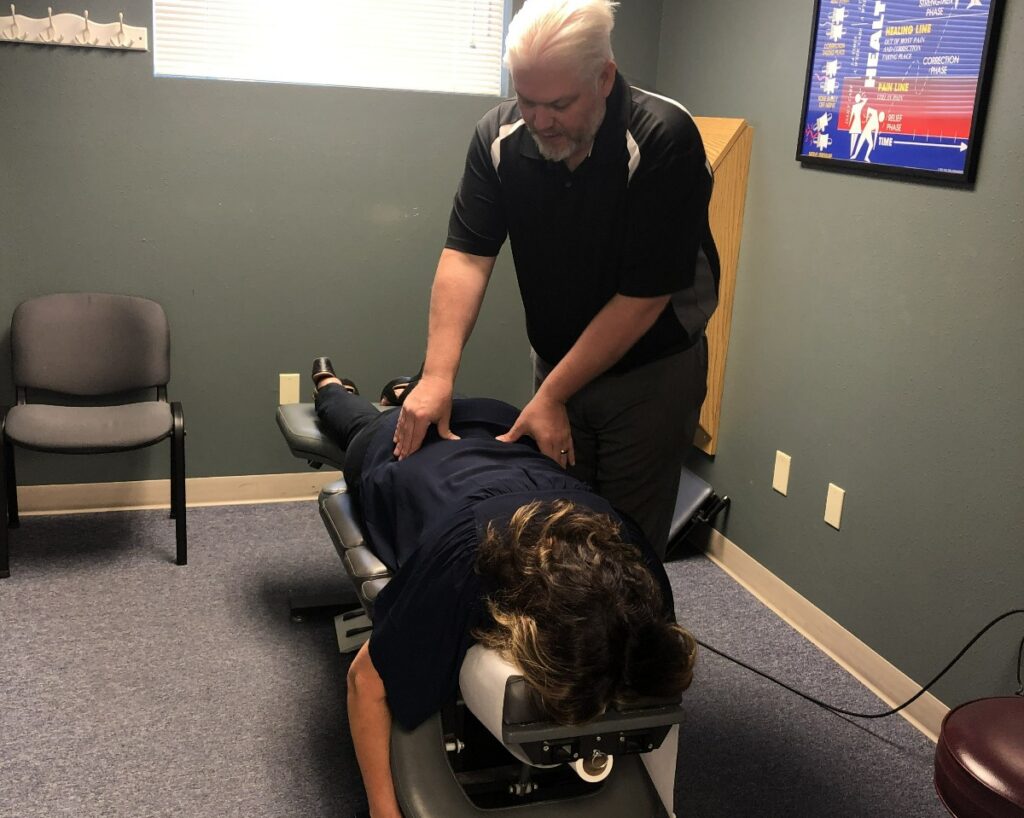
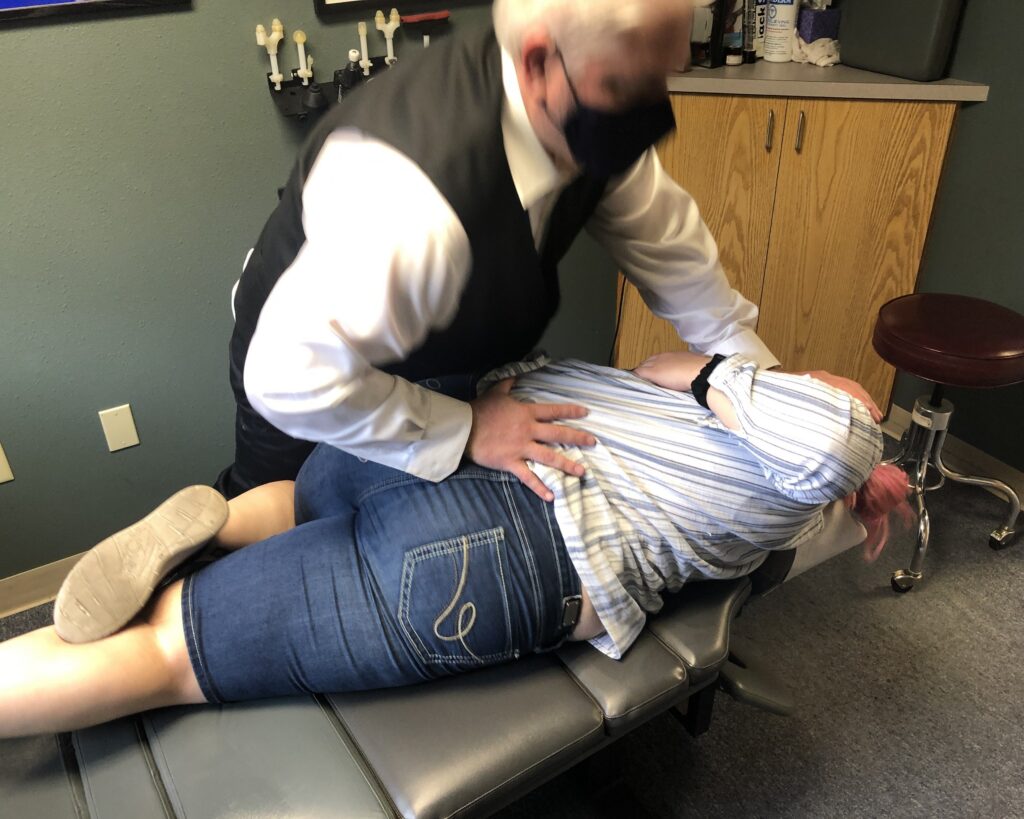
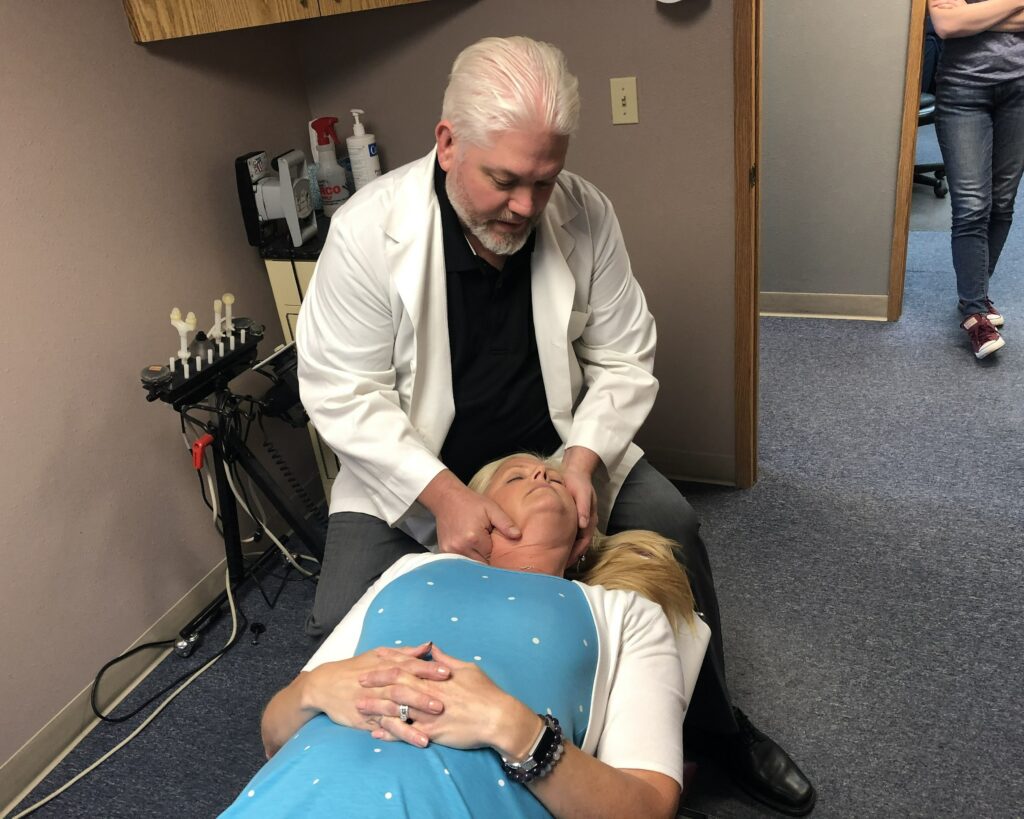
- Pain Management Techniques: Explore options like acupuncture, massage therapy, or chiropractic adjustments that cater to your specific needs.
- Lifestyle Modifications: Adjusting your daily habits—like posture, ergonomics at work, or sleep positions—can considerably impact your back health.
- Nutrition and Supplements: A balanced diet and the right supplements can support overall wellness and aid in pain relief.
Individual Progress Monitoring
Monitoring your progress is essential for ensuring your back pain plan is effective and tailored to your specific needs. Regularly evaluating how your body responds to treatment helps you identify what's working and what isn't. You can't rely solely on a one-size-fits-all approach; your experiences and feedback are vital in shaping your journey to recovery.
As you track your progress, you'll want to pay close attention to your pain levels, mobility, and daily activities. Are you noticing improvements, or do certain exercises exacerbate your discomfort? By keeping a detailed log, you can provide your healthcare provider with valuable insights, enabling them to adjust your treatment plan accordingly.
Additionally, individual progress monitoring allows you to celebrate small victories. Recognizing the positive changes in your condition can boost your motivation and commitment to the plan. When you see tangible results, it reinforces that your personalized approach is working.
Ultimately, your back pain management is a dynamic process. By actively engaging in progress monitoring, you're not just a passive recipient of treatment; you're an integral part of your healing journey, ensuring your plan remains relevant and effective.
Key Components of Effective Plans
Crafting an effective back pain plan hinges on understanding your unique needs and circumstances.
You're not just another statistic; your experience, lifestyle, and preferences shape what'll work for you.
To create a personalized plan, focus on these key components:
1. Assessment and Diagnosis: Start with a thorough evaluation by a healthcare professional. Understanding the root cause of your pain helps tailor the approach effectively.
2. Customized Exercise Regimen: Incorporate exercises that suit your specific condition and fitness level. Strengthening your core and improving flexibility can greatly alleviate pain.
3. Pain Management Strategies: Explore various pain relief options, such as physical therapy, medications, or alternative therapies like acupuncture.
What's effective for one person may not be for another, so find what eases your discomfort.
4. Lifestyle Modifications: Consider how daily habits impact your back pain.
Ergonomic adjustments at work, proper lifting techniques, and maintaining a healthy weight are essential in managing pain.
Benefits of Tailored Approaches
When it comes to managing back pain, a tailored approach can make all the difference. By addressing your specific needs, a personalized plan helps you target the root causes of your discomfort rather than just masking the symptoms. You're not just another case; your unique situation demands a strategy that suits your lifestyle, physical condition, and pain triggers.
One major benefit of a tailored approach is improved effectiveness. Generic treatments often overlook the nuances of your individual experience, leading to limited results. With a custom plan, you can incorporate targeted exercises and therapies that directly address your pain, enhancing recovery and overall well-being.
Additionally, personalized plans foster greater motivation and adherence. When you see a plan designed just for you, you're more likely to stick with it. You'll feel empowered, knowing that the exercises and strategies are built around your specific challenges and goals. This sense of ownership can elevate your commitment to the process.
Moreover, a tailored approach often includes ongoing assessments and adjustments. As you progress, your needs may change, and a flexible plan can evolve with you. This adaptability guarantees you're always on the right track, minimizing setbacks and maximizing your potential for relief.
Ultimately, personalized back pain plans not only aim to alleviate your discomfort but also to enhance your quality of life. By investing in a tailored approach, you're making a commitment to your health that can lead to lasting results.
Success Stories and Case Studies
You'll find that many people have transformed their lives through personalized back pain plans.
These real-life examples showcase how tailored treatments can lead to impactful recovery journeys.
Let's explore some of these inspiring success stories that highlight the effectiveness of customized approaches.
Real-Life Transformations
Many individuals have experienced remarkable transformations in their battle against back pain through personalized plans. These real-life success stories highlight how tailored approaches can lead to significant improvements in quality of life. You might be surprised by the diverse ways people have overcome their struggles:
- Enhanced Mobility: Many have regained the ability to perform daily activities without discomfort, allowing them to enjoy life fully again.
- Reduced Pain Levels: Individuals have reported substantial reductions in pain, enabling them to engage in exercises they previously avoided.
- Improved Mental Well-Being: With less pain, many have experienced a boost in their mental health, reducing anxiety and depression associated with chronic pain.
- Increased Confidence: As individuals conquer their back pain, they often find newfound confidence, empowering them to pursue new hobbies and interests.
These transformations illustrate the profound impact personalized back pain plans can have. By focusing on your unique needs, you can release your potential for a pain-free life.
Whether it's returning to a favorite sport or simply enjoying everyday tasks, the right plan can make all the difference.
Tailored Treatment Examples
To truly appreciate the effectiveness of personalized back pain plans, consider these compelling case studies that showcase the unique strategies tailored to individual needs.
One client, Sarah, struggled with chronic lower back pain that affected her ability to work and engage in activities she loved. After a thorough assessment, her plan included a mix of physical therapy, specific strengthening exercises, and mindfulness practices. Within months, she reported significant improvement and regained her active lifestyle.
Another example is Mike, who experienced acute pain after lifting heavy furniture. Instead of a generic approach, his treatment focused on targeted interventions, including manual therapy and ergonomic adjustments at work. This customized regimen not only alleviated his pain but also educated him about proper lifting techniques to prevent future injuries.
Lastly, consider Emma, whose back pain stemmed from stress and poor posture. Her personalized plan incorporated posture correction exercises and stress management techniques, enabling her to address both physical and emotional triggers.
These case studies illustrate how tailored treatments can lead to profound improvements, empowering individuals to reclaim their lives and enjoy daily activities without the burden of pain.
Impactful Recovery Journeys
Countless individuals have transformed their lives through personalized back pain plans, showcasing the power of tailored recovery journeys.
You might be surprised by how varied these journeys can be, each highlighting unique strategies that worked for different individuals.
Here are four impactful success stories that illustrate the potential of personalized plans:
- Sarah's Strength: After years of chronic pain, Sarah customized her plan to include strength training and yoga. This combination helped her regain mobility and confidence.
- James' Journey: James struggled with debilitating pain that affected his work. By working with a specialist, he discovered that physical therapy and regular chiropractic adjustments greatly reduced his discomfort.
- Lisa's Lifestyle Change: Lisa integrated mindfulness and meditation into her routine. This mental shift, combined with targeted exercises, allowed her to manage pain more effectively.
- Tom's Education: Tom learned about ergonomics and posture correction through his personalized plan. Implementing these changes at work led to a remarkable decrease in his back pain.
These journeys remind us that a tailored approach can lead to meaningful recovery, encouraging you to explore your own personalized back pain plan.
How to Get Started
As you begin your journey to create a personalized back pain plan, it's essential to first assess your specific pain triggers and symptoms. Take note of when your pain occurs, its intensity, and any activities that exacerbate or relieve it. This self-assessment will provide a foundation for your plan and help you identify patterns that may not be immediately obvious.
Next, consider consulting a healthcare professional. They can provide insights into your condition and recommend diagnostic tests if necessary. This step is important in ruling out serious underlying issues and ensuring you're addressing your pain effectively.
Once you have a clear understanding of your pain, start exploring various treatment options. These may include physical therapy, medication, lifestyle changes, and alternative therapies like acupuncture or yoga. Experimenting with different approaches allows you to find what works best for you.
In addition, prioritize building a support network. Sharing your experiences with friends, family, or support groups can provide motivation and encouragement. You're not alone in this journey, and connecting with others can make a significant difference.
Lastly, set realistic goals for your recovery. Focus on gradual improvements rather than expecting immediate results. Track your progress regularly, adjusting your plan as needed.
Conclusion
To sum up, embracing a personalized back pain plan can transform your journey to recovery. By recognizing the unique aspects of your pain and tailoring strategies to fit your lifestyle, you're more likely to achieve lasting relief and regain mobility. Remember, it's not just about alleviating discomfort; it's about empowering yourself to live a fuller life. So take the first step today, and explore how a customized approach can make all the difference for you.