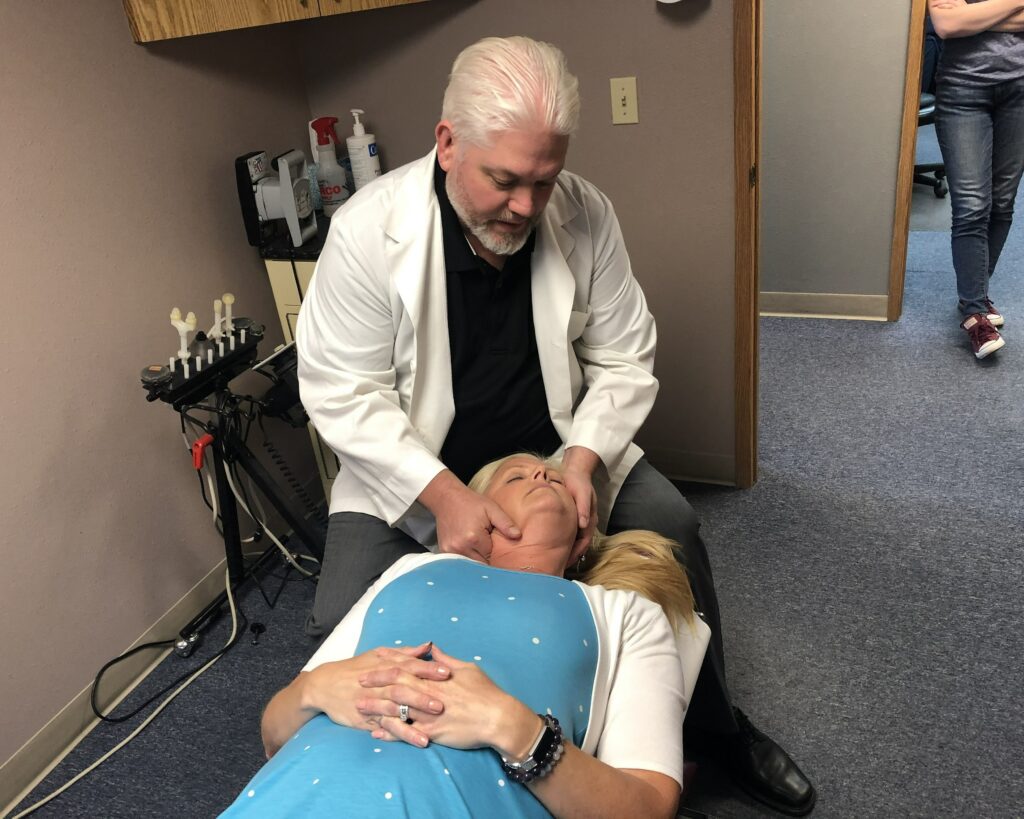

When considering chiropractic care for young children, it's essential to focus on techniques that not only address their physical health but also nurture their emotional well-being. Building trust through clear communication and creating a welcoming, child-friendly environment can significantly enhance their experience. By incorporating playful elements into our practice and involving parents in the process, we foster collaboration and understanding. So, what specific strategies can we use to make each visit more beneficial for your child? Exploring these approaches could transform your child's experience with chiropractic care and natural healing.
Building Trust With Children
When it comes to building trust with patients, especially those who may not be familiar with chiropractic care, consistency and patience play crucial roles. Patients thrive in environments where they feel secure and understood. By being consistent in your approach and treatment plans, you create a reliable atmosphere that fosters trust.
If you promise to provide a specific treatment or follow-up care, it's essential to follow through. This predictability reassures patients that they can count on you for their health and well-being.
It's also important to be patient. Trust in the healing process isn't built overnight; it takes time. When a patient expresses hesitation or concern about their treatment, your gentle encouragement can make a significant difference.
Rather than pushing them to commit to a treatment plan immediately, allow them the space to ask questions and process the information. Respecting their comfort level demonstrates that you value their feelings, which strengthens your professional relationship.
Another effective way to build trust is through active listening. When a patient shares their symptoms or concerns, show them you're genuinely interested in their experience. Maintain eye contact, nod, and respond thoughtfully to what they say.
This engagement not only affirms their feelings but also communicates that their voice matters in their own healing journey.
Additionally, being honest about your own experiences within the field can enhance trust. If there are challenges in treatment that you're facing or if you're learning something new, sharing that with your patients can create a sense of transparency.
This vulnerability humanizes you as their chiropractor and makes it easier for them to relate to you, fostering a deeper connection.
Effective Communication Strategies
How can effective communication transform your practice as a chiropractor working with young children? It's vital for building trust and ensuring that kids feel comfortable and understood during their visits. By using age-appropriate language, you make chiropractic concepts accessible, allowing children to express their feelings and concerns freely. Instead of using complex terminology, try to explain things in simple terms that relate to their own experiences. This not only alleviates any anxiety they may have but also creates a nurturing environment.
Active listening is a crucial skill in this process. When you truly focus on what the child is saying, you validate their feelings and encourage them to share more about their discomfort or fears. Use affirming gestures like nodding, maintain eye contact, and respond positively to what they express. This approach not only makes them feel appreciated but also enhances the quality of information you gather during your consultations.
Nonverbal communication is equally important. Your body language, facial expressions, and tone of voice can convey warmth and reassurance. A gentle smile or a calming touch can significantly ease a nervous child's mind.
Additionally, involving caregivers in the conversation is beneficial. Encourage parents or guardians to share insights about their child's habits, fears, and preferences regarding chiropractic care. This collaborative approach not only deepens your understanding but also helps in creating a tailored care plan that best supports the child's needs.
Lastly, always exercise patience. Young children might take longer to articulate their thoughts or feelings. By fostering an open and supportive dialogue, you create an environment where they feel empowered to communicate. This not only enriches their experience but also promotes better health outcomes through effective chiropractic care.
Utilizing Play Therapy
Chiropractic care provides a distinctive approach to connect with your overall well-being, especially for children.
By incorporating gentle adjustments and holistic practices, we create a nurturing environment where young ones can thrive both physically and emotionally.
In this section, we'll delve into the benefits of chiropractic care for children and share techniques that can help you understand and implement these natural healing methods effectively.
Through our care, we aim to support their growth, enhance their comfort, and foster a healthy lifestyle.
Benefits of Play Therapy
As a local chiropractor, I want to share the unique benefits of play therapy, particularly for young children, and how it aligns with our holistic approach to health and well-being.
Play therapy provides a safe space for children to express their emotions and experiences, often in ways they may find difficult to articulate verbally. Through the medium of play, children can communicate their thoughts and feelings, giving us valuable insights into their inner worlds.
One of the remarkable advantages of play therapy is its potential to alleviate anxiety. When children engage in play, they tend to feel more at ease and open up, enabling them to confront their fears and the stressors they face. This is similar to how chiropractic care helps reduce physical tension and promotes relaxation in the body, leading to improved emotional well-being.
Additionally, play therapy nurtures emotional regulation in children, teaching them how to manage their feelings in constructive ways. This is akin to how chiropractic care encourages proper alignment and balance in the body, fostering an overall sense of health and stability.
Moreover, play therapy promotes creativity and problem-solving skills. As children navigate various scenarios during therapy sessions, they learn to think critically and explore different solutions. This cognitive development is essential, just as maintaining proper spinal health supports overall brain function and decision-making capabilities.
Furthermore, play therapy enhances the bond between the child and caregiver. By participating in these sessions, parents can gain deeper insights into their child's experiences and collaborate on strategies to support their emotional health. This partnership is similar to the collaborative relationship we strive to create with our patients, where we work together to achieve optimal health outcomes.
In summary, play therapy offers a holistic approach to addressing the diverse needs of young children, much like chiropractic care supports the body's natural healing processes.
Techniques for Implementation
Incorporating chiropractic care into your wellness routine involves a few effective techniques that can significantly enhance your overall health and well-being.
First, it's essential to create a welcoming environment in your mind and body. Just as we make our clinic inviting with calming colors and soothing music, you can cultivate a peaceful atmosphere at home to help you relax and open yourself up to the healing process.
Next, explore different types of chiropractic techniques, such as spinal adjustments, soft tissue therapy, or therapeutic exercises. Each method allows your body to express its needs and promotes healing in ways that feel natural. For instance, you might benefit from specific adjustments that relieve tension or exercises that strengthen your core and support your spine.
Additionally, it's important to actively listen to your body during treatments. Pay attention to how you feel before and after each session, and communicate these sensations with your chiropractor. This feedback helps us understand your unique needs and tailor the care to ensure you feel supported and understood throughout your healing journey.
Lastly, involve your family in your wellness process when appropriate. Educating them about chiropractic care can provide continuity in your health practices and support your recovery outside of our sessions.
Creating a Child-Friendly Environment
Creating a child-friendly environment is essential for fostering comfort and security in young children, especially in a chiropractic setting. When kids feel safe and relaxed, they're more likely to engage positively with their surroundings and the care they receive.
As a local chiropractor, I want to ensure that both you and your children feel at ease during your visits. Here are some practical steps we take to create a welcoming atmosphere:
- Use bright colors: We incorporate cheerful and vibrant colors in our decor to create an inviting atmosphere that captures children's attention and makes them feel happy.
- Provide comfortable seating: Our furniture is child-sized and designed for comfort, allowing kids to relax and feel at home while they wait for their appointments.
- Incorporate play areas: We've designated spaces filled with age-appropriate toys and activities, giving children the opportunity to play and explore while they wait, which helps ease any anxiety they may have.
- Create visual aids: We use pictures and illustrations to explain chiropractic procedures and the benefits of natural healing, making it easier for young children (and their parents) to understand what to expect.
- Guarantee safety: We prioritize safety by removing potential hazards and using childproof locks, ensuring that our environment is secure for curious little ones.
Engaging Parents in Care
As a local chiropractor, I understand that introducing chiropractic care to your family can feel overwhelming, especially if you're not familiar with the benefits it offers.
It's important to realize that while a child-friendly environment is crucial for a positive experience, your involvement as a parent plays an equally vital role in your child's health journey.
I encourage you to actively engage in discussions during your visits. Don't hesitate to ask questions about your child's condition, the treatment plan we recommend, and what outcomes you can expect.
This dialogue not only helps you gain a clearer understanding of the process but also builds a trusting relationship between you and our practice.
It's also essential to encourage your child to share their feelings about coming in for treatments. By acknowledging and validating their emotions, you help create a more comfortable environment.
Sharing these insights with me allows me to adapt my approach to better meet your child's unique needs.
As we discuss techniques and exercises that you can implement at home, your participation becomes key. Engaging in these practices reinforces the care your child receives during our visits and can significantly impact their recovery and overall well-being.
Remember to celebrate the small victories along the way. Recognizing even minor progress can boost your child's confidence and motivation.
By fostering a supportive atmosphere, you're not just enhancing their chiropractic experience; you're instilling the values of health and wellness that will benefit them for a lifetime.
Ultimately, your active engagement transforms pediatric chiropractic care into a collaborative journey.
Together, we can ensure that your child receives the best possible support on their path to recovery, promoting a healthier and happier future.
Understanding Developmental Stages
As a local chiropractor, I want to emphasize the importance of understanding the developmental milestones that young children experience as they grow. Recognizing these key stages can help us support their overall health and well-being more effectively.
One crucial aspect of this growth is play, which significantly influences both physical and cognitive development. When children engage in play, they're not just having fun; they're also developing essential skills that contribute to their physical health and alignment.
As they explore their environment, their bodies undergo various changes that can impact their spinal health. By understanding these milestones and the role play has in their growth, we can better support their natural healing processes and promote a healthy spine from an early age.
Incorporating chiropractic care into your child's routine can help ensure that their developing body is properly aligned, allowing them to thrive in their playful explorations.
Let's work together to foster their development through natural healing practices!
Key Developmental Milestones
Understanding key developmental milestones is crucial not only for parents but also for those of us in the chiropractic field who care for young children. As a chiropractor, I emphasize the importance of monitoring these milestones to gauge a child's growth and overall well-being.
By understanding these developmental markers, we can better support physical, cognitive, and social development, ensuring children are on the right track and identifying any potential concerns early.
Here are some significant milestones to keep an eye on:
- Motor Skills: Rolling over, sitting up, crawling, and walking are vital physical milestones. These movements aren't just signs of development; they also indicate the proper functioning of the nervous system and musculoskeletal health, which are areas we can help optimize through gentle adjustments and care.
- Language Development: Language skills progress rapidly from cooing and babbling to forming simple sentences. A well-aligned spine can support better nerve function, which is essential for communication skills.
- Social Interaction: Look for signs of attachment, playfulness, and the ability to engage with others. Healthy physical development can enhance a child's confidence in social settings, allowing them to express themselves more freely.
- Cognitive Skills: Skills such as problem-solving, understanding cause and effect, and recognizing shapes and colors are key indicators of cognitive growth. Chiropractic care can improve overall brain function by ensuring that the nervous system is operating optimally.
- Emotional Development: Watch for emotional expressions, self-soothing behaviors, and the capacity to form bonds with caregivers. A healthy spine can contribute to a child's emotional well-being by reducing stress and promoting relaxation.
Age-Specific Behavioral Traits
As individuals progress through various life stages, their physical well-being and interactions with chiropractic care can vary significantly.
In infancy, children primarily communicate through basic cues, and their reliance on caregivers for comfort and support extends to their physical health. Chiropractic care can assist in addressing issues like colic or discomfort, providing gentle adjustments that support their overall development.
As children transition into toddlerhood, their natural curiosity drives them to explore their environment. This exploration, while vital for their growth, can also lead to falls and minor injuries.
Chiropractic care can play a crucial role in ensuring their spine and nervous system are functioning optimally during this active phase, helping to manage any discomfort they might experience from their adventurous spirit.
In the preschool years, as children begin to develop social skills and engage in cooperative play, it's also a pivotal time for their physical development.
Chiropractic adjustments can aid in enhancing their coordination and balance, which are essential for activities like sharing toys and forming friendships. This foundation supports their ability to learn empathy and cooperation as they grow.
During the early elementary years, children's attention spans improve, and they become more engaged in structured activities such as sports and group projects.
This increased activity level can sometimes lead to stress on their bodies. Chiropractic care can help maintain their spinal health, allowing them to better understand rules and consequences in both play and learning environments.
Importance of Play
As a local chiropractor, I want to share the vital role that play plays in children's development, especially as it relates to their overall health and well-being. During the early years, play isn't just a leisure activity; it's a foundational aspect of growth that can significantly influence your child's physical and emotional health.
When children engage in play, they aren't only having fun but also actively exploring their environment, which can lead to numerous health benefits. Here are some key advantages of play that I encourage you to consider:
- Cognitive Development: Play is a natural way for your child's brain to develop. It stimulates thinking and problem-solving skills, which are essential for learning and academic success.
- Physical Skills: Active play is crucial for developing motor skills, balance, and coordination. These physical activities keep the body strong and can help prevent future musculoskeletal issues.
- Social Skills: Through play, children learn to interact with others, fostering essential skills such as sharing, cooperation, and effective communication. These social connections are significant for emotional health.
- Emotional Growth: Play serves as an outlet for children to express their feelings. It also helps them build resilience as they navigate challenges and learn to cope with different emotions.
- Creativity: Imaginative play encourages creativity, allowing children to think outside the box and approach problems with innovative solutions.
As you support your child's playtime, remember that it isn't just about having fun; it's an integral part of their holistic development. Encouraging active and creative play can lead to healthier, happier children, which is the ultimate goal of both chiropractic care and natural healing practices.
Pain Management Techniques
As a local chiropractor, I want to emphasize the importance of effective pain management techniques, especially when it comes to young children. It's crucial for their comfort and overall well-being during medical procedures. Children often experience anxiety and fear in these situations, so addressing their pain in a thoughtful manner can truly make a difference.
First, it's essential to communicate with children using age-appropriate language. By clearly explaining what they can expect, we can help alleviate some of their anxiety and build trust.
Next, I recommend employing distraction techniques. Engaging a child's attention with toys, games, or storytelling can be a powerful way to divert their focus from any discomfort they may feel. For example, asking them to blow bubbles while receiving treatment can significantly reduce their perception of pain.
Another beneficial approach is the use of topical anesthetics. While this is more common in certain medical settings, as a chiropractor, I ensure that we utilize natural methods to help minimize discomfort during adjustments or other treatments.
Incorporating comfort measures, such as gentle touch or allowing a parent or guardian to stay close, can provide that much-needed emotional support.
Additionally, we can explore non-pharmacological interventions like guided imagery or deep-breathing exercises, which can effectively calm a child during their visit.
Lastly, if the situation calls for it, I encourage open discussions about any necessary pharmacological options with your healthcare team. Our goal is to ensure that every child remains pain-free and comfortable during their care, using a holistic approach that includes a blend of natural healing practices.
Encouraging Healthy Habits
As a local chiropractor, I want to share some important insights on how we can encourage healthy habits in our children, focusing on nutrition, active play, and routine health check-ups, which are essential for their overall well-being.
First, let's talk about nutrition. Teaching kids about healthy foods doesn't have to be dull. We can make it a fun adventure! Involve them in choosing colorful fruits and vegetables at the market, or prepare meals together to instill a love for nutritious eating.
Understanding the benefits of proper nutrition supports their growth and can lead to a healthier spine and body.
Next, physical activity is crucial. Encouraging active play isn't just about having fun; it's vital for developing strong muscles and a healthy spine. Engage your children in activities like running, dancing, or sports that promote movement and coordination.
Remember, keeping them active helps prevent issues down the line, including poor posture or spinal misalignments.
Lastly, routine health check-ups are important. As a chiropractor, I emphasize the need for regular assessments to ensure your child's spine and nervous system are functioning optimally.
Just like we schedule dental visits, regular chiropractic check-ups can help identify and address any potential issues early on, contributing to their overall health and development.
Nutrition Education Strategies
As a local chiropractor, I often encounter parents who are eager to promote healthy habits not just for their own well-being, but also for their young children. It can seem daunting to navigate nutrition and wellness, but with the right approach, you can foster a positive environment for healthy living.
One effective method is to involve your child in the decision-making process regarding their health. When children participate in choosing healthy foods or activities, they're more likely to embrace them. Here are some strategies to encourage a healthy lifestyle:
- Lead by Example: Demonstrate your commitment to health by incorporating nutritious foods and regular physical activity into your routine. Children learn by observing their parents.
- Make it Engaging: Present healthy options in fun and appealing ways. For example, create colorful fruit and vegetable platters or engage in active play that encourages movement.
- Educate: Share information about the benefits of a balanced diet and how it supports not only their growth but overall wellness, including spinal health and mobility.
- Establish Routines: Create consistent meal and activity times to instill a sense of structure and predictability, which is crucial for children.
- Celebrate Achievements: Acknowledge and reward your child when they make healthy choices or try new activities, reinforcing positive behavior.
By fostering a supportive and educational environment, you can help your child develop lifelong healthy habits that contribute to their overall well-being.
Active Play Initiatives
In our fast-paced world, it's crucial to encourage active play for young children, as it plays a significant role in their overall health and development. As a local chiropractor, I want to emphasize the importance of integrating physical activity into your child's daily routine to foster strong bodies and minds.
To promote healthy movement, create opportunities for unstructured play where your child can explore, run, and jump without restrictions. Parks, backyards, and open spaces are ideal environments for this type of activity. Engaging your child in movement-based games like tag or hide-and-seek not only keeps them physically active but also enhances their social skills.
Consider introducing fun challenges, such as obstacle courses made from everyday household items. This not only encourages creativity but also promotes physical fitness, which is vital for their developing musculoskeletal system.
As you work to limit screen time, replace those moments with active play options. Invite friends over for group activities or plan family outings that incorporate physical challenges like hiking or cycling.
These activities not only contribute to their physical health but also support their overall well-being, which is something we, as chiropractors, highly encourage. Let's work together to nurture a healthier future for our children through active play!
Routine Health Check-ups
Routine health check-ups are vital for ensuring your child's growth and development remain on track, and as a chiropractor, I want to emphasize the importance of incorporating chiropractic care into these visits.
Regular check-ups not only monitor physical health but also provide an excellent opportunity to promote natural healing and healthy lifestyle habits from an early age. By making chiropractic check-ups a routine part of your child's life, you're encouraging a proactive approach to their overall well-being.
Here are some key benefits of including chiropractic care in routine health check-ups:
- Early Detection of Misalignments: Chiropractors can identify spinal misalignments and other issues before they lead to more serious health concerns.
- Natural Pain Relief: Chiropractic adjustments can help alleviate discomfort from growing pains, sports injuries, or postural issues, reducing reliance on medication.
- Developmental Support: Regular chiropractic visits can help ensure that your child's spine and nervous system are functioning optimally, supporting healthy growth and development.
- Education on Body Mechanics: Chiropractors provide valuable insight into proper posture, ergonomics, and movement, which are essential for your child's long-term health.
- Building Trust in Natural Healing: Establishing a relationship with a chiropractor can help your child feel comfortable with natural healing practices, making them more open to seeking care in the future.
Encouraging your child to view chiropractic check-ups as a normal part of their health routine can help reduce anxiety and foster a lifelong appreciation for natural wellness.
Culturally Sensitive Practices
As a local chiropractor, I want to emphasize the importance of culturally sensitive practices in our approach to care, especially when working with families from diverse backgrounds.
It's vital that we provide support that respects and acknowledges your unique values, beliefs, and customs regarding health and wellness.
When you visit our practice, I encourage open dialogue about your cultural background. This helps me understand your perspective on health and healing, and allows me to tailor my chiropractic care to meet your specific needs.
Every family is different, and what works for one may not be suitable for another.
If there are language barriers, I'll do my best to facilitate clear communication. Using interpreters or translation tools when necessary ensures that you fully understand the treatment process, which is crucial for effective care.
Additionally, I pay close attention to non-verbal cues, as body language and gestures can differ significantly across cultures. Adapting my approach can help enhance our communication.
Your role as parents and guardians is incredibly important in the decision-making process regarding your health and that of your children.
I value your input and want to ensure that you feel empowered and respected throughout your chiropractic journey.
Finally, I strive to incorporate culturally relevant materials and resources in my practice.
Whether it's educational tools or literature that resonates with your background, I believe that these elements can enhance your understanding of chiropractic care and natural healing.
Together, we can work towards achieving your health goals in a way that honors your cultural identity.
Continuous Professional Development
As a local chiropractor, I want to emphasize the importance of continuous professional development in our field, especially when it comes to providing the best care for our patients, including children. Chiropractic care is a dynamic field that's constantly evolving, and staying updated with the latest practices, techniques, and research is crucial for delivering effective treatments.
Here are some key strategies we, as healthcare providers, use to ensure we're always learning and improving our skills:
- Attending Workshops and Conferences: We regularly participate in workshops and conferences that introduce us to new insights and innovative practices in pediatric care. This not only enhances our knowledge but also improves the quality of care we provide to our young patients.
- Engaging in Online Courses: Many of us take advantage of specialized online courses focused on pediatric techniques, which allow us to learn at our own pace and incorporate new methods into our practice.
- Joining Professional Organizations: Being a part of professional organizations helps us connect with other healthcare providers, share knowledge, and access valuable resources and research that can benefit our patients.
- Reading Current Literature: We make it a priority to regularly review the latest journals and articles. This keeps us informed about recent studies and breakthroughs that can enhance our understanding and approach to care.
- Seeking Mentorship: Many chiropractors find mentors who've extensive experience in pediatric care. This guidance and feedback are invaluable for our professional growth and ultimately help us serve our patients better.
By investing in our continuous professional development, we ensure that we provide the highest standard of care for our patients, particularly the younger ones who may benefit immensely from chiropractic treatment and natural healing.
Thank you for trusting us with your care!
Conclusion
Incorporating effective chiropractic care techniques can greatly enhance the well-being of young children. By establishing trust, using clear and age-appropriate communication, and integrating playful elements into our sessions, we create a supportive environment for both kids and their parents. Engaging caregivers in the process is essential for fostering collaboration and ensuring that everyone is on the same page regarding the child's health. Additionally, we focus on gentle pain management strategies and promote healthy habits to ensure a holistic approach to care. Staying committed to continuous education allows us to better understand and meet the unique needs of each child, ultimately supporting their overall health and development. If you have any questions about how chiropractic care can benefit your child, I'm here to help!