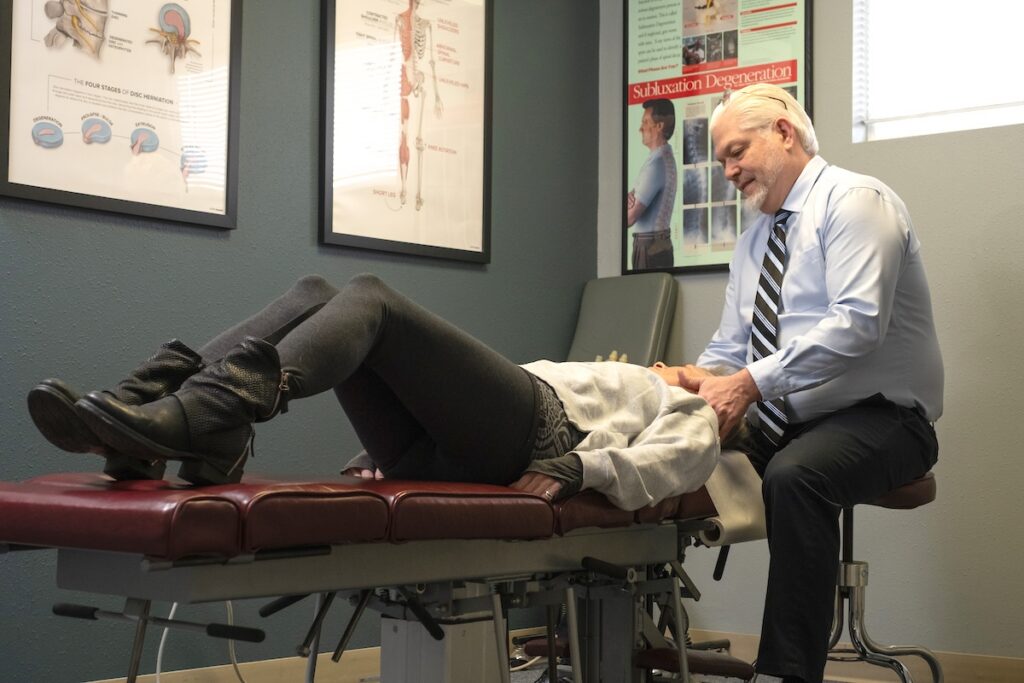

As a local chiropractor, I understand that dealing with sports-related back pain can be quite frustrating. It's important to explore effective relief strategies that can aid in your recovery. One essential aspect is incorporating proper techniques and strengthening your core muscles, which can make a significant difference in alleviating pain.
In addition to these exercises, stretching plays a crucial role in promoting flexibility and reducing tension in your back. However, I encourage you to consider that there are alternative therapies and lifestyle adjustments that can further enhance your healing process.
Chiropractic care, for example, focuses on the alignment of your spine and can help alleviate discomfort by addressing underlying issues. As you explore these options, you will likely discover new insights into how to manage your back pain more effectively. Remember, taking a holistic approach to your health can lead to lasting relief and improved overall well-being.
Understanding Back Pain Causes
As a local chiropractor, I often see athletes struggling with sports-related back pain. It's important to understand the causes of this discomfort in order to find effective relief. Many people mightn't realize just how common back pain is among those who participate in sports, and pinpointing the underlying issues can significantly enhance your recovery journey.
One of the most frequent culprits of back pain in athletes is muscle strain. This can happen during intense training sessions or while repeating certain movements too often. When you push your body beyond its limits without allowing for adequate rest and recovery, your muscles can become fatigued, leading to discomfort.
Additionally, using poor form while lifting weights or running can place extra stress on your back, worsening the pain.
Another factor I often address in my practice is inadequate core strength. Your core muscles are essential for supporting your spine and maintaining good posture while engaging in physical activities. If these muscles aren't strong enough, your back may end up compensating, which can lead to strain and pain.
Moreover, tightness in your hips and legs can also play a role in back issues, as inflexible muscles can pull on your spine and disrupt its alignment.
Sometimes, underlying medical conditions such as herniated discs or arthritis can contribute to chronic back pain. These issues may require specialized treatment, and as a chiropractor, I can help you explore natural healing approaches to address these concerns.
Stretching and Flexibility Exercises
As a local chiropractor, I want to emphasize the importance of stretching for maintaining a healthy back, especially if you lead an active lifestyle or participate in sports. Incorporating effective flexibility techniques into your daily routine can significantly alleviate pain and prevent injuries.
Allow me to share some essential guidelines for stretching that can help keep your back in optimal condition.
First, it's crucial to understand that stretching not only enhances flexibility but also promotes blood circulation and reduces muscle tension. This is vital for overall spinal health. I encourage you to incorporate a variety of stretches that target different muscle groups in your back and surrounding areas.
Additionally, make sure to warm up your muscles before stretching. Gentle movements or light aerobic activity can prepare your body and reduce the risk of strains.
When you stretch, focus on gradual movements and never push yourself to the point of pain. Holding each stretch for 15-30 seconds and breathing deeply can enhance your relaxation and effectiveness.
Remember, consistency is key. Regular stretching can help you maintain mobility and support the chiropractic adjustments you may receive in my office.
If you have any specific concerns about your back or would like personalized stretching recommendations, don't hesitate to reach out. Together, we can work towards a healthier, more flexible you!
Importance of Stretching
As a local chiropractor, I want to emphasize the crucial role that stretching plays in maintaining your overall spinal health and preventing back pain, especially for those of you who are active in sports. By incorporating stretching into your daily routine, you can significantly enhance your flexibility and lower your risk of experiencing discomfort related to physical activity.
When you stretch regularly, you're not only improving your range of motion but also preparing your muscles and joints for the demands of your sport. This proactive approach can help prevent injuries that often lead to back pain, which is something I see frequently in my practice.
Before you engage in any physical activity, dynamic stretches can be incredibly beneficial. They increase blood flow and warm up your muscles, priming your body for movement.
After your workout, static stretches are essential for recovery and help maintain your newfound flexibility. Stretching also alleviates muscle tension, a common contributor to back discomfort.
I encourage you to focus on the muscles that support your spine, as this will enhance your stability and strength, making you less susceptible to injuries. A body that's well-stretched responds better to sudden movements, thereby reducing the chances of strains or sprains.
Incorporating a variety of stretching exercises into your routine is key. Target your hamstrings, hip flexors, and core muscles to ensure that all areas of your body are working together harmoniously.
This holistic approach will keep you strong, flexible, and free from back pain, allowing you to enjoy your favorite sports without limitations. Remember, your body deserves this care, and I'm here to guide you on your journey to better health through chiropractic care and natural healing methods.
Effective Flexibility Techniques
As a local chiropractor, I want to emphasize the importance of flexibility for both optimal athletic performance and injury prevention. Understanding effective techniques can truly enhance your well-being.
One of the best ways to improve your flexibility is by incorporating dynamic stretching into your warm-ups. This method involves controlled movements that increase your range of motion and prepare your muscles for activity. Examples include leg swings, arm circles, and torso twists.
After your workout, it's equally important to focus on static stretching. Hold each stretch for 15 to 30 seconds, targeting major muscle groups such as your back, hamstrings, and quadriceps. This practice not only helps lengthen your muscles and improve flexibility but also promotes recovery. Always pay attention to your body; pushing too hard can cause injuries.
Additionally, I recommend considering yoga or Pilates as part of your routine. Both practices emphasize flexibility, balance, and core strength, which are vital for everyone, not just athletes. Regularly engaging in these activities can also enhance your body awareness, making it easier to identify tight areas that need attention.
Lastly, don't overlook the importance of hydration! Staying properly hydrated supports muscle function and flexibility.
By adopting these effective flexibility techniques, you can boost your athletic performance while also reducing your risk of experiencing sports-related back pain. Remember, chiropractic care can also play a crucial role in enhancing your overall flexibility and keeping your body aligned.
If you have any questions or would like to learn more about how chiropractic care can help you, feel free to reach out!
Stretching Routine Guidelines
As a local chiropractor passionate about natural healing and overall wellness, I want to share the importance of incorporating a consistent stretching routine into your daily life. Stretching is an essential practice that can significantly enhance your flexibility, alleviate discomfort, especially sports-related back pain, and improve your physical performance.
To get started, it's crucial to identify specific muscle groups you want to focus on and make those areas a regular part of your stretching routine. Here are some guidelines to help you create an effective stretching plan:
- Warm Up First: Before stretching, always begin with a light aerobic activity. This helps increase blood flow to your muscles, making them more pliable and ready for stretching.
- Hold Each Stretch: Aim to hold each stretch for about 15-30 seconds. During this time, focus on breathing deeply; this not only helps to relax your muscles but also enhances your overall flexibility.
- Focus on Major Muscle Groups: It's beneficial to target key areas such as your hamstrings, hip flexors, quadriceps, and lower back. Stretching these major muscle groups can effectively relieve tension and promote better movement.
- Stretch After Activity: Incorporating stretching into your cool-down routine after exercise is vital. This practice helps maintain your flexibility and can significantly reduce muscle soreness.
By integrating these stretching techniques into your daily routine, you can experience improved mobility and a greater sense of well-being.
As your chiropractor, I'm here to support you on your journey toward optimal health through natural methods.
Strengthening Core Muscles
As a local chiropractor, I want to emphasize the importance of a strong core for anyone, especially athletes, who are looking to prevent and alleviate sports-related back pain.
Your core muscles—comprising your abdominals, obliques, and lower back—play a crucial role in stabilizing your body during physical activity. When these muscles are weak, it can lead to an increased risk of injury, resulting in discomfort and pain in the back.
To enhance your core strength, it's essential to engage in exercises that target all areas of your core. Planks are an excellent exercise to start with, as they work multiple muscle groups at once. I recommend beginning by holding a plank for 20-30 seconds and gradually increasing the time as your strength improves.
Side planks are also beneficial, as they specifically target your obliques and help improve your stability.
In addition to planks, consider incorporating exercises like Russian twists and bicycle crunches. These movements not only develop your core's rotational and flexing abilities but also contribute to your overall strength and athletic performance.
It's also important to include lower back exercises, such as bridges and supermans, which support your spine and promote a balanced core.
For the best results, aim to include core-strengthening exercises in your routine at least two to three times a week. You can also integrate functional movements like squats and deadlifts, which engage your core while mimicking the actions performed in your sport.
Remember, a strong core not only helps prevent back pain but also enhances your overall athletic performance, allowing you to stay at the top of your game.
If you're interested in learning more about how chiropractic care can complement your core strengthening routine and support your overall health, please feel free to reach out!
Proper Technique and Form
As a local chiropractor, I can't stress enough the importance of using proper technique and form when participating in sports. It's crucial for preventing back pain and injuries.
Always make sure to warm up before any physical activity; this prepares your body for the demands ahead. Additionally, strengthening your core muscles is vital, as a strong core provides stability and support for your spine.
Incorporating effective stretching techniques into your routine is equally important. Stretching helps maintain flexibility and can significantly reduce the risk of strains and sprains.
By adopting these practices, you not only enhance your performance but also protect your back from injury. Remember, taking care of your body is a key step toward achieving long-term health and wellness.
If you have any questions or need guidance on how to implement these techniques safely, don't hesitate to reach out!
Importance of Warm-Up
As a local chiropractor, I want to emphasize the critical role a proper warm-up plays in both preventing back pain and enhancing your performance in sports. Many individuals may not realize that taking just a few minutes to prepare your body can make a significant difference in your overall experience during physical activities.
Warming up effectively activates your muscles and joints, ensuring they're primed to handle the demands of your sport. This preparation is vital in reducing the risk of injury, particularly to your back, which is often subjected to strain during physical exertion.
Here are some essential components to incorporate into your warm-up routine:
- Dynamic stretches: These are movements that mimic the actions you'll perform in your sport, increasing blood flow to your muscles and improving flexibility. Think of movements that get your body moving in ways it will during the game.
- Gradual intensity: Start with lighter exercises to ease your body into activity. As you progress, gradually increase the intensity. This helps your body adapt and prepares your muscles for more strenuous movements.
- Focus on posture: Maintaining good alignment during your warm-up is crucial. Proper posture not only enhances your performance but also alleviates unnecessary strain on your back.
- Breathing exercises: Don't forget about your breath! Deep breathing helps relax your muscles and ensures that your body receives adequate oxygen. This can significantly improve your performance and help you feel more energized and focused.
By dedicating time to a thorough warm-up, you're taking an essential step toward safeguarding your back from unnecessary stress and discomfort.
Remember, a well-structured warm-up is your best defense against sports-related back pain, and it can help ensure that you enjoy your activities to the fullest.
If you have any questions about warm-up techniques or how chiropractic care can support your physical activities, don't hesitate to reach out!
Core Strength Training
As a chiropractor, my goal is to help you understand how to effectively and safely engage in core strength training. First and foremost, it's essential to focus on proper technique and form. When we talk about engaging your core, it's not just about activating your abs; it includes the obliques, lower back, and pelvic floor as well.
For exercises like planks, ensure your body is in a straight alignment from your head down to your heels. Avoid letting your hips sag or arching your back, as these can lead to unnecessary strain and potential injury.
Breathing plays a crucial role in your core workouts. I recommend inhaling deeply through your nose and exhaling through your mouth while you contract your core. This technique not only stabilizes your body but also helps improve your performance in strengthening exercises.
To engage various muscle groups and maintain balance, consider incorporating a range of exercises such as bridges, dead bugs, and bird dogs.
When starting your strength training journey, begin with an intensity level that feels manageable for you. As your strength progresses, you can gradually increase the difficulty of your workouts. Always listen to your body; if something feels off, it's important to adjust your form or take a break.
Remember, while consistency is vital in any training regimen, the quality of your movements is far more important than the quantity. By prioritizing proper technique, you're not only building a strong core but also supporting your back and enhancing your overall athletic performance.
If you ever have questions or concerns about your form, don't hesitate to reach out for guidance.
Stretching Techniques Essential
As a local chiropractor, I want to emphasize that building a strong core is just one aspect of maintaining a healthy back. Equally important is the incorporation of effective stretching techniques into your daily routine. Stretching not only enhances flexibility but also increases blood flow and alleviates muscle tension, which can significantly reduce the risk of injury during physical activities.
To help you achieve a healthier back, here are some essential stretching techniques that I recommend:
- Cat-Cow Stretch: This dynamic movement promotes spinal flexibility and helps relieve tension in your back. It's a great way to warm up your spine and engage your core.
- Child's Pose: This gentle stretch serves to lengthen the back and provides a soothing release for your entire body. It's particularly beneficial for relaxation and stress relief.
- Hamstring Stretch: Many of my patients find that tight hamstrings can lead to back pain. By stretching your hamstrings, you can alleviate pressure on your lower back and improve overall mobility.
- Seated Forward Bend: This stretch specifically targets the lower back and hamstrings, fostering relaxation and increased flexibility. It's a wonderful way to decompress after a long day.
As you incorporate these stretches into your routine, always be mindful of your body's signals. Hold each stretch for 15-30 seconds, and avoid pushing yourself to the point of pain.
Remember, consistency is key; regularly practicing these stretches can help you maintain a healthy back and minimize any sports-related discomfort.
Alternative Therapies and Treatments
As a local chiropractor, I want to help you understand how exploring alternative therapies and treatments can significantly benefit athletes dealing with back pain. Many individuals are often unaware of the options available that can provide substantial relief, such as chiropractic care, acupuncture, massage therapy, and even physical therapy.
Chiropractic care is a fantastic first step for those suffering from back discomfort. My role as a chiropractor is to realign your spine through gentle adjustments, which can greatly improve your mobility and alleviate pressure on the nerves and muscles. This adjustment process not only helps reduce pain but also enhances your overall range of motion, allowing you to perform at your best.
Regular visits to my office can help you manage pain effectively and prevent future flare-ups, making it a valuable addition to your wellness routine.
Acupuncture is another complementary therapy that we often discuss. This ancient practice involves inserting thin needles into specific points on your body, which can help reduce pain and inflammation. Many of my patients find that acupuncture promotes healing and complements their chiropractic care beautifully.
Massage therapy is also an excellent option to consider. Therapeutic massages can effectively target tight muscles and enhance circulation, which aids in the healing process. Whether it's deep tissue or sports massage, this hands-on approach can significantly relieve tension and discomfort, especially in the back area.
Physical therapy is another integral part of a comprehensive treatment plan. A physical therapist can create a personalized program focused on strengthening your back and core muscles, helping you regain stability and functionality. They'll guide you through exercises designed not just to alleviate pain but also to improve your athletic performance.
Finally, I encourage you to explore yoga and mindfulness practices. These techniques can enhance flexibility and reduce stress, which often contributes to pain. By incorporating these alternative therapies into your routine, you can discover a combination that works for you, helping you return to your athletic pursuits with renewed vigor and less discomfort.
If you have any questions about these therapies or how they can work for you, feel free to reach out. Together, we can create a tailored approach to your healing journey.
Lifestyle Changes for Prevention
As a local chiropractor, I want to share with you some essential lifestyle changes that can significantly help in preventing back pain, especially for those of you who lead active lives or engage in sports.
By making simple adjustments to your daily habits, you can improve your overall health and maintain a strong, healthy back. Here are some key recommendations:
- Prioritize good posture: Whether you're working at a desk or participating in athletic training, being mindful of your posture is crucial. Maintaining proper spinal alignment can alleviate unnecessary strain on your back muscles, helping to prevent pain.
- Stay active: Engaging in regular physical activity is vital for strengthening your core muscles, which play a key role in supporting your spine. Aim to incorporate exercises that specifically target your back, abdomen, and hips to enhance your stability and resilience.
- Emphasize flexibility: Routine stretching can significantly enhance your flexibility and reduce the risk of injuries. Be sure to include dynamic stretches before your workouts to warm up your muscles, and follow up with static stretches afterward to keep them limber and relaxed.
- Tune into your body: It's essential to listen to what your body is telling you. If you experience pain or discomfort, don't dismiss it. Take the time to rest and seek professional guidance if the pain continues.
Being attuned to your body's signals can help you avoid further complications and maintain long-term health.
By taking these steps and being proactive, you can support your spine's health and overall well-being.
If you have any questions or would like to learn more about chiropractic care and how it can benefit you, feel free to reach out!
Conclusion
As a local chiropractor, I want to help you understand how to effectively relieve sports-related back pain through natural healing methods. A combination of stretching and core strengthening exercises is essential, as these practices support your spine and enhance your overall performance.
Additionally, employing proper techniques during your activities is crucial to prevent strain. I also encourage you to consider alternative therapies like massage and chiropractic adjustments, which can provide targeted relief and help restore balance to your body.
By making mindful lifestyle changes, such as incorporating regular exercise and being aware of your posture, you can prevent future issues and maintain a healthy spine. Remember, being proactive about your back health not only keeps you in the game but also allows you to truly enjoy the sports you love! If you have any questions or need guidance on how to start, don't hesitate to reach out. Your journey to a pain-free life is just a step away!