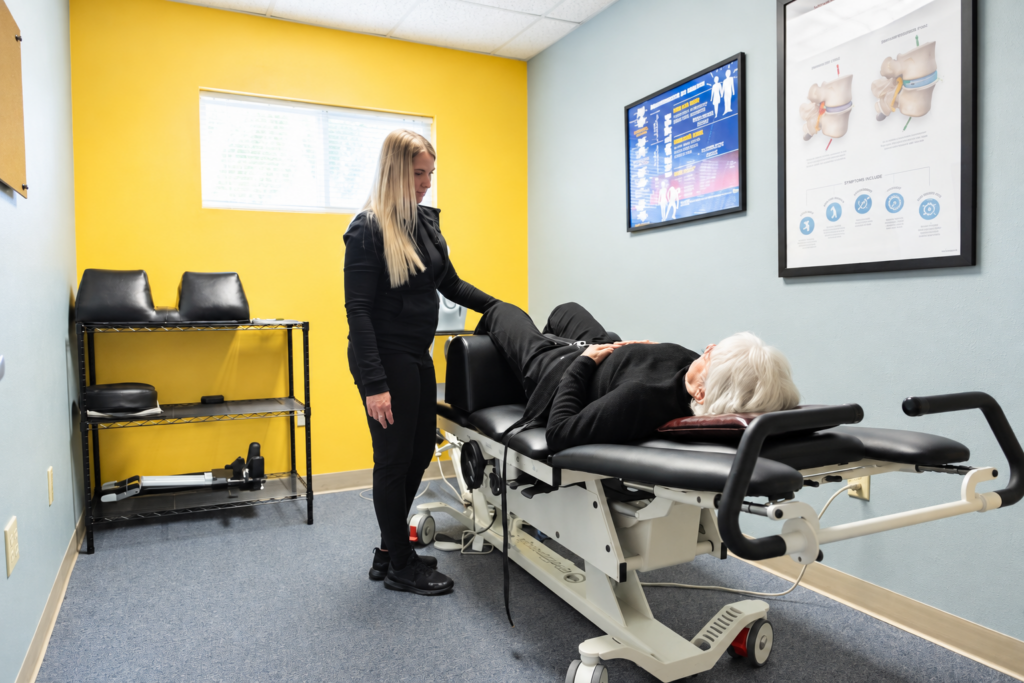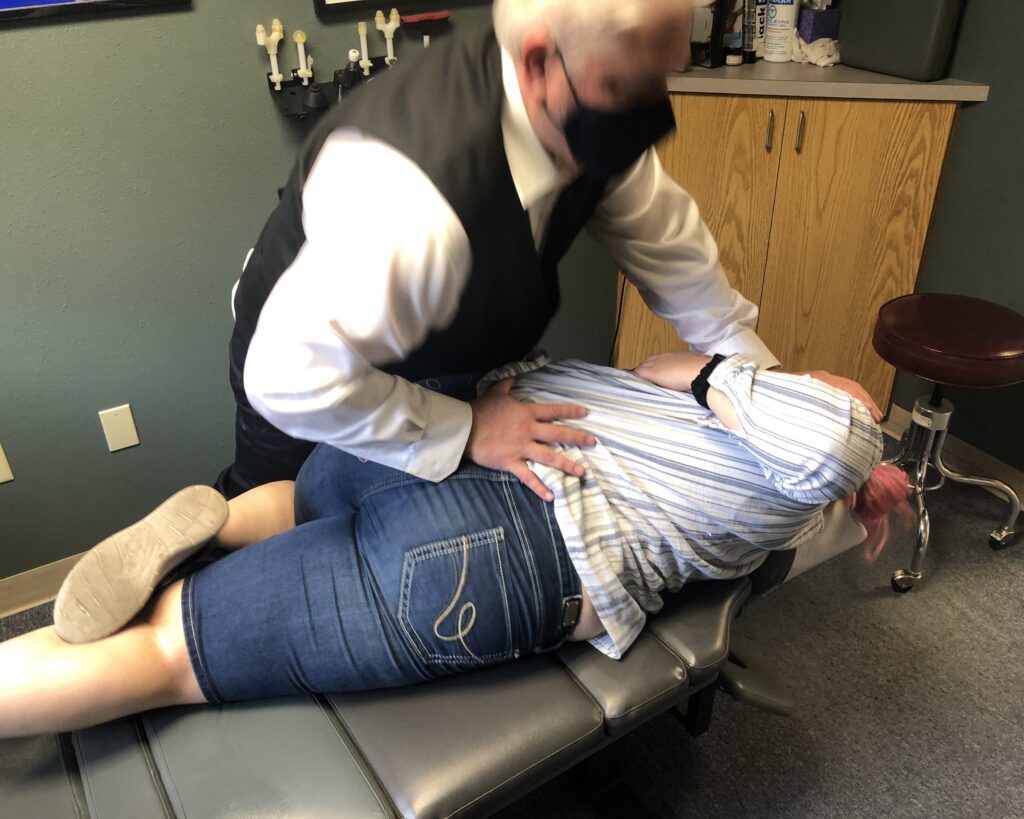

As a local chiropractor, I understand that navigating the challenges of chronic pain can be overwhelming. It's important to explore effective strategies that can truly enhance your quality of life. One of the most beneficial approaches combines chiropractic care with lifestyle changes to create a more balanced and holistic method of pain management.
Incorporating gentle adjustments and spinal manipulations can help alleviate pain by improving your body's alignment and function. Alongside chiropractic treatments, lifestyle modifications such as regular gentle movement, mindfulness practices like meditation, and nutritional adjustments can significantly contribute to your overall well-being. Each of these elements plays a crucial role in managing pain effectively.
I encourage you to consider what specific strategies resonate most with your experiences. Together, we can tailor a treatment plan that fits your unique needs and empowers you on your journey toward better health and pain relief. Remember, small adjustments in your daily routine can lead to significant improvements in how you feel. Let's work together to find the right approach for you!
Understanding Chronic Pain
Chronic pain is more than just an occasional discomfort; it can be a relentless condition that affects every part of your life. Many of my patients come to me experiencing persistent aches and pains that seem to linger, impacting their mood, relationships, and daily routines.
It's crucial to understand chronic pain for effective management and healing. Unlike temporary pain that signals an immediate injury, chronic pain can develop into a condition on its own, where your nervous system becomes overly sensitive, amplifying pain signals even when there's no obvious injury.
In my practice, I see various types of chronic pain, including nociceptive pain, which arises from damage to body tissue, and neuropathic pain, which results from nerve damage. Each type presents its own set of challenges and can often leave you feeling confused about what you're experiencing.
It's essential to recognize that chronic pain can originate from a variety of sources, such as past injuries, ongoing medical conditions, or even psychological factors.
Moreover, your emotional well-being significantly influences how you perceive and cope with pain. Stress, anxiety, and depression can intensify your pain, making it feel more overwhelming. By understanding this connection, you can empower yourself to address not only the physical symptoms but also the emotional aspects of your chronic pain.
As a chiropractor, I focus on holistic approaches that consider both your body and mind, promoting natural healing and improving your quality of life. Together, we can explore effective strategies to manage your pain and enhance your overall well-being.
Medical Treatments Overview
When it comes to managing chronic pain, it's essential to consider a holistic approach that addresses the underlying issues rather than just masking the symptoms. As a chiropractor, I believe in utilizing natural healing methods that can significantly improve your quality of life.
First and foremost, many people find relief from mild to moderate pain through lifestyle changes and natural remedies. Simple adjustments, such as proper posture and ergonomic practices, can help alleviate discomfort. Additionally, incorporating regular physical activity and stretching can strengthen your body and reduce pain.
While some may turn to over-the-counter medications like acetaminophen or NSAIDs for relief, it's important to recognize that these can have side effects and may not address the root cause of your pain. Instead, chiropractic care offers a drug-free option that focuses on restoring proper function to the musculoskeletal system. Through spinal adjustments and manipulations, we can align the spine, reduce tension, and improve overall body mechanics.
For those experiencing localized pain, techniques such as myofascial release or trigger point therapy can be incredibly helpful. These hands-on methods target specific areas of tension and can help release tight muscles, providing relief without the need for injections or medications.
In cases where chronic pain persists, we might explore complementary therapies such as acupuncture or massage therapy, which can enhance your treatment plan. These modalities work well alongside chiropractic care, promoting relaxation and further reducing pain.
As we navigate your pain management together, I encourage open communication about your experiences and concerns. By working collaboratively, we can develop a personalized plan that may include chiropractic adjustments, lifestyle modifications, and natural healing techniques, all aimed at restoring your health and well-being.
Physical Therapy Techniques
After exploring natural healing methods for pain relief, it's crucial to understand how chiropractic care can further enhance your recovery. Chiropractic focuses on optimizing your body's alignment, improving movement, and reducing pain, making it an essential part of managing chronic pain.
First, it's important to consult with a licensed chiropractor who can assess your specific condition. They'll create a personalized treatment plan tailored to your needs. Chiropractic adjustments aim to realign the spine and joints, which can relieve pressure on nerves and alleviate discomfort.
Additionally, exercises may be recommended to strengthen the muscles that support your spine and improve overall function.
Manual therapy techniques, such as spinal manipulation and soft tissue therapy, play a significant role in chiropractic care. These hands-on methods are designed to reduce tension, enhance circulation, and promote overall mobility. Your chiropractor may also utilize various modalities like heat, cold therapy, or electrical stimulation to further alleviate pain and support healing.
Balance and stability are also important aspects of your recovery, especially if chronic pain has affected your ability to move confidently. Integrating balance exercises into your routine can improve coordination and help reduce the risk of falls.
Education is a key component of chiropractic care. Your chiropractor will teach you about proper body mechanics and posture, which can significantly decrease strain on your body during daily activities.
Mindfulness and Meditation
As your local chiropractor, I want to emphasize the importance of incorporating mindfulness and meditation into your pain management routine. These practices can significantly enhance your overall well-being, especially when dealing with chronic pain. By focusing on the present moment, you can reduce the stress and anxiety that often accompany discomfort.
I encourage you to start by dedicating a few minutes each day to mindfulness exercises. Find a quiet space, where you can sit comfortably and close your eyes. Concentrate on your breath, observing the rise and fall of your chest. When thoughts come to mind, simply acknowledge them and gently redirect your focus back to your breathing. This practice fosters a greater awareness of your body and its sensations, which is crucial for understanding your pain.
Meditation can take many forms, including guided imagery or loving-kindness meditation. Many of my patients find that listening to a guided session helps maintain their engagement and focus. These techniques nurture self-compassion, allowing you to treat yourself kindly during challenging times.
As you regularly practice mindfulness and meditation, you may notice a shift in your perception of pain. Rather than viewing it as a constant adversary, you'll learn to accept its presence without letting it define who you are. This change can lead to greater emotional resilience and an improved quality of life.
Remember, consistency is essential; the more you integrate these practices into your routine, the more benefits you'll reap.
I encourage you to embrace this journey towards mindfulness. It can become an invaluable tool in your overall pain management strategy, complementing the chiropractic care we provide. Together, we can work towards a healthier, more balanced life.
Nutritional Considerations
As a chiropractor, I often emphasize the importance of nutrition in managing chronic pain, and I'd like to share some insights with you. Mindfulness and meditation can be wonderful tools to help you connect with your body, but it's also crucial to pay attention to what you put into it. The foods you choose can have a significant impact on inflammation and pain levels.
I recommend focusing on a well-balanced diet that includes plenty of whole foods—think fruits, vegetables, whole grains, and lean proteins. These foods are rich in antioxidants and nutrients that can help reduce inflammation and support your body's healing processes.
Consider adding omega-3 fatty acids to your meals. These healthy fats, found in fatty fish like salmon, walnuts, and flaxseeds, are known to lower inflammation. You might also want to include spices like turmeric and ginger in your cooking; both have exceptional anti-inflammatory properties. Switching from butter to olive oil can also make a big difference in your inflammation levels.
Staying hydrated is another crucial aspect of your diet. Dehydration can increase your sensitivity to pain, so be sure to drink plenty of water throughout the day.
It's also essential to limit processed foods and sugars, which can trigger inflammation and worsen pain. Instead, opt for natural sweeteners like honey or maple syrup, but remember to use them in moderation.
Don't overlook portion control, either. Overeating can lead to weight gain, which places extra stress on your joints and can exacerbate pain.
I encourage you to pay attention to how different foods affect your body and pain levels, as individual responses can vary. By making mindful nutritional choices, you can create a supportive environment for your body to heal and manage chronic pain more effectively.
Exercise and Movement
As a local chiropractor, I want to share with you the importance of incorporating gentle movement into your daily routine, especially when managing chronic pain.
Many patients are surprised to learn that simple stretching exercises can significantly enhance their flexibility and help alleviate tension throughout the body. By engaging in regular stretching routines, you not only promote better mobility but also contribute to your overall well-being.
In my practice, I've seen firsthand how these straightforward movements can positively impact your pain management journey.
It's all about finding the right balance and making movement a part of your healing process.
Let's work together to explore how these exercises can be integrated into your lifestyle for improved comfort and health.
Benefits of Gentle Movement
As a local chiropractor, I want to share with you the incredible benefits of gentle movement in managing chronic pain. This approach combines physical relief with emotional well-being, making it a vital part of your health journey.
Engaging in low-impact activities such as walking, swimming, or tai chi can work wonders for your body. These activities activate your muscles and joints without putting too much strain on them, ultimately improving your flexibility and strength over time, which can significantly reduce pain.
One of the remarkable aspects of gentle movement is its ability to encourage the release of endorphins—your body's natural painkillers. By integrating these movements into your daily routine, you may find that both your physical discomfort and stress levels decrease.
In fact, moving your body, even in small ways, can uplift your mood and enhance your overall well-being.
Furthermore, gentle movement plays a crucial role in promoting better sleep, an essential component in effective pain management. Establishing a consistent routine allows you to regain a sense of control over your body, empowering you to manage your pain more effectively.
Remember, consistency is key—aim for short sessions throughout the week to truly reap the benefits.
At our practice, we believe that gentle movement is an important tool in your chronic pain management toolkit. Embrace it, and you might be surprised at how much better you can feel, both physically and emotionally.
If you have any questions or need guidance on incorporating gentle movement into your life, we're here to support you every step of the way.
Incorporating Stretching Routines
As a local chiropractor, I want to emphasize the importance of incorporating stretching routines into your daily life, especially if you're dealing with chronic pain. Stretching is a powerful tool that can significantly aid in managing discomfort. It improves flexibility, reduces muscle tension, and enhances blood circulation to areas that may be causing you pain.
To get started, it's crucial to pinpoint the specific areas where you feel tightness or discomfort. Focus your stretching efforts on those regions. You don't need to dedicate hours to this practice; just 10-15 minutes a day can yield remarkable benefits.
I recommend gentle stretches such as neck rolls, shoulder shrugs, and hamstring stretches. Aim to hold each stretch for 15-30 seconds, and remember to breathe deeply throughout the process.
It's also vital to listen to your body. If any stretch causes you pain, it's important to ease off or skip that particular movement. I often suggest incorporating stretching into your morning routine to help set a positive tone for your day.
Alternatively, consider using stretching as a short break during your workday to relieve tension and refresh your body.
Alternative Therapies
As a local chiropractor passionate about natural healing, I want to share with you some alternative therapies that can effectively support your journey in managing chronic pain. These approaches can work alongside conventional treatments and may offer relief from discomfort that you have been experiencing.
One of the most well-known therapies is chiropractic care, which I specialize in. It focuses on aligning the spine and optimizing the function of your musculoskeletal system. By performing regular adjustments, I can help alleviate pain, particularly for issues like back pain and migraines. Many patients find that chiropractic care restores their body's natural balance, promoting overall wellness.
In addition to chiropractic adjustments, massage therapy is another excellent option for managing chronic pain. It helps reduce muscle tension, enhance circulation, and encourage relaxation. Many of my patients have experienced lasting improvements in their pain levels and overall quality of life after incorporating regular massage sessions into their routine.
Incorporating mind-body techniques, such as yoga and meditation, can also be beneficial. These practices promote relaxation and mindfulness, which can be particularly helpful in managing stress – a common trigger for chronic pain.
Additionally, I encourage exploring herbal remedies and supplements, such as turmeric or omega-3 fatty acids, which have shown potential in reducing inflammation and pain.
Before starting any alternative therapy, I always recommend consulting with your healthcare provider to ensure it's appropriate for your specific needs. By exploring these holistic therapies, you may uncover effective strategies to enhance your pain management plan and improve your daily life.
I'm here to guide you on this path to natural healing and wellness.
Support Systems
When you're dealing with chronic pain, establishing a solid support network is crucial.
As a chiropractor, I've seen firsthand how connecting with others who share similar experiences can offer not only emotional comfort but also valuable insights into managing your pain. It's important to surround yourself with people who understand your journey.
Additionally, seeking guidance from healthcare professionals, including chiropractors like myself, can greatly enhance your coping strategies.
Through natural healing methods and personalized care, we can work together to improve your overall well-being and help you find relief from pain.
Building a Network
Building a strong support system is crucial for effectively managing chronic pain, and as your chiropractor, I want to emphasize how important it's to surround yourself with individuals who understand your journey towards healing. Your friends and family can be invaluable allies. Share your experiences with them and communicate how they can support you—whether it's through listening, assisting with daily tasks, or simply spending quality time together.
I also encourage you to consider joining a support group, either in-person or online. These groups create a safe environment for sharing experiences and coping strategies specific to chronic pain management. Connecting with others who face similar challenges not only fosters a sense of community but also helps to alleviate feelings of isolation.
In addition, engaging with professionals in the chronic pain community can be tremendously beneficial. Seek out local organizations or online forums where you can network with others and gain insights into new resources. This can empower you to take charge of your healing journey.
Lastly, it's essential to communicate openly about your needs and boundaries. Your support network should uplift you, not add to your stress. By cultivating a network of understanding individuals, you can create an environment that nurtures your well-being and supports your journey through the complexities of chronic pain.
Seeking Professional Guidance
As a local chiropractor, I want to emphasize the importance of having a strong support network, not only among friends and family but also through professional guidance, especially when it comes to managing chronic pain. Chiropractic care is a natural and holistic approach that can significantly enhance your pain management journey.
Chiropractors specialize in understanding how the body works and can help tailor treatment strategies specifically for your individual needs. We focus on addressing the root causes of pain, which can provide you with a better understanding of your condition and how to manage it effectively.
Our expertise includes a variety of techniques that may not be part of your current routine, such as spinal adjustments, soft tissue therapy, and lifestyle recommendations. Consulting with a chiropractor can lead to a more accurate assessment of your condition and the development of a comprehensive treatment plan.
We can recommend specific exercises, stretches, and even lifestyle changes that contribute to your overall well-being. Additionally, incorporating complementary therapies like acupuncture or mindfulness practices can further enhance your recovery and daily comfort.
It's also important to recognize the connection between physical health and emotional well-being. Chronic pain can lead to emotional distress, and while we focus on physical healing, we encourage you to seek support from mental health professionals if needed.
This holistic approach ensures that both your physical and emotional needs are addressed. Open communication with your chiropractor about your pain levels and the challenges you face is crucial.
This allows us to adjust your treatment plan as necessary and ensures that you receive the best care possible. Remember, you don't have to face chronic pain alone; chiropractic care can be an essential component of your support system, helping you to lead a healthier, more active life.
Coping Mechanisms
As a local chiropractor, I understand that many individuals dealing with chronic pain seek effective ways to manage their daily lives. It's not just about coping with discomfort; it's about discovering pathways to thrive despite it.
Here are three strategies I encourage you to consider integrating into your routine:
1. Mindfulness and Relaxation Techniques: Embracing mindfulness can be a powerful tool for staying present and centered, which can help alleviate anxiety tied to pain. Techniques such as deep breathing, meditation, or gentle yoga not only promote relaxation but also help reduce muscle tension, which can enhance the overall effectiveness of chiropractic care.
2. Physical Activity: It might seem surprising, but engaging in physical activity can actually relieve some of your chronic pain. Low-impact exercises like swimming or walking can stimulate the release of endorphins, which naturally uplift your mood.
As a chiropractor, I often recommend discussing any new exercise routines with me or your healthcare provider to ensure they complement your chiropractic treatment plan effectively.
3. Social Support: Finding connection with others who share similar experiences can provide immense emotional support and encouragement. I suggest surrounding yourself with friends and family who are understanding, or looking into local support groups for chronic pain.
Sharing your journey can help alleviate feelings of isolation, and it can also enrich your healing process as you explore chiropractic care and natural healing methods together.
By incorporating these strategies, you can enhance your journey towards managing chronic pain and improve your overall quality of life.
Tracking Pain Progress
As a local chiropractor, I want to emphasize the importance of tracking your pain progress in managing chronic pain effectively. Many of my patients find that keeping a daily pain journal is an invaluable tool. By noting your pain levels each day, along with any activities or lifestyle factors that may influence your discomfort, we can gain a clearer picture of your condition.
Using a pain level scale can also be incredibly helpful. It allows you to quantify your pain in a way that can be easily communicated during our sessions. This information is crucial for tailoring your treatment plan to your specific needs.
Additionally, identifying your pain triggers—those activities or stressors that exacerbate your discomfort—can provide us with insights that are essential for natural healing.
Together, we can use these tools to make informed decisions about your chiropractic care and work towards restoring your health and well-being. Remember, understanding your pain is the first step toward effective management and healing.
Daily Pain Journal
As a local chiropractor, I want to share with you the importance of maintaining a daily pain journal, especially if you're dealing with chronic pain. This simple yet effective tool can significantly enhance your understanding of your condition and improve your healing journey.
By tracking your pain levels, triggers, and how you respond to different treatments, you can gain valuable insights that can aid both you and your healthcare team in creating a more effective management plan.
Here are three key benefits of keeping a daily pain journal:
- Identifying Patterns: You may discover patterns in your pain, such as certain activities or foods that trigger flare-ups. Recognizing these factors allows you to make informed choices about your lifestyle, which is crucial in chiropractic care.
- Tracking Treatments: Documenting your response to various treatments—be it chiropractic adjustments, exercises, or other natural healing methods—can help you identify what works best for your body. This information is invaluable during your consultations with me or other healthcare providers.
- Emotional Release: Writing about your pain not only helps clarify your experience but also serves as an emotional outlet. It allows you to process your feelings, which can alleviate stress and anxiety often associated with chronic pain.
Incorporating a daily pain journal into your routine can greatly enhance your understanding of your pain and improve your overall management strategy.
Pain Level Scale
As a chiropractor dedicated to your well-being, I want to emphasize the importance of understanding your pain in order to manage it effectively. One valuable tool we can use together is a pain level scale. By rating your pain from 0 to 10—where 0 indicates no pain and 10 represents the worst pain you can imagine—you can gain a clearer insight into your condition and communicate your experiences more effectively with me.
When you consistently utilize this pain level scale, you'll start to observe patterns and changes in your discomfort. This awareness is crucial in guiding your treatment decisions and assessing how well your pain management strategies are working. For example, if you notice that your pain levels increase after specific activities, we can work together to adjust your routine to minimize discomfort.
I encourage you to make it a habit to record your pain scores daily. Along with these scores, take notes about any activities you engaged in, medications you took, or coping strategies you tried. Over time, this information becomes invaluable in helping us understand what alleviates your pain and what may exacerbate it.
Trigger Identification Techniques
As your local chiropractor, I want to emphasize the importance of identifying triggers for your pain to help you manage your discomfort effectively. Understanding what might be exacerbating your symptoms empowers you to make better choices for your health.
Here are some techniques that can assist you in tracking your pain progress:
- Keep a Pain Diary: I encourage you to maintain a journal where you can record your pain levels, daily activities, and any emotional states throughout the day. This practice can help you pinpoint patterns and potential triggers that may be influencing your pain.
- Note Changes in Routine: It's crucial to observe any changes in your daily habits, such as what you eat, how well you sleep, and your exercise routine. Even minor adjustments can lead to increased pain or, conversely, relief. Recognizing these changes can be key to improving your overall well-being.
- Identify Environmental Factors: Consider how your environment may be affecting your pain levels. Factors such as weather conditions, noise levels, and the company you keep can all contribute to flare-ups. Understanding these influences can help you create a more supportive environment for your healing journey.
Conclusion
As a local chiropractor, I want to share with you the importance of a holistic approach to managing chronic pain. It's essential to understand that combining chiropractic care with gentle movement, mindfulness practices, and proper nutrition can significantly empower your healing journey.
Chiropractic adjustments can help alleviate pain and improve your overall mobility, but they work best alongside other supportive strategies. Engaging in gentle exercises can enhance your strength and flexibility, while mindfulness techniques can help you manage stress and enhance your mental well-being.
Don't underestimate the value of a solid support system—whether it's family, friends, or healthcare professionals. Keeping track of your pain patterns is also crucial; it can provide valuable insights that help us tailor your treatment plan more effectively.
By embracing these strategies and being proactive in your pain management, you can take control of your health and work towards a more fulfilling life. I'm here to guide you every step of the way!