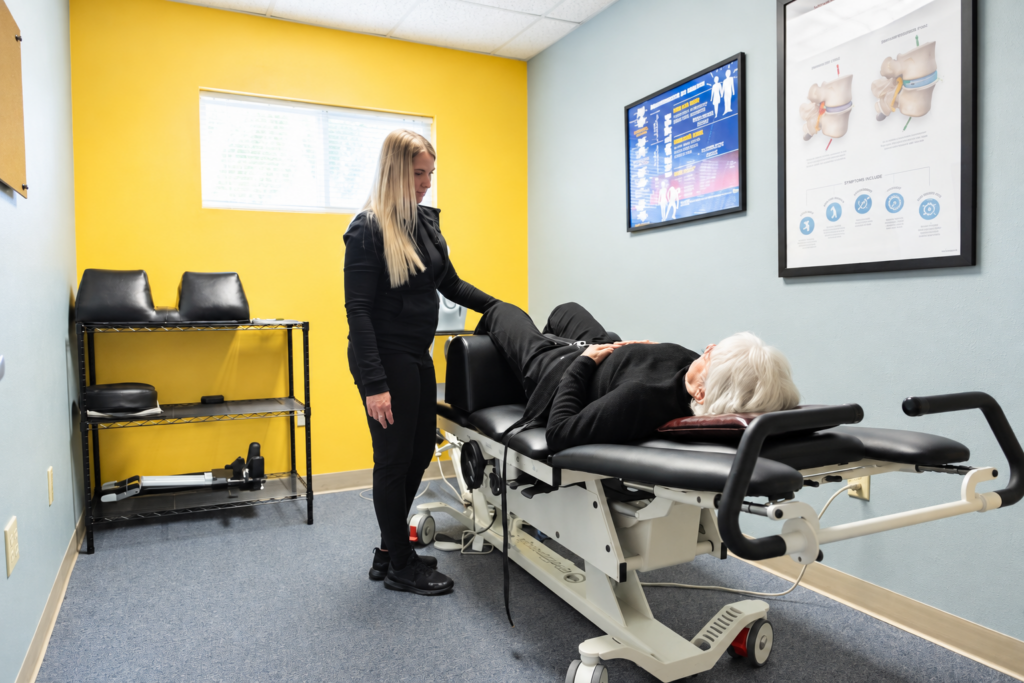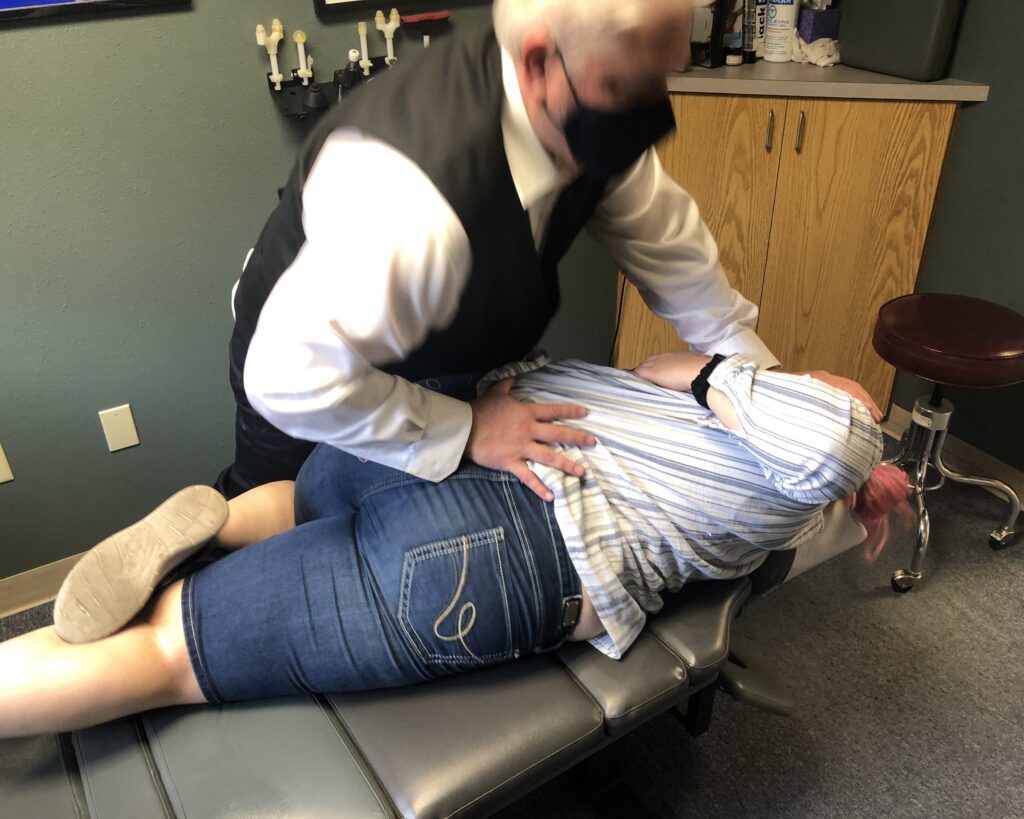

As a local chiropractor dedicated to your well-being, I want to share some insights on how to effectively recover from a sports injury. Many people believe that simply resting is the key to healing, but the truth is that a comprehensive approach can significantly enhance your recovery process.
Chiropractic care plays a crucial role in this journey, offering professional guidance tailored to your unique needs. Early intervention is vital; seeking care soon after an injury can help prevent complications and promote faster healing. Physical therapy, which we often incorporate into our treatment plans, can help restore mobility and strength.
Additionally, nutrition is an essential component of recovery that is often overlooked. Proper nourishment supports tissue repair and overall health, which is why I emphasize the importance of a balanced diet in our recovery strategies.
Moreover, with the advent of innovative technologies in chiropractic care, we have access to advanced methods that can accelerate your healing process. But with so many options available, how do you determine which techniques are best for your specific injury?
By exploring the various facets of chiropractic care and natural healing, you can gain the insights needed to navigate your recovery effectively. Remember, I'm here to guide you through this process and help you get back to doing what you love.
Understanding Your Injury
Understanding your injury is crucial for a successful recovery, especially when considering chiropractic care and natural healing methods. When you sustain an injury, it's vital to determine its type and severity. Is it a sprain, strain, or possibly a fracture? Each of these injuries necessitates a different treatment approach, and as a chiropractor, I can guide you through understanding your symptoms—such as pain, swelling, and reduced mobility—which can offer significant insights into your condition.
I encourage you to consult with a healthcare professional, such as a chiropractor, who specializes in diagnosing injuries and recommending effective natural treatment options. You may discover that certain recovery techniques, like spinal adjustments or soft tissue therapies, may be more beneficial for your specific situation. For instance, with soft tissue injuries, rest and ice are often initial steps, but chiropractic manipulations can enhance healing and restore function.
Additionally, understanding the mechanics behind your injury is key to preventing future issues. Take a moment to analyze how the injury occurred. Were you fatigued, or perhaps your posture or technique was off? Identifying these factors allows you to make necessary adjustments in your daily activities or training, helping you return stronger than before.
Throughout your recovery, it's important to listen to your body. Your body will communicate what feels right and what doesn't. Avoid the temptation to push through pain, as this could lead to re-injury or prolong your healing process.
Importance of Early Intervention
As a local chiropractor, I want to emphasize the critical importance of early intervention when it comes to recovering from sports injuries. Addressing your injury promptly is key to minimizing potential complications that could otherwise prolong your recovery. Waiting to seek treatment can lead to increased pain, inflammation, and further damage to the affected area. By taking swift action, you not only alleviate your immediate discomfort but also lay the groundwork for a smoother healing process.
I understand that it can be tempting to push through the pain or simply wait it out. However, ignoring your body's signals can exacerbate the situation. It's essential to listen to what your body is telling you. If you're experiencing persistent pain, swelling, or instability, I encourage you to seek professional advice right away.
As a chiropractor, I can assess your injury and recommend appropriate next steps tailored to your needs, which may include natural healing methods such as rest, ice, compression, elevation, and specific chiropractic adjustments.
Early intervention through chiropractic care can help you regain strength and mobility more quickly, allowing you to return to your sport with renewed confidence. It also significantly reduces the risk of re-injury—a common concern for athletes who rush back into action without allowing adequate healing time.
Moreover, addressing your injury early can help prevent it from developing into a chronic condition that could keep you sidelined for an extended period.
Prioritizing early intervention not only supports your physical recovery but also positively influences your mental state. Knowing that you're actively taking steps to heal can boost your morale and motivation, paving the way for a successful return to your sport.
Physical Therapy Exercises
As a local chiropractor, I want to emphasize the importance of incorporating physical therapy exercises into your recovery from a sports injury.
These exercises are vital not only for strengthening your muscles but also for enhancing your flexibility and mobility. This improvement can significantly reduce your risk of experiencing future injuries.
Additionally, I encourage you to explore effective pain management strategies that align with natural healing principles, as they can make a remarkable difference in your recovery journey.
Strengthening Exercises Overview
As a local chiropractor, I want to emphasize the importance of strengthening exercises in your recovery from sports injuries. These exercises are vital for rebuilding muscle strength, enhancing stability, and improving your overall function. When you experience an injury, it's common for your muscles to weaken, which can lead to imbalances and a higher risk of future injuries. That's why incorporating targeted strengthening exercises into your rehabilitation plan is crucial for addressing these concerns.
To start, focus on low-impact exercises that specifically target the injured area. For example, if you've injured your ankle, resistance band exercises can be an excellent way to strengthen the surrounding muscles. As you begin to regain strength, you can gradually increase the intensity and resistance of your workouts.
It's also essential to engage in exercises that not only focus on the injured site but also strengthen the supporting muscles around it. This holistic approach is key to stabilizing your joints and minimizing the risk of re-injury.
I recommend performing these strengthening exercises consistently, ideally several times a week. Tracking your progress can be incredibly motivating and will help you determine when it's time to increase the difficulty.
It's always a good idea to consult with a physical therapist or a chiropractor to ensure that the exercises you choose are suitable for your specific injury and recovery stage. With dedication and the right approach, you can work towards achieving a stronger, more resilient body through natural healing methods.
Flexibility and Mobility Techniques
As your local chiropractor, I want to share the importance of flexibility and mobility techniques in your recovery from sports injuries.
These practices are vital for enhancing your range of motion and preventing stiffness, which can significantly hinder your healing process. By incorporating these exercises into your routine, you can improve circulation, reduce muscle tension, and promote overall recovery.
Here are some effective techniques that I recommend:
- Dynamic Stretching: Start with movements that mimic the activities of your sport. This helps warm up your muscles and prepares them for action, reducing the risk of injury.
- Static Stretching: After your workouts, take time to hold stretches for 15-30 seconds. This can help lengthen your muscles, improve flexibility, and support your overall mobility.
- Foam Rolling: Using a foam roller can be an excellent way to relieve tightness in your muscles and fascia. This self-myofascial release technique not only feels great but also promotes better mobility.
- Joint Mobilizations: Engage in gentle movements that target specific joints. This practice can increase their range of motion and improve overall function.
By incorporating these techniques into your wellness routine, you're taking an important step toward natural healing and recovery.
If you have any questions or would like personalized guidance, feel free to reach out during your next visit!
Pain Management Strategies
As a local chiropractor, I want to emphasize the importance of managing pain effectively during your recovery from a sports injury. Understanding and utilizing natural healing methods can significantly improve your return to the activities you love.
One of the most powerful strategies I recommend involves personalized chiropractic care combined with physical therapy exercises tailored to your specific injury. These approaches not only help alleviate pain but also strengthen the affected areas, which is crucial for preventing future injuries.
We often start with gentle range-of-motion exercises designed to reduce stiffness and enhance mobility. As you progress, we can introduce stretching and strengthening routines that focus on the muscles surrounding the injured site.
It's important to listen to your body; if you experience any increased pain during an exercise, please let me know so we can adjust your treatment plan accordingly.
In addition to exercises, we often incorporate natural modalities such as ice and heat therapy. Ice can help reduce inflammation, while heat promotes blood flow, which is essential for the healing process. Techniques like massage or electrical stimulation can also be beneficial and are often integrated into your chiropractic care as needed.
Finally, maintaining a consistent routine is key. A regular schedule not only improves your physical condition but also helps manage pain levels effectively.
Role of Nutrition in Recovery
As a local chiropractor, I want to emphasize the vital role proper nutrition plays in your recovery from sports injuries. When you're healing, your body needs a variety of nutrients to support the healing process and enhance your overall performance. By focusing on the right foods, you can't only expedite your recovery but also come back to your sport even stronger.
Here are some key nutritional elements to consider for optimal recovery:
- Protein: This is essential for repairing tissues and aiding muscle recovery. I recommend incorporating lean sources of protein into your diet, such as chicken, fish, beans, and legumes. These will help your body heal more effectively.
- Omega-3 Fatty Acids: These healthy fats are known for their anti-inflammatory properties, which can significantly speed up your recovery. Consider adding fatty fish, walnuts, or flaxseeds to your meals to harness these benefits.
- Vitamins and Minerals: These nutrients are crucial for boosting your immune function and facilitating the healing process. Make sure to include a variety of fruits and vegetables in your diet, particularly those rich in Vitamin C, like oranges and bell peppers, as they can enhance your recovery.
- Hydration: Staying well-hydrated is fundamental for optimal muscle function and nutrient transport throughout your body. Drink plenty of water, and if you're active, consider electrolyte-rich beverages to replenish what you lose through sweat.
Incorporating these nutritional strategies can complement the chiropractic care you receive, helping your body heal naturally and effectively.
Innovative Recovery Technologies
As a local chiropractor, I want to share with you how innovative recovery technologies can significantly aid in your healing process, especially if you're dealing with sports injuries. These advancements are designed to enhance your recovery, helping you regain your strength more efficiently and effectively.
One of the remarkable methods we often recommend is cryotherapy. This technique involves exposing your body to extremely low temperatures, which can help reduce inflammation and alleviate pain. Many of my patients find that this method allows them to recover more quickly after intense training sessions or injuries.
Another valuable tool in recovery is electrical stimulation therapy. This therapy uses electrical impulses to stimulate your muscles, which promotes blood circulation and aids in the healing of damaged tissues. Many athletes have experienced a noticeable reduction in recovery time following workouts or injuries thanks to this technique.
Compression therapy is also gaining popularity among athletes. By wearing specialized garments that apply pressure to your limbs, you can effectively reduce swelling and enhance blood flow. This therapy is particularly beneficial after long training sessions or competitions, allowing you to recover actively and minimize downtime.
Additionally, I'm excited about the potential of virtual reality (VR) in rehabilitation. With VR, you can engage in customized exercises that not only support your physical recovery but also keep you motivated and mentally engaged. It's an immersive experience that can help retrain your body and focus on your movements during recovery.
Incorporating these innovative technologies into your recovery routine can provide you with a significant advantage. By embracing these advancements, you can optimize your healing process and return to your sport stronger than ever.
If you have any questions about these therapies or want to explore how they can benefit you, feel free to reach out!
Mental Health and Resilience
As a local chiropractor, I want to emphasize that while cutting-edge recovery technologies are essential for physical healing, mental health and resilience are just as crucial in your overall recovery journey, particularly after a sports injury.
Your mindset plays a significant role in how you cope with the challenges that arise during your healing process. Maintaining a positive outlook and cultivating resilience can help you manage the emotional highs and lows associated with recovery.
Here are some strategies to enhance your mental health and build resilience during this time:
- Stay Connected: It's important to surround yourself with supportive individuals—friends, family, or teammates. Sharing your feelings and experiences can significantly lighten your emotional burden and foster a sense of community.
- Set Realistic Goals: I encourage you to break down your recovery into smaller, achievable milestones. Celebrating these small victories can help maintain your motivation and keep you focused on your healing journey.
- Practice Mindfulness: Incorporating mindfulness techniques such as meditation or deep breathing exercises can be beneficial. These practices help reduce anxiety and improve your ability to concentrate on your recovery.
- Seek Professional Help: If you're finding it challenging to cope, I recommend consulting with a sports psychologist. They can offer tailored strategies that complement your chiropractic care, enhancing your overall mental well-being and supporting your recovery.
Gradual Return to Activity
As a local chiropractor, I understand how challenging it can be to transition back to activity after a sports injury. It's essential to approach this process with both caution and enthusiasm to ensure a safe and effective recovery. You might be eager to get back on the field or court, but it's crucial to ease into your routine to prevent any setbacks.
First and foremost, I recommend consulting with a healthcare professional, like myself, who specializes in chiropractic care. Together, we can assess your specific injury and create a tailored recovery plan that aligns with your needs.
Start with gentle activities that don't put too much strain on the injured area. For instance, if you've suffered a knee injury, consider light walking or gentle cycling as great ways to get moving again. Focus on low-impact exercises that promote circulation and flexibility without risking re-injury.
As you begin to feel stronger and more confident, we can gradually increase the intensity and duration of your workouts. Listening to your body is paramount. If you experience any pain or discomfort, it's important not to push through it. Instead, take a step back and allow your body the time it needs to recover.
Incorporating strength training can also be beneficial in rebuilding muscle and supporting the injured area. However, we'll start light and progressively build up as you improve. Keeping track of your progress is vital for your recovery journey. I suggest maintaining a journal to document how you feel during and after each session.
This practice can help us identify any trends and make necessary adjustments to your routine. Remember, patience is key. A gradual return to activity not only aids in your recovery but also strengthens your physical and mental resilience, setting the stage for long-term success in your sport.
At my practice, I'm here to guide you through this process and help you harness the power of natural healing to get you back to doing what you love.
Preventing Future Injuries
As a local chiropractor, I want to emphasize the importance of preventing future injuries through natural methods.
One of the key strategies is to ensure that you warm up properly before every workout. This helps prepare your body for physical activity and minimizes the risk of strain or injury.
Additionally, focusing on targeted exercises that strengthen your core muscles can significantly enhance your stability and support, making your body more resilient during activities.
By incorporating these practices into your routine, you not only promote healing but also greatly reduce your chances of experiencing injuries in the future.
Proper Warm-Up Techniques
As a local chiropractor, I want to emphasize the importance of warming up properly to prevent injuries and enhance your performance in physical activities. A well-executed warm-up not only prepares your muscles but also increases blood flow and improves flexibility, which are crucial for maintaining a healthy body.
Here are some effective techniques you can adopt into your routine:
- Dynamic Stretching: Consider incorporating dynamic stretches into your warm-up. These are movements that mirror the activities of your sport, such as leg swings or arm circles. This type of stretching activates your muscles and prepares them for action.
- Gradual Intensity: Begin your warm-up with low-intensity activities like jogging or brisk walking. This gradual approach helps ease your body into the more strenuous aspects of your workout, reducing the risk of strain.
- Sport-Specific Drills: Engage in drills that are specific to your sport. For example, if you play basketball, practice dribbling; if soccer is your game, focus on footwork. These drills not only enhance your coordination and balance but also condition your body for the specific demands of your sport.
- Mental Preparation: Don't underestimate the power of mental preparation. Take a moment to visualize your performance and set a positive mindset. This mental focus can significantly impact your ability to perform well and stay concentrated during your activity.
Integrating these warm-up techniques into your routine can greatly contribute to your overall health and performance, and as a chiropractor, I encourage you to prioritize this essential aspect of your physical activity.
Strengthening Core Muscles
As a local chiropractor, I want to emphasize the importance of strengthening your core muscles for overall health and injury prevention. Your core is the cornerstone of your body, providing crucial support for nearly every movement you make throughout the day. A strong core not only stabilizes your spine but also enhances your balance and improves your athletic performance.
Incorporating exercises such as planks, Russian twists, and bridges into your routine can greatly benefit your core strength. These exercises engage not only your abdominal muscles but also your obliques, lower back, and hips, leading to a balanced and functional core. Consistency is key; dedicating just a few minutes each day can yield remarkable improvements.
It's important to understand that developing a strong core goes beyond just aesthetic goals. A robust core plays a vital role in absorbing shock during high-impact activities, which can significantly reduce stress on your joints. This is especially important in sports or activities that involve sudden movements or changes in direction, as it lowers your risk of injury.
As you embark on your journey to strengthen your core, be mindful of your form. Proper technique is essential; practicing with poor form can lead to injuries rather than prevent them. If you're uncertain about how to perform these exercises correctly, consider consulting with a trainer or a chiropractor like myself who can guide you.
Ultimately, investing in your core strength won't only enhance your physical performance but also help protect you from injuries, allowing you to continue enjoying your favorite activities and sports for years to come. Embrace the benefits of a strong core, and let's support you on your path to better health and wellness.
Seeking Professional Guidance
When it comes to recovering from a sports injury, consulting with a chiropractor can be a game-changing decision.
Whether you're a weekend warrior or a professional athlete, working with a chiropractic expert can significantly enhance your recovery process and reduce the likelihood of future injuries.
Chiropractors are specifically trained to assess your condition holistically, allowing them to create a personalized recovery plan tailored just for you.
Here's what you can expect when you choose to work with a chiropractor:
- Comprehensive Assessment: We'll conduct a thorough evaluation to identify the precise nature of your injury, ensuring we address all factors contributing to your pain and discomfort.
- Tailored Treatment Plans: After assessing your condition, we'll develop a customized recovery strategy that includes specific chiropractic adjustments, exercises, and stretches designed to promote healing and restore function.
- Progress Monitoring: Regular visits allow us to monitor your recovery closely. We can make necessary adjustments to your treatment plan based on your healing progress, ensuring you're always on the right path.
- Injury Prevention Techniques: We'll equip you with strategies and exercises to help prevent future injuries, so you can return to your sport stronger and more resilient.
By choosing to work with a chiropractor, you're not just addressing your current injury; you're investing in your long-term health and performance.
Let's help you get back in the game!
Conclusion
As a local chiropractor, I want to share some valuable insights on how incorporating expert techniques into your recovery process can significantly enhance your return to peak performance. Understanding your injury is the first step; it's essential to know how it affects your body and what healing methods can be beneficial. Seeking professional guidance from a chiropractor can provide you with a tailored approach to recovery that aligns with your body's unique needs.
Additionally, focusing on proper nutrition plays a crucial role in healing. The right nutrients can support your body's natural healing processes and help you regain strength. Mental resilience is equally important; staying positive and motivated can greatly influence your recovery journey.
As you start to reintroduce yourself to your sport, remember that taking gradual steps is key to preventing re-injury. At our clinic, we emphasize the importance of proactive care and injury prevention strategies, ensuring that you not only recover but emerge even stronger than before. Your commitment to these principles will pave the way for a successful recovery and a healthier future.