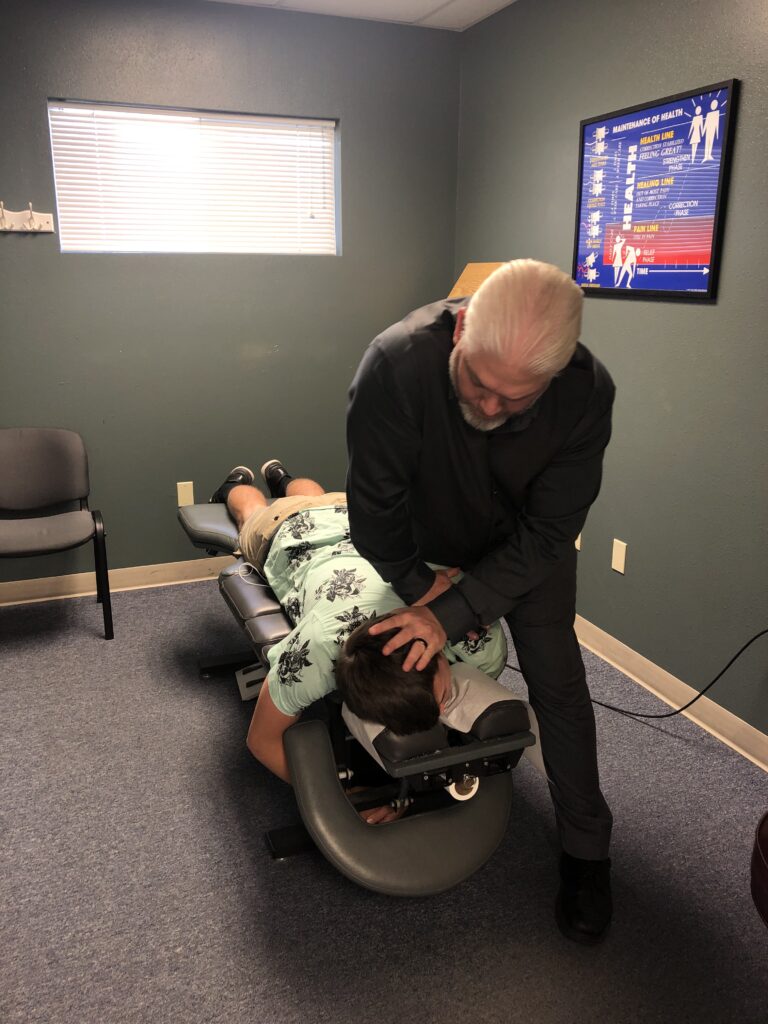

As a local chiropractor, I often see patients who are struggling with back pain, and one common factor that can contribute to this discomfort is posture. Many people don’t realize that even small changes in how you sit, stand, and lift can lead to significant improvements in your back health. It’s not merely about feeling comfortable; it’s crucial for preventing additional strain on your spine.
Understanding proper posture is fundamental to alleviating pain and promoting healing. If you’re unsure where to start, I’m here to guide you through effective techniques that can reshape your daily habits and enhance your overall well-being. Together, we can work towards a more pain-free life through the power of natural healing and chiropractic care. Let’s embark on this journey to better posture and improved health!
Understanding the Importance of Posture
As a local chiropractor, I want to emphasize the critical role that posture plays in your overall health and well-being. You may not realize it, but maintaining good posture is essential for keeping your body aligned and reducing unnecessary strain on your muscles and ligaments.
When you sit or stand with proper posture, you’re actively supporting your spine, which allows it to function optimally. This support can lead to improvements in circulation, digestion, and even your mood.
On the other hand, poor posture can result in muscle fatigue and discomfort. Many of my patients report experiencing tension in their neck, shoulders, or lower back due to slouching or improper alignment.
By being mindful of your posture throughout the day—whether you’re at work or at home—you can significantly enhance your health. Simple adjustments, like keeping your feet flat on the ground while sitting or ensuring your ears align with your shoulders when standing, can make a world of difference.
Investing time in understanding and improving your posture is a step toward a happier, healthier life. If you’re unsure where to start or need guidance, I’m here to help you explore natural healing methods that can support your journey to better posture and overall well-being.
Common Causes of Back Pain Related to Posture
As a local chiropractor, I’m here to shed light on how your everyday habits can impact your spinal health.
Many people may not realize that poor sitting posture and improper lifting techniques can contribute to significant back pain. For instance, slouching at your desk or awkwardly bending while lifting heavy objects can place unnecessary strain on your spine.
By being mindful of these common issues, you can take proactive steps to alleviate discomfort and improve your posture. Incorporating proper ergonomic practices and learning safe lifting techniques can make a world of difference in your spinal health and overall well-being.
Together, we can work towards a healthier, pain-free life!
Poor Sitting Habits
As a local chiropractor, I often see the effects of poor sitting habits on my patients. Many people don’t realize that slumping over your desk or hunching your shoulders while using your phone can lead to significant back pain, a common issue affecting millions of individuals every day.
When you sit for extended periods without proper support, it puts extra strain on your back, leading to muscle fatigue and discomfort.
To prevent this, I encourage you to pay attention to your sitting posture. Ensure your chair provides adequate support for your lower back and that your feet are flat on the ground. Position your computer screen at eye level to avoid straining your neck.
It’s also essential to take regular breaks—stand up, stretch, and walk around every hour to alleviate tension in your muscles.
By being mindful of your sitting habits and making these adjustments, you can significantly lower your risk of developing chronic back pain. Improving your posture not only enhances your comfort throughout the day but also contributes to your overall well-being.
If you have any questions about how chiropractic care can help with back pain or support your health journey, feel free to reach out!
Improper Lifting Techniques
As a local chiropractor, I often see patients suffering from back pain due to improper lifting techniques. It’s crucial to understand that the way you lift heavy objects can significantly impact your spine and overall health. Many individuals tend to bend at the waist instead of using their legs, which places unnecessary stress on the lower back.
To lift safely, start by positioning your feet shoulder-width apart for stability. Always remember to squat down and lift using your legs, not your back. Engaging your core muscles while lifting is essential, as it provides additional support to your spine.
It’s also important to keep the object close to your body, as this helps to minimize strain on your back. If you find that an item is too heavy to lift safely, please don’t hesitate to ask for help or utilize tools like a dolly.
Assessing Your Current Posture
As your local chiropractor, I want to help you understand how to assess your current posture so you can identify any potential issues that may be affecting your health. A simple way to start is by standing against a wall, making sure your heels, buttocks, and shoulders are all in contact with it.
Take note of whether your head rests against the wall naturally—if it doesn’t, you may be leaning forward, which can lead to discomfort over time.
Next, take a moment to look at your side profile in a mirror. Ideally, your ears should be aligned with your shoulders, and your hips should be in line with your ankles. This alignment is crucial for maintaining a balanced posture.
Once you’re aware of your standing posture, sit down in your chair and feel the support of the backrest. Your feet should be flat on the floor, with your knees forming a 90-degree angle.
If you find yourself slumping or leaning, it’s a clear indication that your posture needs some attention.
As you go through these assessments, pay close attention to how your body feels. Any discomfort or tension can be a sign of poor posture habits that may contribute to back pain or other issues.
Regularly checking your posture is essential to staying aware of your alignment and making the necessary adjustments.
Techniques for Sitting Correctly
As a local Chiropractor, I want to help you understand the importance of sitting correctly to maintain your spinal health and overall well-being. One of the first things you can do is adjust your chair so that your feet rest flat on the floor and your knees form a 90-degree angle. It’s essential that your thighs are parallel to the ground to promote good posture.
Next, focus on keeping your back straight and your shoulders relaxed. Supporting your lower back is crucial; if your chair doesn’t provide lumbar support, consider using a cushion or a rolled towel to maintain that natural curve of your spine.
It’s also important to position your monitor at eye level. This adjustment will help prevent straining your neck as you work. When typing, your forearms should be either parallel to the floor or slightly angled down, with your wrists in a neutral position.
I advise against crossing your legs, as this can create uneven pressure on your hips and contribute to discomfort.
Lastly, remember to take breaks every 30 minutes. Standing up, stretching, and resetting your posture can do wonders for your spinal health. By incorporating these techniques into your daily routine, you can significantly reduce your risk of back pain and enhance your overall comfort while sitting.
If you have any questions, feel free to reach out for more guidance on maintaining a healthy spine!
Standing Posture: Tips for Alignment
As a local chiropractor, I want to share with you the importance of proper standing posture and how it affects your overall alignment and well-being. The way you position your feet, shoulders, and head plays a crucial role in how your body functions.
When you stand, it’s essential to ensure that your feet are positioned correctly to help distribute your weight evenly. This can alleviate unnecessary pressure on your joints and spine.
Proper shoulder alignment is just as important; it helps maintain a straight spine, reducing the risk of discomfort and pain.
Additionally, paying attention to your head and neck position is vital. Being mindful of how you hold your head can significantly reduce tension and prevent discomfort.
By incorporating these mindful practices into your daily routine, you can promote better alignment, enhance your overall health, and feel more comfortable in your body.
Feet Positioning Importance
As your local chiropractor, I want to emphasize the significant role that proper feet positioning plays in maintaining good posture and alleviating back pain.
When you’re standing, it’s crucial to distribute your weight evenly across both feet and to keep them shoulder-width apart. This alignment not only stabilizes your body but also minimizes the strain on your spine, which is essential for your overall health.
Make sure your toes are pointing forward or slightly outward; this allows for natural hip alignment, which is vital for preventing discomfort.
One common mistake I see is people locking their knees. Instead, keep your knees slightly bent—this simple adjustment can help absorb shock and improve your balance.
Additionally, engaging your core muscles is an excellent way to provide extra support for your body, enhancing your stability and helping you maintain proper posture throughout the day.
Shoulder Alignment Techniques
As a chiropractor, I want to share some effective techniques to ensure your shoulders are properly aligned for optimal posture.
Begin by standing tall with your feet placed shoulder-width apart. Let your arms hang naturally at your sides, and gently roll your shoulders back. This simple movement can help you discover a more natural shoulder position, which is essential for reducing tension in your upper body.
To maintain this alignment, visualize a string gently pulling you upward from the top of your head, which will help create a lengthened spine. It’s important to ensure your shoulders are level and relaxed, avoiding any hunching or elevation. Engaging your core muscles slightly can provide additional support for your upper body and help prevent slouching.
Remember, taking a moment throughout your day to check in on your posture can reinforce this alignment.
Head and Neck Positioning
As your local chiropractor, I want to emphasize the importance of maintaining proper head and neck positioning, especially while standing. Picture a straight line that runs from the top of your head all the way down your spine. This alignment is crucial for reducing strain on your neck muscles. Make sure to keep your chin parallel to the ground and avoid jutting your head forward, as this can lead to discomfort over time.
It’s essential that your ears align with your shoulders. This means your neck should neither lean backward nor forward. Engaging your core muscles can provide support to your spine, helping you maintain a stable and comfortable posture.
As you stand, try to distribute your weight evenly between both feet. If you find yourself standing for extended periods, don’t hesitate to shift your weight from one foot to the other; this can help relieve pressure and prevent fatigue.
Also, remember to take breaks to stretch your neck and shoulders. These simple stretches promote relaxation and flexibility, which are vital for your overall well-being.
Best Practices for Lifting and Carrying
As a local chiropractor, I want to emphasize the importance of proper lifting and carrying techniques to help you prevent back pain and maintain a healthy spine. Many patients come to me with back issues that could have been avoided with a few simple adjustments to their lifting habits.
First and foremost, always approach the object you’re lifting by positioning yourself as close as possible. This minimizes the strain on your back. Remember to bend at your hips and knees, not your back. This technique helps you maintain a strong posture, which is essential for protecting your spine.
Keep your chest lifted and shoulders back while engaging your core muscles to provide additional stability. When it’s time to lift, focus on pushing through your legs rather than pulling with your back. Avoid twisting your torso during the lift; instead, pivot your feet to change direction safely. This small shift can make a significant difference in how much strain you put on your spine.
If you’re faced with a heavy object, don’t hesitate to ask for assistance or utilize equipment like a dolly or hand truck. It’s crucial to prioritize your safety and well-being.
While carrying an object, be sure to distribute the weight evenly and hold it close to your body. This technique not only reduces strain on your back but also helps you maintain better balance. If your task involves lifting overhead, ensure your feet are positioned shoulder-width apart for optimal stability.
Always remember: it’s better to take precautions than to risk injuring yourself. By following these best practices, you can significantly reduce the chances of back pain and keep your spine healthy. I’m here to support you on your journey to natural healing and wellness!
Exercises to Strengthen Postural Muscles
As a local chiropractor, I want to emphasize the importance of strengthening your postural muscles for a healthy spine and to help prevent back pain.
Many individuals may not realize how crucial these muscles are in supporting your posture during everyday activities. I’d like to share a few exercises that can be beneficial for you:
- Planks: This exercise engages both your core and back muscles. Hold a plank position for 30 seconds to a minute to build strength in these areas.
- Wall Angels: Stand against a wall and move your arms up and down in a “T” position. This exercise is excellent for improving shoulder mobility and overall posture.
- Bridges: While lying on your back with your knees bent, lift your hips. This movement activates your glutes and strengthens your lower back.
Incorporating these exercises into your routine can significantly enhance your posture and spinal health.
Consistency is essential, so I recommend performing these exercises several times a week. By doing so, you’ll be taking proactive steps toward a healthier spine, and your body will thank you for it!
If you have any questions or need further guidance, feel free to reach out.
Incorporating Mindfulness Into Your Posture Routine
As a chiropractor, I want to emphasize the importance of incorporating mindfulness into your posture routine to enhance your overall well-being. While you work on improving your posture, being mindful of your body can significantly amplify your efforts.
I encourage you to take a few moments each day to check in with yourself. Pay attention to how you’re sitting or standing. Notice any areas of tension, particularly in your shoulders or lower back. It’s essential to acknowledge these sensations without judgment, as this awareness is the first step towards improvement.
Deep breathing is another powerful tool to enhance your mindfulness. Inhale deeply through your nose, allowing your abdomen to expand, and then exhale slowly. This practice not only calms the mind but also helps you become more attuned to your body and posture.
I recommend setting reminders throughout your day to pause and assess your alignment. You might be surprised at how even a brief moment of mindfulness can prompt you to adjust and maintain better posture.
Finally, when engaging in posture exercises, combine them with mindful awareness. Focus on each movement, ensuring you’re engaged and intentional with your actions.
Conclusion
As a local chiropractor, I want to help you understand how improving your posture can significantly alleviate back pain. It’s essential to be aware of your body mechanics—how you sit, stand, and lift can greatly impact your spine’s health. By incorporating exercises that strengthen your core and back muscles, you can further support your spine and reduce discomfort.
I also encourage you to take regular breaks throughout your day, especially if you find yourself sitting for extended periods. These simple techniques not only promote immediate comfort but also contribute to your long-term well-being. By making these adjustments, you can pave the way for a healthier, pain-free back. Let’s work together on these changes and explore the natural healing benefits chiropractic care can offer you!