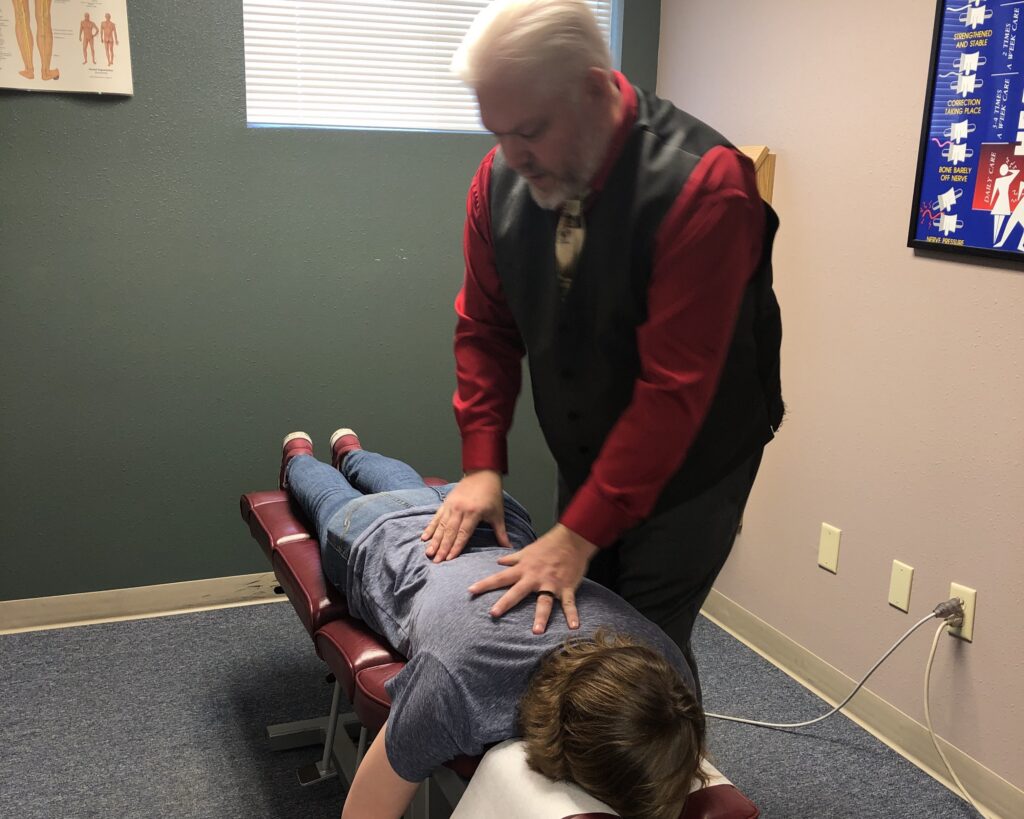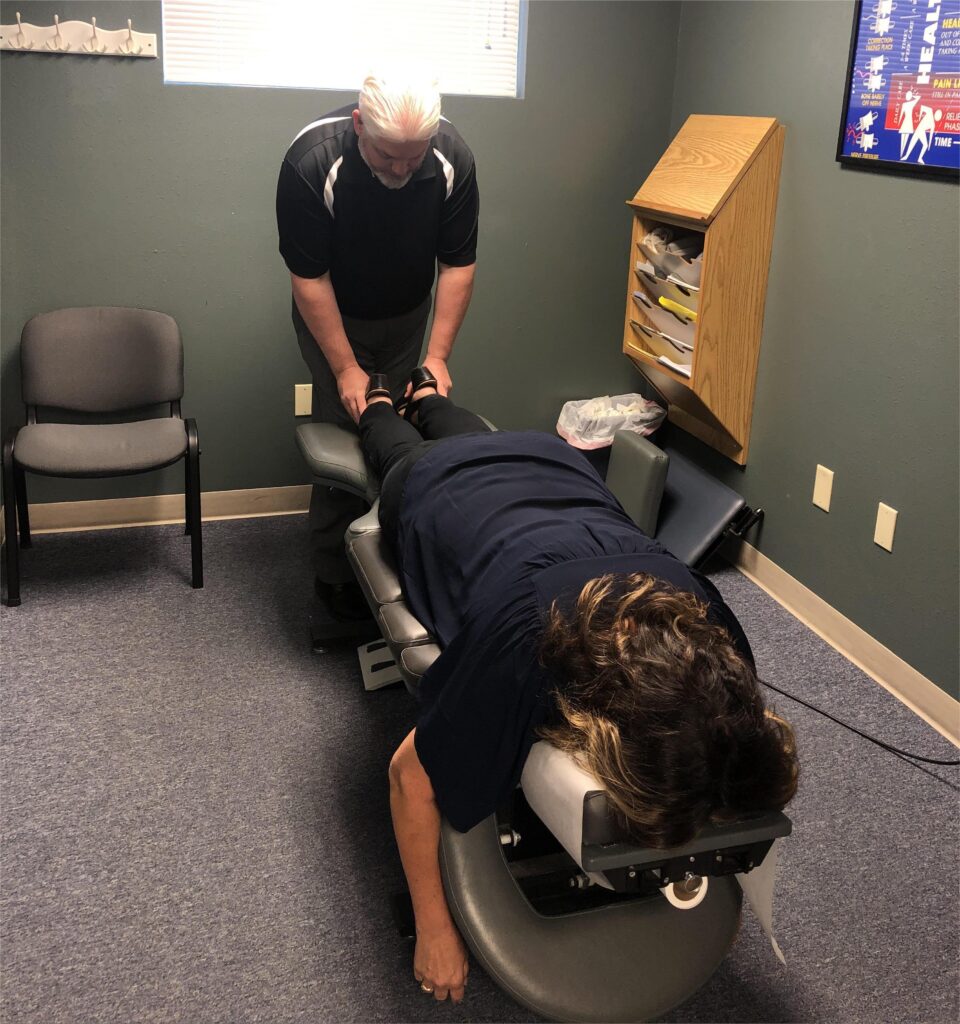

If you’ve ever suffered from a tension headache, you understand how much they can interrupt your daily life. Thankfully, there are natural ways to prevent them, and chiropractic care is one of the most effective options. By focusing on spinal health and overall wellness, you can significantly reduce your likelihood of experiencing these headaches.
One of the first steps is to identify your stress triggers. Stress can lead to muscle tension, which often results in headaches. Chiropractic adjustments can realign your spine and reduce tension in your muscles, helping you manage stress more effectively.
Maintaining good posture is another crucial aspect of preventing tension headaches. Poor posture can strain your neck and back, leading to discomfort and headaches. A chiropractor can provide personalized advice on how to improve your posture, whether you’re sitting at a desk or standing throughout the day.
Adequate hydration is also essential for overall wellness. Dehydration can contribute to headache symptoms, so make sure you’re drinking plenty of water throughout the day.
In addition to these tips, consider incorporating regular chiropractic visits into your wellness routine. Chiropractors are trained to help your body function at its best, reducing the frequency and intensity of tension headaches. They can also provide guidance on exercises and stretches that promote spinal health and alleviate tension.
By prioritizing chiropractic care and these natural strategies, you can take control of your health and reduce the occurrence of tension headaches, leading to a happier, healthier life.
Key Takeaways
- Start by keeping a stress journal. This can help you pinpoint what triggers your tension headaches. Once you’ve identified these triggers, consider implementing mindfulness techniques such as deep breathing and gentle stretching. These practices can provide immediate relief and help your body manage stress more effectively.
- Your posture plays a significant role in your overall spinal health. Make sure your workspace is ergonomically set up to reduce strain on your neck and shoulders. A well-aligned spine can contribute to less tension and discomfort. If you’re not sure about your posture, a chiropractor can offer valuable advice and adjustments.
- Staying hydrated is crucial for your overall health, including preventing headaches. Aim to drink at least 8 glasses of water daily. Keeping track of your water intake can help ensure you’re staying properly hydrated, which is essential for reducing the risk of dehydration-related headaches.
- Regular exercise and stretching are important for alleviating muscle tension and promoting your overall well-being. Consider integrating activities like walking, yoga, or tailored stretches into your routine. These can not only help relieve tension but also support your spinal health, making chiropractic care even more effective.
- Establishing a consistent sleep schedule can significantly enhance your sleep quality. Quality sleep is vital for your body’s natural recovery processes. If you find yourself struggling with sleep, consider discussing this with a chiropractor, who can provide insights on how spinal health impacts your overall rest and recovery.
By focusing on these natural approaches, you can support your health and wellness while reducing the likelihood of tension headaches. Remember, chiropractic care is a holistic way to address pain relief and promote a healthier lifestyle.
Identify and Manage Stress Triggers
Stress is a significant contributor to tension headaches, and as a chiropractor, I understand the importance of identifying and managing your stress triggers for overall wellness. One effective way to begin this process is by keeping a stress journal. Jot down when your headaches occur, along with what you were doing or feeling at that moment. This practice can help you uncover patterns and pinpoint specific stressors, such as work deadlines, family obligations, or insufficient sleep.
Once you’ve identified these triggers, consider taking proactive steps to manage them. For example, if work-related stress is a frequent issue, setting clear boundaries can help improve your work-life balance. Incorporating mindfulness or relaxation techniques, such as deep breathing or gentle stretching, can also be beneficial in the moment.
Additionally, chiropractic care can play a vital role in managing stress and tension headaches. Regular adjustments can help align your spine, improve your body’s function, and enhance your ability to cope with stress. By addressing spinal health, you create a solid foundation for your overall well-being.
Don’t hesitate to reach out for support from friends, family, or a chiropractor if you feel overwhelmed. Understanding and addressing your stressors, along with the benefits of chiropractic care, can significantly reduce the frequency and severity of tension headaches. Embrace these strategies for a healthier, more relaxed you!
Practice Good Posture
Practicing good posture is crucial for preventing tension headaches and enhancing your overall health. When you maintain proper alignment while sitting or standing, you significantly lessen the strain on your neck and shoulders. As a chiropractor, I encourage you to make a conscious effort to keep your shoulders relaxed and your back straight. If you work at a desk, ensure your chair is adjusted so that your feet rest flat on the floor and your computer screen is at eye level. This simple adjustment can make a world of difference in your discomfort levels.
Be especially mindful of your posture when using your phone or laptop. Avoid the common habit of slouching or craning your neck forward. Instead, hold your device at eye level to help maintain a neutral spine. This small change can greatly reduce the risk of developing pain in your neck and back.
Taking regular breaks to stretch is another effective way to alleviate tension that may build up from poor posture. Incorporate simple neck and shoulder stretches throughout your day to keep your muscles relaxed. Remember, prioritizing good posture not only helps prevent headaches but also contributes to your overall well-being.
Chiropractic care is an excellent option for addressing any discomfort you may experience due to poor posture. By visiting a chiropractor, you can receive personalized adjustments that can enhance your posture, relieve pain, and promote natural healing. Embrace the benefits of chiropractic care as a proactive step towards achieving optimal health and wellness in your daily life.
Stay Hydrated
Staying hydrated is crucial for your overall health and well-being, and it plays a significant role in preventing tension headaches. Even mild dehydration can cause discomfort and exacerbate pain.
You may experience symptoms like fatigue, dry mouth, or dizziness when your body isn’t getting enough water. These signs are your body’s way of signaling that it needs hydration.
As a chiropractor, I encourage you to recognize these symptoms early and prioritize your water intake. Staying well-hydrated not only helps keep headaches at bay but also supports your spinal health and overall function.
Adequate hydration can improve your body’s natural healing processes, helping you feel better and more energized.
Here are some simple tips to help you stay hydrated:
- Carry a Water Bottle: Keep a refillable water bottle with you throughout the day to make it easier to drink water regularly.
- Set Reminders: Use your phone or an app to set reminders to drink water, especially if you tend to forget while working or being active.
- Infuse Your Water: If you find plain water boring, try infusing it with fruits like lemon, cucumber, or berries for added flavor and vitamins.
- Eat Hydrating Foods: Incorporate fruits and vegetables with high water content, such as watermelon, cucumbers, and oranges, into your diet.
- Drink Before Meals: Make it a habit to drink a glass of water before each meal to help with hydration and digestion.
In addition to these hydration tips, regular chiropractic care can enhance your overall health and help alleviate tension headaches. Chiropractic adjustments can improve spinal alignment, relieve tension, and promote better circulation, all of which contribute to a healthier, pain-free life.
Importance of Water Intake
As a local chiropractor, I want to emphasize the often-overlooked importance of proper hydration in your journey toward optimal health and wellness.
Staying well-hydrated is essential not just for your overall well-being, but it also plays a significant role in preventing tension headaches. When you’re adequately hydrated, you support peak brain function and reduce muscle tension, both of which can be contributing factors to headaches.
Here are some practical tips to help you ensure you’re drinking enough water every day:
- Set a daily goal: Aim for at least 8 glasses of water each day, but feel free to adjust this based on how active you are. Proper hydration supports your body’s natural healing processes and can enhance the benefits of chiropractic care.
- Keep water handy: Carry a reusable water bottle with you wherever you go. This simple act encourages you to take regular sips throughout the day, helping to maintain hydration and promote overall wellness.
- Infuse your water: If plain water doesn’t excite you, try adding slices of fruits or herbs like mint for a refreshing twist. Making hydration enjoyable can help you drink more, which is great for your spinal health and overall vitality.
- Track your intake: Use a simple app or a journal to keep an eye on how much water you’re consuming. This accountability can motivate you to stay on track and ensure you’re giving your body the hydration it needs to function at its best.
Remember, proper hydration complements the benefits of chiropractic care, helping to alleviate tension and support your body’s natural healing abilities.
Signs of Dehydration
Dehydration can sneak up on you, and recognizing its signs is essential for maintaining your overall health and wellness. One of the first indicators is thirst; if you’re feeling thirsty, your body is already signaling that it needs water. Additionally, dry mouth and lips can be telltale signs, along with dark yellow urine, which suggests it’s time to hydrate.
Fatigue, dizziness, and headaches are common symptoms that can arise when you’re not drinking enough fluids. These discomforts can also affect your spinal health, as dehydration may lead to muscle tension and discomfort in your back. You might even notice decreased urination or dry skin, which are further signals from your body that it needs more hydration.
If you experience any of these signs, don’t ignore them. Drinking water and replenishing your fluids can help prevent tension headaches and keep your body functioning efficiently. As a chiropractor, I encourage you to also consider how proper hydration supports your overall wellness and can enhance the benefits of chiropractic care. Staying aware of these signals will empower you to maintain optimal hydration and health.
Here are some general tips to help you stay hydrated:
- Carry a Water Bottle: Keep a reusable water bottle with you throughout the day to remind you to drink water regularly.
- Set Reminders: Use your phone or a timer to remind you to take a sip every hour.
- Infuse Your Water: If plain water isn’t appealing, try adding slices of fruit or herbs for a refreshing flavor.
- Eat Water-Rich Foods: Include fruits and vegetables in your diet, such as cucumbers, watermelon, and oranges, which can also contribute to your hydration.
Incorporate Regular Exercise
Incorporating regular exercise into your routine can significantly alleviate tension headaches and promote overall well-being. As a chiropractor, I highly encourage my patients to engage in activities that they enjoy, making it easier to maintain a consistent exercise schedule. Regular movement not only helps to reduce headache frequency and intensity but also supports spinal health and enhances mental clarity.
Stretching exercises are particularly beneficial, as they help to release built-up tension in the muscles surrounding the spine. This can improve your posture and reduce strain on your neck and back, which are often contributors to tension headaches. Simple stretches, such as neck rolls and shoulder shrugs, can be done throughout the day to relieve tightness.
Choose Enjoyable Activities
Choosing enjoyable activities is essential for enhancing your overall well-being and can play a significant role in preventing tension headaches. When you engage in activities that bring you joy, you not only distract yourself from stress but also promote relaxation, which is vital for maintaining a healthy spine.
Here are some enjoyable activities to consider that can complement your chiropractic care and support your journey to optimal health:
- Dancing: Let loose and enjoy your favorite songs while getting a workout. Dancing not only elevates your mood but also helps improve your posture and spinal alignment with its dynamic movements.
- Yoga: This practice combines movement and mindfulness, which can ease tension in your body, especially around the neck and back. Regular yoga sessions can enhance flexibility and strength, contributing to better spinal health.
- Hiking: Take the opportunity to explore nature, breathe in fresh air, and enjoy the beauty around you. Hiking is a fantastic way to engage your core muscles and maintain a healthy spine while relieving stress.
- Art: Tap into your creative side through painting, drawing, or crafting. Engaging in artistic activities can be a great way to unwind, reducing stress levels that might otherwise contribute to tension headaches.
Incorporating these enjoyable activities into your routine can greatly complement the benefits of chiropractic care, helping you achieve a healthier, more balanced life. Remember, maintaining a healthy spine is key to overall wellness, and choosing fun, stress-relieving activities is an excellent way to support your journey.
Maintain Consistent Schedule
To effectively prevent tension headaches, it’s crucial to maintain a consistent schedule that incorporates regular exercise, which can greatly complement chiropractic care. Exercise not only helps regulate your body’s internal clock but also reduces stress and promotes relaxation—key elements in achieving optimal health. Aim for at least 30 minutes of moderate exercise on most days of the week. You don’t need a gym membership; simple activities like walking, cycling, or dancing can work wonders for your overall well-being.
Incorporating exercise into your daily routine not only boosts your mood but also enhances the benefits of chiropractic adjustments. Set specific times for your workouts and treat them as unmissable appointments, just like your chiropractic sessions. This consistency helps your body adapt and manage stress more effectively. Remember, by sticking to this routine alongside regular chiropractic care, you can keep tension headaches at bay and support your journey to feeling your best every day.
In addition to exercise, consider incorporating gentle stretches and mindfulness practices to further enhance your relaxation and well-being. And always consult with your chiropractor about the best exercises and practices for your individual needs, ensuring a holistic approach to your health and wellness.
Focus on Stretching Exercises
Stretching exercises are essential for maintaining a healthy spine and preventing tension headaches. At our chiropractic practice, we emphasize the importance of flexibility and muscle relaxation in achieving optimal health. Incorporating these simple stretches into your daily routine can help alleviate muscle tightness and reduce stress, ultimately supporting your overall well-being. Here are four effective stretches to consider:
- Neck Stretch: Gently tilt your head to one side, allowing the muscles on the opposite side to stretch. Hold this position for 15-30 seconds, then switch sides. This helps relieve tension in your neck, which can contribute to headaches.
- Shoulder Rolls: Stand or sit comfortably and roll your shoulders in a circular motion—first forward and then backward—for 30 seconds. This exercise can help release built-up tension in your shoulder area and improve circulation.
- Upper Back Stretch: Interlace your fingers and extend your arms forward while rounding your upper back. Hold this stretch for 15-30 seconds. This movement helps open up the upper back, promoting better posture and reducing strain.
- Chest Opener: Clasp your hands behind your back and gently lift your arms while opening your chest. Hold for 15-30 seconds. This stretch counteracts the effects of sitting and can help improve your posture, which is vital for spinal health.
By incorporating these stretches into your daily routine, you can help keep tension headaches at bay and promote a healthier spine. Remember, regular chiropractic care complements these stretches by addressing any underlying issues, ensuring your body stays aligned and functioning optimally.
Prioritizing your spinal health is an important step toward achieving a pain-free and vibrant life.
Explore Relaxation Techniques
Managing tension headaches can indeed be challenging, but integrating relaxation techniques into your daily routine can greatly improve your overall well-being. As a chiropractor, I believe that natural methods of relief are key, and these techniques can complement your chiropractic care for optimal health.
Start with deep breathing exercises. This simple yet effective practice involves inhaling slowly through your nose, holding for a moment, and then exhaling gently through your mouth. Deep breathing not only helps to reduce stress but also promotes a sense of calm that can alleviate headache tension.
Another effective method is progressive muscle relaxation. This involves tensing and then relaxing each muscle group in your body, beginning with your toes and moving upward. This technique not only helps relieve physical tension but also increases your awareness of how stress affects your body, allowing you to take proactive steps in managing it.
Meditation can also be a powerful tool in your wellness journey. Setting aside just a few minutes each day to sit quietly, focusing on your breath or a calming mantra, can significantly enhance your ability to cope with stress and discomfort.
Don’t overlook the benefits of gentle yoga or tai chi. These practices enhance flexibility and promote a sense of tranquility, supporting your body’s natural healing processes. When combined with regular chiropractic adjustments, these techniques can provide a holistic approach to managing headaches and improving your overall health.
Ensure Adequate Sleep
Getting enough sleep is crucial for effectively managing tension headaches and maintaining overall health. When your body is well-rested, it can better handle stress, which is a major trigger for these headaches. As a local chiropractor, I believe that proper sleep is essential not just for headache relief, but also for your spinal health and well-being.
Here are some straightforward tips to ensure you get adequate sleep:
- Set a consistent sleep schedule: Aim to go to bed and wake up at the same time every day, even on weekends. This helps regulate your body’s internal clock, promoting better sleep quality.
- Create a relaxing bedtime routine: Engage in calming activities, such as reading a book or doing gentle stretches. This signals to your body that it’s time to wind down, preparing both your mind and spine for restful sleep.
- Limit screen time: Try to reduce exposure to screens at least an hour before bed. The blue light emitted by devices can interfere with your ability to fall asleep and relax, making it harder for your body to recover overnight.
- Optimize your sleep environment: Make your bedroom a peaceful retreat. Keep it cool, dark, and quiet to create an ideal space for restorative sleep. Consider using blackout curtains and a white noise machine if needed.
Conclusion
As a local chiropractor, I want to share some effective natural strategies to help you prevent tension headaches and promote overall wellness. First and foremost, maintaining good posture is crucial; it can greatly alleviate unnecessary strain on your neck and spine, which often contributes to headaches. Consider being mindful of your body alignment throughout the day, especially if you sit for long periods.
Managing stress is another key factor. Techniques such as deep breathing exercises, meditation, or gentle stretching can help keep tension at bay. Prioritizing hydration is essential as well; your body needs sufficient water to function optimally, and dehydration can lead to headaches.
Equally important is getting enough restorative sleep. A consistent sleep schedule can help your body recover and reduce the likelihood of headaches. Incorporating regular chiropractic adjustments into your routine can also significantly enhance your spinal health, improve your posture, and alleviate tension that may lead to headaches.
Don’t forget the benefits of regular exercise! Engaging in physical activity releases endorphins, which can help reduce pain and improve your mood. Activities like yoga or tai chi can also promote relaxation and flexibility while supporting your spine.
Remember, small changes in your daily habits can lead to significant improvements in your well-being. By choosing chiropractic care as a natural approach to health, you’re taking a proactive step towards preventing tension headaches and enhancing your overall quality of life. Take charge of your health today and let chiropractic care guide you on your path to wellness!