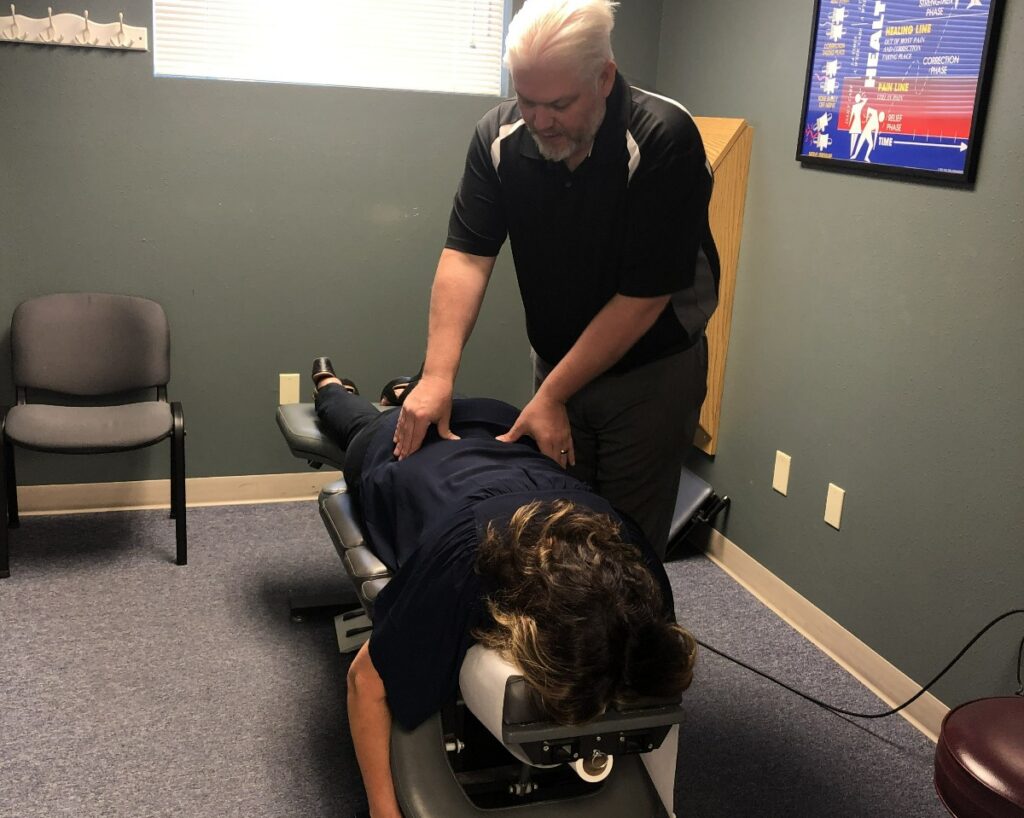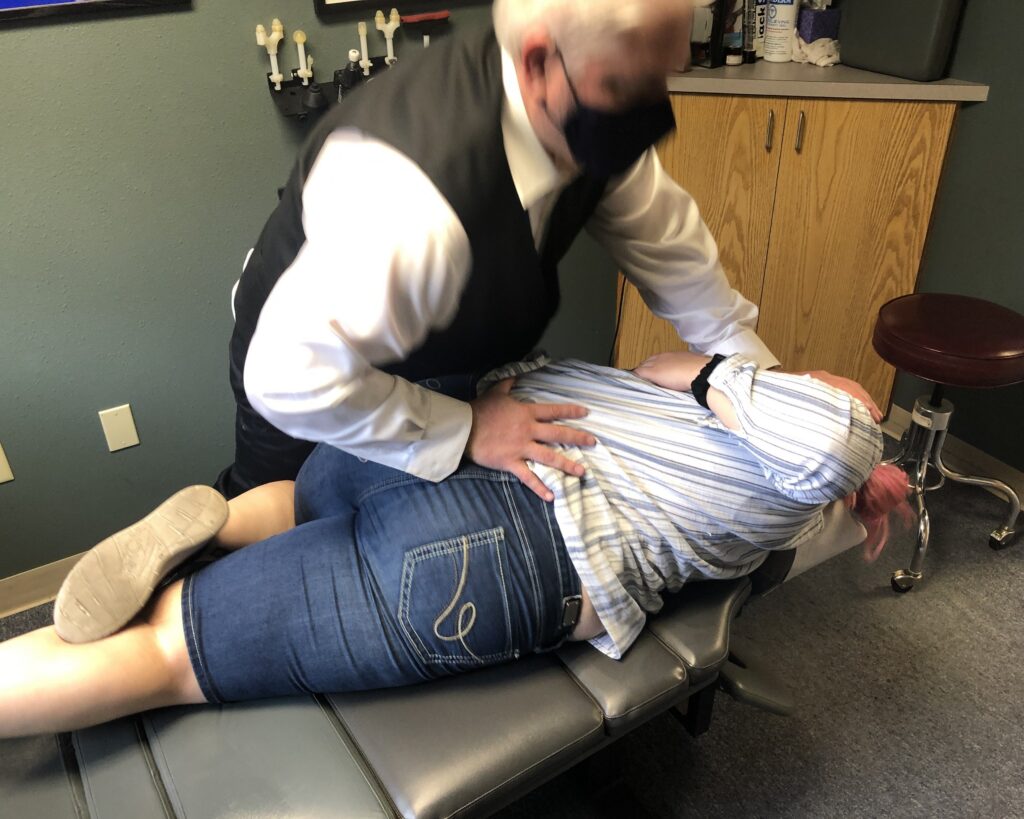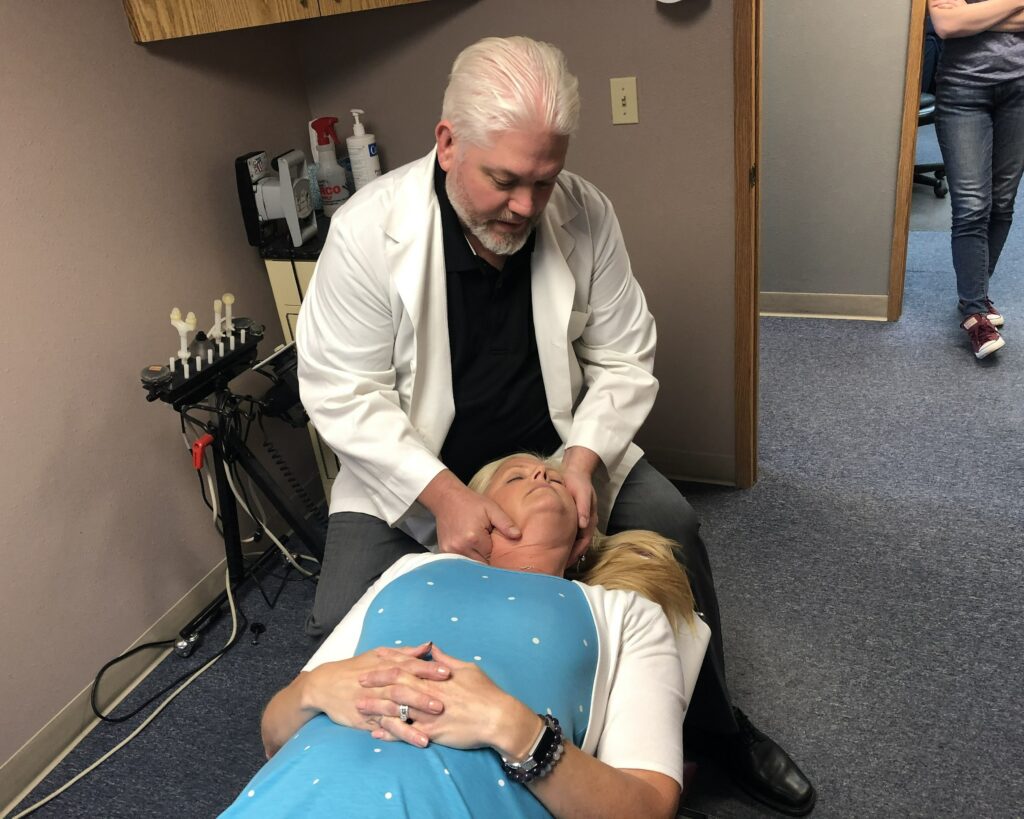

You might not realize just how impactful preventative care can be for your long-term health. By engaging in regular check-ups and screenings, you can catch potential issues before they escalate, greatly reducing your risk of chronic diseases. It's not just about avoiding illness; it's about enhancing your overall quality of life and making informed lifestyle choices. As you consider these aspects, you may wonder how these preventative measures could actually save you money and improve your daily experiences. The insights ahead could reshape your approach to health.
Understanding Preventative Care
Understanding preventative care means recognizing its vital role in maintaining your health and well-being. It's not just about treating illnesses when they arise; it's about taking proactive steps to prevent them in the first place. By prioritizing preventative care, you can greatly enhance your quality of life and reduce the likelihood of developing serious health issues down the line.
Preventative care encompasses a variety of services, including regular check-ups, screenings, vaccinations, and lifestyle counseling. These services help you identify potential health risks early, allowing you to make informed decisions regarding your health. For instance, routine screenings can detect conditions like high blood pressure or diabetes, which, if left unchecked, could lead to more severe complications.
When you engage in preventative care, you're also building a partnership with your healthcare provider. This relationship fosters open communication, enabling you to discuss any health concerns or changes you may notice. Your provider can offer tailored advice, ensuring you take the necessary steps to maintain your health.
Moreover, preventative care often leads to cost savings. By addressing health issues early, you can avoid expensive treatments and hospitalizations later on. It's about investing in your health now for a better future.
In essence, embracing preventative care empowers you to take control of your health. It's a commitment to yourself and your well-being, one that pays off in the long run with a healthier, happier life.
Reducing Chronic Disease Risk
To reduce your risk of chronic diseases, regular health screenings are essential to catch issues early.
Making healthy lifestyle choices, like eating well and staying active, can also make a big difference.
Implementing early intervention strategies when needed helps you stay on track for better health.
Regular Health Screenings
Regular health screenings play an essential role in reducing your risk of chronic diseases. By regularly visiting your healthcare provider for check-ups and tests, you can catch potential issues early, before they develop into serious conditions. These screenings can identify risk factors such as high blood pressure, elevated cholesterol levels, or abnormal blood sugar, which are all precursors to chronic illnesses like heart disease and diabetes.
When you stay informed about your health through screenings, you empower yourself to make proactive choices. For instance, if your doctor discovers a risk factor, you can work together to develop a plan to address it. This might include medication, lifestyle adjustments, or further testing.
Additionally, certain screenings, like mammograms or colonoscopies, can detect cancers at an early stage when they're most treatable. By adhering to recommended screening schedules based on your age and risk factors, you enhance your chances of maintaining long-term health.
Healthy Lifestyle Choices
Making healthy lifestyle choices is a powerful way to reduce your risk of chronic diseases. By focusing on what you eat, how much you move, and managing stress, you can greatly improve your overall health.
Start by incorporating a balanced diet rich in fruits, vegetables, whole grains, and lean proteins. These foods provide essential nutrients that help your body function effectively and can lower your risk of conditions like diabetes and heart disease.
Regular physical activity is equally important. Aim for at least 150 minutes of moderate exercise each week. This could be anything from brisk walking to cycling; the key is to find activities you enjoy and stick with them.
Exercise not only helps you maintain a healthy weight but also boosts your mood and energy levels.
Don't overlook the importance of mental well-being. Practices like meditation, deep breathing, or even spending time with loved ones can help manage stress and anxiety, which are linked to chronic health issues.
Early Intervention Strategies
Early intervention strategies play an essential role in reducing the risk of chronic diseases. By identifying health issues early, you can take proactive steps to manage or even prevent serious conditions. Regular screenings and check-ups are critical; they help you catch potential problems before they escalate. For instance, monitoring blood pressure and cholesterol levels can alert you to heart disease risks.
Incorporating lifestyle changes early on can also make a significant difference. If you're at risk for diabetes, adjusting your diet and increasing physical activity can help you maintain healthy blood sugar levels. Additionally, engaging in educational programs about nutrition and exercise empowers you to make informed choices.
Don't underestimate the power of mental health either. Early intervention in mental health issues, such as stress or anxiety, can prevent complications down the line. Support groups, therapy, or simple self-care routines can strengthen your resilience.
Ultimately, prioritizing early intervention strategies not only enhances your overall well-being but also reduces healthcare costs in the long run.
Take charge of your health now, and you'll reap the benefits for years to come.
Enhancing Quality of Life
Preventative care not only helps you prevent chronic diseases but also greatly boosts your mental well-being.
By encouraging healthy lifestyle choices, you're setting the foundation for a happier, more fulfilling life.
Embracing these practices can truly enhance your overall quality of life.
Preventing Chronic Diseases
Chronic diseases can dramatically lower your quality of life, but you have the power to reduce your risk through proactive health measures. By focusing on prevention, you can make noteworthy strides in maintaining your overall health and well-being.
Start by adopting a balanced diet rich in fruits, vegetables, whole grains, and lean proteins. This not only fuels your body but also strengthens your immune system.
Regular physical activity is another essential factor. Aim for at least 150 minutes of moderate exercise each week. This can help you maintain a healthy weight, lower blood pressure, and reduce the risk of developing conditions like diabetes and heart disease.
Don't overlook the importance of regular check-ups and screenings. Early detection can lead to better management of potential health issues before they escalate. Stay on top of vaccinations, and don't hesitate to discuss any family history of chronic diseases with your healthcare provider.
Finally, prioritize quality sleep and manage stress effectively. Both play a crucial role in your physical health.
Mental Well-Being Improvement
Maintaining your physical health is closely tied to your mental well-being, and improving your mental health can greatly enhance your overall quality of life. Engaging in preventative care can lead to significant improvements in your mental state. Regular check-ups, screenings, and health education empower you to take charge of your mental health, helping to identify issues before they escalate.
By prioritizing preventative care, you can build resilience against stress and anxiety. This proactive approach encourages you to develop coping strategies that contribute to emotional stability. When you feel good physically, it often translates to a more positive mental outlook.
Additionally, being mindful of your mental health fosters better relationships with those around you. You'll find that improved emotional well-being allows you to connect more deeply with family and friends, enhancing your support system.
Encouraging Healthy Lifestyle Choices
Making healthy lifestyle choices is crucial for enhancing your quality of life. When you prioritize nutritious eating, regular exercise, and sufficient sleep, you not only boost your physical health but also improve your mental well-being. It's about creating habits that support longevity and vitality.
Start by incorporating more whole foods into your diet. Fill your plate with fruits, vegetables, lean proteins, and whole grains. These foods provide the important nutrients your body needs to function at its best.
Pair this with regular physical activity—aim for at least 150 minutes of moderate exercise each week. Whether it's brisk walking, swimming, or dancing, find activities you enjoy.
Don't underestimate the power of hydration and rest. Drinking plenty of water and getting adequate sleep can greatly enhance your energy levels and cognitive function.
Additionally, managing stress through mindfulness practices or hobbies can further improve your overall health.
Cost Savings Over Time
Investing in preventative care can lead to significant cost savings over time. By prioritizing regular check-ups and screenings, you can catch health issues early, which often translates into less expensive treatments. When you take proactive steps, not only do you protect your health, but you also safeguard your wallet.
Here's how preventative care can save you money:
- Reduced Emergency Visits: Regular check-ups help you avoid serious health issues that require urgent care.
- Lower Prescription Costs: Early interventions can prevent chronic conditions that lead to expensive long-term medications.
- Fewer Hospitalizations: Proactive health management reduces the likelihood of needing hospital stays, which can be financially burdensome.
- Increased Productivity: Healthy individuals tend to miss fewer workdays, maintaining income and job stability.
- Long-Term Health Savings: By investing in your health now, you can avoid costly treatments down the line.
When you consider the potential for higher medical costs later, the upfront investment in preventative care becomes even more appealing.
Additionally, many insurance plans cover preventative services at no cost to you, making it an even smarter choice. Embracing preventative care isn't just about staying healthy; it's a financially savvy decision that pays off in the long run.
Building a Healthier Lifestyle
A healthier lifestyle starts with small, intentional choices that can lead to lasting changes. You don't need to overhaul your life overnight; instead, focus on making gradual adjustments that fit into your daily routine.
Start by evaluating your diet. Incorporating more fruits and vegetables, drinking plenty of water, and reducing processed foods can greatly enhance your overall well-being.
Next, consider your physical activity levels. Aim for at least 30 minutes of moderate exercise most days of the week. This doesn't mean you have to hit the gym every day; simple activities like walking, biking, or dancing can boost your fitness without feeling overwhelming. Find something you enjoy, and you'll be more likely to stick with it.
Don't overlook the importance of mental health. Incorporating mindfulness practices, like meditation or journaling, helps you manage stress and maintain emotional balance. Regularly taking time for yourself can improve your focus and resilience.
Sleep is another essential component. Prioritize getting 7-9 hours of quality sleep each night to support your body's recovery and overall health. Establish a consistent sleep schedule, and create a calming bedtime routine to help you wind down.
Lastly, surround yourself with supportive people who encourage your healthy choices. Building a network of friends or family who share similar goals can keep you motivated.
Importance of Regular Screenings
Regular screenings are essential for maintaining your health and catching potential issues early. These preventive measures enable you to take charge of your well-being and identify health risks before they escalate into serious problems. By scheduling regular screenings, you're investing in your health and future.
Here's why regular screenings are so important:
- Early Detection: Many health issues develop without noticeable symptoms. Screenings can help catch these conditions in their early stages, improving treatment outcomes.
- Personalized Risk Assessment: Screenings provide valuable information about your specific health risks based on your age, family history, and lifestyle choices, allowing for tailored recommendations.
- Preventive Action: If a screening reveals a potential problem, you can work with your healthcare provider to implement preventive measures or lifestyle changes to minimize risks.
- Peace of Mind: Regular check-ups can alleviate anxiety about your health. Knowing you're staying on top of your health can provide reassurance.
- Cost-Effectiveness: Addressing health issues early can save you money in the long run. Treating a condition in its early stages is often far less expensive than managing a chronic illness.
Incorporating regular screenings into your healthcare routine is a proactive step towards a healthier life.
Whether it's a blood test, a mammogram, or a colonoscopy, these screenings can empower you with knowledge and lead to better health outcomes.
Make sure to prioritize them as part of your preventative care strategy!
Vaccinations and Immunity
Maintaining your health isn't just about screenings; vaccinations play an important role in building and sustaining your immunity. When you receive vaccinations, you're fundamentally training your immune system to recognize and combat specific pathogens. This proactive approach helps protect you from serious diseases, reducing your risk of severe illness and hospitalization.
You might think of vaccinations as a shield against infectious diseases like measles, flu, or COVID-19. These vaccines contain weakened or inactivated parts of the germ that causes the disease, prompting your body to produce antibodies. These antibodies remain in your system, ready to fight off the real virus if you're exposed in the future. This immunity not only benefits you but also helps protect those around you, especially those who can't get vaccinated due to medical reasons.
Staying current with vaccinations is vital. As new strains of viruses emerge, booster shots may be necessary to maintain immunity. It's important to consult your healthcare provider about which vaccines are recommended for your age and lifestyle. They can help you stay on track with immunizations tailored to your needs.
Incorporating vaccinations into your health routine is a simple yet powerful way to enhance your overall wellness. By prioritizing this aspect of preventative care, you're not only safeguarding your health but also contributing to the broader community's well-being.
Mental Health Benefits
Many people overlook the importance of mental health in their overall wellness journey. When you prioritize preventative care, you not only safeguard your physical health but also enhance your mental well-being.
Taking proactive steps can greatly improve your emotional state, resilience, and overall quality of life.
Engaging in preventative care practices can lead to numerous mental health benefits, including:
- Reduced anxiety and stress: Regular check-ups and self-care help you manage stress levels more effectively.
- Improved mood stability: Consistent routines and health screenings can keep your mood swings in check.
- Enhanced self-esteem: When you take charge of your health, you cultivate a sense of empowerment and confidence.
- Better coping skills: Learning about mental health and engaging in preventative practices equips you with tools to handle life's challenges.
- Stronger relationships: By focusing on your mental health, you create a more positive environment for yourself and those around you.
Conclusion
Incorporating preventative care into your routine can transform your health and well-being. By prioritizing regular check-ups, screenings, and vaccinations, you're not just reducing the risk of chronic diseases; you're also enhancing your quality of life. The long-term cost savings and improvements in your lifestyle are invaluable. Embrace these practices today to build a healthier future for yourself and contribute to a stronger community. Remember, investing in your health now pays off later!