
Managing chronic pain involves more than just alleviating symptoms; it's about embracing a holistic approach to enhance your overall well-being. As your local chiropractor, I want to emphasize the importance of proactive strategies that can significantly improve your quality of life. By incorporating elements like proper nutrition, consistent exercise, and mindfulness practices, you can build a stronger foundation for both your body and mind.
You may be surprised to learn that even small adjustments in your daily routine can yield remarkable results. For instance, incorporating stretches and exercises tailored to your specific needs can help improve flexibility and strength, which are crucial in managing pain. Additionally, mindfulness techniques can help you develop a better relationship with your body and reduce stress levels, which often exacerbate pain.
Let's explore some specific strategies that can be adapted to your unique situation. Whether you're dealing with back pain, joint issues, or other chronic conditions, I'm here to guide you on this journey towards wellness through natural healing methods. Together, we can create a personalized plan that empowers you to take control of your health and well-being.
Understanding Chronic Pain
What does chronic pain truly signify for individuals living with it? It goes beyond merely feeling discomfort; it's an ongoing battle that can impact various facets of your life. You may struggle to carry out everyday activities, find joy in your hobbies, or even maintain meaningful social connections. Chronic pain often brings about feelings of frustration, isolation, and helplessness. Waking up each morning with the expectation of discomfort can be mentally and physically draining.
As a chiropractor, I want to help you understand the complexity of chronic pain. Unlike acute pain, which serves a protective role and typically subsides as healing occurs, chronic pain lingers long after an injury or illness has healed. It can arise from numerous sources, such as conditions like arthritis, fibromyalgia, or nerve damage. The intensity of chronic pain can vary day to day, making it difficult to predict how you'll feel at any given moment.
Additionally, chronic pain isn't just a symptom; it can change the way your brain processes pain signals. Many individuals experience increased sensitivity, where even mild stimuli can trigger significant discomfort. This phenomenon, known as central sensitization, highlights the intricate nature of chronic pain, intertwining physical, emotional, and psychological elements.
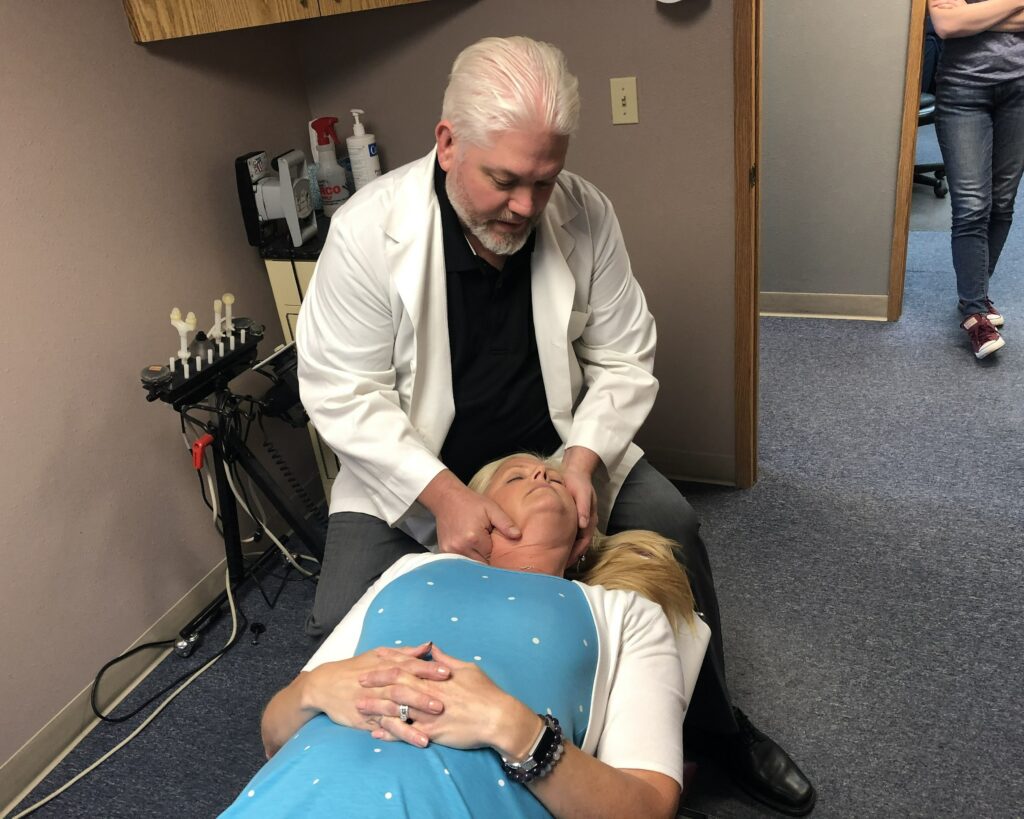
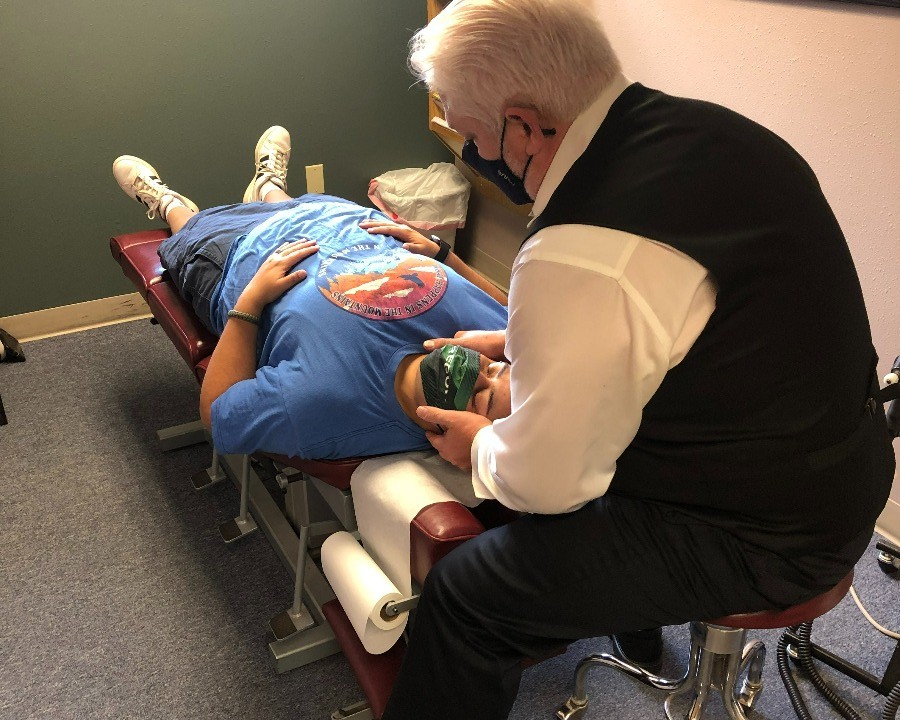
At our chiropractic clinic, we focus on natural healing methods to address the root causes of chronic pain. Through techniques such as spinal adjustments, soft tissue therapy, and personalized exercise plans, we aim to restore balance to your body and promote healing.
We believe in empowering you with knowledge and tools to manage your pain effectively, so you can reclaim your life and enjoy the activities and relationships that matter most to you.
The Role of Nutrition
As a local chiropractor, I want to emphasize the crucial role that nutrition plays in managing chronic pain. The foods you choose to eat can significantly impact your discomfort—either alleviating it or making it worse. This is why your dietary choices are essential to your overall well-being.
I recommend focusing on incorporating anti-inflammatory foods into your diet. Think about adding more fruits, vegetables, whole grains, nuts, and seeds to your meals. These foods are loaded with antioxidants and omega-3 fatty acids, which can help reduce inflammation in your body and, in turn, may help ease your pain.
Hydration is also incredibly important. Drinking sufficient water supports your body's functioning and can help prevent issues like muscle cramps and fatigue, both of which can heighten your discomfort. Aim for at least eight glasses of water a day, but adjust this based on your activity level and the climate you're in.
It's also vital to be cautious about sugar and processed foods. These can provoke inflammation and lead to painful flare-ups. Instead, look for foods that have a low glycemic index, such as legumes and whole grains, as they provide energy without causing those uncomfortable spikes in blood sugar.
Another tip is to include natural spices like turmeric and ginger in your meals. Both have well-documented anti-inflammatory properties that can contribute to reducing your pain levels.
Lastly, let's talk about portion control. Overeating can lead to weight gain, which can increase strain on your joints and muscles. By being mindful of your portions, you support not only your overall health but also help manage the effects of chronic pain.
Benefits of Regular Exercise
As a local chiropractor, I want to share with you the incredible benefits of regular exercise, particularly when it comes to managing chronic pain. Think of exercise as a powerful ally in your journey towards improved health and well-being. When you engage in physical activity, you're not just building strength and flexibility; you're also enhancing your body's ability to move freely and comfortably. This improved mobility can make everyday tasks feel much easier and reduce the frustration often associated with chronic pain.
One of the remarkable things about exercise is its ability to promote the release of endorphins, which are your body's natural painkillers. These hormones can elevate your mood and help diminish your perception of pain. Many of my patients have reported feeling not only physically better after a workout but also mentally sharper and more focused.
As you establish a consistent exercise routine, you may find that daily challenges related to pain become more manageable.
Another significant advantage of regular physical activity is its role in maintaining a healthy weight. Excess weight can put additional strain on your joints, exacerbating pain. By staying active and managing your weight, you can reduce this pressure, leading to meaningful relief from discomfort.
Moreover, exercise can greatly improve your sleep patterns. Quality sleep is essential for recovery, and better rest can lead to decreased pain sensitivity. When you wake up feeling more energized, you're better equipped to face the day, which positively impacts both your physical and emotional health.
I encourage you to incorporate exercise into your daily routine, and remember, it doesn't need to be overwhelming. Start small and gradually increase your activity levels. Every little step counts towards effectively managing chronic pain and enhancing your overall well-being.
If you have any questions or need guidance on how to get started, feel free to reach out to me. Together, we can create a plan that works for you!
Mindfulness and Stress Reduction
As a local chiropractor, I often see patients who feel overwhelmed by stress, particularly those dealing with chronic pain. It's a prevalent issue, but I want you to know that you can gain control through natural healing methods, including mindfulness and stress reduction techniques. These practices encourage you to focus on the present moment, which can significantly lessen anxiety and enhance your overall well-being.
Here are some effective strategies that I recommend to my patients:
- Breathing Exercises: Engaging in deep breathing can be a powerful tool to calm both your mind and body. Try inhaling deeply for a count of four, holding that breath for another four, and then exhaling slowly for a count of four. Repeat this as often as you need to help center yourself.
- Meditation: I encourage setting aside a few minutes each day for meditation. You can focus on your breath or use a guided meditation app to aid in clearing your mind and promoting relaxation.
- Progressive Muscle Relaxation: This technique involves tensing and then relaxing each muscle group in your body. It not only helps relieve physical tension but also heightens your awareness of how your body feels, which is essential in managing pain.
- Mindful Walking: Taking a walk outdoors while focusing on the sights, sounds, and smells around you can be incredibly grounding. This practice helps you stay present and can significantly reduce stress levels.
- Journaling: Writing down your thoughts and feelings, particularly those related to your pain, can be a therapeutic process. It helps you to process your emotions and can provide new perspectives on your experiences.
Integrating these mindfulness techniques into your daily routine can greatly alleviate stress and enhance your ability to manage chronic pain.
Remember, you're not alone on this journey. By taking small steps toward mindfulness, you may discover a sense of relief and empowerment as you navigate your healing process.
As your chiropractor, I'm here to support you every step of the way.
Creating a Personalized Wellness Plan
Creating a personalized wellness plan is essential for effectively managing chronic pain and improving your overall health. As a local chiropractor, I want to guide you on how to develop a plan that's tailored to your unique needs, preferences, and lifestyle, ensuring it's practical and sustainable.
First, it's important to evaluate your current pain levels and identify any triggers. I recommend keeping a daily journal to document your symptoms, activities, and emotional well-being. This practice can help you identify patterns and make informed decisions about your care.
Next, let's talk about incorporating a variety of wellness practices into your routine. Physical activity is a cornerstone of pain management, and I suggest focusing on low-impact exercises such as swimming, walking, or yoga. These activities can be gentle on your body while still providing benefits. Aim for at least 150 minutes of moderate exercise each week to maintain mobility and strength.
In addition to exercise, consider exploring therapeutic options that I offer in my practice, such as chiropractic adjustments, massage therapy, and acupuncture. These natural healing methods can provide significant relief from pain and discomfort by addressing the root causes of your issues.
Nutrition also plays a critical role in managing chronic pain. A balanced diet rich in anti-inflammatory foods can make a difference. Focus on incorporating plenty of fruits, vegetables, whole grains, and healthy fats, while minimizing processed foods and sugars. Don't forget the importance of staying hydrated as well!
I highly recommend incorporating mindfulness techniques into your daily routine. Practices such as meditation or deep breathing can help reduce stress and improve your mental resilience, making it easier for you to cope with pain.
Finally, it's important to set realistic goals and monitor your progress. Celebrate your small victories along the way and be open to adjusting your plan as needed.
Conclusion
As a local chiropractor, I want to share how incorporating preventive wellness strategies can enhance your quality of life while managing chronic pain. By focusing on nutritious foods, engaging in regular exercise, and practicing mindfulness, you can empower yourself to take control of your pain.
Chiropractic care emphasizes the importance of a holistic approach to health, which includes not just spinal adjustments, but also lifestyle modifications. Collaborating with me and other healthcare professionals, we can create a personalized wellness plan tailored to your unique needs. Remember, even small, consistent changes in your daily routine can lead to significant, lasting results. Together, we can help you live a healthier, more fulfilling life despite the challenges posed by chronic pain.