
When it comes to managing chronic pain, you're likely aware that a one-size-fits-all solution doesn't exist. However, implementing specific preventative strategies can greatly improve your quality of life. From incorporating low-impact exercises to adopting an anti-inflammatory diet, each step you take can pave the way for better pain management. You might also find that mindfulness practices and a strong support network make a noticeable difference. But what are the most effective methods to integrate these strategies into your daily routine? Let's explore some practical approaches that could transform your experience.
Understanding Chronic Pain
Living with chronic pain can be a challenging experience, often leaving you feeling overwhelmed and uncertain. It's important to understand that chronic pain isn't just a symptom; it's a complex condition that can affect your physical, emotional, and mental well-being.
Unlike acute pain, which arises from injury or illness and typically resolves as you heal, chronic pain persists for months or even years. This pain can stem from various sources, including conditions like arthritis, fibromyalgia, or nerve damage.
You might experience different types of pain, like sharp, stabbing sensations, or a dull, aching discomfort. Your pain could fluctuate in intensity, making daily tasks seem intimidating. This unpredictability can affect your mood and energy levels, leaving you feeling frustrated or helpless.
It's crucial to recognize that chronic pain isn't just "in your head." The brain processes pain signals differently in those with chronic pain, which can complicate your experience and response to treatment.
Understanding your unique pain experience is significant. Keep a pain diary to track patterns, triggers, and coping mechanisms that work for you. Knowing what exacerbates your pain can empower you to make informed choices about your lifestyle.
Importance of Preventative Strategies
Implementing preventative strategies is essential for managing chronic pain and enhancing your overall quality of life. When you take proactive steps, you can markedly reduce the intensity and frequency of your pain. This not only helps you regain control but also empowers you to lead a more fulfilling life.
Preventative strategies allow you to be the architect of your well-being, rather than just a passive recipient of treatments. By actively participating in your health journey, you can foster a sense of hope and resilience.
Think about the difference it makes when you:
- Feel empowered to take charge of your health, rather than feeling like a victim of your circumstances.
- Experience fewer flare-ups, which can lead to more enjoyable moments with loved ones and a sense of normalcy.
- Rediscover your passions, whether it's gardening, painting, or simply enjoying a walk in the park, which enriches your life and boosts your mood.
Incorporating these strategies into your routine creates a supportive environment for healing. By focusing on prevention, you're not just managing symptoms; you're enhancing your overall well-being.
It's about creating a lifestyle that prioritizes your health, allowing you to thrive despite the challenges of chronic pain. Remember, every small step you take can lead to notable changes, helping you cultivate a brighter, pain-managed future.
Regular Exercise and Movement
Regular exercise and movement can greatly improve your quality of life when managing chronic pain.
By choosing low-impact activities and incorporating stretching routines, you'll help reduce discomfort and enhance mobility.
Let's explore how consistent movement can become a valuable part of your pain management strategy.
Benefits of Consistent Movement
Engaging in consistent movement can be a game changer for managing chronic pain. When you make movement a regular part of your life, you'll notice significant benefits that extend beyond just physical relief.
Consistency helps improve your strength, flexibility, and overall well-being, allowing you to reclaim some of the joy that pain may have taken away.
Here are some emotional benefits you might experience:
- Increased independence: You'll feel more in control of your body and your life, allowing you to participate in activities you love.
- Enhanced mood: Regular movement releases endorphins, the body's natural painkillers, which can elevate your mood and decrease feelings of anxiety.
- Stronger connections: Engaging in group activities or classes can foster social connections, combating feelings of isolation that often accompany chronic pain.
Incorporating consistent movement into your routine doesn't have to be overwhelming. Start small, listen to your body, and gradually increase your activity level.
Every little step counts, and you'll likely find that consistent movement becomes an essential tool in managing your chronic pain effectively.
Choosing Low-Impact Activities
Choosing low-impact activities is essential for anyone managing chronic pain, as they provide effective ways to stay active without putting excessive strain on your body. Engaging in these activities can help improve your strength, flexibility, and overall well-being. Options like walking, swimming, cycling, or yoga allow you to stay moving while minimizing discomfort.
When you choose low-impact exercises, it's important to listen to your body. Start with shorter sessions and gradually increase your duration and intensity as you feel comfortable. This approach helps prevent flare-ups and guarantees you enjoy the benefits of movement.
Consider joining classes or groups focused on low-impact activities. This social element can boost your motivation and make exercising more enjoyable.
Also, focus on activities that you genuinely enjoy—whether it's dancing, tai chi, or gentle aerobics.
Incorporating Stretching Routines
Incorporating a stretching routine into your daily schedule can be a game-changer for managing chronic pain. Stretching helps improve flexibility, increases blood flow, and can greatly reduce muscle tension. By dedicating just a few minutes each day to stretch, you're taking an important step toward alleviating discomfort and enhancing your overall well-being.
Here are a few reasons why you should consider incorporating stretching into your routine:
- Relief from tension: You'll feel the tightness melting away, offering a sense of calm and relaxation.
- Improved mobility: Enhanced flexibility allows you to move more freely, making daily tasks easier and more enjoyable.
- Empowerment: Taking control of your pain management can boost your confidence and motivation.
Start with simple stretches tailored to your specific needs. Focus on areas where you feel the most discomfort, and gradually increase the duration and intensity as your body adapts.
Balanced Nutrition and Diet
When it comes to managing chronic pain, balanced nutrition and diet play an essential role in your overall well-being. What you eat can notably impact inflammation levels, energy levels, and even your mood. To start, focus on incorporating whole, nutrient-dense foods into your meals. Fresh fruits, vegetables, lean proteins, and whole grains provide the vitamins and minerals your body needs to function at its best.
Omega-3 fatty acids, found in fatty fish like salmon, walnuts, and flaxseeds, are particularly beneficial for reducing inflammation. Including these in your diet can help alleviate some pain symptoms. Additionally, spices like turmeric and ginger have anti-inflammatory properties that can be easily added to your meals.
It's also vital to stay hydrated. Water supports overall bodily functions and helps maintain joint health. Aim to drink enough fluids throughout the day, as dehydration can lead to discomfort and exacerbate pain.
On the other hand, try to limit processed foods, added sugars, and excessive salt, as these can contribute to inflammation and worsen chronic pain. Pay attention to how different foods affect your body; keeping a food journal can help you identify patterns and triggers.
Lastly, consider smaller, more frequent meals instead of large ones, as this can help stabilize energy levels and prevent spikes in discomfort.
Mindfulness and Meditation Techniques
Embracing mindfulness and meditation techniques can greatly enhance your ability to manage chronic pain. By focusing on the present moment, you can develop a greater awareness of your body and the sensations you experience. This awareness can help you detach from pain, reducing its emotional impact and allowing you to live more fully.
Regular practice encourages relaxation, which can decrease stress hormones that often exacerbate pain.
To get started, try setting aside just a few minutes each day for mindfulness or meditation. Find a quiet space, sit comfortably, and focus on your breath. Allow thoughts to come and go without judgment. Over time, you'll notice improvements not just in your pain management, but also in your overall well-being.
Consider these emotional benefits of mindfulness and meditation techniques:
- Reduced anxiety: You'll learn to calm racing thoughts, helping you feel more at peace.
- Enhanced self-awareness: You'll become more attuned to your body, recognizing patterns that trigger pain.
- Improved emotional resilience: You'll find it easier to cope with pain flare-ups, maintaining a positive outlook.
Incorporating these practices into your daily routine can be transformative. Remember, it's about progress, not perfection. Each moment spent in mindfulness is a step toward greater control over your pain.
Continue exploring different techniques, and find what resonates most with you. Your journey toward managing chronic pain can be enriched through the power of mindfulness and meditation.
Cognitive Behavioral Therapy
Cognitive Behavioral Therapy (CBT) can be a powerful tool in managing your chronic pain.
By understanding its techniques, you can gain better control over your pain and improve your overall well-being.
Let's explore how therapy sessions can benefit you and help reshape your thoughts and behaviors surrounding pain.
Understanding Cognitive Behavioral Therapy
Understanding how Cognitive Behavioral Therapy (CBT) works can greatly enhance your approach to managing chronic pain. CBT focuses on the connection between your thoughts, feelings, and behaviors. By identifying and changing negative thought patterns, you can reduce the emotional burden of pain and improve your overall well-being.
Here's how CBT can make a significant difference in your life:
- It helps you regain a sense of control over your pain, empowering you to take charge of your health.
- You'll learn coping strategies that make daily activities more manageable, decreasing feelings of helplessness.
- CBT encourages you to challenge unhelpful beliefs, fostering a more positive mindset that can lead to reduced pain perception.
Techniques for Pain Management
When managing chronic pain, several effective techniques from Cognitive Behavioral Therapy (CBT) can help you regain control and improve your quality of life.
One approach is identifying and challenging negative thoughts related to your pain. By recognizing these thoughts, you can replace them with more balanced and constructive perspectives. This shift can greatly reduce the emotional burden of chronic pain.
Another useful technique is developing coping strategies. You can learn specific skills to manage pain-related stress, such as relaxation exercises or mindfulness practices. These methods can help you stay grounded and reduce anxiety when pain flares up.
Setting realistic goals is also vital. Break down your daily activities into smaller, manageable tasks. Celebrate your achievements, no matter how small, to build confidence and motivation.
Finally, keep a pain diary. Tracking your pain levels, triggers, and emotional responses can provide valuable insights. This can help you and your healthcare provider tailor your pain management plan more effectively.
Benefits of Therapy Sessions
Therapy sessions provide invaluable support for individuals dealing with chronic pain through Cognitive Behavioral Therapy (CBT). This therapeutic approach helps you identify and challenge negative thought patterns that often accompany chronic pain. By learning to reframe your thoughts, you can reduce feelings of helplessness and despair.
CBT offers several benefits that can greatly enhance your quality of life:
- Empowerment: You gain the tools to manage your pain, fostering a sense of control over your life.
- Emotional Relief: By addressing anxiety and depression associated with chronic pain, you can experience improved emotional well-being.
- Enhanced Coping Strategies: You'll learn practical techniques to cope with pain more effectively, leading to better day-to-day functioning.
Engaging in therapy sessions not only helps you understand the psychological aspects of pain but also supports your journey toward healing.
You'll find that exploring your thoughts and feelings in a safe environment can lead to profound insights and lasting change. By embracing CBT, you can cultivate resilience and hope, paving the way for a more fulfilling life despite chronic pain.
Physical Therapy Options
Physical therapy offers a range of options for managing chronic pain, helping you regain mobility and improve your quality of life. One effective approach is exercise therapy, where a licensed physical therapist designs a personalized program that targets your specific pain points. This might include stretching, strengthening exercises, and aerobic activities that enhance your overall function.
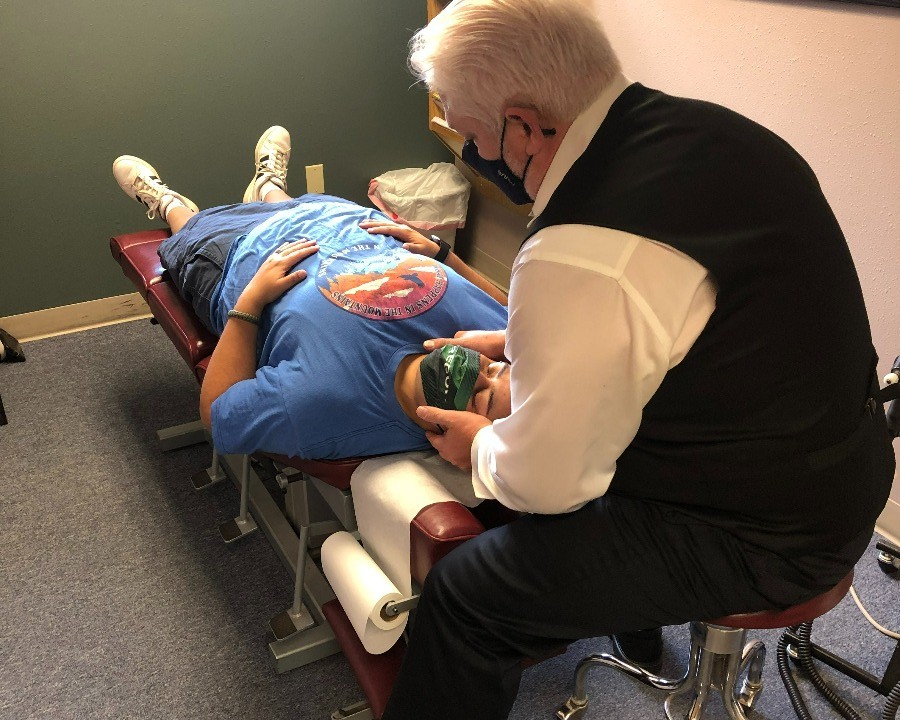
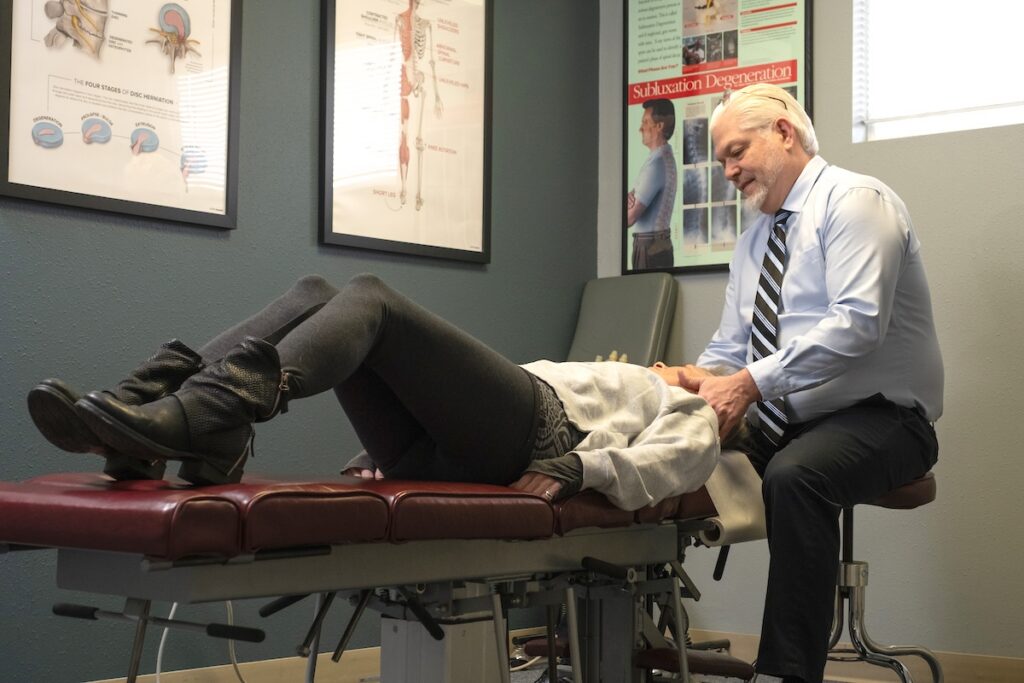
Manual therapy is another key option. Your therapist may use hands-on techniques to manipulate your muscles and joints, reducing tension and improving circulation. This can be particularly beneficial for conditions like arthritis or back pain, where tightness and inflammation are common.
Therapeutic modalities, such as heat, cold, ultrasound, or electrical stimulation, can also play a role. These techniques help alleviate pain, reduce swelling, and promote healing by enhancing blood flow to the affected areas. Your therapist will determine which modalities best fit your needs.
Education is essential in physical therapy. Your therapist will teach you about your condition, helping you understand how to manage your pain effectively. You'll learn proper body mechanics and posture to prevent further injury and maintain your progress.
Finally, developing a home exercise program guarantees you can continue your progress outside of therapy sessions. Regular practice of the exercises you've learned reinforces the benefits and promotes long-term management of your chronic pain.
Alternative Therapies and Treatments
When managing chronic pain, you might consider exploring alternative therapies and treatments that could complement traditional methods.
Acupuncture, herbal remedies, and mindfulness techniques are just a few options that have helped many people find relief.
Let's look at how each of these approaches can make a difference in your pain management journey.
Acupuncture for Pain Relief
Acupuncture has gained recognition as an effective alternative therapy for managing chronic pain. This ancient practice involves inserting fine needles into specific points on your body, aiming to restore balance and promote healing. If you're struggling with pain, you might find acupuncture offers a new perspective on relief.
Many people experience a sense of calm and improved well-being after sessions. Here are a few reasons why you might want to evaluate acupuncture:
- It's drug-free: You can reduce your reliance on medications and their potential side effects.
- Holistic approach: Acupuncture looks at your whole body, addressing both physical and emotional pain.
- Personalized treatment: Each session can be tailored to your specific needs, allowing for a unique healing experience.
While results can vary, numerous studies support acupuncture's effectiveness for various chronic pain conditions, including back pain, arthritis, and migraines.
Herbal Remedies and Supplements
Herbal remedies and supplements can play a significant role in managing chronic pain, offering you natural alternatives to conventional medications. Many people find relief from various herbs and supplements that have anti-inflammatory or analgesic properties.
For instance, turmeric, with its active component curcumin, is known for its strong anti-inflammatory effects, making it a popular choice for pain relief.
Ginger is another effective option; it helps reduce muscle pain and soreness, and it may also alleviate arthritis symptoms. Additionally, boswellia, an herbal extract, has shown potential in reducing inflammation and improving joint function.
You might also consider omega-3 fatty acids found in fish oil, which can help lower inflammation and promote joint health. Devil's claw is another herbal supplement that may reduce pain and improve mobility in people with arthritis.
Before starting any new herbal regimen, it's essential to consult with your healthcare provider, especially if you're taking other medications. They can help guarantee that your chosen remedies won't interact negatively with your current treatments.
Mindfulness and Meditation Techniques
Incorporating mindfulness and meditation techniques into your pain management routine can considerably enhance your overall well-being.
These practices help you focus on the present moment, allowing you to reduce stress and cultivate a sense of calm. By engaging in mindfulness, you can develop a better relationship with your pain, transforming how you respond to it.
Consider these powerful benefits of mindfulness and meditation:
- Emotional resilience: You'll learn to observe your pain without judgment, which can help you respond to discomfort with compassion rather than frustration.
- Increased relaxation: Mindfulness techniques like deep breathing can trigger your body's relaxation response, easing muscle tension and lowering anxiety.
- Greater self-awareness: Regular practice helps you tune into your body's signals, giving you insights into triggers and patterns that can aid in better pain management.
Building a Support Network
Building a support network is essential when managing chronic pain, as it can provide you with the emotional and practical assistance needed to navigate daily challenges. Surrounding yourself with understanding friends, family, and professionals can make a significant difference in how you cope with pain and its effects on your life.
Start by identifying people in your life who are supportive and empathetic. These might be close friends or family members who can lend an ear or offer help when you're feeling overwhelmed. Don't hesitate to reach out and share your experiences with them; it can strengthen your bond and help them understand what you're going through.
Additionally, consider joining support groups, either in-person or online. These groups connect you with others facing similar challenges, allowing you to share tips, resources, and emotional support. Hearing others' stories can be comforting and help you feel less isolated.
Don't forget about healthcare professionals, too. A therapist or counselor can provide you with coping strategies and tools to manage your pain, while doctors and specialists can offer medical advice tailored to your needs.
Finally, remember that building a support network takes time. Be patient with yourself and others as you navigate this journey. By fostering these connections, you'll create a foundation that can help you not only manage your chronic pain but also improve your overall quality of life.
Embrace the support around you—it can be a game-changer in your journey toward better health.
Tracking Pain and Progress
Tracking your pain and progress is essential for understanding how your condition evolves over time. By keeping a record of your pain levels, triggers, and responses to treatments, you can gain valuable insights that empower you to manage your chronic pain more effectively.
This process not only helps you identify patterns but also allows you to communicate more clearly with your healthcare providers, leading to better treatment plans.
To get started, consider using a journal, a smartphone app, or any method that works best for you. Make sure to note the following:
- Pain Levels: Rate your pain on a scale of 1 to 10, noting the intensity and frequency throughout the day.
- Triggers: Identify activities, foods, or stressors that seem to exacerbate your pain, as well as those that bring relief.
- Treatment Responses: Document how different treatments—be it medication, physical therapy, or alternative therapies—affect your pain levels.
Conclusion
In managing chronic pain, taking a proactive approach makes all the difference. By incorporating regular exercise, balanced nutrition, and mindfulness techniques, you can empower yourself to reduce discomfort and improve your quality of life. Don't underestimate the importance of a supportive network and tracking your progress, as they can provide motivation and insight. Remember, you have the tools to take control of your pain management journey—embrace them and make positive changes for a brighter tomorrow.