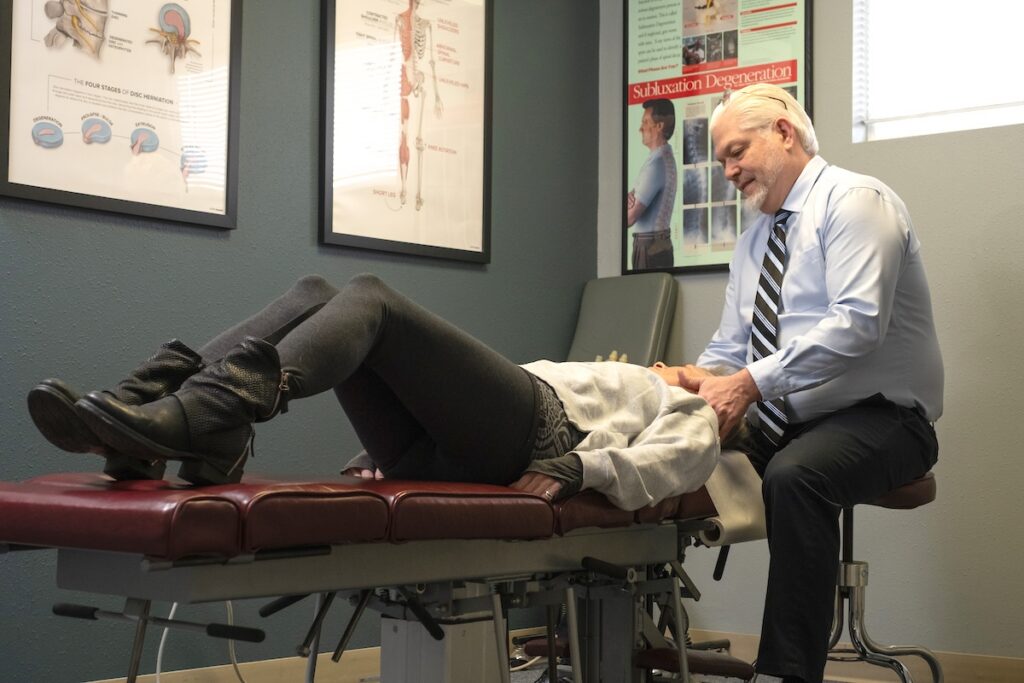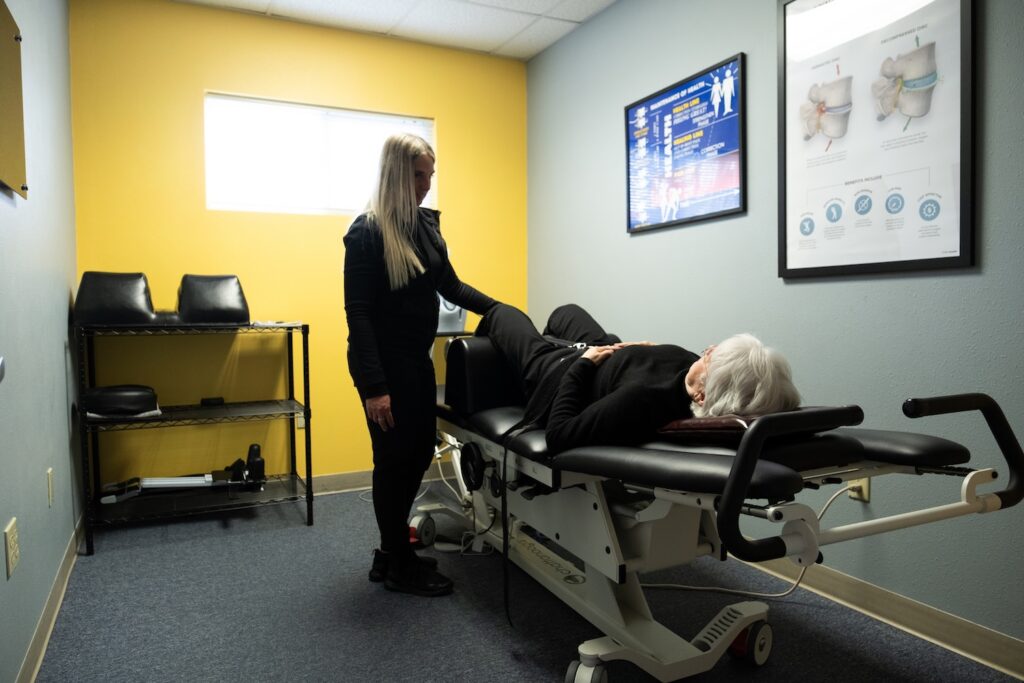

When you're dealing with an injury, it's crucial to prioritize your recovery to enhance your athletic performance. As a local chiropractor, I want to emphasize the importance of understanding your injury and following a personalized rehabilitation plan tailored to your unique needs. Chiropractic care can play a significant role in your recovery process, helping to restore proper function and alleviate pain.
Nutrition is another key aspect of healing that cannot be overlooked. The right foods can provide your body with the essential nutrients it needs to recover efficiently. I often recommend focusing on a balanced diet rich in vitamins and minerals that support tissue repair and reduce inflammation.
In addition to physical care, mental strategies are essential for maintaining focus and motivation throughout your recovery journey. Staying positive and setting small, achievable goals can help keep you engaged and committed to your rehabilitation.
So, what steps should you take to ensure a smooth transition back to your sport? It's important to work closely with your chiropractor to develop a comprehensive recovery plan that includes not just physical rehabilitation, but also nutritional guidance and mental health support. Together, we can explore the key elements that will make a significant difference in your recovery journey and help you return to your athletic pursuits stronger than before.
Understand Your Injury
Understanding your injury is a crucial step towards effective recovery, especially when considering chiropractic care. As a local chiropractor, I want to emphasize that recognizing the type, severity, and implications of your injury can profoundly impact your healing journey.
Begin by acknowledging the symptoms you're facing. Common indicators such as pain, swelling, and restricted movement signal that something is amiss in your body. It's important to listen to these signals and not dismiss them.
Next, reflect on how your injury happened. Did it arise from overexertion, incorrect movement patterns, or a sudden mishap? Understanding the cause is key to not only managing your current injury but also preventing future occurrences. I encourage you to seek a professional evaluation; a chiropractor can provide valuable insights into whether you're dealing with a sprain, strain, or a more complex issue.
Once you have a clear grasp of your injury, it's beneficial to explore its specific recovery timeline. Each type of injury comes with its own healing period, and having realistic expectations can help you maintain a positive mindset. Additionally, gaining knowledge about the affected anatomy and how it relates to your overall physical performance can empower you to make informed choices regarding your recovery.
Moreover, it's vital to be aware of common misconceptions surrounding your injury. Many individuals either underestimate their condition's severity or overestimate their readiness to return to physical activity. Staying well-informed can help you avoid setbacks that might extend your recovery time.
As your chiropractor, I'm here to guide you through this process, offering natural healing methods tailored to your individual needs. Together, we can work towards restoring your health and enhancing your overall well-being.
Follow a Rehabilitation Plan
As a local chiropractor, I want to emphasize the importance of a solid rehabilitation plan for anyone recovering from an injury. This structured approach is essential for healing and can significantly enhance your recovery process.
It's crucial to have a plan that's specifically tailored to your injury and personal needs, allowing you to regain strength and mobility effectively.
To start your journey, I recommend working closely with a qualified healthcare professional, such as a chiropractor, who understands your unique situation. We can create a comprehensive program that not only addresses your injury but also incorporates natural healing methods.
Adhering to the timeline set by your rehabilitation team is vital. It's important to diligently follow the prescribed exercises, rest periods, and any recommendations provided. Consistency is key; missing sessions or neglecting your prescribed routines can hinder your recovery and potentially lead to setbacks.
To stay motivated and engaged, consider documenting your progress regularly.
Incorporating both chiropractic care and at-home exercises into your routine is beneficial. Chiropractic sessions will provide you with guided instruction and hands-on treatment, helping to alleviate discomfort and promote healing.
Meanwhile, at-home exercises will reinforce what you've learned during your sessions. It's essential to perform each exercise correctly to avoid aggravating your injury, which is where your chiropractor can assist you.
Always listen to your body. If you experience pain that exceeds normal discomfort during your rehabilitation exercises, communicate this with your chiropractor. We can adjust your plan to ensure it aligns with your comfort and healing process.
Additionally, setting small, achievable goals throughout your recovery can help boost your confidence and keep you focused.
Focus on Nutrition
As a local chiropractor, I want to emphasize the critical role nutrition plays in your recovery journey. Proper nutrition provides your body with the essential nutrients it needs to heal and regain strength, and it complements the chiropractic care you receive. By focusing on a balanced diet, you can optimize your recovery process and minimize downtime.
Let's explore the key components your body needs during this healing period.
- Protein: This macronutrient is vital for muscle repair and regeneration, which is particularly important after adjustments. Incorporate sources of lean proteins, such as chicken, fish, eggs, or plant-based options like beans and lentils into your meals. Strive to include a good protein source at every meal to support tissue healing and overall recovery.
- Healthy Fats: Healthy fats aren't only delicious but also crucial for reducing inflammation and promoting cell health. Incorporate foods like avocados, nuts, and olive oil into your diet. Omega-3 fatty acids, which are abundant in fatty fish like salmon, are particularly effective in combating inflammation and supporting your recovery efforts.
- Vitamins and Minerals: Micronutrients play a significant role in various bodily functions, including immune support and energy production. Make it a point to consume a variety of colorful fruits and vegetables, as they're rich in vitamins A, C, D, and essential minerals like zinc and magnesium.
These nutrients will enhance your body's ability to heal and recover more effectively.
By incorporating these nutritional elements into your daily meals, you can significantly impact your recovery from chiropractic care. Remember to stay hydrated, eat a variety of nutrient-dense foods, and listen to your body's needs.
Prioritizing nutrition not only supports your healing process but also prepares you for a stronger comeback in your overall health and wellness journey.
Implement Mental Strategies
As a local chiropractor dedicated to your well-being, I want to emphasize that effective mental strategies are just as vital as physical care when it comes to recovering from an injury. Your mindset significantly influences the speed and quality of your healing process.
To begin, it's important to set realistic, achievable goals centered around your recovery. Think of these goals as stepping stones on your journey to wellness. Break them down into smaller, manageable milestones, and remember to celebrate each accomplishment, no matter how small. This practice can enhance your motivation and foster a positive outlook during your recovery.
Visualization is a powerful technique that many people overlook. Imagine yourself fully recovering and returning to your favorite activities or sports. This mental imagery can boost your confidence and help you stay focused on your progress.
Pair visualization with relaxation techniques such as deep breathing or meditation. These methods can alleviate anxiety and help you maintain a calm, centered state, which is essential for effective healing.
Connecting with your support network is also crucial. Share your thoughts and feelings with friends, family, or teammates who understand your experience. This support can provide encouragement and remind you that you're not alone in this journey.
Keeping a journal to document your emotions and thoughts throughout the recovery process can also be beneficial. Writing can help you process your feelings and clarify your goals.
Lastly, it's important to practice patience. Recovery takes time, and it's normal to experience both progress and setbacks. Acknowledge any frustration you may feel, but don't let it hinder your journey.
Gradually Return to Activity
Returning to activity after an injury can feel daunting, but embracing a gradual approach is essential for a successful recovery. As a local chiropractor, I want to emphasize how important it's to listen to your body and ease back into your routine to avoid setbacks. Instead of rushing back into your usual activities, start with gentle movements that will help you regain strength and confidence.
Here are three steps I recommend to help you gradually return to activity:
- Focus on Stretching and Mobility Exercises: Begin with gentle stretching and mobility drills that specifically target the injured area. These exercises enhance flexibility and improve blood flow, which are crucial for healing. Not only will this help set a solid foundation for more vigorous activities, but it also aligns with the principles of natural healing that we prioritize in chiropractic care.
- Integrate Low-Impact Cardio: Once you feel ready, introduce low-impact cardiovascular exercises such as swimming, cycling, or using an elliptical machine. These activities are excellent for building endurance while minimizing stress on your injury. They're also beneficial for overall wellness, as they encourage circulation and support the body's natural healing processes.
- Transition to Sport-Specific Drills: After you've built up your endurance, you can begin to incorporate sport-specific drills at a reduced intensity. For instance, if you're a runner, start with short intervals of jogging mixed with walking. Gradually increase the duration of your running as you feel stronger. This progressive approach helps ensure that your body adapts appropriately, reducing the risk of re-injury.
Conclusion
Injury recovery can feel overwhelming, but it doesn't have to be. As your local chiropractor, I want to share some insights on how to navigate this process with confidence. First and foremost, understanding the nature of your injury is crucial. This knowledge will empower you as we work together on your personalized rehabilitation plan.
Incorporating chiropractic care into your recovery can significantly enhance your healing process. Our approach focuses on natural healing methods, which can complement your rehabilitation efforts. Alongside your treatment, paying attention to your nutrition is essential. Consuming the right nutrients can aid in tissue repair and overall recovery.
Mental strategies are also vital during this time. Staying motivated can be challenging, but I encourage you to set small, achievable goals as you gradually ease back into your activities. Remember, recovery is not just about the physical aspect; it's also about maintaining a positive mindset.
Regular check-ins with me and other healthcare professionals will ensure that you're making progress and adjusting your plan as needed. With patience, dedication, and the right support, you won't just recover; you'll come back even stronger. Let's work together to keep you moving forward!