
When you think about relaxation, have you considered the benefits of professional guidance? Exploring natural methods like massage therapy, yoga, or mindfulness meditation with an expert can elevate your experience, offering tailored techniques that address your unique stressors. These professionals create a safe space for you to discover effective strategies for managing tension and achieving long-term well-being. But what specific practices might resonate with you, and how can they be integrated into your daily routine for ideal results?
Benefits of Professional Guidance
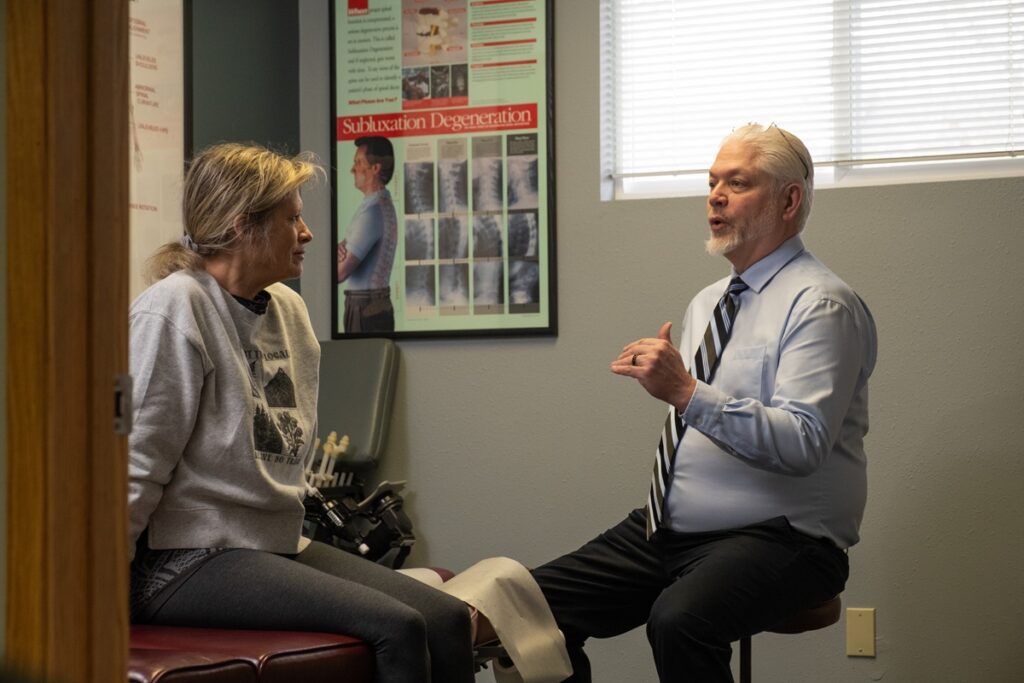
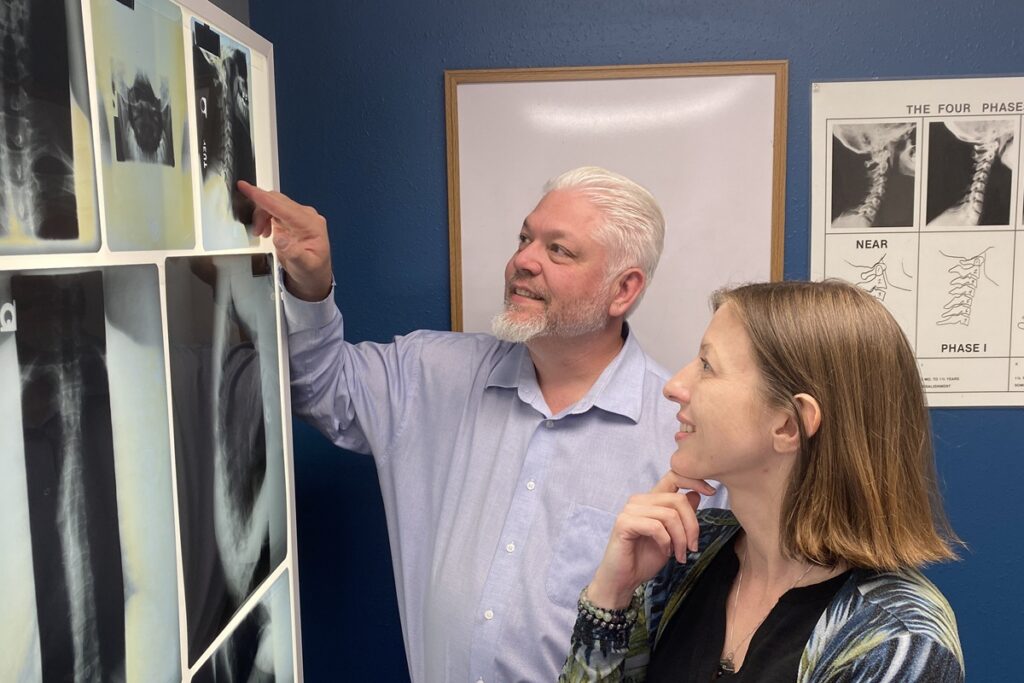
When you're feeling overwhelmed, having a professional guide can make all the difference in your journey to relaxation. Professional guidance offers you tailored support, addressing your unique needs and stressors. Unlike generic advice, a skilled practitioner can pinpoint the specific areas where you need help and create a personalized plan that resonates with you.
One of the key benefits of engaging a professional is accountability. When someone else is invested in your well-being, it motivates you to commit to your relaxation practices. You're more likely to follow through on techniques and strategies discussed during your sessions, transforming your approach to self-care.
Moreover, professionals bring expertise and experience to the table. They understand various relaxation methods and can introduce you to techniques you may not have considered. This exposure can broaden your perspective and enhance your relaxation toolkit. Whether it's mindfulness, deep breathing, or guided imagery, a professional can help you explore these avenues effectively.
Additionally, a professional guide can create a safe, supportive environment where you can express your feelings and concerns without judgment. This space fosters trust and encourages you to dive deeper into your relaxation journey, helping you uncover root causes of stress and anxiety.
Ultimately, enlisting professional guidance isn't just about learning relaxation techniques; it's about building a sustainable practice that promotes long-term well-being. By taking this step, you're investing in yourself and your ability to navigate life's challenges with a sense of calm and resilience.
Massage Therapy Techniques
Incorporating massage therapy techniques into your relaxation routine can greatly enhance your overall well-being. These techniques not only promote relaxation but also help relieve muscle tension and stress. When you visit a massage therapist, you can explore various styles to find what works best for you.
Swedish massage is one popular technique, involving long, flowing strokes that promote deep relaxation. You'll feel the tension melt away as the therapist uses gentle kneading and circular movements.
If you're dealing with specific muscle pain, deep tissue massage might be more suitable. This technique applies firmer pressure to target deeper layers of muscle and fascia, helping to alleviate chronic pain and tension.
Another method you might enjoy is aromatherapy massage, which combines the benefits of essential oils with traditional massage techniques. Scents like lavender or eucalyptus can enhance relaxation and provide a calming effect, making your experience even more soothing.
For those seeking a more energetic approach, consider trying sports massage. This technique focuses on preventing and treating injuries, using stretches and pressure to improve flexibility and circulation. It's particularly effective for athletes or anyone involved in regular physical activity.
Finally, don't overlook the benefits of self-massage. You can easily incorporate techniques like rolling a tennis ball under your feet or gently massaging your neck and shoulders at home.
Whichever technique you choose, regular massage can be a powerful tool in your relaxation arsenal, helping you maintain balance and peace in your busy life.
Counseling for Stress Relief
Counseling can be a valuable tool to help you tackle stress and find effective coping strategies. By working with a trained professional, you can explore the root causes of your stress, learn how to manage it, and develop techniques for long-term relief. A counselor offers a safe space to express your feelings and thoughts without judgment, enabling you to confront issues that may be weighing you down.
During sessions, you'll work together to identify stress triggers and how they impact your daily life. This awareness is essential, as it allows you to better understand your reactions and feelings. Your counselor may introduce you to various techniques, such as cognitive-behavioral strategies, that can help reframe negative thought patterns and develop healthier perspectives.
Additionally, you might learn relaxation techniques that complement your counseling sessions, like deep breathing exercises or mindfulness practices. These can be immediately beneficial in managing acute stress, making it easier to cope with challenging situations as they arise.
Counseling isn't just about addressing immediate stress; it's about equipping you with tools for the future. As you progress, you'll likely feel more empowered and capable of handling life's pressures.
Holistic Approaches to Relaxation
Holistic approaches to relaxation offer you a thorough way to combat stress and enhance your well-being. By considering your mind, body, and spirit as interconnected, you can create a more balanced and fulfilling life.
One effective method is mindfulness meditation. It encourages you to focus on the present moment, reducing anxiety and promoting a sense of calm. Just a few minutes each day can make a significant difference in your stress levels.
Another powerful technique is yoga. This practice combines physical postures, breathing exercises, and meditation, helping you to release tension and improve flexibility. You'll find that even a short session can uplift your mood and bring clarity to your thoughts.
Incorporating essential oils, like lavender and chamomile, into your relaxation routine can also be beneficial. Aromatherapy engages your senses and can help soothe your mind after a long day.
Nutritional choices play a crucial role in how you feel, too. Eating a balanced diet rich in whole foods can improve your energy levels and mood. Consider herbal teas, such as chamomile or peppermint, which can aid digestion and promote relaxation.
Lastly, spending time in nature can rejuvenate your spirit. Whether it's a walk in the park or simply sitting outside, connecting with the natural world can provide a revitalizing escape from daily stressors.
Integrating Practices for Optimal Results
Achieving ideal relaxation results often requires a blend of various practices that complement each other. You don't have to stick with just one method; combining techniques can enhance your overall experience and effectiveness.
Start by identifying what works best for you—whether it's yoga, meditation, or deep breathing exercises. Each of these practices can reinforce the others, leading to deeper relaxation.
For example, consider beginning your day with a short meditation session. This sets a calm tone for the day, helping you manage stress effectively. Later, incorporate yoga to release physical tension and improve flexibility. As you flow through your poses, focus on your breath, which can deepen your meditative state.
You might also explore aromatherapy as you practice these activities. Essential oils like lavender or chamomile can create a soothing atmosphere, reinforcing your efforts to relax. Diffusing these scents while you meditate or do yoga can elevate your experience.
Another option is to integrate mindfulness into your daily routine. This doesn't require extra time; you can practice being present while doing mundane tasks like washing dishes or walking.
Finally, don't underestimate the power of professional guidance. A therapist or yoga instructor can help tailor these practices to your needs, ensuring you gain maximum benefit.
Conclusion
Incorporating professional help into your relaxation routine can make a world of difference. Whether it's through massage therapy, counseling, or holistic practices, expert guidance tailors strategies to your unique needs. By blending these techniques, you can effectively manage stress and cultivate a more balanced lifestyle. So, don't hesitate to seek support—embracing these natural ways to relax not only enhances your well-being but also empowers you to thrive in your everyday life.