
If you're dealing with persistent neck pain, you might be surprised to learn that surgery isn't your only option. Many effective methods exist that can help relieve discomfort and improve your quality of life. From targeted physical therapy techniques to simple lifestyle changes, there are proven strategies you can implement right away. Additionally, incorporating mindfulness practices could enhance your overall well-being. Understanding how these approaches work together is essential, and you may find a solution that fits your needs. So, what are the most effective ways to get started?
Physical Therapy Techniques
When you're dealing with neck pain, physical therapy techniques can be exceptionally effective in relieving discomfort and restoring mobility. These techniques focus on strengthening muscles, improving flexibility, and enhancing overall movement, which can greatly reduce your pain levels.
One common method is therapeutic exercise, where you'll engage in specific movements designed to strengthen the muscles that support your neck. A physical therapist will guide you through exercises that target both the neck and surrounding areas, like the shoulders and upper back. This strengthens your muscles, helping to alleviate strain and improve posture.
Stretching is another essential component of physical therapy. Regular stretching can help relieve tightness in your neck and shoulders, enhancing your range of motion. Your therapist may introduce gentle stretches that you can also practice at home, making it easier to incorporate into your daily routine.
Manual therapy techniques, such as soft tissue mobilization, may also be used. Your therapist can apply targeted pressure to tense areas, promoting blood flow and reducing muscle tightness. This hands-on approach can lead to immediate relief and a sense of relaxation.
Additionally, education plays an important role in physical therapy. Your therapist will help you understand factors contributing to your neck pain and teach you ergonomic practices to prevent future issues. By actively participating in your recovery, you'll empower yourself to manage and alleviate your neck pain effectively.
Chiropractic Adjustments
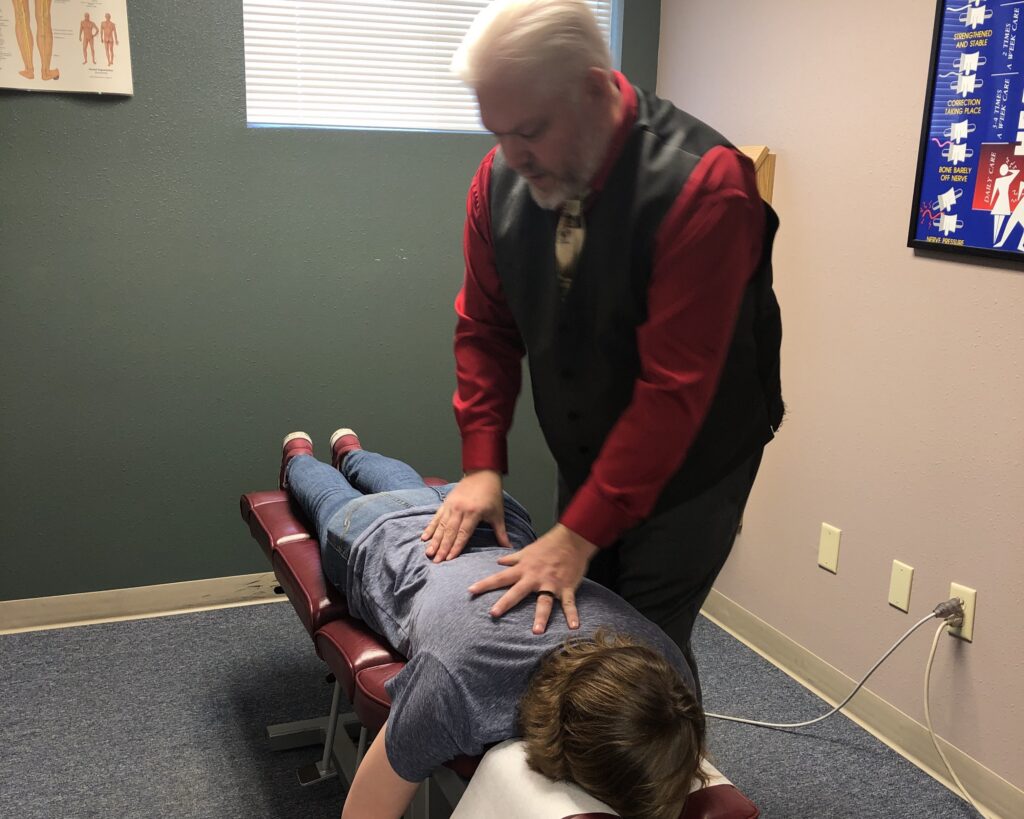
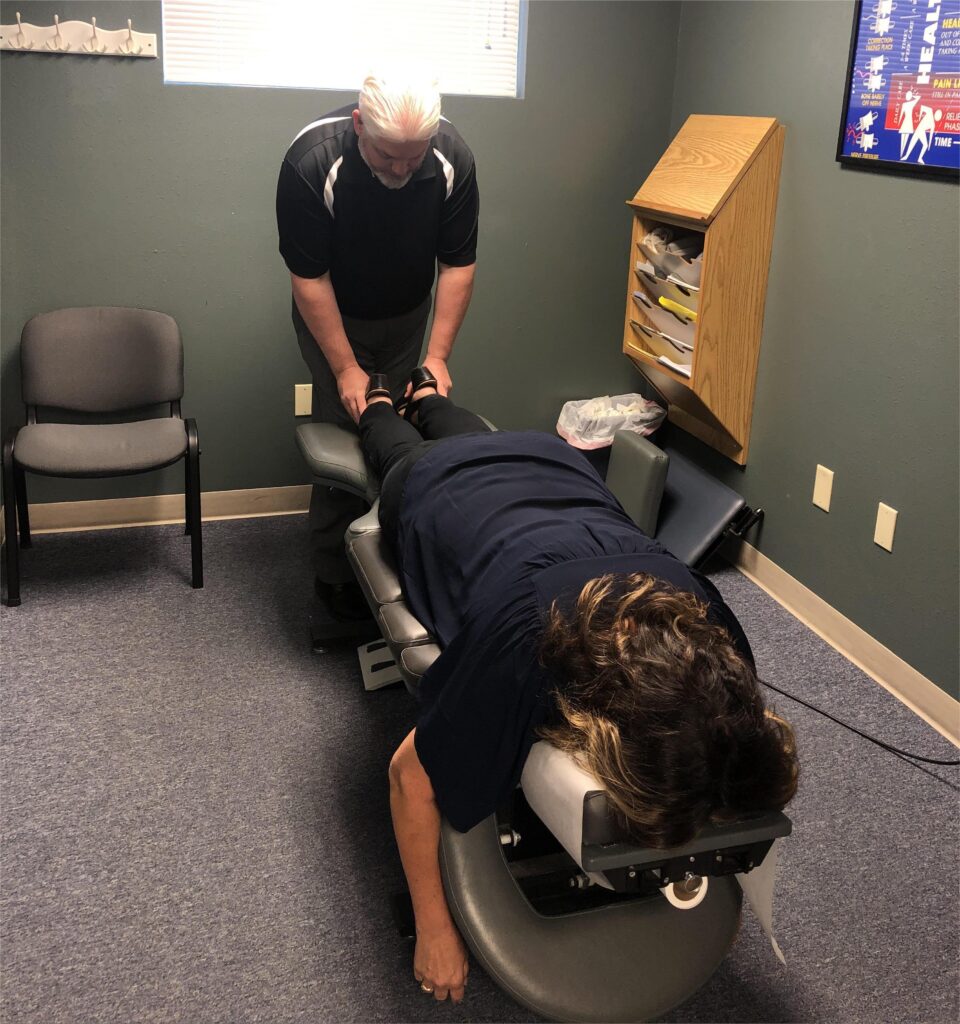
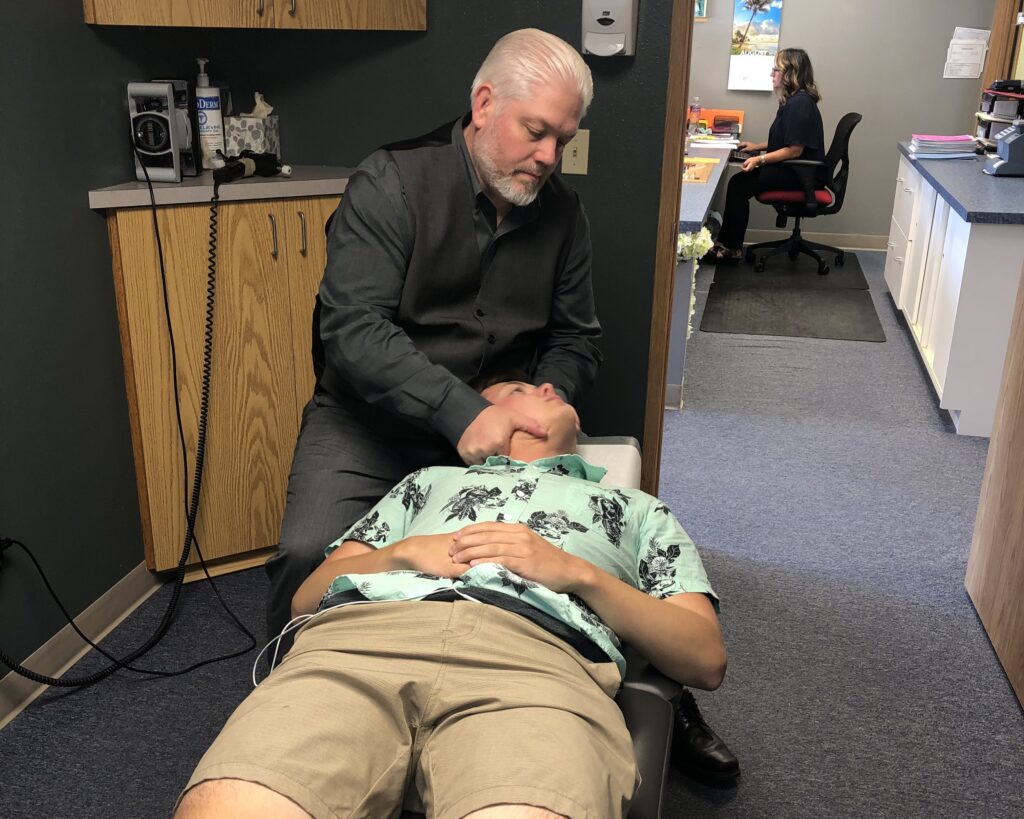
Chiropractic adjustments offer a hands-on approach to alleviating neck pain and restoring mobility. When you visit a chiropractor, they'll assess your specific condition, focusing on misalignments in your spine that may contribute to discomfort. By using controlled, sudden force to manipulate your spinal joints, they aim to improve your body's alignment and function.
During your appointment, you can expect a thorough examination, including your medical history and physical tests. This helps the chiropractor understand the root cause of your neck pain. Once they've pinpointed the issue, they'll perform adjustments tailored to your needs. These adjustments can help reduce inflammation, relieve tension, and promote better blood flow in the affected areas.
Many people experience immediate relief following an adjustment. You might notice an increase in your range of motion, decreased stiffness, and a reduction in pain intensity.
Regular chiropractic care can also enhance your overall well-being by encouraging proper posture and spinal alignment.
It's important to communicate with your chiropractor about your pain levels and any changes you experience. This ongoing dialogue helps them fine-tune your treatment plan for ideal results.
While chiropractic adjustments can be highly effective, they're often part of a broader approach to neck pain management. Combining these adjustments with other complementary therapies can further enhance your recovery and guarantee lasting relief.
Lifestyle Modifications
In addition to chiropractic adjustments, making certain lifestyle modifications can greatly impact your neck pain relief. By incorporating healthier habits into your daily routine, you can help alleviate strain on your neck and improve your overall well-being.
Here are some key changes you might consider:
- Ergonomic Workspace: Verify your workspace is set up to support good posture. Adjust your chair, desk, and computer screen to avoid straining your neck.
- Regular Breaks: Take frequent breaks from screen time. Stand up, stretch, and move around every 30 to 60 minutes to reduce tension.
- Mindful Posture: Be conscious of your posture while sitting, standing, or walking. Keep your shoulders back, your head aligned with your spine, and avoid slouching.
- Physical Activity: Engage in regular physical activity, focusing on exercises that strengthen your neck and upper back muscles. Activities like yoga or swimming can improve flexibility and reduce stiffness.
At-Home Remedies
Finding relief from neck pain at home can be both simple and effective. One of the most straightforward at-home remedies is applying heat or cold to the affected area. You can use a warm compress or heating pad to relax tight muscles and increase blood flow.
Alternatively, applying an ice pack can reduce inflammation and numb sharp pain. Just remember to wrap ice packs in a cloth to protect your skin.
Gentle stretching exercises can also work wonders for relieving tension in your neck. Try tilting your head side to side, forward and backward, or doing gentle neck rotations. Be sure to listen to your body; if something feels painful, stop immediately.
Maintaining good posture is essential for alleviating neck pain. Be mindful of how you're sitting or standing throughout the day. Use a supportive chair when working at a desk and adjust your computer screen to eye level to avoid straining your neck.
Over-the-counter pain relievers, like ibuprofen or acetaminophen, can help reduce discomfort and inflammation. Always follow the dosage instructions on the label.
Lastly, consider using an ergonomic pillow while sleeping. A pillow that supports the natural curve of your neck can prevent pain from developing overnight.
Mindfulness and Relaxation
Incorporating mindfulness and relaxation techniques can greatly enhance your efforts to relieve neck pain. When you focus on being present and reduce stress, you can create a more conducive environment for healing.
Stress often contributes to tension in your neck, so learning to manage it effectively is essential.
Here are some techniques to contemplate:
- Deep Breathing: Taking slow, deep breaths can help calm your mind and relax your muscles. Try inhaling for a count of four, holding for four, and exhaling for six.
- Progressive Muscle Relaxation: This involves tensing and then relaxing different muscle groups in your body, starting from your toes up to your neck. It helps release built-up tension.
- Guided Imagery: Visualizing a peaceful scene can help distract your mind and promote relaxation. Picture a tranquil beach or a serene forest to escape from daily stressors.
- Mindfulness Meditation: Spend a few minutes each day sitting quietly and focusing on your breath or a mantra. This practice can reduce stress and help you become more aware of physical sensations in your neck.
Conclusion
Incorporating these proven methods can greatly relieve your neck pain without the need for surgery. By embracing physical therapy techniques, chiropractic adjustments, and making simple lifestyle modifications, you'll not only find immediate relief but also prevent future discomfort. Don't forget to use at-home remedies and practice mindfulness to enhance your overall well-being. Take charge of your neck health today, and you'll be on your way to a more comfortable and pain-free life.