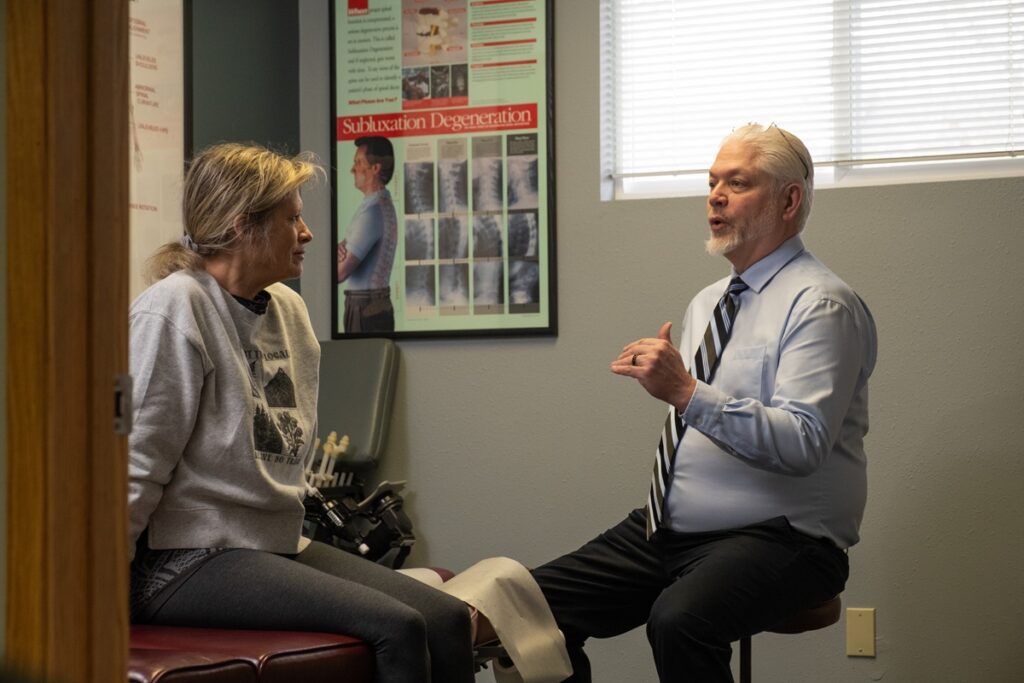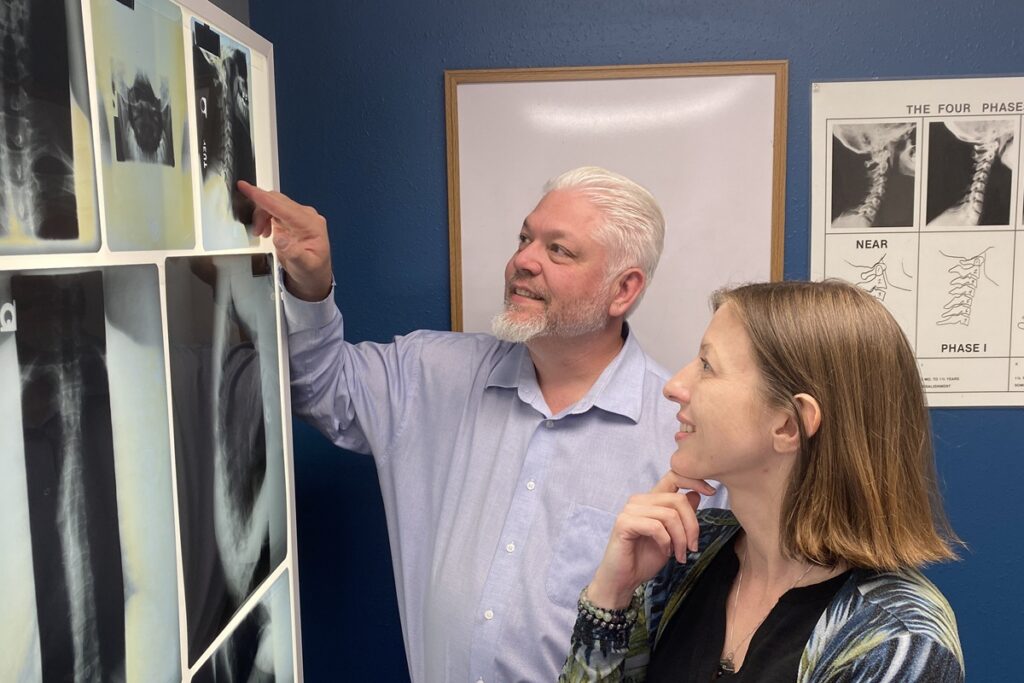

As a local chiropractor, I understand how upper back pain can significantly impact your daily life. Many people are unaware that grasping the underlying causes and symptoms of this discomfort is crucial for finding the right relief. That's why I've created a quiz tailored to assess your unique situation and help direct you towards effective, personalized treatment options. By taking just a few moments to answer some simple questions, you can discover natural strategies that may work best for your body. So, what's holding you back from taking the first step towards relief and better health? Let's work together to find the solution that suits you!
Understanding Upper Back Pain
As a local chiropractor, I want to help you understand upper back pain and its common causes. This type of discomfort can affect anyone, whether you're spending long hours at a desk or lifting heavy items. Typically, upper back pain arises from muscle strain, poor posture, or overuse. It can turn everyday activities into daunting tasks.
When you experience upper back pain, it's essential to grasp its nature. The upper back is made up of the thoracic spine, which plays a crucial role in supporting your neck and shoulders. Pain in this area may present as a dull ache, a sharp stabbing sensation, or a tightness that can radiate to nearby regions such as your neck and shoulders.
You may find that specific movements or positions worsen your discomfort. For instance, reaching overhead or adopting a slouched posture while working can exacerbate your pain. Recognizing these triggers is vital for addressing the issue effectively.
It's equally important to listen to your body—if you're experiencing stiffness or tension, don't disregard it. Taking regular breaks to stretch or adjusting your posture can significantly alleviate strain.
Moreover, consider how your daily habits might be affecting your upper back. Are you spending excessive time hunched over your phone or computer? Implementing small changes, such as optimizing your workspace ergonomics or incorporating regular physical activity, can lead to substantial improvements in your condition.
Understanding the root causes of your upper back pain is the first step towards finding natural and effective solutions. By acknowledging your discomfort and identifying contributing factors, you can take proactive measures to reduce pain and enhance your overall wellbeing.
As a chiropractor, I'm here to guide you on this journey toward healing and improved health.
Common Causes of Discomfort
As a chiropractor, I want to help you understand the various factors that can contribute to discomfort in the upper back and how we can work together to find relief. One of the most common causes I see in my practice is poor posture. Many of us spend prolonged hours sitting at desks or looking down at our phones, which can lead to muscle strain and tension in the upper back. This is something we can address through targeted adjustments and posture education.
Another frequent issue is muscle overuse or strain, especially if you've recently started a new exercise routine or lifted heavy objects without the proper technique. Injuries from sports or accidents can also leave lingering discomfort in this area. Chiropractic care can help alleviate this pain and promote healing through gentle adjustments and muscle therapy.
It's also important to recognize the impact of stress and anxiety on your body. When you're stressed, your muscles can become tense, leading to discomfort in the upper back. I often encourage my patients to explore relaxation techniques and ensure they're getting enough restful sleep, as fatigue can make muscles more prone to strain.
In some cases, underlying medical conditions, such as arthritis or herniated discs, may contribute to your upper back pain. If you have a history of these issues, it's crucial to monitor your symptoms closely. Chiropractic care can provide support and relief, helping to restore function and ease discomfort.
Lastly, a sedentary lifestyle can weaken the muscles that support your back, making you more susceptible to pain. I advocate for incorporating regular exercise and stretching into your routine to maintain muscle strength and flexibility, which can significantly reduce your risk of discomfort.
Symptoms to Watch For
As a local chiropractor, I want to help you understand the signs of upper back pain and when it may be time to seek professional care.
It's important to pay attention to any ongoing discomfort you experience, as well as any limitations in your movement. These symptoms can be indicators of underlying issues that may benefit from chiropractic treatment.
If you're noticing persistent pain or difficulty in your daily activities, I encourage you to reach out for an assessment.
Early intervention can make a significant difference in your recovery and overall well-being.
Common Pain Indicators
As a local chiropractor, I want to help you understand the common indicators of upper back pain so you can identify potential issues early on. Many people experience various symptoms that signal a problem in this area. One of the first things to notice is any persistent discomfort or aching in your upper back. This sensation can vary from a dull ache to sharper, more intense pains.
If you find yourself feeling tightness or tension in the muscles of your back, that's another key sign to be aware of. You may also notice that soreness increases after sitting or standing for long periods. It's important to pay attention to whether the pain radiates to other areas, such as your neck or shoulders, as this could point to a more complicated issue.
In some cases, you might experience tingling or numbness in your arms, which could suggest that nerves are involved. Another symptom to watch for is if the pain worsens when you take a deep breath. Recognizing this is crucial, as it may indicate underlying respiratory or muscular issues that we can address through chiropractic care.
Lastly, be mindful of any changes in your sleep patterns due to discomfort, as this can significantly impact your overall well-being. By tracking these indicators, you can effectively communicate your experiences with me or any healthcare professional.
This information is invaluable in helping us find the right, natural solutions to alleviate your upper back pain and improve your quality of life. Together, we can work towards restoring balance and health in your body.
Associated Movement Restrictions
As your local chiropractor, I want to help you understand how movement restrictions can be a significant indicator of potential issues in your upper back. If you're experiencing difficulty bending, twisting, or reaching, these challenges may point to muscular imbalances or joint dysfunction.
It's important to pay attention to how your body feels during everyday movements; any sharp pain or discomfort during simple tasks could suggest that something isn't quite right.
You might also notice stiffness that affects your daily activities, like lifting objects or sitting for long periods. If you find yourself leaning to one side or adjusting your posture to avoid pain, it's crucial to acknowledge these signs. Ignoring them can lead to compensatory patterns that may worsen your discomfort over time.
Moreover, if you're struggling with exercises that you used to do easily, this change could indicate a deeper issue at play. Be mindful of symptoms such as reduced range of motion or persistent tightness, as these can be red flags that warrant attention.
At our chiropractic practice, we focus on natural healing and restoring your body's optimal function. If you're experiencing any of these movement restrictions, it's essential to seek guidance.
Together, we can identify the root cause of your discomfort and develop a personalized treatment plan to help you regain your mobility and overall well-being.
Treatment Options Available
As a local chiropractor, I want to take a moment to educate you about effective treatment options for upper back pain. Many individuals struggle with this type of discomfort, and understanding various approaches can be essential for finding the relief you need. Here are three treatment options that I often recommend to my patients:
- Chiropractic Care: At the heart of what I do is chiropractic care, which focuses on spinal adjustments to realign the vertebrae in your spine. This realignment helps alleviate pressure on nerves, reducing pain and improving function. Many patients experience significant relief from upper back pain through regular chiropractic adjustments, and they often find that this approach not only treats their pain but also enhances their overall well-being.
- Physical Therapy: While chiropractic care is effective, I believe in a holistic approach that includes physical therapy. Collaborating with a physical therapist can help you strengthen the muscles in your upper back and improve your flexibility. Together, we can create a customized exercise program that addresses your specific pain points, ensuring that we tackle both the symptoms and the underlying issues contributing to your discomfort.
- Heat and Cold Therapy: Another simple yet effective way to manage upper back pain is through heat and cold therapy. Ice packs can be used to reduce inflammation and numb any sharp pain, while heat pads are great for relaxing tense muscles and boosting blood flow. I often recommend alternating between these therapies to enhance your recovery process and provide immediate relief.
Remember, the best treatment option for you'll depend on the severity of your pain and your individual lifestyle. It's always wise to consult with me or another healthcare professional before embarking on any new treatment plan.
Importance of Posture
As a local chiropractor committed to your well-being, I want to emphasize the crucial role that posture plays in maintaining your overall back health. When your body is misaligned, it can lead to significant discomfort and pain, particularly in the upper back.
Understanding the impact of poor posture is the first step toward improving your alignment and alleviating pain.
Here are some practical tips for enhancing your sitting and standing habits:
- Be Mindful of Your Alignment: When sitting, make sure your feet are flat on the ground and your back is straight. Use a chair that supports your lower back.
- Take Breaks: If you're sitting for long periods, take short breaks to stretch and move around. This helps to reduce tension in your back and encourages better posture.
- Strengthen Your Core: Engaging in exercises that strengthen your core muscles can provide better support for your spine and improve your overall posture.
If you're experiencing discomfort or want personalized guidance on improving your posture, don't hesitate to reach out.
Together, we can work towards a healthier, pain-free lifestyle through chiropractic care and natural healing methods.
Effects of Poor Posture
As a local chiropractor, I want to emphasize how poor posture can significantly impact your upper back health. Many people may not realize that simple habits, like slouching or hunching over, can lead to discomfort and pain that can interfere with your daily life.
When your posture is off, it puts unnecessary strain on your muscles and ligaments, which can lead to a series of negative consequences. Over time, these problems can accumulate, resulting in chronic pain that affects your well-being.
Let's explore three key effects of poor posture on your upper back that I often see in my practice:
1. Muscle Imbalance: When you maintain poor posture, it often causes certain muscles to become overworked while others weaken. This imbalance can lead to tension and pain, especially in the upper back and neck.
Correcting your posture can help restore balance and alleviate discomfort.
2. Nerve Compression: Slouching can lead to compression of the nerves in your spine. This compression can result in sensations of numbness, tingling, or radiating pain, making it challenging to concentrate on your tasks.
Chiropractic adjustments can help relieve this pressure and restore proper nerve function.
3. Reduced Mobility: Over time, poor posture can restrict your range of motion. This stiffness can make it difficult to perform everyday activities or enjoy physical exercise, potentially leading to increased discomfort.
By improving your posture, you can enhance your mobility and overall quality of life.
Understanding these effects is crucial for appreciating the importance of maintaining good posture. As your chiropractor, I'm here to help you adopt healthier habits and techniques to prevent upper back pain and promote natural healing.
Let's work together to improve your posture and enhance your well-being!
Tips for Better Alignment
As a chiropractor, I want to emphasize the importance of maintaining proper alignment for your overall health and well-being, especially when it comes to preventing upper back pain. Many people are unaware of how their daily habits can impact their posture, but with a few mindful adjustments, you can significantly improve your alignment.
First, let's talk about sitting. It's crucial to keep your back straight and shoulders relaxed—not slumped. Make sure your feet are flat on the floor and your knees are bent at a right angle. This positioning helps maintain the natural curves of your spine and reduces strain.
When you're standing, aim to distribute your weight evenly across both feet. Be cautious not to lock your knees; keeping them slightly bent can help alleviate pressure on your back. If you're using a computer, position your screen at eye level to avoid leaning forward, and keep your elbows close to your body at about a 90-degree angle. These small tweaks can make a big difference in how you feel.
Incorporating regular breaks into your routine is also vital. I recommend standing up, stretching, and moving around at least once every hour. Simple exercises like shoulder rolls and chest stretches can be very effective in realigning your spine and relieving tension.
Lastly, consider investing in ergonomic furniture, such as a supportive chair or a standing desk. These tools can greatly enhance your posture and comfort throughout the day.
Recommended Exercises
As a chiropractor dedicated to helping patients understand the benefits of natural healing, I often see individuals struggling with upper back pain. One effective way to alleviate this discomfort is through targeted exercises. These exercises can strengthen your muscles, improve flexibility, and promote better posture, all of which play a crucial role in managing pain.
By incorporating a routine focused on your upper back, you can take control of your well-being. Here are three exercises I recommend:
- Thoracic Extensions: This is a great exercise to enhance mobility in your thoracic spine. Sit or stand tall, and place your hands behind your head. Gently arch your upper back while bringing your shoulder blades together. Hold this position for a few seconds, then return to the starting position. Aim to repeat this movement 10-15 times.
- Wall Angels: This exercise is excellent for improving shoulder stability and posture. Stand with your back against a wall, positioning your feet about six inches away. Keep your head, shoulders, and lower back in contact with the wall, and raise your arms to form a "W" shape. Slowly glide your arms up to create a "Y" shape, then return to the "W." Perform 10-12 repetitions to reap the benefits.
- Child's Pose: This gentle stretch is perfect for elongating your spine and relieving tension in your upper back. Kneel on the floor and sit back on your heels. Stretch your arms forward on the ground while lowering your chest. Hold this position for 30 seconds to 1 minute, focusing on deep breathing to enhance relaxation.
Incorporating these exercises into your routine can significantly contribute to your upper back health, and I encourage you to give them a try!
Always listen to your body and consult with your chiropractor for personalized advice and support on your journey to better health.
When to Seek Professional Help
If you're dealing with persistent upper back pain that isn't improving despite your best self-care efforts, it may be time to consider visiting a chiropractor. Ignoring your discomfort or hoping it will resolve itself can lead to more significant issues down the road.
It's particularly important to seek professional guidance if the pain is severe, interferes with your daily activities, or has lasted for several weeks.
Pay close attention to any additional symptoms that could indicate a more serious concern. If you experience numbness, tingling, or weakness in your arms or legs, it's crucial to get evaluated as soon as possible. These signs may point to nerve compression or other underlying conditions that need immediate care.
Furthermore, if your pain comes with unexplained weight loss, fever, or changes in bowel or bladder function, don't hesitate to reach out for medical advice.
As a chiropractor, I can provide a comprehensive assessment to uncover the root cause of your pain. This might include discussing your symptoms, reviewing your medical history, and performing a physical examination.
In some cases, I may recommend diagnostic imaging, such as X-rays or MRIs, to identify any structural issues contributing to your discomfort. Based on the findings, I can develop a tailored treatment plan that may include chiropractic adjustments, physical therapy, or natural healing techniques aimed at effectively managing your pain and improving your overall well-being.
Don't wait—taking action now can lead you towards a healthier, pain-free life.
Taking the Quiz
Are you feeling troubled by upper back pain and unsure of its severity? As your local chiropractor, I encourage you to take this quiz, which is designed to provide you with insights into your symptoms and guide you toward effective relief.
It's easy to navigate and personalized to address your specific concerns. By answering a few straightforward questions, you can identify potential causes of your discomfort and explore natural healing solutions.
Here's what this quiz will help you evaluate:
- Pain Intensity: You'll rate the intensity of your pain on a scale from mild to severe. This assessment is crucial in determining whether your discomfort is something that can be managed at home or if it requires more immediate attention from a healthcare professional.
- Activity Impact: You'll consider how your upper back pain is influencing your daily life. Are simple tasks becoming challenging, or is it just a slight annoyance? Understanding the extent of your pain's impact is essential for determining the urgency of seeking treatment.
- Duration and Frequency: You'll take note of how long you've been experiencing this pain and how often it occurs. Chronic issues often necessitate a different approach than occasional discomfort, and this information can help us tailor your treatment plan.
At our chiropractic practice, we aim to educate and empower you on your journey to wellness through natural healing methods.
Let's work together to alleviate your discomfort!
Conclusion
As a local chiropractor, I want to emphasize that understanding your upper back pain is crucial for finding relief. Many patients are unaware of the common causes and symptoms associated with this type of pain. By educating yourself, you can begin to explore effective treatment options, including the benefits of chiropractic care and natural healing methods.
Improving your posture is another vital step in your recovery. Simple adjustments in your daily habits can make a significant difference. Incorporating specific exercises tailored to your needs can further support your healing journey. Remember, if your pain persists or worsens, it's important to seek professional help.
I invite you to take our quiz to gain personalized insights that can empower you on your path to a pain-free life. Knowledge is your first step toward relief, and I'm here to guide you every step of the way!