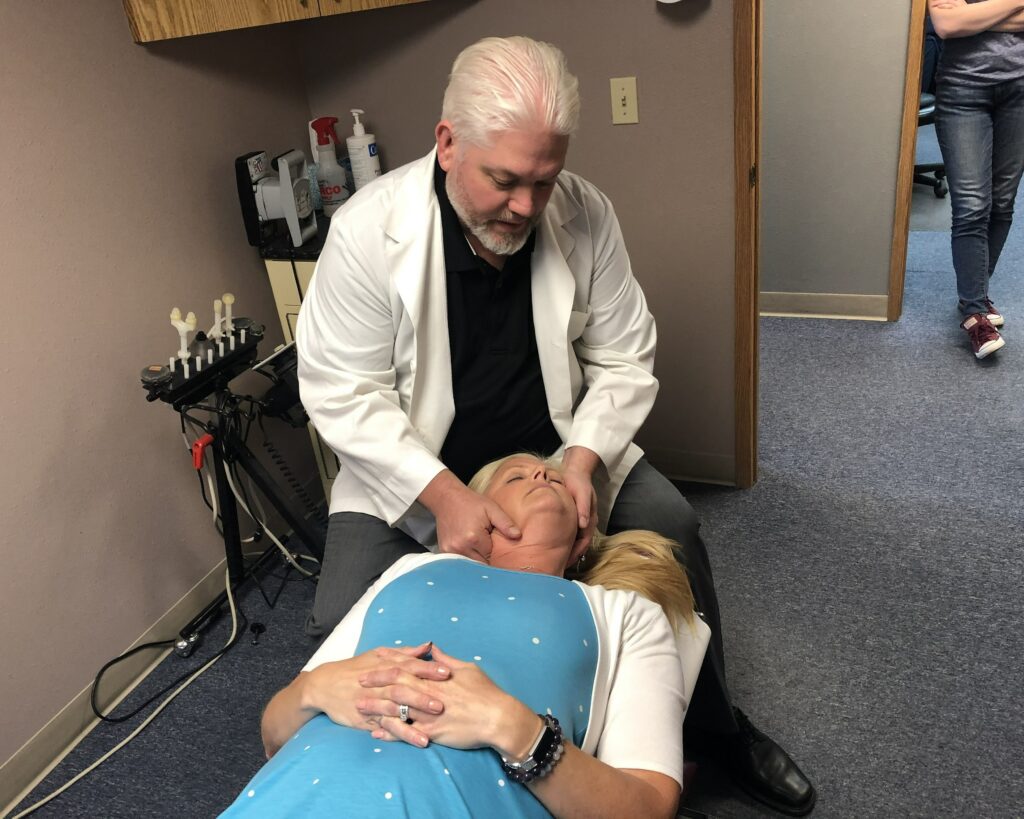

If you're experiencing upper back discomfort, you're not alone, and I want to assure you that there are effective ways to find relief. As a chiropractor, I've seen how targeted adjustments—such as specific stretches and strengthening exercises—can help address the underlying causes of your pain while also promoting better posture. You may be surprised to learn that simple techniques, like the Cat-Cow stretch or wall angels, can make a significant difference in your comfort levels.
Before diving into these methods, it's essential to understand the root cause of your discomfort and how to approach these adjustments properly. Chiropractic care emphasizes natural healing and focuses on aligning your spine and improving your overall well-being. Let's take a closer look at the critical aspects that could transform your experience and help you feel your best.
Understanding Upper Back Discomfort
Understanding upper back discomfort is crucial for your overall well-being, and as your local chiropractor, I'm here to guide you through this process. Many of my patients report experiencing a nagging ache, tightness, or stiffness in their upper back, often coupled with shoulder pain or headaches. These discomforts can significantly impact your daily life, making it hard to concentrate at work or fully engage in your leisure activities.
One of the key factors contributing to upper back discomfort is posture. If you spend long hours sitting at a desk or working on a computer, it's vital to be mindful of how you hold your body. Slouching or hunching forward can strain the muscles in your upper back, leading to persistent discomfort. You might find that certain movements, such as reaching overhead or twisting your torso, worsen your pain.
Additionally, stress and tension are major contributors to upper back discomfort. When you're under pressure, your body tends to tighten up, particularly in the upper back and shoulders. Recognizing your stress levels and implementing strategies to manage them can significantly reduce the discomfort you feel.
It's also important to consider how your physical activity influences your upper back health. A lack of exercise can weaken the muscles that support your spine, making you more vulnerable to pain. Conversely, overexertion or improper lifting techniques can lead to strain and injury. By understanding these patterns in your lifestyle, you can take the first step toward effectively addressing upper back discomfort.
As your chiropractor, I encourage you to recognize these symptoms and their potential triggers. This knowledge empowers you to seek appropriate relief and make necessary adjustments to improve your quality of life.
Together, we can explore natural healing methods that promote better spinal health and overall wellness.
Causes of Upper Back Pain
As a local chiropractor, I want to help you understand the common causes of upper back pain that you may not be aware of.
Many people overlook factors like poor posture habits, muscle strain from everyday activities, and the stress we carry in our bodies, all of which can lead to discomfort in the upper back.
By recognizing these issues, you can take the first steps toward finding relief.
Chiropractic care focuses on natural healing and improving your overall well-being, so let's work together to address these underlying causes and help you feel better.
Poor Posture Habits
As a local chiropractor, I often see patients who unknowingly adopt poor posture habits that can lead to upper back pain. Many of you may not realize that simple actions—like slouching at your desk or hunching over your phone—can place significant stress on your spine and surrounding muscles.
It's all too easy to lose track of your posture, especially during those long hours of work or leisure, but these habits can gradually result in discomfort and pain. You mightn't be aware that leaning forward or rounding your shoulders can strain the muscles in your upper back.
When you hold these positions for extended periods, your back muscles have to work harder to support your body, leading to tension and fatigue. Even something as seemingly innocuous as standing with your weight shifted to one side can create imbalances that contribute to pain.
To address these issues, it's essential to be mindful of your posture throughout the day. I encourage you to sit up straight, keeping your shoulders back and your feet flat on the ground.
When using your phone, try to hold it at eye level to prevent craning your neck. Regularly checking in with your posture, especially during long periods of sitting or standing, can make a significant difference.
By making these small adjustments, you can greatly reduce your risk of developing upper back pain. Remember, natural healing starts with awareness and proactive care.
If you have any questions or need personalized advice, feel free to reach out during your next visit. Your posture matters, and I'm here to help you achieve a healthier spine!
Muscle Strain Issues
As a local chiropractor, I often see patients who are experiencing muscle strain in their upper back, and it's important to understand that this discomfort can arise from various everyday activities.
When you lift heavy objects without using proper lifting techniques, you can place excessive stress on your upper back muscles. Even something as simple as reaching for items on a high shelf can lead to strain, especially if you twist your body awkwardly in the process.
Additionally, spending long hours sitting—particularly with poor posture—can create significant tension in your upper back.
You may also notice strain after participating in physical activities that involve repetitive motions or intense exertion. Engaging in sports or heavy exercise without the correct technique can easily lead to muscle strain.
Even routine tasks like gardening or cleaning can result in discomfort if you push yourself too hard.
Moreover, muscle strain can occur from sudden movements, such as quickly turning your body or lifting something too fast. It's crucial to be mindful of your body mechanics during these activities to avoid injuries.
If you begin to feel discomfort, I recommend taking breaks, incorporating gentle stretching, or applying heat to the affected area.
Recognizing the activities that lead to your strain is essential in making the necessary adjustments to your routine. By doing so, you can promote a healthier, pain-free upper back.
As your chiropractor, I'm here to guide you through natural healing methods and provide strategies to help prevent future issues.
Stress and Tension
As a local chiropractor, I want to help you understand how stress and tension can impact your upper back health. Many individuals experience significant discomfort in this area, often without realizing it. When you're under stress—whether from work responsibilities, deadlines, or personal obligations—your muscles can tighten subconsciously, particularly in the upper back.
This tension can stem from various factors, such as prolonged sitting, poor posture, or emotional strain. You may notice habits like raising your shoulders toward your ears or hunching over while working, both of which contribute to muscle stiffness and pain.
To alleviate this discomfort, being proactive is key. I recommend taking regular breaks to stretch and move your body throughout the day. Incorporating deep breathing exercises can also significantly reduce stress levels and promote relaxation in your upper back.
Simple movements, such as neck rolls or shoulder shrugs, can help release some of the tension you've accumulated.
It's vital to listen to your body's signals. If you begin to feel tightness or discomfort, don't ignore these warning signs. Addressing these symptoms early on can prevent them from developing into chronic pain.
In my practice, I also provide professional adjustments to help realign your spine, which can alleviate discomfort and improve your overall function.
Benefits of Targeted Adjustments
As a local chiropractor, I want to help you understand how targeted adjustments can significantly alleviate upper back discomfort. Many people experience pain, tightness, and limited mobility due to specific misalignments in their spine. Unlike general treatments, targeted adjustments are designed to address these precise areas, focusing on correcting the root cause of your discomfort rather than just masking the symptoms.
One of the immediate benefits you may notice after receiving targeted adjustments is relief from pain. By realigning your vertebrae and alleviating pressure on nerves, these adjustments can stimulate the release of endorphins—your body's natural pain relievers. This can lead to a significant reduction in discomfort, leaving you with a greater sense of well-being.
Another important aspect of targeted adjustments is their ability to improve your posture. Poor posture can be a major contributor to upper back pain. By correcting spinal misalignments, we can promote a more natural alignment, which helps alleviate strain on surrounding muscles and ligaments—ultimately preventing future discomfort.
If you've been feeling stiff or restricted in your movements, you'll be pleased to know that targeted adjustments can also enhance your range of motion. Restoring mobility can make daily activities much easier and more enjoyable, allowing you to engage fully in life without limitations.
Furthermore, regular targeted adjustments can offer long-term health benefits. By maintaining proper spinal alignment, you can reduce the risk of developing chronic pain and other musculoskeletal issues in the future. This holistic approach to managing upper back discomfort not only improves your physical health but also contributes to your overall mental well-being.
I'm here to guide you on your journey to better health through chiropractic care, and I encourage you to explore the benefits of targeted adjustments as part of your path to wellness.
Effective Stretching Techniques
As a chiropractor dedicated to helping you find relief from discomfort, I want to share some effective stretching techniques that can be easily integrated into your daily routine. Many of my patients have found that these simple stretches significantly alleviate upper back discomfort. By increasing flexibility, reducing tension, and promoting better posture, these exercises can enhance your overall well-being.
One of my favorite stretches to recommend is the "Cat-Cow" stretch. To perform this, start on your hands and knees, ensuring that your wrists are directly under your shoulders and your knees under your hips. Inhale deeply as you arch your back, lifting your head and tailbone towards the sky (this is the Cow position). Then, exhale as you round your back and tuck your chin to your chest (this is the Cat position). Repeat this flowing sequence for 5-10 breaths to help release tension in your spine.
Another stretch that I often suggest is the "Seated Spinal Twist." For this stretch, sit on the floor with your legs extended in front of you. Bend your right knee and place your foot on the outside of your left thigh. Gently twist your torso to the right, using your left elbow against your right knee for leverage. Hold this position for 15-30 seconds, then switch sides. This stretch can be particularly beneficial for improving spinal mobility.
Lastly, I recommend trying the "Child's Pose," which offers a gentle stretch for the back. Begin by kneeling on the floor, then sit back onto your heels. Stretch your arms forward and lower your forehead to the ground. Hold this relaxing position for 30 seconds to a minute while focusing on deep breathing.
Incorporating these stretches into your routine can help alleviate upper back discomfort and support your journey towards improved health. Remember, consistent practice can lead to significant benefits in your daily life and overall well-being.
Strengthening Exercises for Relief
As a local chiropractor, I want to share an important aspect of relieving upper back discomfort that you mightn't be familiar with: the role of strengthening exercises.
Incorporating these exercises into your daily routine is crucial for building muscle support in your upper back. This not only helps alleviate pain but also works hand in hand with the stretching techniques you may have already tried.
By focusing on specific upper back strengthening exercises, you can significantly improve your posture and reduce discomfort over time. Strengthening the muscles in this area provides the support needed to maintain proper alignment, which is essential for overall spinal health.
Key Upper Back Exercises
As a local chiropractor, I want to emphasize the importance of strengthening your upper back not only for alleviating discomfort but also for enhancing your overall posture. Many of my patients have found that incorporating specific exercises into their routines can bring significant relief and support their natural healing process.
One effective exercise I often recommend is the seated row. To perform this, grab a resistance band, sit down with your legs extended in front of you, and pull the band towards you while actively squeezing your shoulder blades together. This motion helps reinforce the muscles that support your spine. Aim for three sets of 10 to 15 repetitions.
Another beneficial exercise is the bent-over dumbbell fly. Stand with your feet shoulder-width apart, bend your knees slightly, and hinge at your hips. Hold a dumbbell in each hand, lift them out to the side, and squeeze your shoulder blades together. This exercise can help open up your chest and strengthen your upper back. I suggest performing three sets of 10 to 12 repetitions.
You might also find the wall angel exercise helpful. Stand with your back against a wall, raise your arms to a 90-degree angle, and slide your arms up and down the wall while keeping both your back and arms in contact with it. This helps improve shoulder mobility and encourages proper alignment. Complete three sets of 10 repetitions.
By integrating these exercises into your daily routine, you can strengthen your upper back muscles, alleviate discomfort, and promote better posture.
Always remember to maintain proper form and listen to your body to avoid any strain. If you have any questions or need guidance, feel free to reach out during your visits!
Stretching for Pain Relief
As a local chiropractor, I want to emphasize the importance of stretching in relieving upper back pain and improving your overall flexibility. Many people aren't aware that incorporating targeted stretches into your daily routine can significantly decrease tension and discomfort.
Let's start with some simple neck stretches. Gently tilt your head towards each shoulder and hold for 15-30 seconds. This simple motion helps to release tight muscles surrounding your upper back, offering immediate relief.
Next, I recommend the cat-cow stretch, which is fantastic for enhancing mobility. Get into a position on all fours, then arch your back while inhaling (like a cow), and round it as you exhale (like a cat). Repeat this for 5-10 cycles. You'll find that this stretch can alleviate stiffness and improve your range of motion.
Another effective stretch is the doorway stretch. Stand in an open doorway, place your arms on the frame, and gently lean forward. Hold this position for 15-30 seconds. This stretch is great for opening up your chest and relieving tension in your upper back.
Incorporating these stretches into your everyday life can help maintain flexibility and reduce pain over time. It's important to listen to your body; if something doesn't feel right, don't push through the discomfort.
Regular stretching not only alleviates pain but also promotes better posture, which is crucial for long-term relief from your upper back issues.
I encourage you to make stretching a regular habit. With time, you'll likely notice a significant improvement in how your upper back feels, contributing to your overall health and wellness. If you have any questions or would like further guidance, feel free to reach out during your next visit.
Posture Improvement Strategies
As a local chiropractor, I want to emphasize the critical role that proper posture plays in your overall health, especially when it comes to alleviating upper back discomfort. Many people don't realize how much their daily habits impact their body alignment.
It's essential to develop an awareness of how you hold your body throughout the day, whether you're sitting at your office desk, standing in line, or walking around. Focus on maintaining your shoulders back and down, your chest open, and ensuring your head is aligned directly over your spine.
When it comes to sitting, investing in a chair that provides adequate support for your lower back is vital. Adjusting your workstation is equally important; make sure that your computer screen is at eye level and that your feet are flat on the floor.
If your job requires long hours at a desk, remember to take regular breaks. Stand up, stretch, and reset your posture to prevent stiffness and discomfort.
Incorporating strengthening exercises into your routine can also make a significant difference. Pay particular attention to your core and back muscles, as they're crucial for providing support to your spine. Activities such as yoga or Pilates not only improve body awareness but also help cultivate better posture habits.
You might also consider using reminders or tools to help you maintain good posture throughout your day. A simple solution is to set an alarm on your phone that prompts you to check your alignment. Alternatively, using a posture-correcting device can gently remind you to sit or stand straight.
Lastly, I encourage you to practice mindfulness. By being present and aware of your posture, you can make impactful changes that lead to improved well-being.
With consistent effort and small adjustments, you'll likely notice a significant improvement in your posture, which can reduce upper back discomfort and enhance your overall quality of life. Remember, chiropractic care focuses on natural healing, and by taking these steps, you're supporting your body's ability to function at its best.
When to Seek Professional Help
As your local chiropractor, I want to emphasize the importance of recognizing when to seek professional help for upper back discomfort. It's crucial for your long-term health and well-being. While minor aches can often be alleviated through self-care strategies such as gentle stretching, heat therapy, or over-the-counter pain relief, there are certain symptoms that indicate it's time to consult a healthcare professional—like myself. Ignoring these signs could lead to more severe pain or complications down the line.
Here are some key indicators to pay attention to:
- Persistent pain: If your upper back discomfort lingers for more than a few weeks and doesn't respond to home remedies, it's time to schedule an appointment. Chronic pain can be a sign of an underlying issue that needs attention.
- Radiating pain: Should you experience pain that spreads to your arms, neck, or chest, this could suggest a more serious problem that warrants immediate evaluation. It's better to be safe and have it assessed.
- Numbness or tingling: Any unusual sensations in your limbs may indicate nerve involvement. This is a signal that needs prompt professional assessment to prevent further complications.
- Limited mobility: If you find it difficult to perform daily tasks or struggle to move your upper body freely, I encourage you to seek help. Functional limitations can significantly impact your quality of life.
- Accompanied symptoms: If your pain comes with other symptoms such as fever, unexplained weight loss, or systemic changes, please don't hesitate to reach out. These could be signs of conditions that require immediate attention.
When you notice any of these signs, I encourage you to consult with me or another healthcare provider. As a chiropractor, I can provide a thorough examination to accurately diagnose your condition and develop a personalized treatment plan that suits your needs.
Conclusion
As a local chiropractor, I want to share how incorporating targeted adjustments into your routine can significantly alleviate upper back discomfort. Many individuals are unaware of the underlying causes of their discomfort, but through understanding the benefits of stretching and strengthening exercises, you can take proactive steps toward improving your posture and enhancing your overall well-being.
It's essential to pay attention to your body's signals and adapt your practices as necessary. Chiropractic care focuses on natural healing and restoring balance to your spine, which can lead to lasting relief from pain. Remember, if your discomfort persists or worsens, seeking professional guidance is crucial. You deserve to live a life that's free from pain and full of comfort. Let's work together to help you achieve that!