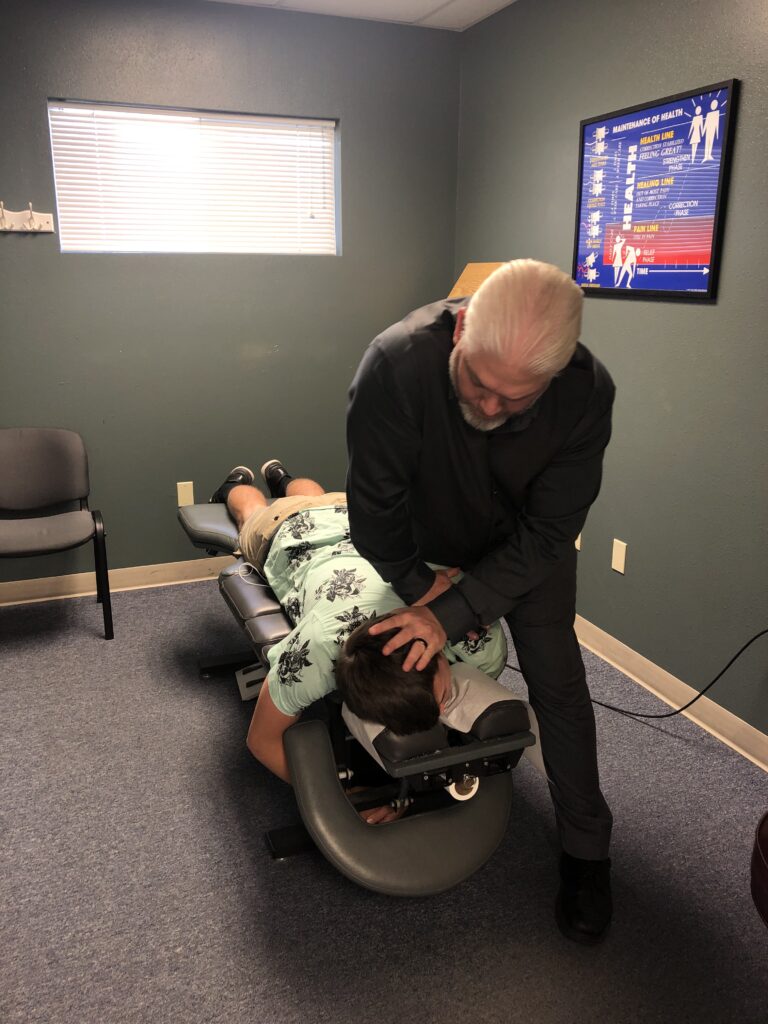

As a local chiropractor, I want to share some insights about posture-related back pain that you may be experiencing, especially if you spend long hours at a desk or in front of a screen. You’re not alone in feeling discomfort in your back; many individuals face this issue without even realizing the root cause.
It’s important to understand that posture plays a crucial role in your overall spinal health. By making simple adjustments to your workspace—such as ensuring your chair supports your lower back and that your computer screen is at eye level—you can significantly reduce the strain on your spine.
In addition to ergonomic changes, incorporating specific exercises designed to strengthen your back and improve your posture can be incredibly beneficial. These exercises can help alleviate pain and enhance your overall well-being.
If you’re unsure where to begin, I’m here to guide you through effective strategies tailored to your needs. Together, we can work towards helping you feel better and move more comfortably, naturally. Remember, taking care of your spine is essential for your health, and chiropractic care can be a vital part of that journey.
Understanding Posture-Related Back Pain
As a local chiropractor, I want to emphasize the significant role that your posture plays in maintaining a healthy back. Many people don’t realize that when you slouch or hunch over, you’re adding undue strain to your spine and the muscles surrounding it. This continuous tension can lead to discomfort and pain, especially if poor posture becomes a habit over time.
You might start to notice changes such as rounding shoulders or a forward-leaning neck. These postural shifts can compress nerves and irritate the soft tissues in your back, contributing to chronic pain issues.
To help mitigate these problems, it’s crucial to stay aware of your posture throughout your daily activities. Aim to sit up straight, keep your ears aligned with your shoulders, and ensure your feet are flat on the ground. Making these simple adjustments can have a profound effect on your back health.
Additionally, I encourage you to take regular breaks to stretch and strengthen your core muscles. This can further alleviate discomfort related to poor posture.
The Importance of Ergonomics
As a local chiropractor, I want to emphasize the vital role that ergonomics plays in maintaining your back health—especially if you find yourself sitting at a desk for long periods.
By optimizing your workspace, you can significantly reduce strain on your back and promote better posture, which is crucial for your overall well-being.
To start, invest in an adjustable chair that provides proper support for your lower back. It’s essential that your feet are flat on the ground or on a footrest to maintain proper alignment. Your computer monitor should be positioned at eye level to prevent any unnecessary neck strain.
Additionally, keep your keyboard and mouse within easy reach to avoid extending your arms too far, which can lead to discomfort in your shoulders.
Don’t overlook the height of your desk; it should allow your elbows to rest comfortably at a 90-degree angle. If possible, consider incorporating a standing desk or remember to take regular breaks to shift your position throughout the day.
By prioritizing these ergonomic principles, you can enhance your comfort and significantly reduce the risk of chronic back pain. This, in turn, will lead to a healthier, more productive work life.
As your chiropractor, I encourage you to take these steps seriously. Proper ergonomics aren’t just about comfort; they’re foundational to your health and can prevent long-term issues that may require more intensive care.
Let’s work together to create a healthier workspace for you!
Effective Stretching Techniques
As a local chiropractor dedicated to promoting natural healing, I want to share some effective stretching techniques that can significantly alleviate back pain and enhance your flexibility.
By focusing on specific muscle groups, we can help release tension and encourage better posture. Here are three simple stretches that I recommend incorporating into your daily routine:
– Cat-Cow Stretch: Begin on all fours, with your wrists aligned under your shoulders and your knees under your hips. Arch your back upwards like a cat, tucking your chin to your chest.
Then, dip your back down, lifting your head and tailbone towards the ceiling. Repeat this movement for several cycles; it’s a wonderful way to loosen your spine and improve mobility.
– Seated Forward Bend: Sit on the floor with your legs extended straight in front of you. Gently reach for your toes while keeping your back straight.
Hold this position for 20-30 seconds. This stretch targets your hamstrings and lower back, helping to relieve tension and enhance flexibility.
– Child’s Pose: Kneel on the floor and sit back on your heels, then extend your arms forward on the ground.
This gentle stretch not only relaxes your lower back but also promotes a sense of calm and well-being.
By integrating these stretches into your daily routine, you may experience significant improvements in your back comfort and overall flexibility.
Strengthening Exercises for a Stronger Back
As a local chiropractor dedicated to your health, I want to emphasize the importance of strengthening exercises for a robust back. Building a stronger back involves focusing on several key elements that can significantly enhance your overall well-being.
First, core stability exercises are vital. A strong core supports your spine and helps maintain proper posture, which can alleviate strain on your back. Incorporating these exercises into your routine can provide the foundation for a healthier back.
Next, we must address upper back strengthening. Many of us spend hours hunched over computers or smartphones, which can lead to muscle imbalances and discomfort. By engaging in exercises that target the upper back muscles, you can improve your posture and reduce tension.
Lastly, don’t overlook the importance of flexibility work. Stretching not only enhances your range of motion but also helps prevent injuries. A flexible back is better equipped to handle daily activities and stresses.
Together, these components—core stability, upper back strengthening, and flexibility—play a crucial role in supporting your spine and promoting mobility. By integrating these exercises into your lifestyle, you can take proactive steps toward achieving a healthier, stronger back.
If you have any questions or need guidance on how to get started, please feel free to reach out. Your journey to better back health is just a step away!
Core Stability Exercises
As a local chiropractor, I often encounter patients who associate back pain solely with a lack of strength. However, I want to emphasize that targeting your core can significantly enhance spinal stability and alleviate discomfort.
By incorporating core stability exercises into your routine, you can develop a strong foundation that supports your back and helps reduce pain. Here are a few effective exercises I recommend:
- Planks: This exercise engages your entire core. Maintain a straight line from your head to your heels, which helps in stabilizing the spine.
- Bird-Dogs: Start on your hands and knees, and extend one arm and the opposite leg simultaneously. This movement improves coordination and stability, essential for a healthy back.
- Dead Bugs: Lying on your back, lift your limbs alternately while ensuring your lower back remains pressed against the floor. This exercise helps in reinforcing core control.
Incorporating these exercises into your daily routine can strengthen your core, providing the essential support your back needs to function effectively and ultimately reduce pain.
Upper Back Strengthening
As a local chiropractor, I want to emphasize the importance of strengthening your upper back for maintaining good posture and preventing discomfort, especially if you find yourself sitting for long periods.
It’s crucial to incorporate exercises that specifically target the rhomboids and trapezius muscles, which play a significant role in supporting your spine.
I recommend adding exercises such as bent-over rows and face pulls to your routine. These movements can be effectively performed using resistance bands or dumbbells, which will help increase the intensity of your workouts.
For optimal results, aim for three sets of 10-15 repetitions for each exercise while ensuring that you maintain proper form throughout.
Another beneficial exercise to consider is wall angels. This movement not only promotes shoulder mobility but also engages your upper back, making it a great addition to your regimen.
Consistency is key when it comes to strengthening your upper back. Over time, you’ll likely notice improvements in your strength and a reduction in discomfort.
A strong upper back not only alleviates pain but also enhances your overall posture and functionality in daily activities.
Flexibility and Mobility Work
As a local chiropractor, I want to emphasize the importance of incorporating flexibility and mobility work into your daily routine for a healthier back.
This practice not only enhances your overall movement but also significantly reduces the risk of injury. By dedicating time to these exercises, you’ll improve your posture and alleviate tension that can lead to discomfort.
Here are three effective exercises I recommend for my patients:
- Cat-Cow Stretch: This dynamic stretch is excellent for improving spinal flexibility and relieving tension in your back. It involves moving between two positions that gently stretch and strengthen your spine.
- Hip Flexor Stretch: Many of you may not realize that tight hip flexors can contribute to back pain. This stretch opens up the hips, allowing for better mobility and reducing strain on your back.
- Thoracic Rotation: This movement is crucial for promoting upper back mobility, which plays a vital role in maintaining good posture. Improved thoracic mobility helps you sit and stand taller, reducing the likelihood of back discomfort.
I encourage you to make these exercises a regular part of your routine.
Over time, you’ll likely notice a stronger, more resilient back, which can lead to better overall health and well-being.
Lifestyle Changes for Better Posture
As a local chiropractor, I want to share some valuable insights on how you can improve your posture and overall well-being. One of the first steps is to create an ergonomic workspace that supports your spine and promotes good alignment.
It’s important to ensure that your chair, desk, and computer setup are designed to reduce strain on your back.
In addition to a well-designed workspace, incorporating a regular exercise routine can be incredibly beneficial. Engaging in activities that strengthen your core and back muscles helps maintain proper posture and alignment.
Remember, even small changes in your daily habits can lead to significant improvements in how you feel. Simple adjustments, like being mindful of your posture when sitting or standing, can make a world of difference.
If you’re interested in learning more about how chiropractic care can support your posture and overall health, I encourage you to reach out for more information. Together, we can work towards a healthier, pain-free lifestyle.
Ergonomic Workspace Setup
As a local chiropractor, I often see how the setup of your workspace can greatly influence your posture and overall comfort. Many people don’t realize that an ergonomic workspace not only promotes better alignment but also helps to alleviate strain on your body.
Here are some important tips to create a healthier work environment that can enhance your well-being:
- Chair Height: Ensure your chair is adjusted so that your feet rest flat on the floor, with your knees forming a 90-degree angle. This position helps maintain proper spinal alignment and can prevent discomfort in your lower back.
- Monitor Position: Your monitor should be at eye level and approximately an arm’s length away from you. This arrangement helps to reduce neck strain and encourages a more natural posture while you work.
- Keyboard and Mouse: Keep your keyboard and mouse close enough to prevent excessive reaching. Your elbows should also remain at a 90-degree angle. This setup minimizes tension in your shoulders and wrists, which can contribute to pain and fatigue.
By implementing these ergonomic adjustments, you can significantly improve your posture and reduce discomfort during those long hours at your desk.
Regular Exercise Routine
As a local chiropractor, I want to emphasize the importance of establishing a regular exercise routine for not just your overall health, but also for improving your posture. Engaging in activities like strength training, flexibility exercises, and core workouts is vital for building the muscles that support proper spinal alignment.
I often recommend incorporating practices such as yoga and Pilates, as they not only enhance flexibility but also strengthen your core, which is essential for maintaining a healthy spine.
Aiming for at least 30 minutes of exercise most days of the week can make a significant difference. Additionally, it’s crucial to include stretches that focus on your back, shoulders, and hips to alleviate tension and enhance mobility.
By committing to this routine, you can’t only reduce discomfort but also foster habits that promote better posture in your everyday life.
Remember, consistency in your exercise regimen is key to experiencing long-term benefits. As you integrate these practices into your lifestyle, you’ll likely find that your body feels better and functions more effectively.
If you have any questions about how chiropractic care can complement your exercise routine, feel free to ask!
Incorporating Mindfulness and Body Awareness
As a local chiropractor dedicated to helping you manage back pain, I want to share how incorporating mindfulness and body awareness can profoundly enhance your healing journey.
By tuning into your body and staying present, you can gain valuable insights into how your posture and movements affect your back. This heightened awareness enables you to spot tension and make necessary adjustments before pain intensifies.
Here are three effective ways to practice mindfulness and body awareness that can complement your chiropractic care:
- Breathing Exercises: Begin by focusing on your breath. Inhale deeply through your nose, allowing your abdomen to expand, and then exhale slowly through your mouth. This simple practice helps reduce tension and fosters a state of relaxation, which is crucial for healing.
- Body Scans: Take a moment to perform a mental scan of your body. Start from your head and work your way down, paying attention to any areas of discomfort or tightness. Recognize these sensations without judgment; simply acknowledge them. This practice can help you become more attuned to your body’s signals.
- Mindful Movement: Consider engaging in gentle, conscious movements such as yoga or tai chi. While moving, pay close attention to how your body feels with each motion. This practice can enhance your flexibility and strength while promoting a deeper connection with your body.
By integrating these mindfulness techniques into your daily routine, you can empower yourself in managing back pain and support your overall well-being.
When to Seek Professional Help
As a local chiropractor, I want to help you understand when it’s important to seek professional help for your back pain. If you’re experiencing discomfort that lasts more than a few weeks or if the pain intensifies despite your best self-care efforts, it’s a good idea to consult with a healthcare provider, like myself.
You should definitely reach out if you’re dealing with severe pain that interferes with your daily activities or if the pain radiates down your legs. These symptoms can indicate underlying issues that need to be addressed.
Additionally, if you’re feeling numbness, tingling, or weakness in your arms or legs, it’s crucial not to delay seeking help, as these could be signs of more serious conditions.
If your back pain is accompanied by unexplained weight loss, fever, or bowel and bladder problems, please don’t hesitate to come in for an evaluation. Early intervention can make a significant difference in your recovery and help prevent further complications.
Trusting your instincts is vital; if something feels off with your body, reaching out to a professional like me can lead to the peace of mind you deserve and a tailored treatment plan that meets your unique needs.
Conclusion
As a local chiropractor, I want to emphasize the importance of creating a comfortable workspace, incorporating regular stretching and strengthening exercises, and maintaining good posture to alleviate back pain caused by poor posture. These are simple yet effective changes you can make in your daily routine. Consistency and awareness are key to achieving lasting relief.
If you continue to experience discomfort despite these adjustments, I encourage you to seek professional help. Chiropractic care can provide valuable support in addressing posture-related pain naturally and effectively. By taking proactive steps today, you can pave the way for a healthier, more comfortable tomorrow. Your well-being is a priority, and I’m here to help you enjoy the benefits of a pain-free life!