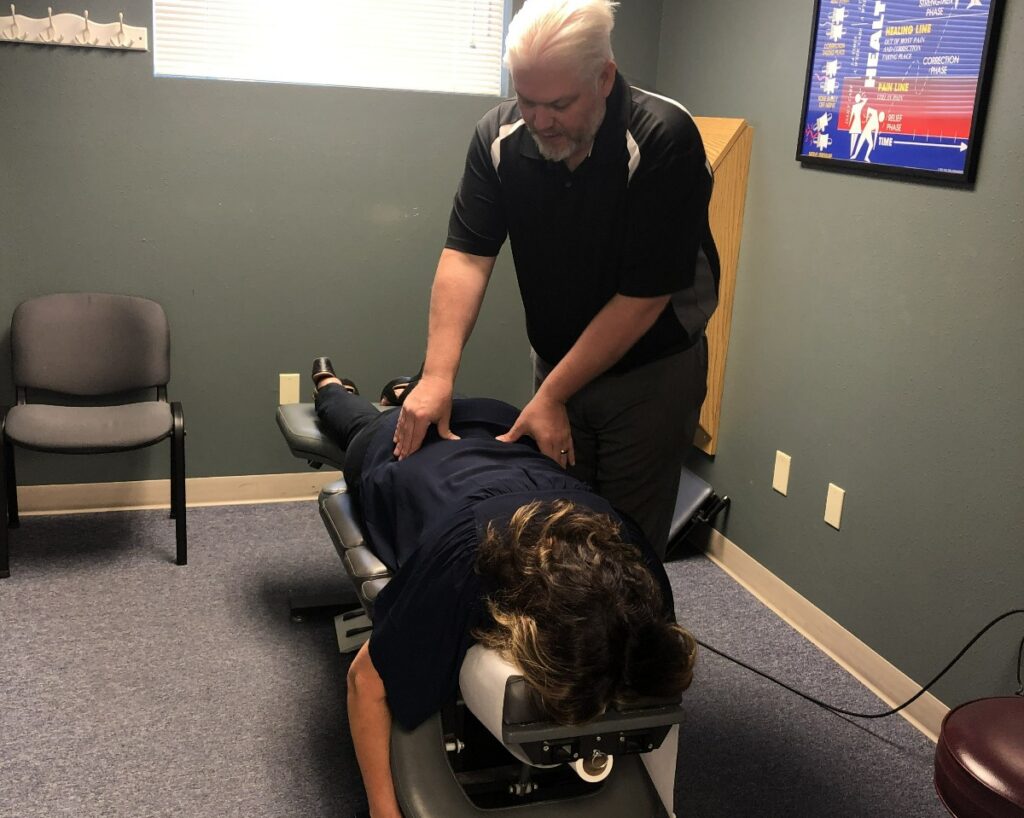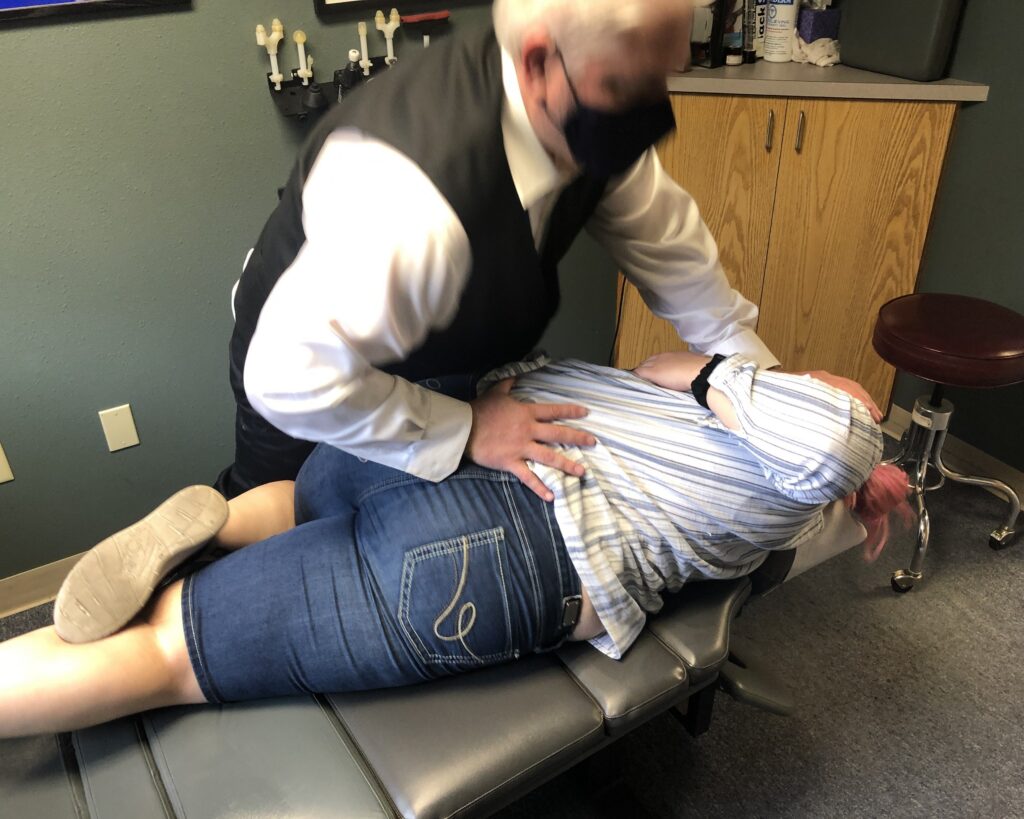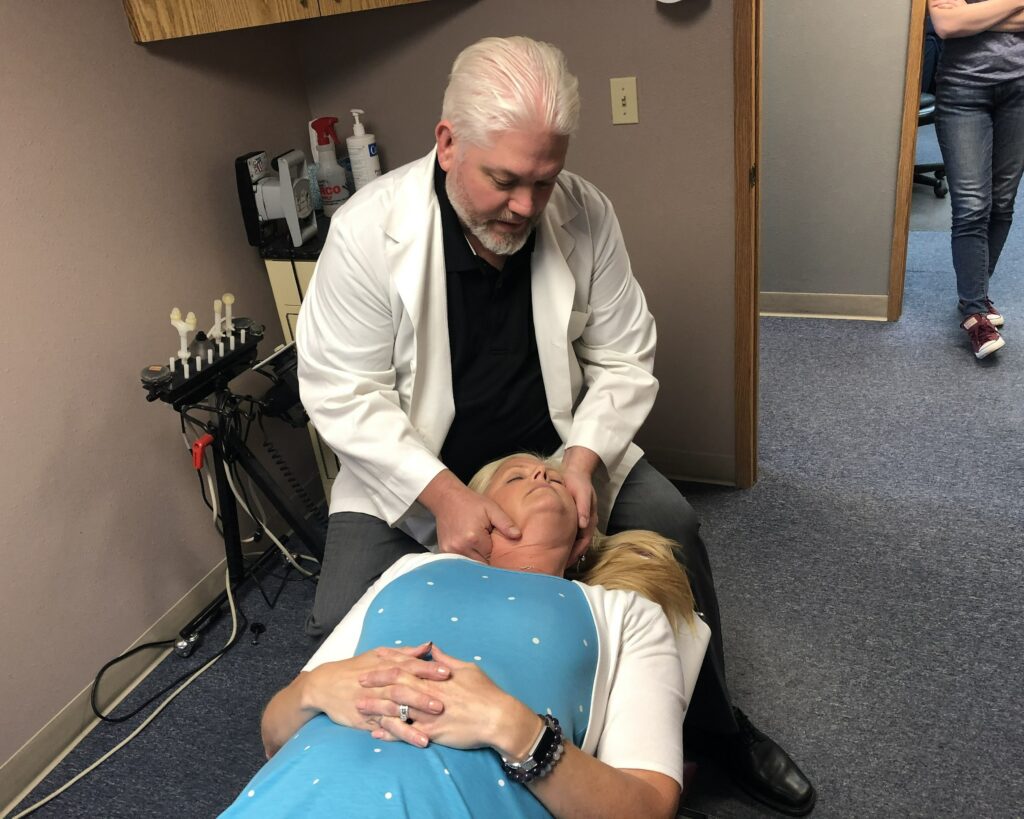

As a local chiropractor, I understand how chronic back pain can significantly affect your day-to-day activities. If you're experiencing this type of pain, I want to help you explore effective relief strategies that can improve your quality of life. It might seem overwhelming at first, but knowing your options can truly empower you.
Chiropractic care is one of the most effective approaches to managing back pain. Through specific adjustments, we can realign your spine, which may alleviate pressure on nerves and improve your overall function. Additionally, incorporating physical therapy and targeted exercises can strengthen your back muscles and enhance flexibility, further supporting your spine.
Natural healing methods, such as acupuncture and massage therapy, can also be beneficial. These therapies work to reduce inflammation and promote relaxation, addressing pain from a holistic perspective.
Moreover, simple lifestyle modifications—like improving your posture, incorporating ergonomic furniture, and maintaining a healthy weight—can lead to lasting relief.
So, if you're curious about how chiropractic care and these complementary strategies can help you manage your pain, let's discuss the best approach tailored to your needs. Together, we can find the right path to help you feel your best.
Physical Therapy Benefits
When it comes to managing chronic back pain, chiropractic care can be a transformative approach. As a local chiropractor, I want to share how working with a skilled practitioner can lead to personalized treatment plans that cater specifically to your unique needs. We assess your condition, identify the root causes of your discomfort, and implement strategies aimed at reducing pain while enhancing your overall functionality.
One of the major advantages of chiropractic care is that it helps you regain strength and mobility. Through specific adjustments and targeted exercises, you'll learn how to stabilize your spine and support your back effectively. This isn't just about relieving pain; it's about empowering you to take charge of your health and well-being.
I'll guide you through techniques that promote better posture and body mechanics, which can help prevent future injuries. In addition, chiropractic care often includes hands-on techniques such as spinal manipulation and soft tissue therapy, which can relieve muscle tension and improve circulation.
You may experience relief from tightness and discomfort as I work on the areas that are causing you issues. Furthermore, I'll educate you on body awareness, helping you understand how your movements affect your back, so you can make informed choices for a healthier lifestyle.
Exercise and Stretching Techniques
As your local chiropractor, I want to emphasize the importance of incorporating regular exercise and stretching into your routine to help alleviate chronic back pain and improve your overall mobility. Engaging in specific exercises can strengthen your back, abdominal muscles, and legs, providing essential support for your spine.
Furthermore, stretching enhances flexibility, reduces muscle tension, and promotes blood circulation, all of which are vital for pain relief.
To begin, I recommend focusing on low-impact activities that are gentle on your body and won't exacerbate your pain. Here are some effective techniques you can easily integrate into your daily life:
- Walking: Aim for brisk walks several times a week. This low-impact exercise not only strengthens your muscles but also improves circulation, which is vital for healing.
- Core strengthening: Incorporating exercises such as planks and bridges can target your abdominal and back muscles, helping to stabilize your spine and prevent further injury.
- Gentle yoga: Adding yoga to your routine can be incredibly beneficial. Poses like Child's Pose and Cat-Cow are excellent for stretching and relieving tension in your back, promoting relaxation and flexibility.
- Hamstring stretches: Keep in mind that tight hamstrings can contribute to back pain. Regularly stretching them can alleviate discomfort and enhance your overall flexibility.
Consistency is crucial for success. I encourage you to aim for at least 30 minutes of exercise most days of the week.
It's important to listen to your body and adjust your routine as necessary. If you're unsure about where to start or which exercises are safe for your specific situation, please don't hesitate to reach out to me or a qualified healthcare professional.
We can provide personalized guidance tailored to your needs.
Alternative Treatments
As a local chiropractor, I want to share some insights on managing chronic back pain with alternative treatments that you may not be familiar with. Techniques such as acupuncture and the use of herbal remedies can play a significant role in alleviating discomfort.
These methods take a holistic approach to pain management, complementing the traditional therapies we often think of. Chiropractic care focuses on aligning the spine and promoting overall wellness, and when combined with alternative treatments, it can enhance your healing process.
Acupuncture Benefits
Many individuals experience substantial relief from chronic back pain through chiropractic care, a holistic approach that emphasizes the body's natural ability to heal itself. Chiropractors use various techniques, including spinal adjustments and soft tissue therapies, to restore proper alignment and function in your body.
If you're exploring chiropractic care, here are some benefits you might encounter:
- Pain Relief: Many patients notice a significant reduction in pain levels after just a few sessions, as chiropractic adjustments help alleviate pressure on nerves and restore mobility.
- Improved Mobility: Chiropractic care can enhance your range of motion, making everyday activities easier and more enjoyable.
- Reduced Muscle Tension: Our techniques are designed to relax tight muscles, promoting a more comfortable posture and reducing discomfort.
- Enhanced Overall Well-being: In addition to physical improvements, chiropractic care can positively impact your mood and lower stress levels, fostering a sense of overall health and vitality.
It's important to work with a licensed chiropractor who understands your unique condition and health history.
Keep in mind that everyone's journey to wellness is different; tracking your progress and maintaining open communication with your chiropractor is essential.
Chiropractic care may be the natural relief strategy you need to effectively manage chronic back pain and improve your quality of life.
Herbal Remedies
As a local chiropractor, I want to share with you the benefits of incorporating herbal remedies into your approach to managing chronic back pain. For centuries, these natural solutions have provided relief for many individuals, and I often recommend considering them alongside chiropractic care.
Herbs like turmeric, ginger, and devil's claw are particularly noteworthy. Turmeric contains a compound called curcumin, which research suggests can significantly help in reducing pain and inflammation. You can easily add turmeric to your meals or take it as a supplement to support your healing journey.
Ginger is another excellent option, known for its warming properties. It can be particularly effective when consumed in teas or tinctures, offering soothing relief for discomfort in your back.
Then there's devil's claw, a powerful herb that works to reduce inflammation and may enhance your mobility. You can usually find it in capsule or extract form at local health stores.
However, before you start any herbal remedy, it's crucial to consult with me or your healthcare provider, especially if you're currently taking other medications.
Remember that each person's body can react differently to herbal treatments, so what might work wonders for one person may not yield the same results for you.
I encourage you to explore these herbal options in conjunction with your chiropractic care. Together, we can find a holistic approach that helps you manage your chronic back pain in a natural and effective way.
Medications for Pain Relief
When dealing with chronic back pain, it's important to consider a holistic approach to relief, and that's where chiropractic care comes in.
As a local chiropractor, I want to educate you about how we can help alleviate discomfort naturally, rather than solely relying on medications.
While over-the-counter pain relievers and stronger prescriptions can provide temporary relief, they often mask the underlying issues contributing to your pain.
Chiropractic care focuses on identifying and addressing these root causes through spinal adjustments and other natural healing techniques.
By restoring proper alignment and function to your spine, we aim to enhance your body's ability to heal itself and reduce the need for medication.
Understanding the benefits of chiropractic care can empower you to make informed decisions about your health and pain management.
Together, we can explore natural strategies that not only alleviate your pain but also promote overall well-being.
Over-the-Counter Options
As a local chiropractor, I want to help you understand how over-the-counter (OTC) medications can play a role in managing chronic back pain, especially if you're new to chiropractic care and natural healing.
While these medications can offer quick relief, it's essential to recognize that they're just one part of a comprehensive approach to pain management.
OTC medications typically fall into two categories: nonsteroidal anti-inflammatory drugs (NSAIDs) and acetaminophen. NSAIDs, such as ibuprofen and naproxen, are particularly effective because they help reduce inflammation while alleviating pain. This makes them a popular choice for many experiencing back pain.
Acetaminophen, on the other hand, is a good option for pain relief but doesn't tackle inflammation directly.
While it's convenient to reach for these medications, I encourage you to consider some important factors:
- Read labels carefully: It's crucial to ensure you're taking the correct dosage for your needs.
- Stay hydrated: Some OTC medications can cause gastrointestinal discomfort, so drinking plenty of water is important.
- Consult me or your healthcare provider: If you have other health conditions or are taking other medications, it's wise to discuss your options.
- Monitor your pain levels: Keep track of how well the medication is working for you over time, as this will help us tailor your treatment plan.
Remember, while OTC medications can provide temporary relief, they should be part of a broader strategy that includes chiropractic care, which can address the root causes of your pain and promote long-term healing.
I'm here to support you on your journey to better health!
Prescription Medications Overview
As a local chiropractor, I want to share some insights on managing chronic back pain, particularly if you're not familiar with chiropractic care and natural healing methods.
While prescription medications can play a role in pain management, it's important to explore more holistic approaches that may offer relief without the side effects associated with pharmaceuticals.
Chiropractic care focuses on the body's natural ability to heal itself. By correcting spinal misalignments and improving overall function, we can often reduce inflammation and alleviate pain without the need for over-the-counter or prescription medications. This is especially beneficial for those whose pain isn't adequately managed by conventional treatments.
In addition to adjustments, we may incorporate other natural therapies, such as soft tissue work, stretching, and strengthening exercises. These can be effective in addressing muscle spasms or tension that contribute to chronic pain.
If you're considering medications, it's essential to be aware of both their benefits and risks. Nonsteroidal anti-inflammatory drugs (NSAIDs) can provide temporary relief, but they may not address the underlying causes of your pain. Muscle relaxants can help with spasms, but they might lead to drowsiness, impacting your daily activities.
For more severe pain, some may turn to opioids as a last resort. However, these come with significant risks, including addiction and dependency. Instead, I encourage you to explore alternative options, such as chiropractic care, which can target the root of the problem.
Additionally, certain natural supplements and lifestyle changes can support your healing process. Always consult with a healthcare professional before starting any new treatment, and together we can create a personalized plan that prioritizes your health and well-being.
Lifestyle Modifications
As your local chiropractor, I want to emphasize the significant impact your daily habits have on managing chronic back pain. Simple lifestyle modifications can greatly enhance your comfort and mobility. Let's explore some key changes you can make to support your spine and overall health.
First and foremost, incorporating regular physical activity into your daily routine is vital. Engaging in gentle exercises—like walking, swimming, or stretching—can strengthen your back muscles and improve flexibility. I recommend aiming for at least 30 minutes of low-impact exercise most days of the week. This consistency can make a noticeable difference in how you feel.
Next, let's talk about posture. It's crucial to be mindful of your alignment throughout the day. Whether you're working at a desk, driving, or standing, proper posture can significantly reduce strain on your back. Consider investing in ergonomic furniture or accessories that promote good posture. This can support your spine and help alleviate discomfort.
Another important factor is maintaining a healthy weight. Carrying excess weight can place additional pressure on your spine, leading to increased discomfort. If weight loss is a goal for you, I encourage a balanced diet rich in whole foods, fruits, and vegetables. This not only helps with weight management but also supports your overall wellbeing.
Finally, let's not overlook the importance of sleep. Quality rest is essential for your body to heal and recover. Ensure that your mattress and pillows provide adequate support for your sleeping position. A good night's sleep can do wonders for your back health.
Here's a quick recap of the lifestyle modifications I suggest:
- Engage in regular low-impact exercise to strengthen your back
- Maintain good posture at work and home to alleviate strain
- Follow a balanced diet to manage your weight effectively
- Prioritize quality sleep for optimal recovery
Mindfulness and Relaxation Techniques
As a local chiropractor, I want to share how incorporating mindfulness and relaxation techniques can significantly improve your ability to manage chronic back pain. Many of my patients find that these practices not only enhance their overall well-being but also help alleviate pain by reducing the stress and tension that often accompany it.
By focusing on the present moment, you can develop a deeper awareness of your body and its signals, allowing you to respond to discomfort in healthier, more effective ways.
One technique I often recommend is deep breathing. Whenever you feel tension building in your back or shoulders, take a moment to practice deep breathing. Inhale slowly through your nose, allowing your abdomen to expand fully, and then exhale gently through your mouth. This simple yet powerful exercise can help calm your mind and lower your physical stress levels, making it easier to cope with pain.
Another effective method is progressive muscle relaxation. This involves tensing a specific muscle group—for example, your shoulders—holding the tension for a few seconds, and then releasing it. Progress through different areas of your body, paying attention to how each muscle group feels.
This practice not only alleviates muscle tightness but also fosters an overall sense of relaxation, which can complement your chiropractic adjustments.
Mindfulness meditation is also a valuable tool in your pain management arsenal. I encourage you to set aside a few minutes each day to sit quietly, focusing your attention on your breath or a specific mantra. If distractions arise, gently guide your focus back to your breath.
With regular practice, mindfulness meditation can help you build resilience toward pain, enhancing the benefits you receive from chiropractic care.
Incorporating these mindfulness and relaxation techniques into your routine can lead to more effective pain management and a healthier lifestyle overall. If you have any questions about how these practices can work alongside your chiropractic treatment, feel free to ask during your next visit!
Conclusion
As a local chiropractor, I want to share how a combination of physical therapy, exercise, alternative treatments, and mindfulness techniques can significantly aid in managing chronic back pain. It's essential to personalize your approach and make lifestyle adjustments tailored to your specific needs. This not only helps alleviate discomfort but also enhances your overall well-being.
Remember, consistency is crucial! Stick to your treatment plan, pay attention to how your body responds, and don't hesitate to reach out for professional guidance. With dedication and the right chiropractic strategies, you can find relief from pain and regain control of your life. Embracing these natural healing practices can lead to a healthier, more vibrant you.