
Tension headaches can be quite a challenge, often resulting from stress, poor posture, or muscle tightness. As a chiropractor, I’ve seen how these headaches can significantly impact your daily life. Fortunately, by making simple lifestyle adjustments and utilizing specific techniques, you can experience relief and regain control over your well-being.
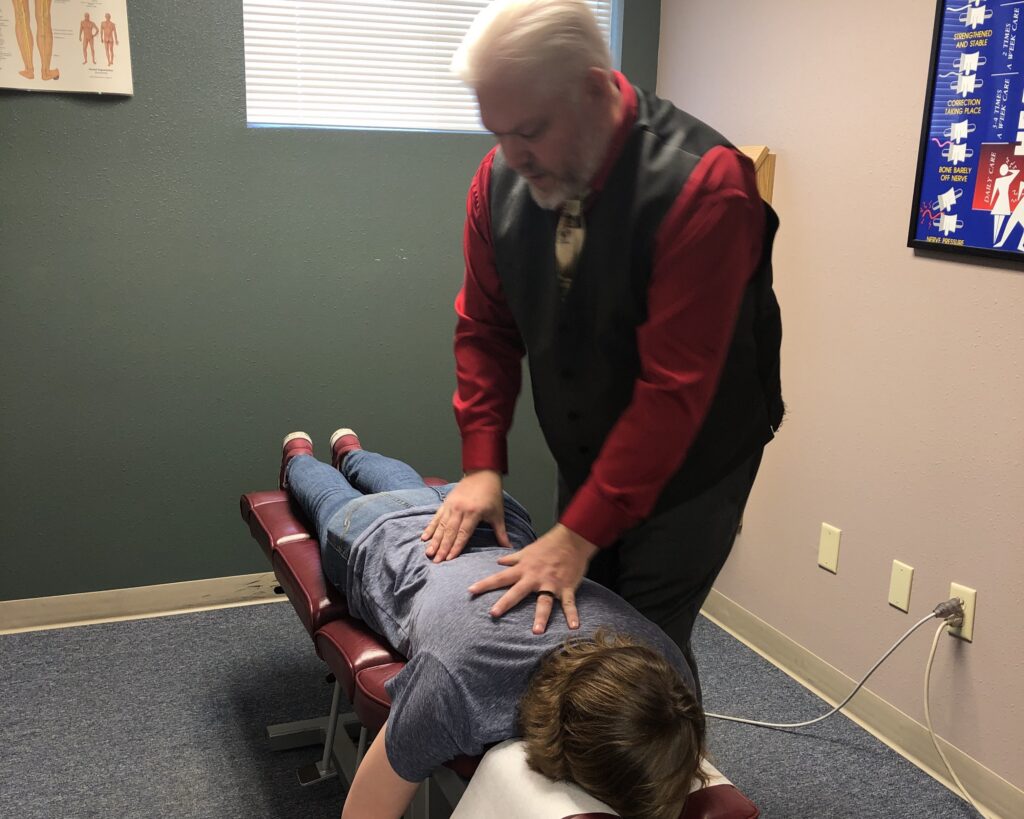
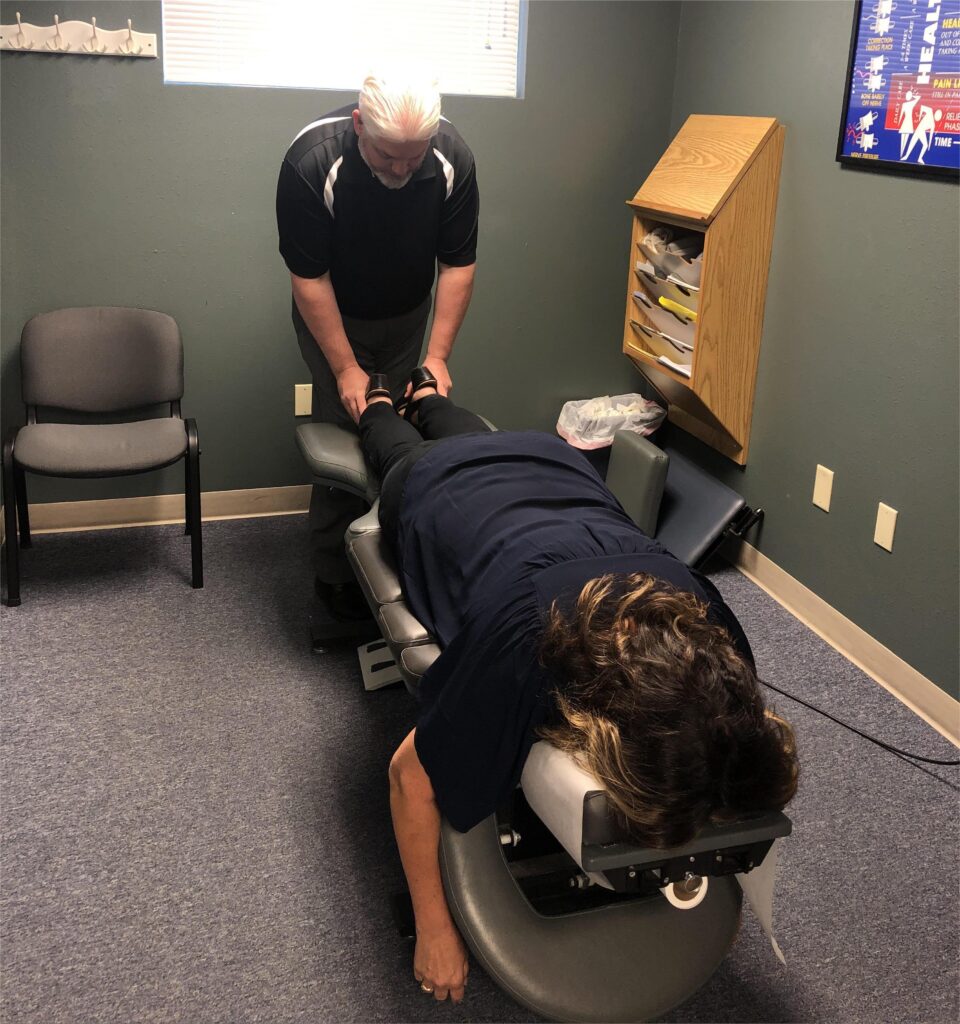
Chiropractic care is an excellent choice for addressing the underlying issues that contribute to tension headaches. By focusing on spinal alignment and overall musculoskeletal health, we can help reduce the frequency and severity of these headaches. Regular chiropractic adjustments can alleviate muscle tension, improve posture, and enhance your body’s ability to manage stress.
Here are some effective methods to relieve tension headaches and help prevent future occurrences:
- Posture Awareness: Pay attention to your posture whether you’re sitting, standing, or working at a desk. Keeping your spine aligned can reduce strain on your neck and shoulders, which are often culprits for tension headaches.
- Stress Management: Incorporate relaxation techniques such as deep breathing, meditation, or yoga into your daily routine. These practices can help reduce stress levels and promote a sense of calm, ultimately decreasing the likelihood of headaches.
- Regular Chiropractic Care: Scheduling regular visits to your chiropractor can help maintain spinal health and prevent muscle tightness. Adjustments can realign your spine, reduce tension, and improve your overall well-being.
- Hydration and Nutrition: Staying well-hydrated and eating a balanced diet can have a positive impact on your health. Dehydration and poor nutrition are known triggers for headaches, so it’s essential to consume plenty of water and nutrient-rich foods.
- Gentle Stretching and Exercise: Incorporate gentle stretching exercises into your daily routine to alleviate muscle tension. Activities like walking, swimming, or light yoga can improve circulation and reduce stress on your muscles.
By taking these steps and prioritizing your spinal health through chiropractic care, you can alleviate pain and prevent tension headaches from disrupting your life. Remember, maintaining a healthy spine is key to achieving overall wellness. If you’re struggling with tension headaches, don’t hesitate to reach out to your chiropractor for personalized care and guidance.
Key Takeaways
- To help ease tension headaches, consider applying a warm compress to your forehead or neck. This simple technique can provide soothing relief and help with any inflammation you might be experiencing.
- Managing stress is crucial for headache prevention. Deep breathing exercises, yoga, and meditation are excellent practices that promote relaxation and can enhance your overall well-being.
- Remember to stay well-hydrated and maintain a consistent sleep schedule. Both hydration and proper rest are essential for preventing headaches and supporting your body’s natural functions.
- Gentle neck stretches and shoulder rolls can work wonders in relieving muscle tightness that often contributes to tension headaches. Incorporating these movements into your daily routine can significantly improve your comfort.
- As a chiropractor, I often recommend regular spinal adjustments. These sessions can help improve spinal alignment, which may reduce the frequency of headaches and enhance your overall health. By prioritizing chiropractic care, you take an important step toward achieving optimal wellness and pain relief naturally.
Understanding Tension Headaches
Tension headaches are a common issue that many people face, often triggered by stress or muscle tightness. If you’re experiencing a consistent, dull ache around your forehead or the back of your neck, it can make everyday tasks challenging. These headaches typically develop gradually, feeling like a tight band around your head, and they often arise after a long day at work or during stressful moments as your muscles respond to pressure.
Unlike migraines, tension headaches usually don’t come with symptoms like nausea or sensitivity to light. You might experience mild to moderate pain that can linger from 30 minutes to several days. Understanding the nature of these headaches is crucial for finding effective relief, and this is where chiropractic care shines.
Chiropractic care focuses on addressing the root causes of tension headaches, such as muscle tension and spinal misalignments. By enhancing spinal health through adjustments, we can help alleviate the tension in your muscles, reducing the frequency and intensity of headaches. Regular chiropractic adjustments not only provide immediate relief but also promote long-term wellness by ensuring your spine and nervous system are functioning optimally.
In addition to chiropractic care, here are some general tips to help manage tension headaches:
- Stay Hydrated: Dehydration can contribute to headaches, so make sure you’re drinking enough water throughout the day.
- Practice Relaxation Techniques: Engage in activities like deep breathing, yoga, or meditation to help reduce stress.
- Maintain Good Posture: Be mindful of your posture while sitting at a desk or using your phone to prevent muscle strain.
- Take Breaks: If you’re working for long periods, take regular breaks to stretch and move around, which can help relieve tension.
- Apply Heat or Cold: A warm compress on your neck or a cold pack on your forehead can provide relief from headache pain.
Identifying Triggers
When it comes to managing tension headaches, identifying your specific triggers is key to finding relief and promoting wellness. One effective method is to keep a headache diary. Note when your headaches occur, how intense they are, and any activities or stressors that may have contributed. You may discover patterns that reveal specific triggers, such as long hours spent at a computer or skipping meals.
Pay special attention to your environment as well. Factors like bright lights, loud noises, or strong smells can play a role in triggering headaches. Stress is another significant contributor, so consider your emotional state during these episodes.
Once you’ve identified your triggers, you can take proactive steps to reduce their impact. Simple adjustments to your workspace, practicing stress management techniques, and maintaining a regular eating schedule can make a big difference.
Incorporating chiropractic care into your routine can also be a game-changer. Regular chiropractic adjustments can help improve spinal alignment and alleviate tension, which may reduce the frequency and intensity of your headaches.
Lifestyle Changes for Prevention
Making lifestyle changes can significantly reduce the frequency and severity of tension headaches, and as a chiropractor, I believe that natural methods are the key to achieving optimal health.
Start by prioritizing sleep—aim for seven to nine hours each night. A consistent sleep schedule helps regulate your body’s internal clock, which is essential for preventing fatigue-related headaches.
Next, hydration plays a vital role in your overall health. Make sure to drink plenty of water throughout the day, as dehydration is a common trigger for headaches. Keeping your body well-hydrated not only supports your spinal health but also helps maintain proper function throughout your body.
Evaluate your diet as well. Incorporate balanced meals rich in fruits, vegetables, and whole grains while limiting processed foods. Eating regular meals stabilizes blood sugar levels, which can further reduce the occurrence of headaches.
Stress management is also crucial. Consider integrating mindfulness practices like meditation or deep breathing exercises into your daily routine. Taking breaks throughout your day can alleviate tension and provide your body with the rest it needs.
Don’t forget to evaluate your workspace. Ensure your chair and desk are ergonomically designed to support good posture, which is essential in reducing muscle tension that can lead to headaches. Proper spinal alignment can enhance your overall wellness and help prevent discomfort.
Stretching and Exercise Techniques
When tension headaches strike, neck stretching exercises can be a wonderful way to alleviate discomfort and promote relaxation.
As a chiropractor, I often emphasize the importance of maintaining a healthy spine, which plays a crucial role in overall well-being. By incorporating full-body workouts into your routine, you not only manage tension but also enhance your mood and support spinal health.
Here are some effective techniques you can easily integrate into your daily life to promote natural healing and wellness:
- Gentle Neck Stretches: Try simple neck stretches by tilting your head to one side, holding for a few seconds, and then switching sides. This helps to release tension in the neck and upper back.
- Shoulder Rolls: Roll your shoulders forward and backward in a circular motion. This exercise helps alleviate tightness around the neck and improves circulation.
- Chin Tucks: While sitting or standing, gently pull your chin back towards your throat, keeping your neck long. This helps align your spine and strengthens neck muscles.
- Full-Body Movement: Engage in activities like walking, yoga, or swimming. These exercises can improve your posture, flexibility, and overall spinal health, contributing to reduced tension and a more positive mood.
- Regular Chiropractic Care: Consistent visits to your chiropractor can help maintain spinal alignment, reduce tension, and enhance your body’s natural ability to heal itself. It’s a proactive approach to achieving and maintaining optimal health.
Remember, taking care of your spine is key to a healthier, pain-free life.
Neck Stretching Exercises
Incorporating neck stretching exercises into your daily routine can significantly alleviate tension headaches, which are often linked to spinal misalignments and muscle tightness. As a chiropractor, I encourage you to embrace these simple stretches as a natural and effective way to promote flexibility and relieve discomfort.
Start by gently tilting your head to one side, holding the position for 15-30 seconds, then switch to the other side. This stretch helps open up the muscles around your neck and can improve overall spinal health. You can also enhance your range of motion by performing neck rotations—slowly turning your head to look over each shoulder. This movement encourages proper alignment and circulation.
Another beneficial stretch involves interlacing your fingers behind your head and gently pulling forward. This action can create a soothing stretch in your neck, helping to release built-up tension. As you perform these stretches, remember to breathe deeply and relax; avoiding any rapid or jerky movements is essential to prevent strain.
Consistency is key in achieving optimal results. Aim to incorporate these stretches into your daily routine. Not only will you likely experience a reduction in tension and discomfort, but you’ll also be taking proactive steps towards maintaining a healthy spine and enhancing your overall well-being.
Full-Body Workouts
To maximize your wellness journey, incorporating full-body workouts can truly enhance your overall health. These exercises engage multiple muscle groups at once, making them not only efficient but also effective for building strength and improving stamina. Additionally, maintaining flexibility through these workouts can contribute to reducing tension headaches, which many people experience.
Including exercises such as squats, push-ups, and lunges in your routine can be beneficial. Remember to start with dynamic stretches to properly warm up your body and prepare it for movement. As you engage in these exercises, pay attention to your breathing; deep, controlled breaths can help alleviate stress and tension, promoting a better workout experience.
I recommend aiming for at least three full-body workout sessions each week, gradually increasing the intensity to match your fitness level. By committing to these workouts, you not only strengthen your body but also cultivate a sense of well-being that can help manage headache triggers.
While exercise plays a vital role in your health, don’t forget the importance of regular chiropractic care. Chiropractic adjustments can help align your spine, improve your posture, and relieve tension in your muscles, all of which can further enhance your workout performance and overall well-being. By combining full-body workouts with chiropractic care, you can pave the way to optimal health, naturally and effectively.
Mindfulness and Relaxation Practices
Mindfulness and relaxation practices can significantly aid in relieving tension headaches, and as a chiropractor, I believe these methods complement the holistic approach of chiropractic care. By incorporating simple breathing exercises and guided imagery techniques into your daily routine, you can effectively reduce stress, promote relaxation, and enhance your overall well-being.
Breathing exercises are an excellent way to lower stress levels. Try taking a few minutes each day to focus on your breath. Inhale deeply through your nose, allowing your abdomen to expand, and then exhale slowly through your mouth. This practice not only calms the mind but also helps to alleviate physical tension in your body, which can contribute to headaches.
Guided imagery is another effective technique. Picture a peaceful place, like a serene beach or a quiet forest. Visualizing yourself in a calming environment can help reduce anxiety and tension. This relaxation can be beneficial for your spine, as stress often leads to poor posture and alignment, which can exacerbate headache symptoms.
In addition to these practices, it’s important to pay attention to your spinal health. Regular chiropractic adjustments can help relieve tension in your neck and upper back, areas often associated with tension headaches. By maintaining proper spinal alignment, you can improve nerve function and overall health, leading to fewer headaches.
Remember, staying hydrated and taking breaks throughout the day can also prevent tension buildup. Simple stretches and mindful movements can keep your body relaxed and your mind clear.
Breathing Exercises
Breathing exercises can be an excellent way to relieve tension headaches and promote overall wellness. As a chiropractor, I believe that focusing on natural methods for pain relief, like these breathing techniques, can complement your chiropractic care and enhance your journey to optimal health. By simply paying attention to your breath, you can ease muscle tension and cultivate relaxation. Here are some straightforward techniques to try:
| Technique | Steps | Benefits |
|---|---|---|
| Diaphragmatic Breathing | Inhale deeply through your nose, allowing your belly to expand, then exhale slowly through your mouth. | Helps reduce stress and anxiety, fostering a sense of calm. |
| 4-7-8 Breathing | Inhale for 4 seconds, hold your breath for 7 seconds, and then exhale slowly for 8 seconds. | Calms the nervous system, promoting relaxation and mental clarity. |
| Box Breathing | Inhale for 4 seconds, hold for 4 seconds, exhale for 4 seconds, and hold again for 4 seconds. | Enhances focus and clarity, making it easier to manage stress. |
| Alternate Nostril Breathing | Close one nostril, inhale deeply, switch to the other nostril, and exhale. | Balances energy and instills a sense of calmness. |
| Mindful Breathing | Concentrate fully on each breath, letting go of any distractions or worries. | Increases mindfulness and helps you connect with your body. |
Incorporating these breathing techniques into your daily routine can significantly aid in relieving headaches and enhancing your overall well-being. Remember, regular chiropractic care works hand-in-hand with these practices to address the root causes of pain and promote a healthier lifestyle. Embrace these natural methods and experience the benefits of a holistic approach to health!
Guided Imagery Techniques
Building on the relaxation fostered by breathing exercises, guided imagery techniques can be a valuable addition to your wellness routine, especially if you’re managing tension headaches. Visualizing peaceful, calming scenes can create a mental escape that helps ease stress and tension. Close your eyes and imagine a serene beach or a tranquil forest, focusing on the soothing sounds and sensations around you. Picture the warmth of the sun or the gentle rustle of leaves, allowing these images to fill your mind and bring you a sense of tranquility.
As you immerse yourself in this calming imagery, you might notice your muscles starting to relax, and any headache discomfort may begin to fade. Incorporating guided imagery into your daily routine not only aids in pain relief but also promotes a sense of overall well-being.
Remember, chiropractic care plays a crucial role in achieving optimal health and managing pain naturally. Regular chiropractic adjustments can help alleviate tension headaches by ensuring proper spinal alignment and reducing muscle tension. So, in addition to these relaxation techniques, consider visiting your chiropractor to address the root causes of your headaches and enhance your body’s ability to heal itself.
Take a few moments each day to indulge in guided imagery, and combine it with your chiropractic care for a holistic approach to wellness. By focusing on both your mental and physical health, you’ll be on your way to a healthier, pain-free life.
Over-the-Counter Pain Relief Options
When tension headaches strike, many people reach for over-the-counter (OTC) pain relief options like ibuprofen, acetaminophen, or naproxen. While these medications can provide temporary relief, they often only mask the underlying issues. Instead of relying on these quick fixes, consider exploring chiropractic care as a holistic approach to achieving optimal health and natural wellness.
Chiropractic care focuses on the alignment of your spine and the overall functioning of your nervous system. By addressing misalignments, or subluxations, in your spine, a chiropractor can help reduce tension and alleviate headaches at their source. This approach not only provides relief but can also enhance your body’s ability to heal itself naturally, leading to long-term wellness.
In addition to chiropractic adjustments, there are several simple strategies you can incorporate into your daily routine to help manage tension headaches. Here are some tips:
- Hydration: Make sure you’re drinking plenty of water throughout the day. Dehydration can trigger headaches, so keeping hydrated is key.
- Posture Awareness: Pay attention to your posture, especially if you sit for long periods. Proper ergonomics can prevent neck and shoulder tension that contributes to headaches.
- Stress Management: Incorporate relaxation techniques such as deep breathing, meditation, or gentle yoga into your daily routine to help reduce stress levels.
- Cold Compress: Applying a cold compress to your forehead or the back of your neck can provide soothing relief and reduce inflammation.
- Regular Chiropractic Visits: Keeping up with regular chiropractic adjustments can help maintain spinal health and prevent tension headaches before they start.
Always listen to your body. If you find that tension headaches persist, consider consulting with a chiropractor to explore a personalized treatment plan tailored to your needs. Embracing chiropractic care not only helps alleviate pain but also fosters a healthier, more balanced lifestyle.
When to Seek Professional Help
While tension headaches can often be managed with self-care strategies, there are times when reaching out for professional help is crucial. If you find that your headaches are becoming more frequent or intense, it’s wise to consult a chiropractor. They specialize in understanding how spinal health affects overall well-being and can provide tailored solutions that address the root cause of your discomfort.
If over-the-counter medications aren’t offering relief or you start to notice unusual symptoms, such as visual disturbances or severe nausea, a chiropractor can help evaluate these concerns in a holistic way. They can assist in identifying potential spinal misalignments or tension in the muscles that may be contributing to your headaches.
Additionally, if your headaches are interfering with your daily activities or sleep, don’t hesitate to seek professional advice from a chiropractor. They can offer gentle adjustments and natural therapies that promote healing and restore balance in your body. By focusing on spinal health and overall wellness, chiropractic care can help relieve headache pain effectively without the need for medications or invasive procedures.
Creating a Long-Term Management Plan
Creating a long-term management plan for tension headaches is crucial for reducing their frequency and intensity, and chiropractic care can play a significant role in this process. As a local chiropractor, I want to share some valuable insights to help you manage your headaches naturally.
First, it’s important to identify your triggers. Common culprits include stress, poor posture, and dehydration. Keeping a headache diary can be incredibly helpful; jot down when your headaches occur, what you were doing, and how you felt. This can help you discover patterns and pinpoint what might be causing your discomfort.
Incorporating regular relaxation techniques into your daily routine can also make a big difference. Activities such as deep breathing, yoga, and meditation can help you effectively manage stress and tension, which often contribute to headaches.
Consider making lifestyle changes that support overall wellness, such as engaging in regular exercise and maintaining a balanced diet. Both can have a positive impact on how often you experience headaches. Additionally, don’t underestimate the power of sleep—make sure you’re getting enough rest and maintaining a consistent sleep schedule.
As a chiropractor, I also encourage you to explore the benefits of chiropractic adjustments. Chiropractic care focuses on aligning the spine, which can alleviate tension in the neck and shoulders, common areas where tension headaches can originate. Regular adjustments can help restore proper function to your nervous system and promote natural healing.
Finally, it’s a good idea to consult with a healthcare professional, preferably a chiropractor, who can provide tailored advice and treatment options specific to your needs. By taking proactive steps and staying consistent with your management plan, you’ll be better equipped to handle tension headaches and enjoy a more comfortable, headache-free life. Remember, natural wellness is within your reach!
Conclusion
To conclude, managing tension headaches effectively hinges on understanding your unique triggers and embracing holistic techniques. As a chiropractor, I emphasize the importance of lifestyle changes that prioritize spinal health, as well as incorporating stretching and relaxation practices into your daily routine. Regular chiropractic adjustments can help alleviate tension in the neck and shoulders, addressing the root cause of your headaches rather than just masking the symptoms.
Be mindful of your body’s signals; they often indicate when something is off balance. Maintaining a healthy routine—such as staying hydrated, getting regular exercise, and practicing good posture—can significantly reduce the frequency and severity of tension headaches. Remember, chiropractic care is a natural and effective approach to achieving optimal health and wellness. With the right strategies and support, you can take control of your headaches and enjoy a more comfortable, pain-free life.