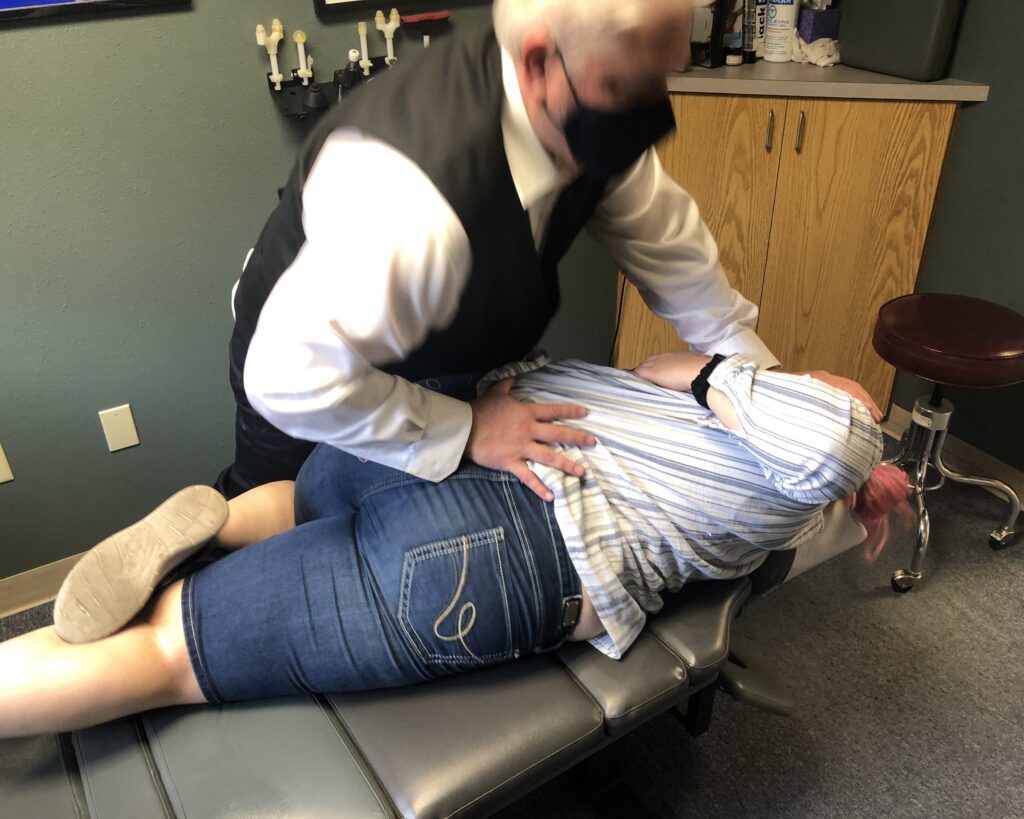

As a local chiropractor, I want to share some valuable insights on caring for infants and toddlers, especially when it comes to natural healing and holistic approaches. It's important to approach any treatment with mindfulness and compassion, ensuring that we support our little ones in the safest way possible. Whether addressing minor discomforts like a cut or managing symptoms like fever, it's essential to have effective tools and techniques in your toolkit.
For instance, understanding gentle methods to ease teething pain can make a significant difference in your child's comfort. Similarly, knowing how to safely administer any necessary medications is crucial. Emphasizing natural remedies and chiropractic techniques can provide additional relief without the side effects often associated with pharmaceuticals.
Moreover, being prepared for the unexpected is vital. Accidents and illnesses can happen, and having a plan in place can help you respond calmly and effectively. Together, we can explore holistic strategies that prioritize your child's well-being and promote their overall health. Let's work together to ensure your child feels safe and comfortable in every situation!
First Aid Essentials
As a local chiropractor, I want to emphasize the importance of being prepared for emergencies, especially for caregivers of infants and toddlers. Understanding how to respond in critical situations can significantly impact your child's safety and well-being.
One essential step is to assemble a first aid kit that's easily accessible. Include items like adhesive bandages, gauze pads, antiseptic wipes, and a digital thermometer. Don't forget to add infant-specific items, such as a nasal aspirator and infant pain relievers, which can provide immediate comfort when necessary.
It's also important to familiarize yourself with basic first aid techniques. For example, knowing how to perform CPR on infants and toddlers is a vital skill that can save lives in emergencies. I recommend taking a certified course to ensure you feel confident in your abilities.
Additionally, practice the Heimlich maneuver for choking incidents, as it can be crucial in quickly clearing an airway.
Keep a list of emergency contact numbers handy, including your pediatrician's office and local emergency services. Having a written action plan for common emergencies, like allergic reactions or burns, is also wise. Make sure to share this information with anyone who looks after your child, so everyone knows how to respond appropriately in a crisis.
In any emergency, staying calm is essential. Your composed demeanor won't only reassure your child but also help you think clearly about the next steps you need to take.
Regular check-ins with your pediatrician can provide guidance on the latest first aid practices and health recommendations. By preparing yourself with these essentials, you're not only creating a safer environment but also empowering yourself to respond confidently when it matters most.
Managing Fever Safely
When your child has a fever, it can be understandably concerning. As a local chiropractor, I want to provide you with insights on how to manage it safely and comfortably, utilizing natural healing principles.
First, it's important to take their temperature accurately with a digital thermometer. For infants under three months, a fever is defined as a temperature of 100.4°F (38°C) or higher, and you should consult a pediatrician right away. For older children, observe their behavior and overall symptoms. If they remain active and are still eating, that often indicates they're coping well.
To help support your child's body during a fever, ensure they stay well-hydrated. Offering plenty of fluids like water or electrolyte solutions is essential to prevent dehydration. Dress them in lightweight clothing and maintain a comfortable room temperature. A lukewarm bath can also be beneficial as it may help lower their body temperature gently without causing shivering.
While over-the-counter fever reducers such as acetaminophen or ibuprofen can be effective, it's crucial to follow the dosage instructions based on your child's age and weight. Please avoid giving aspirin to children, as it has been associated with Reye's syndrome, a serious condition.
As you monitor their symptoms, be vigilant for persistent high fever, severe headache, difficulty breathing, or unusual drowsiness. In such cases, seeking medical attention is essential.
Treating Minor Cuts
As a local chiropractor, I want to emphasize the importance of addressing minor injuries, like cuts, with care and attention.
When your child experiences a minor cut, it's essential to evaluate the injury immediately. Look for any bleeding and assess the depth of the cut, as this will help guide you in choosing the appropriate cleaning methods.
Just like we focus on holistic healing in chiropractic care, properly tending to these minor injuries is vital to prevent infection and support the body's natural healing processes.
Assessing the Injury
Assessing an injury is a crucial step in ensuring your child's well-being, especially when it comes to minor cuts. As a chiropractor, I encourage you to approach this situation calmly to help your child feel secure and supported.
Begin by examining the cut's location, size, and depth. Is it just a surface scratch, or does it appear deeper? Look for any signs of bleeding, swelling, or redness around the area.
Understanding how the injury occurred is also important. Was it a result of a fall, a sharp object, or something else? This knowledge can help you evaluate the severity of the injury and determine if you need to seek further medical attention.
If the cut seems minor and manageable, you might be able to treat it at home. As you care for your child's injury, be vigilant for any signs of infection, such as increased redness or pus, which could indicate a need for professional evaluation.
Always trust your instincts—if you have any doubts about the injury, it's wise to consult a healthcare professional, such as your pediatrician or a chiropractor who specializes in holistic healing.
Throughout this process, remember that your child's comfort is paramount. Speak soothingly to them, reassuring them that everything will be okay.
Proper Cleaning Techniques
Maintaining cleanliness is crucial when dealing with minor cuts, as it helps prevent infection and encourages healing—a principle that aligns with our focus on natural healing here at our chiropractic practice.
Start by thoroughly washing your hands with soap and water, and be sure to dry them with a clean towel before you proceed.
Gently rinse the cut under cool running water for several minutes; this step is essential to remove any dirt or debris that may hinder the healing process. If the cut appears particularly dirty, you can carefully use a mild soap around the perimeter of the wound, but avoid getting soap directly in the cut itself.
After rinsing, gently pat the area dry with a clean, soft cloth. It's important not to rub the cut, as this can aggravate the injury. To further support your body's natural healing abilities, apply an antiseptic solution or ointment, which can help reduce the risk of infection. If you're considering a topical antibiotic, ensure it's safe for use, especially if the patient is an infant or toddler.
Once you've treated the cut, cover it with a sterile bandage to protect it from further injury and to keep it clean. Be sure to change the bandage daily or any time it becomes wet or dirty.
As part of your healing journey, regularly monitor the cut for any signs of infection, such as increased redness, swelling, or pus. If you observe any concerning symptoms, don't hesitate to consult your healthcare provider, just as you'd for any chiropractic care needs.
Soothing Teething Pain
Teething can be a challenging phase for both infants and parents, often leading to discomfort and sleepless nights. As your little one's teeth begin to emerge, you may notice increased fussiness, drooling, and a tendency to chew on everything in sight.
As a local chiropractor, I want to share some natural techniques to help soothe teething pain and promote your baby's comfort during this time.
One effective approach is to use teething rings or toys made from safe, non-toxic materials that are easy for your baby to hold. Consider placing these items in the fridge for a short period, as the coolness can help numb the gums and provide relief.
Just be cautious not to freeze them, as this could be too harsh for your baby's sensitive mouth.
Another gentle method is to massage your baby's gums with a clean finger. This can offer immediate comfort and relief. Additionally, if your baby is old enough, introducing soft foods or chilled fruits, such as bananas or apples, can be soothing and serve as a delightful distraction during the teething process.
If your baby appears to be in significant discomfort, it's wise to consult your pediatrician about over-the-counter pain relief options. However, I advise against giving any medications without professional guidance, as it's crucial to ensure you're using age-appropriate and safe products.
As a chiropractor, I also emphasize that maintaining your baby's overall well-being is important. Gentle chiropractic care can help support their nervous system and promote their comfort during teething and beyond.
Always remember, natural healing methods can be effective and beneficial for your little one.
Handling Allergic Reactions
When your infant or toddler exhibits signs of an allergic reaction, it's crucial to recognize the symptoms swiftly.
As a local chiropractor, I want to emphasize the importance of understanding these reactions and how they relate to the overall well-being of your child.
While chiropractic care primarily focuses on spinal health and the body's ability to heal naturally, being informed about emergency response steps and how to manage allergic reactions is equally vital.
In addition to seeking immediate care when necessary, consider how natural healing practices can support your child's immune system.
Maintaining a healthy spine through chiropractic adjustments can enhance the body's function and resilience, potentially reducing the severity of allergic responses.
Let's work together to ensure your little one stays safe and healthy during these challenging situations.
Recognizing Allergy Symptoms
As a local chiropractor dedicated to promoting natural healing and overall wellness, I want to emphasize the importance of recognizing allergy symptoms, especially in infants and toddlers. These symptoms can appear suddenly and unexpectedly, making it crucial for caregivers to be vigilant.
Common signs to look out for include hives, which present as raised red welts on the skin, and swelling, particularly around delicate areas like the face, lips, or eyes. If you notice your child scratching or rubbing their skin, this may indicate discomfort and a possible allergic reaction.
Respiratory issues are another concern, manifesting as coughing, wheezing, or difficulty breathing. A runny or stuffy nose can also suggest your little one is experiencing an allergic response. Additionally, gastrointestinal symptoms such as vomiting, diarrhea, or stomach cramps may arise.
It's important to pay attention to your child's behavior. If they become unusually fussy, lethargic, or irritable after eating certain foods or being in a new environment, this may warrant further investigation. Keeping a record of any new foods or changes in their surroundings can help identify potential allergens.
Early recognition of these symptoms is vital for managing allergies effectively. By staying informed and proactive, you can take steps to support your child's health and well-being.
As a chiropractor, I advocate for natural healing methods that can complement traditional approaches to allergy management, ensuring your child receives comprehensive care.
Emergency Response Steps
As a local chiropractor, it's important to recognize that many health issues, including allergic reactions in infants and toddlers, can trigger urgent responses. If you suspect that a child is experiencing an allergic reaction, staying calm and acting quickly is crucial.
Begin by assessing the situation. Look for symptoms such as swelling, hives, difficulty breathing, or vomiting. If any of these signs are present, it's essential to call 911 or your local emergency number right away.
While you await professional help, your role is to ensure the child is as comfortable as possible. If they're struggling to breathe, help them to sit up, as this can facilitate easier airflow.
In cases where an allergen has been ingested, check if the child has an emergency action plan or an epinephrine auto-injector available. If they do, follow the instructions provided for its use.
Monitor the child's condition closely. If symptoms escalate, be prepared to share important information with emergency responders, including the suspected allergen, the symptoms observed, and any history of previous reactions.
Avoid attempting to treat the reaction independently with home remedies or over-the-counter medications, as these may hinder necessary medical care.
Finally, remain with the child until help arrives. Your presence can provide comfort and stability.
Medication Administration Guidelines
As a local chiropractor, I want to emphasize the importance of understanding how to manage allergic reactions naturally and safely. When you suspect an allergic reaction, it's crucial to recognize the signs, which may include hives, swelling, or difficulty breathing. If you have a natural remedy or an over-the-counter antihistamine available, ensure it's easily accessible.
Before considering any form of treatment, it's essential to know your child's weight and age to determine the appropriate dosage if using natural supplements. Always read labels carefully and adhere to the recommended amounts to ensure safety. If you're uncertain about the right approach or dosage, don't hesitate to reach out to a healthcare professional for advice.
When administering natural remedies or supplements, consider using a syringe or dropper for precise measurement. Approach the situation calmly and encourage your child to take the remedy. If they refuse, don't force it, as this can create anxiety or lead to choking.
If you're using an epinephrine auto-injector (in case you have one prescribed), be sure to follow the instructions accurately. Administer it into the outer thigh and hold it in place for a few seconds.
After giving any treatment, monitor your child closely for any changes or worsening symptoms, and seek emergency help if necessary. Your proactive response can significantly influence the outcome.
Incorporating chiropractic care can also provide additional support for overall wellness and immune function, which may help in managing allergies more effectively. If you have questions about how chiropractic care can benefit your family, feel free to reach out!
Recognizing Common Illnesses
As a local chiropractor dedicated to holistic health and natural healing, it's important to understand how common illnesses can affect your infant or toddler's overall well-being.
Recognizing these signs early on allows for timely intervention and can support your child's health in a natural way. Here are three common issues to be mindful of:
1. Fever: When your child feels warm to the touch or appears more irritable than usual, they may have a fever. This is the body's natural response to infection.
While it's essential to monitor their temperature with a reliable thermometer, chiropractic care can aid in boosting their immune system and may help reduce the duration of illness.
2. Cough and Cold Symptoms: Be vigilant for symptoms such as persistent coughing, sneezing, or a runny nose. These can indicate a common cold or respiratory issue.
If your child's coughing intensifies or they seem to have difficulty breathing, it's important to seek medical advice. In addition, chiropractic adjustments can help improve respiratory function by ensuring proper alignment and reducing tension in the nervous system.
3. Rashes: Skin rashes can arise from various causes, including allergies or infections.
Observe any redness, bumps, or dry patches on your child's skin. If a rash spreads quickly or causes discomfort, consulting a doctor is advisable.
Chiropractic care can also support skin health by enhancing overall body function and reducing stress on the immune system.
Understanding these signs can empower you as a parent to take proactive steps toward your child's health, including exploring natural healing options through chiropractic care.
Administering Medication Properly
When it comes to supporting the health of infants and toddlers, especially in relation to chiropractic care and natural healing, precision is paramount.
It's essential to understand how to assess and address their needs properly to ensure their well-being and the effectiveness of any treatments.
Let's discuss some safe and gentle techniques for providing care that can help you feel more at ease in this vital endeavor.
Emphasizing natural methods can make a significant difference in their overall health and development.
Dosage Calculations and Accuracy
Administering care to infants and toddlers requires careful attention to detail to ensure their safety and well-being. Just like with medication, even the smallest oversight can have significant effects on their health.
Here are three essential steps for ensuring that your child receives the best natural healing support through chiropractic care:
- Consider their growth: Always take into account the child's developmental stage and physical growth. This helps you understand how their body is responding to treatment and what adjustments may be necessary.
- Use appropriate tools: When seeking chiropractic care, choose a practitioner who utilizes specialized equipment designed for young children. These tools ensure that adjustments are made safely and effectively, tailored to the unique needs of infants and toddlers.
- Confirm treatment plans: Before proceeding with any chiropractic adjustments, it's important to discuss and confirm the treatment plan with your chiropractor. This collaborative approach helps to prevent any misunderstandings and ensures that you feel confident in the care your child is receiving.
Safe Medication Administration Techniques
As a chiropractor, I want to emphasize the importance of safe and effective approaches to health and wellness, particularly when it comes to caring for infants and toddlers. Just like with any form of healthcare, ensuring the proper administration of treatments or remedies is crucial for their well-being.
When considering natural supplements or remedies for your child, it's vital to double-check the recommended dosages and confirm they align with your healthcare provider's advice. Instead of using vague measurement tools, opt for calibrated droppers or syringes to ensure accuracy in administering treatments.
Before introducing any new supplements or natural remedies, take the time to read the labels carefully. Look for the correct dosing instructions and be aware of any potential side effects. If you have any questions or concerns, don't hesitate to reach out to your chiropractor or healthcare professional for clarification. It's always wise to ensure you're making informed decisions for your child's health.
When administering any treatment, hold your child comfortably to make them feel secure. For liquids, gently place the dropper in the side of their mouth, aiming for the cheek to promote swallowing while minimizing the risk of choking.
In cases where your child may need to take a supplement in tablet form, consider crushing the tablet and mixing it with a small amount of applesauce or yogurt. This can make it more palatable and easier for them to consume.
Lastly, keeping a record of what treatments or supplements you've administered and when can help prevent any accidental overdoses. Your careful attention to these details can significantly impact your child's health and recovery.
Safe Home Remedies
As a local chiropractor dedicated to holistic health and natural healing, I often emphasize the importance of gentle, natural remedies to alleviate common ailments in infants and toddlers.
These remedies are often derived from simple ingredients you may already have in your home and can serve as effective complements to chiropractic care. However, it's crucial to consult with a pediatrician before trying any remedy to ensure it's safe for your little one.
Here are three safe home remedies to consider:
- Warm Compress for Ear Pain: If your child is experiencing discomfort in their ears, applying a warm compress can help soothe the pain. Simply soak a clean cloth in warm water, wring it out, and gently place it against the affected ear. Always check the temperature to ensure it's not too hot, as we want to prevent any burns.
- Honey for Cough: For toddlers older than one year, honey can be a natural remedy for coughs. Mixing a teaspoon of honey with warm water or herbal tea not only adds sweetness but also provides soothing relief. However, it's important to remember that honey shouldn't be given to infants under one year due to the risk of botulism.
- Oatmeal Bath for Rashes: An oatmeal bath can be a wonderful remedy for rashes or irritated skin. By grinding plain oats into a fine powder and adding it to a warm bath, you can help relieve itching and soothe irritation. This gentle approach can leave your child feeling much more comfortable.
Incorporating these home remedies can provide your little one with comfort during minor ailments, and they work well alongside chiropractic treatments that focus on overall wellness.
Always observe your child's reactions to any remedy and prioritize their safety and well-being above all else. Remember, natural healing is about supporting the body's innate ability to heal itself!
When to Seek Help
As a local chiropractor, I understand that it can sometimes be difficult to determine when to seek professional help for your child's health. You may find yourself unsure if a situation warrants a visit to a healthcare provider or if it can be addressed at home. Trust your instincts; if something feels off, it's always wise to err on the side of caution.
It's important to be aware of specific signs that may indicate your child could benefit from chiropractic care or other natural healing methods. For instance, if your infant or toddler has a persistent high fever that doesn't respond to medication or lasts longer than three days, it's advisable to consult a healthcare professional. Unusual behaviors, such as constant crying or lethargy, can also be signals that something may be amiss.
If your child is experiencing difficulty breathing, shows signs of dehydration, or has unexplained rashes or bruises, seeking help is crucial. Additionally, symptoms like vomiting or diarrhea lasting more than 24 hours warrant a conversation with a doctor.
Keep an eye out for any developmental delays or changes in behavior, as these can be significant indicators that your child may benefit from a holistic approach to their health, which could include chiropractic care.
Preventive Care Tips
As a local chiropractor, I believe that taking proactive steps in your child's health can greatly enhance their overall well-being. Chiropractic care is a natural approach that focuses on keeping your little one safe and minimizing health issues before they arise.
Here are three essential tips to help you maintain your child's health through preventive care:
1. Regular Chiropractic Check-ups: Just like routine pediatric appointments, regular visits to a chiropractor can help monitor your child's spinal health and overall development.
These visits allow us to assess their posture, spinal alignment, and any potential issues that could affect their growth. By establishing a consistent chiropractic check-up schedule, we can catch any misalignments early on and support your child's health from the inside out.
2. Healthy Nutrition: Nutrition plays a vital role in your child's health, and as chiropractors, we understand the importance of a balanced diet.
Focus on providing a variety of whole foods—fruits, vegetables, whole grains, and lean proteins—to ensure your child receives all the necessary nutrients. Good nutrition not only supports physical growth but also enhances the body's ability to heal and function optimally.
3. Physical Activity: Encouraging your child to engage in regular physical activities is crucial for their development.
Whether it's playing outside, dancing, or participating in sports, movement is essential for building strong muscles and bones. Aim for at least 30 minutes of active play each day to keep them engaged, healthy, and to complement the benefits of chiropractic care.
Conclusion
As a local chiropractor, I want to emphasize the importance of gentle and safe techniques for treating infants and toddlers. It's essential to pay close attention to their unique needs and prioritize their well-being. Utilizing proper methods such as chiropractic adjustments can support their development and help manage discomfort from teething or other common childhood issues.
When it comes to managing fevers or administering medications, I encourage parents to explore natural remedies and holistic approaches that can be effective and safe at home. Simple techniques, like gentle massage or specific chiropractic care, can provide relief without relying solely on pharmaceuticals.
Preventive care is vital, so I recommend regular check-ups to monitor your child's growth and address any concerns early on. If you're ever uncertain about the best course of action, don't hesitate to reach out to a healthcare professional. By taking a proactive approach and embracing natural healing, you can ensure your little one stays healthy and happy!