
Migraines can be incredibly debilitating, but you might be surprised at how simple changes in your daily routine can help prevent them. As a chiropractor, I believe that focusing on natural healing and wellness is key to achieving optimal health, and there are several effective techniques you can implement to reduce the frequency and intensity of these headaches.
- Stay Hydrated: Dehydration is a common trigger for migraines. Make sure you’re drinking plenty of water throughout the day. Keeping your body well-hydrated can help maintain overall health and reduce headache occurrences.
- Practice Mindfulness and Relaxation: Stress can trigger migraines, so incorporating mindfulness practices like yoga or meditation can be incredibly beneficial. These practices not only help with stress management but also promote spinal health by improving posture and reducing tension in the body.
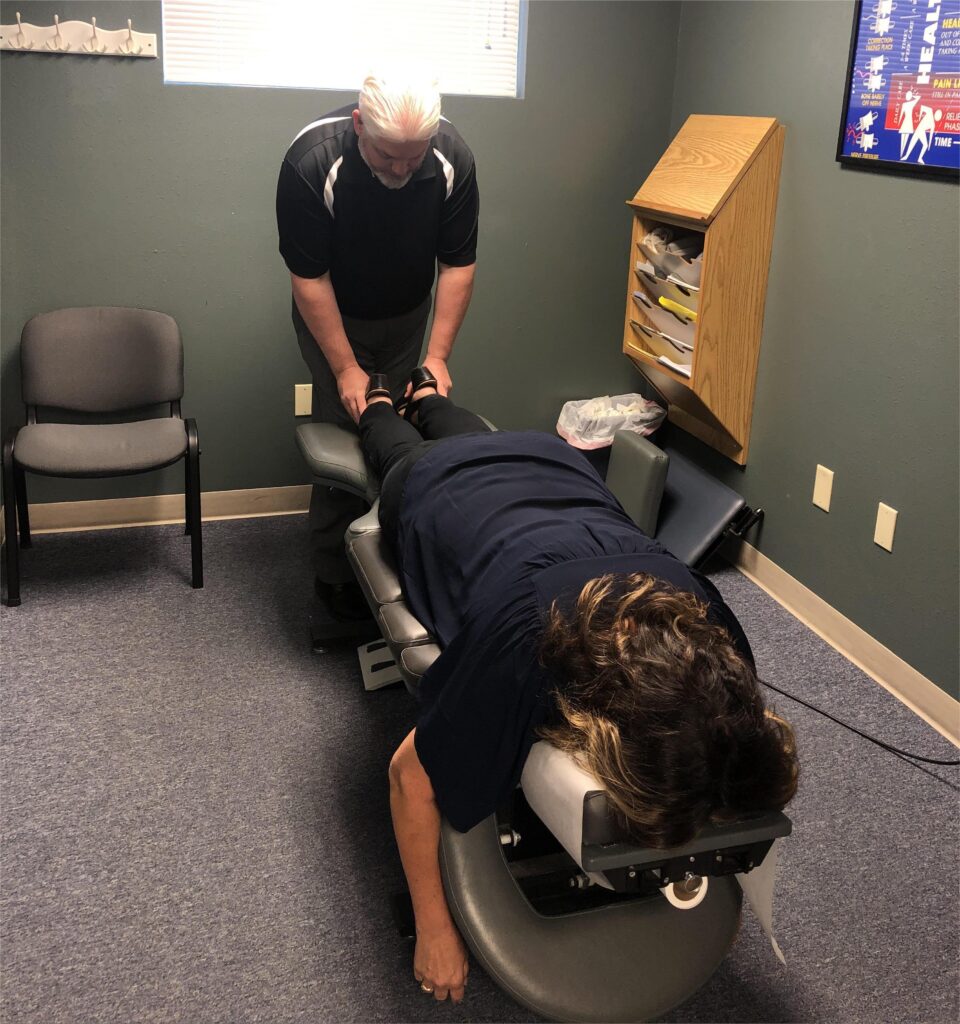
- Regular Chiropractic Care: Regular adjustments can help maintain proper spinal alignment, which supports your nervous system and overall health. Misalignments can contribute to tension headaches and migraines, so staying consistent with your chiropractic visits can be a game-changer in your wellness journey.
- Maintain a Healthy Diet: Certain foods can trigger migraines, so it’s important to identify and avoid them. Focus on a balanced diet rich in fruits, vegetables, whole grains, and lean proteins. Omega-3 fatty acids found in fish can also be beneficial for reducing inflammation.
- Get Enough Sleep: A regular sleep schedule is essential. Aim for the same sleep and wake time every day. Quality sleep can significantly reduce the likelihood of migraines and enhance your overall wellness.
- Limit Screen Time: Prolonged screen exposure can lead to eye strain and trigger headaches. Take regular breaks, practice the 20-20-20 rule (look at something 20 feet away for 20 seconds every 20 minutes), and ensure your workspace is ergonomically friendly.
- Incorporate Gentle Exercise: Regular, low-impact activities such as walking, swimming, or cycling can help reduce stress and tension in the body, contributing to fewer migraine episodes. Exercise also promotes spinal health and overall well-being.
By integrating these techniques into your daily life, you can create a supportive environment for your body. Remember, chiropractic care is a vital component of your wellness strategy, providing natural pain relief and promoting a healthier lifestyle. If you’re struggling with migraines, consider reaching out for a consultation to discuss how chiropractic care can help you achieve optimal health.
Key Takeaways
- Staying hydrated is crucial for overall health and can play a significant role in reducing migraine frequency. Make sure to drink plenty of water and include hydrating foods, such as cucumbers and watermelon, in your diet. This simple step can greatly benefit your well-being and help keep those pesky migraines at bay.
- Establishing a consistent sleep routine is essential for preventing migraines. Aim for seven to nine hours of quality sleep each night. Good sleep hygiene can not only improve your overall health but also support spinal health, which is vital for reducing headache occurrences.
- Managing stress is key to migraine prevention. Practicing mindfulness techniques like deep breathing and guided imagery can help alleviate tension and stress that often trigger migraines. Remember that a relaxed mind contributes to a relaxed body, which is where chiropractic care can also make a significant difference by ensuring your spine is aligned and tension-free.
- Incorporating magnesium-rich foods such as spinach and almonds into your diet can help lower the intensity and frequency of migraines. These foods support your overall health, and when combined with regular chiropractic care, you can enhance your body’s natural ability to heal and reduce headaches.
- Regular chiropractic adjustments can improve spinal alignment and reduce muscle tension, which is essential for alleviating headaches and migraines. By prioritizing chiropractic care, you choose a natural and effective method for pain relief and overall wellness, helping you lead a healthier, more comfortable life.
Explore the Power of Hydration
When it comes to preventing migraines, one of the simplest yet most powerful tools at your disposal is hydration. As a local chiropractor, I understand the significant impact that proper hydration can have on your overall health and wellbeing, including pain management. Staying well-hydrated helps maintain your body’s balance, which can notably reduce the frequency and intensity of migraines.
When you become dehydrated, your brain can actually shrink temporarily, leading to discomfort and pain. This is where the importance of hydration comes into play. By drinking plenty of water throughout the day, you can help keep your brain—and your entire body—functioning optimally.
Here are a few practical tips to ensure you’re getting enough hydration:
- Carry a Water Bottle: Keep a water bottle with you as a constant reminder to drink water throughout the day.
- Set Goals: Create hydration goals for yourself. For example, aim to drink a certain amount by noon and then another by the end of the day.
- Incorporate Hydrating Foods: In addition to water, include hydrating foods in your diet. Foods like cucumbers, oranges, and watermelon not only provide hydration but also offer essential vitamins and minerals to support your overall health.
- Listen to Your Body: Pay attention to your body’s signals. If you feel thirsty or start to experience headaches, it may be a sign that you need to drink more water.
- Chiropractic Care: Remember that regular chiropractic adjustments can also play a vital role in managing pain and promoting overall wellness. By aligning your spine, you can help improve your body’s communication systems, which may enhance your body’s natural ability to maintain balance, including hydration levels.
Embrace Regular Sleep Patterns
Establishing regular sleep patterns is key to preventing migraines and supporting your overall health. When you stick to a routine, your body becomes accustomed to knowing when it’s time to fall asleep and when it’s time to rise. Aim for seven to nine hours of quality sleep each night, and try to hit the hay and get up at the same time every day—even on weekends. This consistency is crucial in regulating your body’s internal clock, which can help minimize sleep disturbances that might trigger migraines.
As a chiropractor, I recommend avoiding stimulants like caffeine and nicotine close to bedtime since they can make it harder for you to drift off. Instead, consider creating a calming bedtime routine that signals to your body that it’s time to relax. Limiting screen time before bed can also be beneficial, as reducing blue light exposure helps maintain melatonin production, the hormone that aids sleep.
Prioritizing quality sleep not only helps in migraine prevention but also contributes to your overall well-being. When your body is well-rested, it’s better equipped to handle daily stressors, which can also play a role in pain management.
Incorporate Mindfulness and Meditation
Incorporating mindfulness and meditation into your daily routine can significantly help reduce the frequency and intensity of migraines. As a chiropractor, I believe that addressing the mind-body connection is essential for achieving optimal health and wellness. By practicing mindfulness, you can learn to manage stress effectively and better recognize the triggers that may lead to migraines.
Here are a few simple meditation techniques you can try:
- Deep Breathing: Find a comfortable position, either sitting or lying down. Take a deep breath in through your nose, allowing your abdomen to expand. Hold it for a moment, then exhale slowly through your mouth. Repeat this for a few minutes, focusing on the rhythm of your breath. This practice can help ease tension in your body and promote relaxation.
- Guided Imagery: Close your eyes and imagine a peaceful place, such as a beach or a quiet forest. Picture yourself there, feeling the warmth of the sun or the cool breeze. Engage your senses by imagining the sounds, smells, and sights of this serene environment. This can be a great way to divert your mind from pain and stress.
- Body Scan: Lie down comfortably and take a few deep breaths. Starting from the top of your head and moving down to your toes, focus on each part of your body. Notice any tension or discomfort, and consciously relax those areas as you breathe. This can help you become more aware of your body and promote relaxation.
In addition to these meditation techniques, regular chiropractic adjustments can support your overall health by ensuring your spine is properly aligned. This not only helps alleviate pain but also promotes better nervous system function, which is crucial for managing stress and overall wellness.
Benefits of Mindfulness Practice
Practicing mindfulness can be an effective way to manage and prevent migraines, especially when combined with chiropractic care. By focusing your attention on the present moment, you can significantly reduce stress and anxiety, two common triggers for migraines. Mindfulness encourages you to tune into your body and recognize the early signs of a migraine, allowing you to take proactive steps before the pain intensifies.
In addition to mindfulness, regular chiropractic adjustments can help relieve muscle tension and improve spinal alignment, which may contribute to migraine relief. By maintaining proper alignment, you can create a more harmonious environment in your body, reducing the likelihood of headaches.
Incorporating mindfulness techniques, such as deep breathing and meditation, into your daily routine can promote relaxation and enhance your overall well-being. This sense of calm not only helps manage stress but also complements the benefits of chiropractic care. Together, they can empower you to cope with challenges that might otherwise lead to debilitating headaches.
Remember to take time for yourself each day to practice mindfulness, whether it’s through meditation, gentle stretching, or simply enjoying a quiet moment. Combining these practices with regular visits to your chiropractor can help you achieve optimal health and wellness, paving the way for a more headache-free life. Give it a try—you might be pleasantly surprised by the positive changes you experience!
Meditation Techniques for Relief
Mindfulness and meditation can complement chiropractic care to provide relief from migraines and enhance overall wellness. By focusing on your breath, you can center yourself in the present moment, which helps to alleviate stress and tension that often contribute to migraine episodes. Consider trying a simple breathing technique: find a comfortable seat, close your eyes, and take a deep breath in through your nose. Hold it for a moment, then exhale slowly through your mouth. Repeat this for five to ten minutes.
Additionally, guided meditations can be useful as they help you visualize relaxation and promote the release of tension throughout your body. You can also incorporate a body scan meditation, where you pay attention to areas of tightness, promoting awareness of your physical state.
Regular meditation practice can enhance your understanding of migraine triggers and empower you to manage discomfort more effectively. However, don’t forget the vital role of chiropractic care in achieving optimal health. A chiropractor can help identify and address spinal misalignments that may contribute to headaches and migraines, providing a natural and effective way to achieve pain relief.
Adjust Your Diet With Migraine-Friendly Foods
Your diet plays a vital role in managing migraines, and being mindful of what you eat can significantly impact your overall health and wellness. As a chiropractor, I encourage you to consider how certain foods may trigger your headaches and to explore dietary changes that can promote natural healing. Incorporating magnesium-rich foods into your meals, such as leafy greens, nuts, and whole grains, may help reduce the frequency and intensity of your migraines.
In addition to dietary adjustments, maintaining a healthy spine is essential for optimal health. Regular chiropractic care can help align your body, reduce tension, and promote better overall function, which may also contribute to fewer headaches. Remember, it’s not just about what you eat, but also about how you take care of your body.
If you’re experiencing migraines, keep a food diary to track what you eat and when your headaches occur. This can help you identify and eliminate potential trigger foods from your diet. Moreover, staying hydrated and ensuring you get enough rest can also make a big difference in how you feel.
Identify Trigger Foods
Identifying trigger foods is an important step in managing migraines effectively, and as a chiropractor, I believe in approaching health and wellness through natural methods. By understanding what foods may contribute to your migraines, you can take control of your health and well-being.
Start by keeping a food diary to track what you eat and when migraines occur. This simple step can help you identify patterns and pinpoint specific triggers that may be causing discomfort. While common triggers include aged cheeses, processed meats, chocolate, caffeine, and alcohol, it’s essential to remember that everyone’s body is different, and your specific triggers may vary.
Once you identify your unique triggers, consider eliminating or limiting them from your diet. This doesn’t mean you have to sacrifice flavor or nutrition! Instead, focus on incorporating migraine-friendly foods such as fresh fruits, vegetables, whole grains, and lean proteins into your meals.
Maintaining a balanced diet not only helps reduce the frequency and severity of migraines but also promotes overall health.
In addition to dietary changes, regular chiropractic care can play a significant role in managing migraines. Chiropractic adjustments help improve spinal alignment, reduce tension, and enhance overall body function, which can contribute to fewer migraines and improved quality of life.
Incorporate Magnesium-Rich Options
Incorporating magnesium-rich foods into your diet can significantly enhance your efforts to manage migraines while supporting your overall health. Magnesium is essential for brain function and may help reduce the frequency and intensity of migraine attacks.
By including these foods in your meals, you can provide your body with valuable nutrients that contribute to your well-being and complement the benefits of chiropractic care.
Consider adding these magnesium-rich options to your meals:
- Leafy greens like spinach and kale aren’t only packed with magnesium but are also great for your overall health.
- Nuts and seeds, especially almonds and pumpkin seeds, make for excellent snacks that are easy to incorporate into your daily routine.
- Whole grains such as quinoa and brown rice are versatile staples that can enhance your meals while delivering essential nutrients.
Make it a point to include these options regularly. Not only will they aid in managing migraines, but they’ll also support your spine health and overall wellness.
As a chiropractor, I encourage you to explore recipes that highlight these magnesium-rich foods. You’ll be surprised at how delicious and beneficial they can be for your health journey!
Utilize Essential Oils for Relief
Essential oils can be a gentle and effective support in managing migraine pain, but it’s important to remember that chiropractic care is your best ally for long-term relief and wellness. As a chiropractor, I highly recommend a holistic approach to health that includes spinal alignment and natural healing methods.
When it comes to using essential oils, they can complement your chiropractic treatments. For example, peppermint oil can be particularly helpful. Just a few drops applied to your temples can create a cooling sensation that eases tension and promotes better circulation. Lavender oil is another great option known for its calming effects; it can help you relax and reduce stress, which is essential when dealing with a migraine.
You might also consider eucalyptus oil for its anti-inflammatory properties. Mixing a few drops with a carrier oil and gently massaging it onto your neck and shoulders can provide additional relief. While you rest, try diffusing these oils in a dimly lit room to create a peaceful atmosphere.
Engage in Regular Physical Activity
Engaging in regular physical activity isn’t only great for your overall health but can also significantly reduce the frequency and intensity of migraines. When you incorporate exercise into your routine, you’re taking a proactive step toward alleviating those debilitating headaches. As a chiropractor, I always emphasize the importance of a holistic approach to wellness, and exercise is a key component of that.
Finding activities you enjoy is crucial, as this will make it easier for you to stick to a consistent regimen. Here are some key benefits of regular physical activity, especially when paired with chiropractic care:
- Endorphin Release: Exercise naturally triggers the release of endorphins—your body’s own painkillers. This can help ease migraine symptoms and improve your mood.
- Enhanced Sleep Quality: Regular movement can lead to better sleep, which is essential for preventing migraines. A well-rested body is less likely to experience tension and stress, both of which can trigger headaches.
- Improved Blood Circulation: Physical activity boosts blood flow, which can help reduce muscle tension and potential migraine triggers. Better circulation also supports the health of your spine and nervous system.
To reap these benefits, aim for at least 30 minutes of moderate exercise most days of the week. Whether it’s a brisk walk, yoga, or cycling, choose activities that bring you joy. This won’t only help you stay consistent but also enhance your overall well-being.
Practice Stress Management Techniques
Exercise is a fantastic way to alleviate stress, but to truly optimize your wellness and prevent migraines, actively practicing stress management techniques is essential. Start by recognizing what causes your stress. By identifying these triggers, you can confront them more effectively. Simple practices like deep breathing, mindfulness, and meditation can be incredibly beneficial. Even just a few minutes of focused breathing can significantly calm both your mind and body.
Incorporate these practices into your daily routine. Consider scheduling short breaks throughout your day to unwind and recharge. Activities such as yoga or tai chi not only provide physical movement but also emphasize mental focus, combining exercise with relaxation—perfect for maintaining a healthy spine and reducing tension.
Don’t overlook the value of journaling, either. Putting your thoughts on paper can help you process emotions and alleviate stress. Finally, surround yourself with a supportive network of friends, family, or professionals. Having a strong support system can enhance your ability to manage stress and, in turn, lower your risk of migraines.
As a chiropractor, I encourage you to consider how regular chiropractic care can also play a vital role in your overall stress management and pain relief strategies. By addressing issues related to spinal health, you can promote better nervous system function, which is crucial for managing stress and maintaining optimal health. Remember, a healthy spine contributes significantly to a healthy mind!
Conclusion
By incorporating these seven practical techniques into your daily routine, you can take control of your migraine prevention and support your overall wellness through natural means. Staying hydrated is essential; it helps maintain spinal health and keeps your body functioning optimally. Establishing regular sleep patterns can also enhance your body’s ability to heal and recover, reducing migraine triggers.
Practicing mindfulness, such as through meditation or deep breathing, can promote relaxation and help alleviate stress, which is often a key factor in migraine occurrences. Adjusting your diet to include anti-inflammatory foods can further support your health and may reduce the frequency of migraines. Essential oils, such as peppermint or lavender, can be soothing and may provide relief during a migraine episode.
Engaging in regular physical activity not only strengthens your body but also promotes better spinal alignment, which can be beneficial for overall health. Finally, managing stress is crucial; consider chiropractic care as a holistic approach to relieving tension and improving your body’s function.
Start small and gradually integrate these habits into your life. By prioritizing your health and considering chiropractic care as a key element in your wellness journey, you can work towards a life with fewer migraines. Remember, with dedication and some simple lifestyle changes, relief is within your reach!