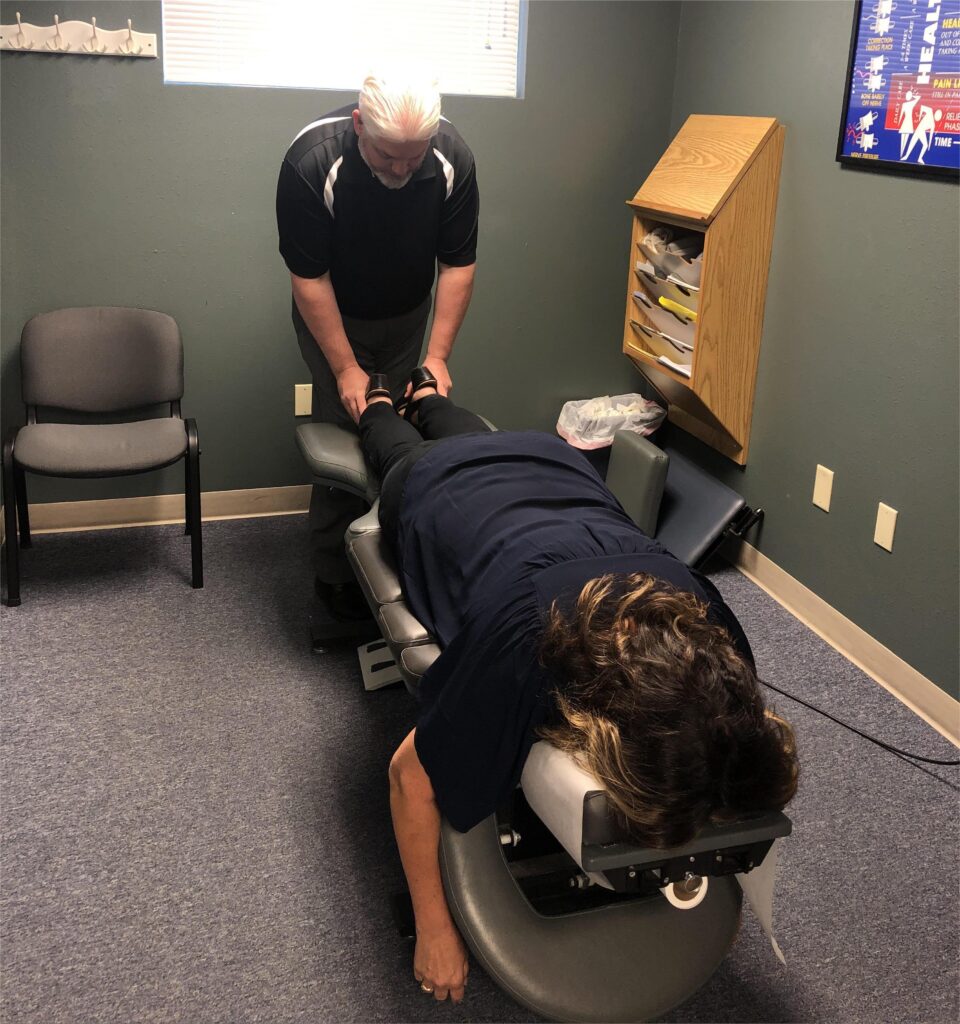

If you suffer from migraines, you understand how challenging they can be. Thankfully, there are updated techniques for prevention that can provide relief. By identifying your triggers and implementing specific lifestyle changes, you can significantly reduce the frequency and intensity of your migraine attacks.
One of the most effective approaches to managing migraines is through chiropractic care. Regular chiropractic adjustments can help improve spinal alignment, which may reduce tension and pressure in your neck and head, potentially lessening the severity of migraines.
In addition to chiropractic care, consider making dietary adjustments. Certain foods can trigger migraines, so keeping a food journal to track your intake and symptoms can be beneficial. Staying hydrated and maintaining a balanced diet rich in fruits, vegetables, and whole grains can also support overall health and wellness.
Stress management is another critical aspect of migraine prevention. Techniques such as deep breathing exercises, yoga, and meditation can help you manage stress levels and promote relaxation. Incorporating these practices into your daily routine can create a foundation for a healthier lifestyle.
Curious about how to integrate these methods into your daily life? Start by scheduling regular chiropractic appointments to keep your spine aligned and your nervous system functioning optimally. Combine this with mindful eating and stress management techniques to create a holistic approach to migraine prevention.
Remember, taking small steps towards a healthier lifestyle can lead to significant improvements in your overall well-being. Embrace chiropractic care as a natural and effective choice for migraine relief and enjoy a brighter, pain-free future.
Key Takeaways
- Establishing a consistent sleep schedule is essential for preventing migraines. By ensuring you get enough rest without oversleeping or suffering from sleep deprivation, you can help maintain balance in your body, which is crucial for overall wellness.
- Staying well-hydrated is another key factor in migraine prevention. Drinking plenty of water and including high-water-content foods in your diet can help keep dehydration at bay, which is a common trigger for migraines.
- Keeping a migraine diary can be a powerful tool. By tracking your headaches, you can identify personal triggers—be it certain foods, environmental factors, or lifestyle habits. This information can be invaluable in managing your migraines effectively.
- Regular exercise is not only good for your body but also beneficial for your mind. It helps reduce stress and promotes overall wellness. However, it’s important to listen to your body and avoid any activities that might trigger your migraines during workouts.
- As a chiropractor, I also recommend considering chiropractic care. This natural approach addresses spinal misalignments that can affect your nervous system function. By enhancing your body’s communication and movement, chiropractic care can significantly reduce both the frequency and intensity of migraines, supporting your journey towards optimal health and wellness.
By incorporating these strategies into your daily routine, you can take proactive steps towards managing migraines and enhancing your overall well-being, naturally.
Understanding the Neurological Basis of Migraines
Understanding the neurological basis of migraines is vital for anyone looking to manage these debilitating headaches naturally. Migraines often stem from intricate interactions in the brain, especially in areas that handle pain. When certain triggers activate this network, it can result in an overreaction of neurons, leading to inflammation and pain. Neurotransmitters like serotonin are key players in this process. When these chemicals fluctuate, they can change how pain is felt, which is why many people experience that intense throbbing sensation during a migraine.
Additionally, during a migraine attack, your brain’s blood vessels can expand and contract, which can heighten the pain and contribute to sensory disturbances like aura or sensitivity to light. By understanding these neurological mechanisms, you can better appreciate the importance of taking a holistic approach to manage migraines.
Chiropractic care can play a significant role in alleviating migraine symptoms. By addressing spinal misalignments and improving nervous system function, chiropractic adjustments can help reduce the frequency and intensity of migraine attacks.
Here are a few general tips for managing migraines naturally:
- Stay Hydrated: Drink plenty of water throughout the day. Dehydration can trigger migraines, so keeping hydrated is essential for overall health.
- Maintain a Regular Sleep Schedule: Aim to go to bed and wake up at the same time each day. Consistent sleep patterns can help prevent migraines.
- Healthy Eating: Pay attention to your diet. Certain foods can be triggers, so keeping a food diary can help identify and eliminate them.
- Stress Management: Incorporate relaxation techniques such as yoga, meditation, or deep breathing exercises into your routine. Reducing stress can significantly impact the occurrence of migraines.
- Regular Chiropractic Care: Regular adjustments can improve spinal alignment, enhance nervous system function, and help manage migraine symptoms more effectively.
Identifying Common Triggers
Identifying common triggers is a crucial step in managing migraines effectively, and as a chiropractor, I believe that understanding these triggers can help you achieve better health and wellness. You may notice that certain foods, environmental factors, or lifestyle choices can lead to migraines. Keeping a migraine diary is a great way to track when your headaches occur and what you were doing or eating beforehand.
Common dietary triggers include aged cheeses, processed meats, and alcohol. It’s important to pay attention to how your body reacts to these foods. In addition, factors like stress and lack of sleep can significantly impact your overall well-being, so consider incorporating relaxation techniques and good sleep hygiene into your daily routine.
Environmental triggers, such as bright lights, strong smells, or sudden weather changes, can also play a part in your migraines. Once you identify these triggers, you can take proactive steps to avoid them. For example, if certain foods are causing issues, try replacing them with healthier options that nourish your body.
Chiropractic care can also be an effective way to manage migraines. By focusing on spinal health and alignment, chiropractic adjustments can help alleviate tension in your body and improve overall function. This natural approach supports your body’s ability to heal itself and can lead to fewer migraine episodes.
Advances in Medication Options
Are you looking for effective ways to manage and prevent migraines? While it’s always important to consult with your healthcare provider for personalized advice, I want to share some insights on how chiropractic care can play a vital role in your journey towards migraine relief.
Chiropractic care focuses on the alignment of your spine and overall nervous system health, which can be crucial in managing migraines. Misalignments in the spine can lead to tension and stress that may trigger migraine attacks. Regular chiropractic adjustments can help restore proper alignment, reduce tension, and improve your body’s natural ability to heal.
In addition to chiropractic adjustments, there are several natural strategies you can incorporate into your routine to help manage migraines. Staying hydrated is essential, as dehydration can often be a trigger. Maintaining a balanced diet, rich in fruits, vegetables, and whole grains, can also support overall wellness and may help reduce the frequency of migraine attacks.
Practicing stress management techniques, such as yoga or meditation, can be beneficial as stress is a common trigger for many people. Regular physical activity, tailored to your comfort level, can also improve circulation and reduce tension in the body.
Remember to keep track of your migraine patterns and any potential triggers, so you can discuss them with your chiropractor. Together, you can develop a comprehensive plan that focuses on natural healing and wellness.
The Role of Dietary Changes
When it comes to preventing migraines, what you eat can truly make a difference in your overall well-being. As a chiropractor, I understand how important it’s to maintain a healthy lifestyle to support your body’s natural healing processes. Start by identifying any trigger foods that may contribute to your migraines, and be mindful to avoid them. Staying well-hydrated is also essential; drinking enough water can help keep your body functioning optimally.
Focus on incorporating nutrient-rich foods into your diet. Fresh fruits, vegetables, whole grains, and lean proteins can provide the necessary vitamins and minerals to support your health. Remember, a well-nourished body can better manage pain and reduce the frequency of migraines.
In addition to dietary changes, remember that chiropractic care plays a vital role in achieving optimal health. Regular adjustments can help align your spine, reduce tension, and promote overall wellness. By combining healthy eating habits with chiropractic care, you can create a powerful approach to managing migraines and enhancing your quality of life. Always listen to your body and consult with a chiropractor to explore the best holistic strategies for your needs.
Trigger Foods to Avoid
As a local chiropractor, I understand that many migraine sufferers may not realize the significant impact that certain foods can have on their condition. Identifying and avoiding trigger foods is a natural approach that can help reduce the frequency and intensity of migraines, contributing to overall wellness. By making mindful dietary choices, you can support your body in achieving optimal health and wellness. Here’s a quick reference table of common foods to be cautious of, along with healthier alternatives that can support your journey:
| Trigger Foods | Healthier Alternatives |
|---|---|
| Aged cheeses | Fresh mozzarella |
| Processed meats | Grilled chicken |
| Alcohol | Sparkling water |
| Caffeinated drinks | Herbal teas |
| Chocolate | Fresh fruit |
In addition to dietary adjustments, incorporating chiropractic care into your wellness routine can provide valuable support for managing pain and enhancing your body’s natural healing processes. Regular chiropractic adjustments can help improve spinal alignment and reduce tension, which may contribute to migraine relief.
Here are some general tips to consider for a healthier lifestyle:
- Stay Hydrated: Drink plenty of water throughout the day, as dehydration can trigger headaches.
- Eat Regularly: Skipping meals can lead to low blood sugar, a common migraine trigger. Aim for balanced meals and snacks.
- Monitor Your Stress Levels: Stress can exacerbate migraine symptoms. Consider relaxation techniques such as deep breathing or yoga.
- Get Adequate Sleep: Ensure you have a consistent sleep schedule, as both oversleeping and lack of sleep can trigger migraines.
Hydration and Migraine Relief
Staying properly hydrated is crucial for managing migraines, as even mild dehydration can trigger those painful episodes. As a chiropractor, I want to emphasize the importance of hydration as part of a holistic approach to health and wellness. Aim to drink enough water throughout the day, especially if you’re active or it’s a hot day. Keeping a water bottle handy is a great way to remind yourself to sip regularly.
If plain water doesn’t excite you, consider herbal teas or infuse your water with fruits for a refreshing twist. Just a little creativity can make hydration enjoyable! It’s also worth noting that caffeine can be a tricky factor; while it may provide relief for some headaches, too much can lead to dehydration. So, keep an eye on your fluid intake and how your body responds to different beverages.
Nutrient-Rich Food Choices
Eating nutrient-rich foods regularly can play a significant role in supporting overall wellness and may help in preventing migraines, a common issue many people face. By incorporating a variety of fruits, vegetables, whole grains, and lean proteins into your diet, you provide your body with essential vitamins and minerals that contribute to better health.
Particularly, foods high in magnesium, such as spinach and almonds, may help reduce the frequency of migraine attacks. Additionally, omega-3 fatty acids found in fish are known for their anti-inflammatory properties and can be beneficial as well.
It’s also crucial to be mindful of what you’re consuming. Processed foods, artificial sweeteners, and excessive caffeine can potentially exacerbate your symptoms, so it’s wise to limit these. Keeping a food diary can be an effective way to identify any trigger foods that might lead to discomfort.
While making these dietary changes, remember that chiropractic care is an excellent complementary approach to achieving optimal health. Regular adjustments can help improve your spinal alignment, enhance your nervous system function, and contribute to overall well-being.
Importance of Hydration
Hydration is an essential aspect of overall wellness and can play a significant role in managing migraines, a condition many individuals experience. When your body is not getting enough fluids, dehydration can set in, leading to increased headache intensity and frequency. By focusing on proper hydration, you can help maintain your body’s balance, which is crucial for both your spinal health and overall well-being.
As a chiropractor, I want to emphasize the importance of hydration not just for preventing headaches, but as part of a holistic approach to health. Staying hydrated supports your spinal function and can aid in the healing process. Here’s a straightforward guide to help you maintain optimal hydration throughout your day:
| Time of Day | Recommended Fluid Intake | Suggested Options |
|---|---|---|
| Morning | 16 oz | Water, Herbal Tea |
| Afternoon | 16 oz | Coconut Water, Juice |
| Evening | 16 oz | Water, Sparkling Water |
To make hydration a habit, carry a water bottle with you wherever you go and set reminders if needed. Remember, hydration isn’t solely about drinking water; it also includes enjoying foods with high water content, such as fruits and vegetables. These not only keep you hydrated but also provide essential nutrients that support your spinal health.
Incorporating hydration into your daily routine can be a simple yet effective way to enhance your wellness. Pair this with regular chiropractic care to optimize your body’s performance, relieve pain, and promote natural healing. Together, these practices can lead to a healthier, more vibrant you!
Incorporating Regular Exercise
In addition to staying properly hydrated, incorporating regular exercise into your daily routine can significantly aid in migraine prevention. Engaging in physical activity not only helps to alleviate stress—a common trigger for migraines—but also encourages the release of endorphins, which are your body’s natural pain relievers. Aim for at least 150 minutes of moderate exercise each week; activities like walking, cycling, or swimming are great choices.
Start with exercises you genuinely enjoy, as this will make it easier to maintain a consistent routine. It’s also beneficial to include flexibility and strength training exercises, which can enhance your overall physical condition and help prevent injuries. Remember, a well-aligned spine can enhance your exercise performance, so consider visiting your chiropractor to ensure your spine is in optimal condition.
Listening to your body is crucial. If you notice that certain activities seem to trigger your migraines, don’t hesitate to adjust your routine accordingly. Consistency is essential—find a schedule that fits your lifestyle and make exercise a regular part of your day. By integrating these practices, not only will you improve your physical health, but you’ll also reduce your chances of experiencing migraines.
Chiropractic care plays an integral role in supporting your overall wellness and pain relief. Regular adjustments can help maintain proper spinal alignment, which enhances your body’s ability to function optimally, making it easier for you to engage in regular exercise and enjoy a healthier, more vibrant life. Remember, natural wellness starts with a strong foundation—your spine!
Exploring Alternative Therapies
When it comes to finding relief from migraines, many individuals explore various options alongside traditional treatment plans. As a chiropractor, I believe that chiropractic care can be a powerful ally in managing migraines and enhancing overall wellness. By focusing on spinal health, we can help improve your body’s function and potentially reduce migraine frequency and intensity.
Chiropractic adjustments can correct misalignments in the spine that may contribute to headache pain. By ensuring your spine is in proper alignment, we can help alleviate tension in the neck and head, which may be a trigger for migraines. Regular chiropractic care can support your nervous system and promote better blood flow, which is essential for overall health.
In addition to chiropractic adjustments, consider incorporating lifestyle changes that support your well-being. Staying hydrated, maintaining a balanced diet, and managing stress through practices like yoga or meditation can also contribute to reducing migraine triggers. These natural approaches not only enhance your health but align perfectly with the principles of chiropractic care.
Always consult with your chiropractor to discuss any alternative therapies or lifestyle changes you’re considering. We can work together to tailor a plan that suits your specific needs and helps you achieve optimal health. By embracing chiropractic care and these supportive habits, you can take significant steps toward managing and preventing migraines effectively.
Utilizing Stress Management Techniques
Managing stress is essential for preventing migraines, and as a chiropractor, I believe that incorporating techniques like mindfulness meditation, deep breathing exercises, and progressive muscle relaxation can significantly benefit your overall wellness.
By integrating these practices into your daily routine, you can effectively reduce tension in your body and promote a sense of calm, which is crucial for maintaining spinal health.
Chiropractic care focuses on aligning the spine and ensuring that your nervous system functions optimally, which can also help reduce stress levels.
When your spine is in alignment, your body is better equipped to handle stressors, leading to fewer headaches and migraines.
Here are some simple tips to help you incorporate stress management techniques into your life:
- Mindfulness Meditation: Set aside just a few minutes each day to sit quietly and focus on your breath. This practice can help clear your mind and reduce anxiety, making it easier to cope with daily stress.
- Deep Breathing Exercises: Try taking deep, slow breaths. Inhale through your nose, allowing your abdomen to expand, and then exhale slowly through your mouth. This technique can help lower your heart rate and promote relaxation.
- Progressive Muscle Relaxation: This involves tensing and relaxing different muscle groups in your body. Start from your toes and work your way up to your head, focusing on releasing tension as you go.
Incorporating these stress management techniques not only helps you feel better mentally and emotionally but also supports your spinal health.
Remember, regular chiropractic adjustments can enhance these practices by ensuring your body is functioning at its best.
If you’re struggling with stress or migraines, consider scheduling an appointment to discuss how chiropractic care can support your journey to optimal health and wellness.
Mindfulness Meditation Practices
Mindfulness meditation practices can be a powerful tool in managing migraines, especially when combined with chiropractic care. By focusing your attention and calming your mind, you can significantly reduce the intensity and frequency of migraine attacks while also enhancing your overall well-being.
Here are some practical techniques to boost your mindfulness efforts:
- Set a routine: Just like regular chiropractic adjustments, dedicating a specific time each day for meditation can create a calming habit that becomes an integral part of your health routine. Consistency is key for both your mind and body.
- Engage your senses: Ground yourself in the present moment by tuning into your surroundings. Notice the sounds, smells, and textures around you. This not only helps anchor you but can also complement the holistic approach of chiropractic care by promoting relaxation and reducing tension in your body.
- Practice non-judgment: When thoughts arise, allow them to come and go without holding onto them. This practice reduces anxiety and promotes relaxation, which can be beneficial for your spine and overall health. Remember, stress can lead to tension in your muscles, which is something chiropractic adjustments can help alleviate.
Incorporating these mindfulness strategies into your daily life can foster a more peaceful mindset, ultimately leading to fewer migraines. Alongside regular chiropractic care, you can achieve optimal health and wellness naturally.
Deep Breathing Exercises
Incorporating deep breathing exercises into your daily routine can be a powerful tool for managing stress and reducing the frequency of migraine attacks. When you focus on your breath, you activate your body’s natural relaxation response, which can help alleviate tension often linked to spinal misalignments and stress.
To get started, find a quiet space where you can sit comfortably. Begin by inhaling deeply through your nose for a count of four, allowing your abdomen to expand fully. This deep breath not only calms your mind but also promotes proper oxygen flow to your nervous system, which is essential for overall health. Hold your breath for a count of four, then exhale slowly through your mouth for another count of four. This rhythmic breathing helps to release any built-up tension in your body. Repeat this cycle for several minutes.
Practicing these deep breathing exercises regularly can enhance your overall well-being, making you less susceptible to triggers that may lead to migraines.
Remember, chiropractic care is also an excellent way to support your body’s natural healing processes. Regular adjustments can help align your spine, improve your posture, and reduce tension, further enhancing the benefits of your deep breathing practice.
In addition to deep breathing, consider these general tips to support your health: stay hydrated, maintain a balanced diet rich in whole foods, and prioritize good sleep hygiene. Together, these practices can contribute to a healthier, more balanced life, allowing you to enjoy each day with less pain and stress.
Embracing chiropractic care as part of your wellness journey can help you achieve optimal health naturally.
Progressive Muscle Relaxation
Progressive muscle relaxation (PMR) is a fantastic technique that can help you manage stress and prevent migraines, making it a valuable part of your overall wellness routine.
This method involves tensing and relaxing different muscle groups, which can ease the tension that often triggers migraine episodes. As a chiropractor, I believe that incorporating PMR alongside regular chiropractic care can lead to optimal health and well-being. Here’s how to get started with PMR:
- Find a Quiet Space: Look for a calm area where you can relax without interruptions. This will help you focus on the process and enhance its effectiveness.
- Start from Your Toes: Begin by tensing the muscles in your toes for a few seconds, then release and notice the difference in tension. This helps create a mind-body connection.
- Work Your Way Up: Gradually move up through your body, focusing on each muscle group—feet, legs, abdomen, arms, and finally your head. Pay attention to how each area feels as you tense and then relax.
Integrating PMR into your daily routine can significantly improve your overall health.
Regular practice not only helps to reduce stress levels but can also complement the benefits of chiropractic care, leading to better migraine management. Remember, a healthy spine contributes to a healthy body, so consider how chiropractic adjustments can further enhance your well-being.
Give PMR a try today, and don’t hesitate to reach out for chiropractic support to help you on your journey to natural healing and healthier living!
Monitoring and Keeping a Migraine Diary
Keeping a migraine diary can be transformative in understanding your migraines and finding effective relief. By noting the date, time, and intensity of each migraine, along with details about your diet, sleep, stress levels, and any chiropractic treatments you’ve received, you’ll start to uncover patterns and potential triggers. This could include specific foods, hormonal changes, or even environmental factors.
As you compile this information, pay attention to any recurring themes. For example, do you notice that your migraines are more frequent during heightened stress? Are there certain meals that seem to come before them? By recognizing these patterns, you can make informed lifestyle changes and discuss your findings with your chiropractor for personalized care.
Also, keep track of how effective your natural wellness strategies are. When you try new chiropractic techniques or lifestyle adjustments, note their impact on your migraines. A detailed diary not only documents your challenges but also empowers you to take control of your health.
In addition to keeping a diary, consider incorporating regular chiropractic care into your routine. Chiropractic adjustments can help improve spinal alignment, relieve tension, and promote overall wellness, which may also contribute to reducing the frequency and intensity of migraines.
Conclusion
Incorporating these updated techniques for migraine prevention can significantly enhance your quality of life, particularly when you include chiropractic care in your wellness routine. Understanding your triggers is a crucial first step. By keeping track of what may initiate your migraines, you can work towards avoiding those triggers.
Dietary adjustments play a vital role in managing migraines, and staying hydrated is equally important. Drinking plenty of water throughout the day can keep your body functioning optimally. Regular exercise is also essential; it not only helps reduce stress but also promotes overall health.
Chiropractic care is an excellent natural approach to managing migraines. By focusing on spinal health, we can help ensure that your nervous system functions properly, which may lead to fewer headaches and a better quality of life. Additionally, stress management techniques, such as deep breathing and relaxation exercises, can further support your well-being.
Consider maintaining a migraine diary to track your symptoms and experiences. This valuable tool can help you identify patterns and create a personalized prevention plan tailored to your needs. Remember, by prioritizing chiropractic care and incorporating these simple lifestyle changes, you can take significant steps toward achieving optimal health and reducing the frequency of migraines.