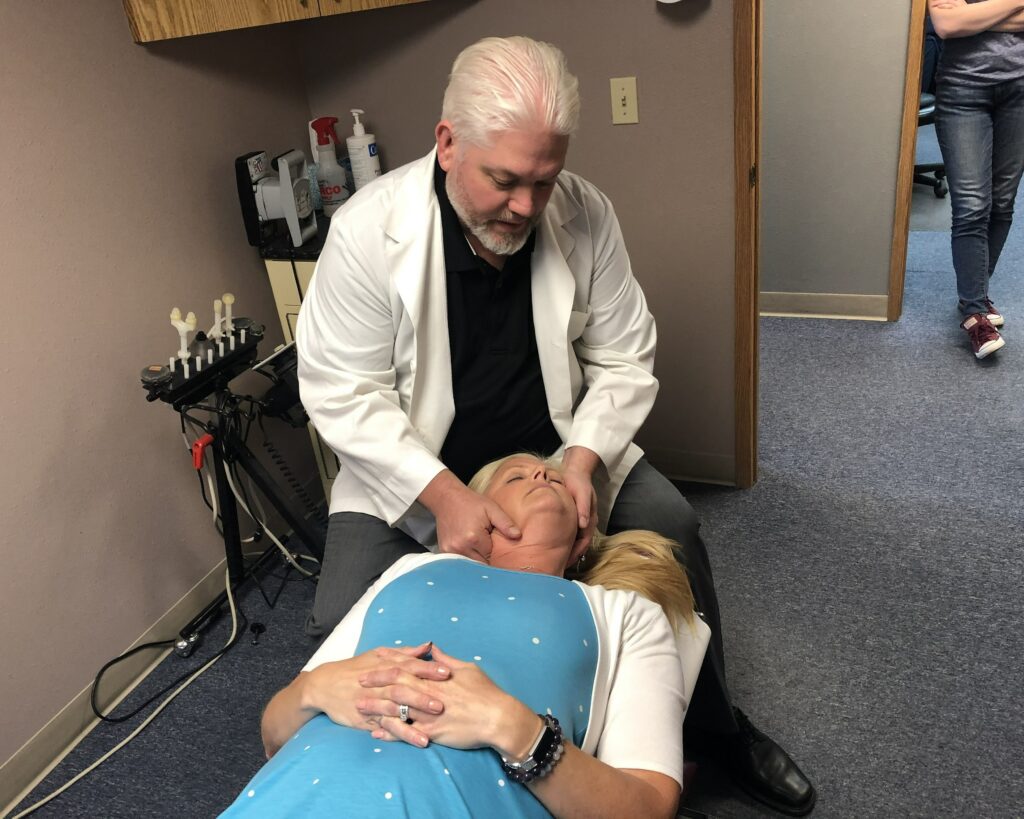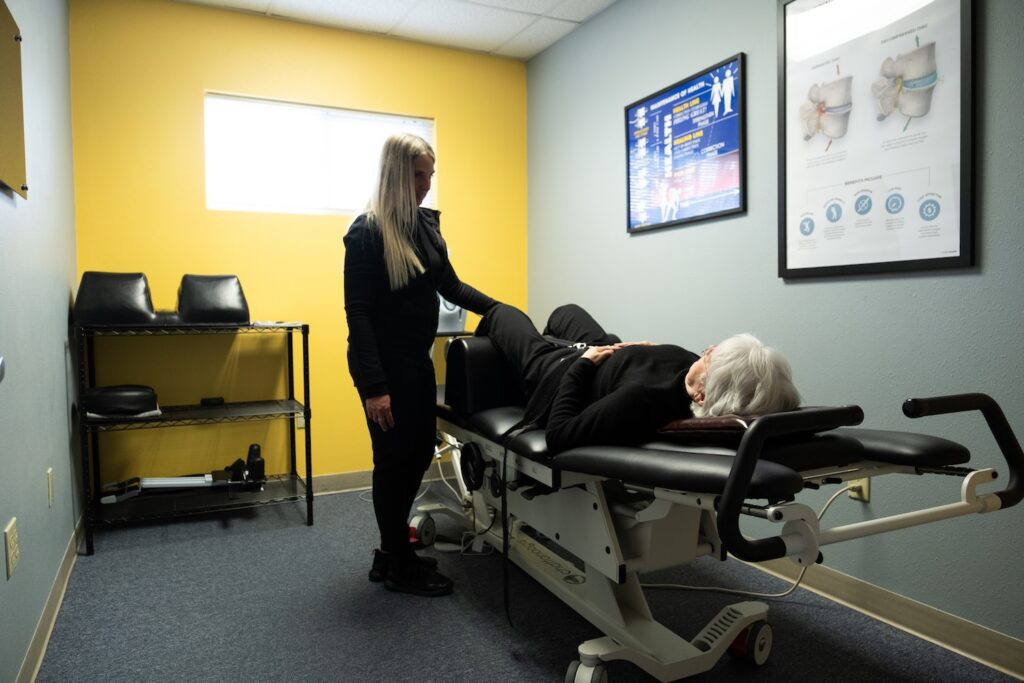

As a local chiropractor, I want to reassure you that if you’re experiencing lower back discomfort, you’re not alone in this journey. This is a common issue faced by many individuals, but the encouraging news is that there are effective, natural strategies to manage it. One of the key areas we focus on in chiropractic care is your posture. Maintaining proper alignment can greatly alleviate strain on your back.
Incorporating regular stretching into your routine is another vital step; it can help keep your muscles flexible and reduce tension. Additionally, strengthening your core is essential, as a strong core supports your spine and helps prevent future discomfort. But these steps are just the tip of the iceberg.
Let’s delve deeper into some more holistic approaches that can aid in your recovery and enhance your overall well-being. By understanding these methods, you can take proactive steps toward a healthier back and a more balanced life.
Maintain Proper Posture
As a local chiropractor, I want to emphasize the importance of maintaining proper posture for your overall health, especially when it comes to preventing lower back discomfort. Many people don’t realize that how you sit, stand, or walk directly affects the alignment of your body and the amount of strain placed on your back.
When you’re at your desk or moving about your day, it’s crucial to keep your shoulders back and your spine straight. If you notice yourself slumping or leaning forward, take a moment to adjust your position. Aim for a neutral spine—this helps in reducing unnecessary tension on your back.
While sitting, ensure that your feet are flat on the floor and that your knees are bent at a right angle. If you’re standing, try to distribute your weight evenly across both feet. A common mistake is to let the head drift forward; keeping it aligned with your spine can significantly alleviate strain on your neck and back.
I also encourage you to take regular breaks, especially if you’re sitting for extended periods. Stand up, stretch, or take a short walk to reset your posture and relieve pressure on your lower back.
Incorporate Regular Stretching
As a local chiropractor, I often emphasize the importance of incorporating regular stretching into your daily routine for optimal spinal health. Even if you maintain good posture, your body can greatly benefit from stretching. It can help alleviate lower back discomfort and significantly improve your overall flexibility.
I recommend focusing on gentle stretches that target key areas such as your back, hips, and legs. Simple movements like the cat-cow stretch or seated forward bend can be very effective in relieving tension and promoting blood flow to your muscles and joints.
I encourage you to set aside a few minutes each day for stretching, particularly after long periods of sitting or standing. It’s essential to listen to your body and avoid pushing yourself beyond your limits.
Remember, consistency is crucial; even short stretching sessions can yield noticeable benefits over time.
Additionally, consider incorporating stretches throughout your day, especially during breaks from prolonged sitting. This practice not only helps alleviate back tension but also refreshes your mind and boosts your productivity.
Strengthen Core Muscles
As a local Chiropractor, I want to emphasize the importance of strengthening your core muscles for maintaining a healthy lower back. A robust core provides essential support to your spine, which can significantly reduce the risk of discomfort and injuries.
You don’t need to be a fitness expert to begin this journey; there are simple exercises you can easily integrate into your routine.
Here are a few effective exercises I recommend:
- Planks: This exercise engages your entire core and helps build stability, which is vital for spinal health.
- Bridges: By performing bridges, you can strengthen your glutes and lower back, which plays a crucial role in supporting your overall posture.
- Bird-Dogs: This movement not only strengthens your core but also enhances coordination and balance, making it beneficial for your overall functional movement.
- Dead Bugs: Targeting your abdominal muscles while maintaining proper spinal alignment can help in achieving a strong and stable core.
I advise aiming to include these exercises in your routine two to three times a week.
Strengthening your core can alleviate lower back discomfort and improve your overall posture and performance in daily activities.
Remember, consistency is key in any health regimen. Find a routine that suits you and stick with it.
If you have any questions or need further guidance, don’t hesitate to reach out during your next visit!
Use Ergonomic Furniture
As a local chiropractor dedicated to your well-being, I want to emphasize the importance of investing in ergonomic furniture to help alleviate lower back discomfort in your daily life.
Ergonomic chairs, desks, and accessories are specifically designed to support your body’s natural posture, which can significantly reduce strain during long periods of sitting or standing.
When selecting a chair, look for features such as lumbar support that encourages the natural curve of your spine. It’s crucial to find a chair that allows for adjustability; you should be able to customize the height, tilt, and armrests to suit your unique body dimensions.
While working at your desk, ensure that your computer screen is positioned at eye level to avoid slouching, which can lead to further discomfort.
Utilizing a footrest can help keep your feet flat on the ground, alleviating pressure on your lower back. Additionally, consider using an ergonomic keyboard and mouse to promote a more natural wrist position, further preventing strain.
By making these thoughtful adjustments to your workspace, you’ll not only create a more comfortable environment but also promote better posture and significantly reduce your risk of developing lower back pain.
Apply Heat or Cold Therapy
As a local chiropractor, I want to share with you the benefits of using heat or cold therapy to manage your lower back discomfort. These natural techniques can be highly effective in providing relief and improving your overall well-being.
Let’s explore how each method can support your recovery:
- Heat therapy: Applying heat helps to increase blood circulation, relax tight muscles, and reduce stiffness in the affected area. This can be particularly useful if you’re experiencing muscle tension or chronic pain.
- Cold therapy: On the other hand, cold therapy is great for reducing inflammation and numbing sharp pain. It works by slowing down nerve conduction, which can help alleviate acute discomfort following an injury or flare-up.
- Combination therapy: For optimal relief, consider alternating between heat and cold therapy. This combination can enhance your healing process and provide more comprehensive pain management.
- Timing is key: For heat, aim to apply it for 15-20 minutes, and for cold, stick to 10-15 minutes. This duration allows for effective treatment without risking skin damage.
To effectively apply heat, you might use a heating pad or a warm towel. For cold therapy, ice packs or even a bag of frozen vegetables wrapped in a cloth can do the trick.
Always listen to your body’s signals and avoid prolonged application to protect your skin.
Incorporating these therapies into your daily routine can significantly improve your comfort and help you manage your pain naturally. If you have any questions or would like personalized advice, feel free to ask during your next visit!
Stay Active With Low-Impact Exercises
As a local chiropractor, I want to emphasize the importance of maintaining an active lifestyle, especially when dealing with lower back discomfort. Incorporating low-impact exercises into your routine can significantly aid in your recovery and overall well-being. Activities such as walking, swimming, and cycling aren’t only enjoyable but also effective in strengthening your core muscles and enhancing flexibility without placing undue stress on your back.
These exercises help increase blood circulation, which is vital for the healing process. When starting out, it’s best to keep your exercise sessions short and gradually extend the duration as your strength develops. It’s crucial to pay attention to your form during these activities to prevent any further injuries.
Additionally, consider incorporating practices like yoga or Pilates into your routine; these are gentle on your back and focus on improving flexibility and core stability. Always listen to your body. If any movement causes pain, it’s important to stop and reassess your approach.
Consistency is essential, so I recommend aiming for at least 30 minutes of low-impact exercise on most days. By staying active, you can’t only relieve discomfort but also enhance your overall health. Make low-impact exercises a staple in your life for long-lasting relief and improved well-being.
If you have any questions or need guidance, feel free to reach out—I’m here to help!
Consult a Healthcare Professional
As a local chiropractor, I want to emphasize the importance of seeking professional help if you’re experiencing persistent or worsening lower back discomfort.
It’s crucial not to ignore ongoing pain, as it can lead to more serious complications down the line. I encourage you to reach out for assistance—chiropractic care could be the answer you’re looking for.
Here are several reasons why consulting with a chiropractor can be beneficial:
- Comprehensive Assessment: We specialize in identifying the underlying causes of your pain, not just masking the symptoms.
- Customized Care Plans: Our approach involves creating a treatment plan tailored specifically to your unique situation and lifestyle.
- Injury Prevention: We can teach you strategies to avoid exacerbating your back pain and help you maintain an active, healthy life.
- Holistic Resources: If necessary, we can connect you with other healthcare professionals, such as physical therapists, to enhance your recovery journey.
Conclusion
As a local chiropractor, I want to emphasize that managing lower back discomfort is absolutely within your reach. It’s essential to be mindful of your posture throughout the day, as this can have a significant impact on your spinal health. Incorporating regular stretching into your routine can help alleviate tension, while strengthening your core will provide better support for your back.
Additionally, I recommend utilizing ergonomic furniture to create a supportive environment, and don’t underestimate the benefits of heat or cold therapy for relieving pain. Staying active with low-impact exercises is another vital component of maintaining a healthy back. Remember, if your discomfort continues, it’s important to seek advice from a healthcare professional like myself. I can provide tailored recommendations that align with your unique needs. Prioritizing your well-being is crucial, and by following these steps, you can work towards a pain-free life!