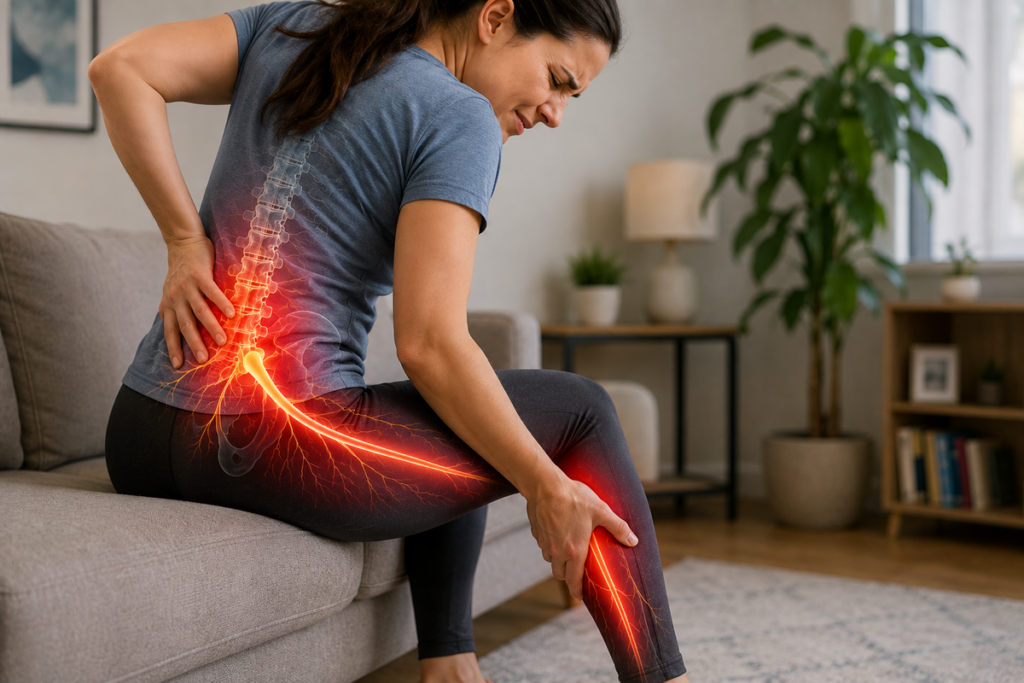

If you're experiencing lower back pain, I want you to know that you're not alone, and there are effective treatments available that can greatly improve your quality of life. As a chiropractor, I often recommend exploring options such as heat therapy and physical therapy, which can be incredibly beneficial in relieving discomfort and enhancing your mobility.
In addition to these methods, incorporating mindfulness techniques and stretching into your routine can play a vital role in your recovery process. Each treatment option has unique benefits, and it's important to understand how they can work together to support your healing journey.
What you might not realize is that the right combination of treatments tailored to your specific needs is often just within reach. By considering chiropractic care alongside these other approaches, you can take significant steps toward managing your pain and reclaiming your active lifestyle. Let's work together to find the best solutions for your back pain relief.
Heat Therapy
As a local chiropractor, I often recommend heat therapy as a simple yet effective method for alleviating lower back pain. When you apply heat to your lower back, it enhances blood circulation to the area, promoting healing and easing stiffness. There are various heat sources you can use, such as heating pads, hot water bottles, or even warm towels, to provide this soothing relief.
To begin, find a comfortable position. If you're using a heating pad, set it to a low or medium setting to avoid any risk of burns. Place the heat source on your lower back for about 15 to 20 minutes. You can repeat this several times throughout the day, especially during painful flare-ups. Just be sure to take breaks between applications to allow your skin to cool down.
One of the wonderful aspects of heat therapy is its versatility. For instance, indulging in a warm bath or shower not only soothes your back but also promotes overall relaxation. If you're pressed for time, consider heat patches that remain warm for several hours. These are especially convenient if you need to stay active while still enjoying the benefits of heat.
Always pay attention to how your body reacts to heat therapy. If you notice that the heat increases your pain or discomfort, it's important to stop using it and consult with a healthcare professional.
Incorporating heat therapy into your routine can serve as an effective, natural strategy for managing lower back pain, complementing the chiropractic care I provide to help you achieve optimal health and wellness.
Cold Therapy
As a local chiropractor, I want to introduce you to the incredible benefits of cold therapy for your lower back health. Many of my patients have found this simple yet effective method to be a game-changer in reducing inflammation and alleviating pain.
Cold therapy works by numbing the affected area, which can provide significant relief during your recovery process.
It's important to understand how to apply cold therapy correctly to maximize its benefits. I'll guide you through the best practices for using cold packs or ice wraps, including the ideal duration and frequency to ensure you get the most out of this natural healing technique.
By incorporating cold therapy into your routine, you can support your body's healing process and enhance your overall well-being.
Let's explore how this straightforward approach can contribute positively to your journey towards a healthier back.
Benefits of Cold Therapy
As your local chiropractor, I want to share with you the benefits of cold therapy for alleviating lower back pain. When you apply cold packs or ice to your lower back, it can significantly reduce pain and inflammation. The cold constricts blood vessels, which helps to decrease swelling and numbs the area, providing immediate relief. This is particularly effective following a recent injury or during a flare-up of discomfort.
Cold therapy is also beneficial for reducing muscle spasms. When your muscles relax, it becomes easier to move around and engage in your daily activities. Moreover, applying cold can disrupt the pain signals sent to your brain, which can help lessen your overall perception of pain.
One of the best aspects of cold therapy is that it's both accessible and cost-effective. You don't need any specialized equipment; a simple ice pack or even a bag of frozen peas will do the trick. It requires minimal preparation, making it a convenient option when you need quick relief.
I encourage you to consider incorporating cold therapy into your routine as a natural strategy for managing lower back pain. By understanding its advantages, you can take proactive steps toward feeling better and enhancing your overall quality of life.
Always listen to your body and adjust the application of cold therapy as needed, and feel free to reach out for more guidance on how to complement this with other chiropractic treatments for optimal results.
Application Techniques Explained
As a local chiropractor dedicated to helping you find natural relief from lower back pain, I want to share some effective techniques for utilizing cold therapy. This method can be incredibly beneficial if you're experiencing discomfort, and it's quite simple to implement at home.
First, let's gather what you'll need: an ice pack, a bag of frozen vegetables, or a cloth soaked in cold water. If you're opting for an ice pack, it's important to wrap it in a thin towel to protect your skin—nobody wants frostbite!
Next, find a comfortable position that works for you. You can either lie down on your back or sit in a supportive chair. Apply your cold source directly to the area where you feel pain for about 15 to 20 minutes. This timeframe is ideal as it allows the cold to penetrate deeply without risking damage to your skin.
Remember to take breaks; it's best to wait at least an hour before reapplying cold therapy. If you're experiencing swelling in addition to pain, you can use cold therapy multiple times throughout the day. Just keep an eye on your skin for any signs of irritation, as your body's well-being is our priority.
Also, don't forget to consider movement—after applying cold therapy, gently stretching your back can help maintain your mobility.
Lastly, always listen to your body. If you find that the cold therapy isn't providing relief or if it causes any discomfort, I encourage you to reach out to me or another healthcare professional for further guidance.
Physical Therapy
When it comes to finding relief from lower back pain, chiropractic care is an excellent option that emphasizes natural healing and overall wellness. Our approach focuses on aligning your spine, improving mobility, and enhancing your body's ability to heal itself. As a chiropractor, I'll assess your specific condition and create a personalized treatment plan tailored to your unique needs.
Through chiropractic adjustments, we target the misalignments in your spine that may be contributing to your discomfort. These adjustments help stabilize your spine, reduce pain, and restore your range of motion, making day-to-day activities much more manageable.
In addition to adjustments, I may incorporate complementary therapies like soft tissue work, rehabilitative exercises, and lifestyle modifications to alleviate tension and promote circulation in the affected areas.
It's essential to stay dedicated to your chiropractic sessions, as regular visits can significantly speed up your recovery process. You'll also learn effective self-care techniques for managing pain at home, including targeted stretches and ergonomic improvements for your workspace.
Throughout your journey, I'll closely monitor your progress and adjust your treatment plan as necessary, ensuring that we not only address your pain but also work on the underlying issues.
Chiropractic care goes beyond just immediate relief; it empowers you with the knowledge and tools needed to prevent future episodes of lower back pain. By investing your time and effort into this natural healing process, you can enjoy lasting benefits and a more active, fulfilling life.
If lower back pain is impacting your quality of life, I encourage you to explore the potential of chiropractic care today.
Chiropractic Care
As a local chiropractor, I want to take a moment to share with you the benefits of chiropractic care, particularly in alleviating lower back pain.
Our focus is on spinal manipulation techniques that can significantly improve your well-being. Regular adjustments not only help align your spine but also enhance your overall mobility, allowing you to move with greater ease and comfort.
If you're seeking a natural and holistic approach to recovery, chiropractic treatments may be exactly what you need.
We believe in treating the root causes of pain rather than just masking the symptoms. By understanding how your body functions and making necessary adjustments, we can help you achieve a healthier, more balanced lifestyle.
I invite you to explore how chiropractic care can support your journey to optimal health.
Spinal Manipulation Techniques
As a local chiropractor, I want to share how spinal manipulation techniques can be a valuable solution if you're dealing with lower back pain. These techniques involve precise adjustments to your spine, aimed at restoring proper alignment and enhancing overall function. By correcting misalignments, we can alleviate pressure on nerves and reduce muscle tension, which often leads to your discomfort.
During your chiropractic visit, I'll take the time to assess your specific condition and utilize my hands or specialized instruments to perform the adjustments. You might notice some popping or cracking sounds—this is completely normal and occurs when gas bubbles are released from your joints. This process not only helps to relieve pain but also improves your mobility and promotes healing.
It's important to understand that spinal manipulation isn't just about immediate relief; it's also a proactive approach to maintaining your long-term health. Regular adjustments can help prevent future episodes of pain and keep your spine healthy. Each session is customized to meet your individual needs, ensuring a tailored approach to your care.
If you're curious about how spinal manipulation can fit into your overall pain management strategy, I encourage you to discuss it with me during your visit. With the right guidance and a commitment to your well-being, spinal manipulation can become a powerful ally in your journey toward lasting relief from lower back pain.
Benefits of Regular Adjustments
As a local chiropractor, I want to help you understand how regular chiropractic adjustments can significantly enhance your overall well-being and support your body's natural healing processes. If you're new to chiropractic care, you may be surprised to learn that incorporating it into your routine can lead to reduced pain and improved mobility. Regular adjustments work to realign your spine, alleviating pressure on nerves and enhancing your body's overall function.
One of the first things you might notice is an improvement in your posture. When your spine is properly aligned, you may experience less strain on your muscles and joints, making daily activities much easier and more comfortable.
Furthermore, regular visits to a chiropractor can boost your immune system. A well-aligned spine plays a crucial role in your body's ability to fend off illnesses.
Stress relief is another important benefit of chiropractic care that many of my patients appreciate. The hands-on nature of adjustments can help relax tight muscles and release endorphins, which fosters a more relaxed state of mind. This reduction in stress not only feels good but also contributes positively to your overall health.
Finally, I want to emphasize that committing to regular adjustments can help prevent future injuries. By maintaining your spinal health, you're less likely to experience flare-ups or chronic pain, allowing you to live life to the fullest.
Embrace the journey of regular chiropractic care with me, and you may find yourself enjoying these valuable benefits.
Massage Therapy
If you're struggling with lower back pain, chiropractic care can be an effective and natural solution to support your recovery. As a chiropractor, I focus on identifying and addressing the root causes of pain, rather than just masking the symptoms. By utilizing hands-on techniques, I can help relieve muscle tension, enhance circulation, and promote overall relaxation, all of which contribute to improved well-being.
During your visit, I may employ various chiropractic techniques, such as spinal adjustments, soft tissue therapy, or rehabilitative exercises, to alleviate discomfort and restore proper function to your lower back. These methods aim to release tension, improve mobility, and enhance flexibility, making everyday activities much more manageable for you.
Beyond the physical benefits, chiropractic care also takes into account the emotional aspects of pain. Chronic discomfort can lead to increased stress and anxiety, but regular adjustments can help to mitigate these feelings. Many patients report feeling calmer and more balanced after their sessions.
It's essential to maintain open communication with me about your pain levels and any specific concerns you have. This ensures that your treatment is tailored to your individual needs for the best possible outcomes.
While chiropractic care can be highly effective, I recommend integrating it with other health practices for optimal results. Always consult with your healthcare provider before starting any new treatment to ensure it aligns with your overall health plan.
With the right combination of chiropractic care and holistic approaches, you can take significant steps towards relief from lower back pain.
Acupuncture
As a chiropractor, I want to share with you how acupuncture can be an effective method for alleviating lower back pain.
This ancient practice involves stimulating specific points on the body, which can promote healing and help reduce discomfort.
In this section, I'll explain how acupuncture works, the benefits it offers for back pain relief, and what you can expect during a treatment session.
Understanding these concepts can empower you to explore natural healing options and enhance your overall wellness.
How Acupuncture Works
As a local chiropractor dedicated to promoting natural healing, I want to introduce you to the holistic benefits of acupuncture, particularly for alleviating lower back pain. This time-honored practice involves the insertion of very thin needles at specific points on your body, known as acupuncture points. These points play a vital role in enhancing energy flow and restoring balance within your body.
During your acupuncture session, I'll assess your specific symptoms and overall health to identify the most effective points for your treatment. As the needles are gently inserted, many patients report experiencing a mild tingling or warm sensation, which indicates that your body is responding positively to the treatment.
The needles generally remain in place for about 20 to 30 minutes, providing your body with the opportunity to activate its natural healing mechanisms.
Acupuncture isn't just about relieving pain; it also addresses the underlying factors that contribute to your discomfort. By enhancing circulation and reducing inflammation, acupuncture fosters an optimal environment for healing.
Many of my patients find that regular acupuncture sessions not only alleviate lower back pain but also improve their overall well-being, leading to lasting relief and a better quality of life.
If you're curious about how acupuncture can complement your chiropractic care and support your journey to wellness, feel free to ask me any questions. I'm here to guide you on your path to natural healing.
Benefits for Back Pain
As a local chiropractor, I understand that experiencing lower back pain can significantly affect your daily activities. However, chiropractic care offers a holistic approach to relief that goes beyond merely managing symptoms. This natural healing practice focuses on restoring balance to your spine and overall body, promoting wellness from within.
One of the primary benefits of chiropractic care is its effectiveness in reducing pain. By adjusting the spine and realigning the vertebrae, we can stimulate your body's natural healing processes, providing relief from discomfort. Many patients report a noticeable reduction in pain after just a few sessions.
In addition to pain relief, chiropractic adjustments can enhance your mobility. As misalignments are corrected and tension in the surrounding muscles is alleviated, you may discover an increased range of motion. This newfound flexibility can empower you to participate more fully in your daily activities and exercise routines, ultimately improving your quality of life.
Chiropractic care also plays a vital role in stress reduction. Chronic lower back pain often contributes to heightened stress levels, but regular adjustments can promote relaxation and alleviate tension. The calming effects of chiropractic treatment not only target pain but also help you manage daily challenges with greater ease.
Moreover, chiropractic care is a non-invasive treatment option with minimal side effects, making it a safe and effective alternative to medications. By choosing chiropractic care, you're taking a proactive step toward long-term relief and better spinal health.
If you're new to this natural healing approach, I invite you to explore how chiropractic care can benefit you.
Treatment Session Expectations
After discussing the various benefits of chiropractic care, you may wonder how acupuncture can complement your journey toward pain relief. When you come in for your first acupuncture session, I'll conduct a comprehensive assessment of your condition. I'll ask detailed questions about your back pain, your medical history, and any other symptoms you might be experiencing. This information is crucial for me to design a treatment plan that's specifically tailored to your needs.
Once we've everything set, you'll lie down comfortably in a calm and soothing environment. The acupuncturist will gently insert very thin needles into targeted points on your body. There's no need to worry; these needles are quite fine, and most patients report only minimal discomfort. You might notice a slight tingling or warmth in the area, which indicates that the treatment is having a positive effect.
Typically, sessions will last between 30 to 60 minutes. This is your time to unwind, meditate, or even take a short nap, allowing your body to fully absorb the treatment.
After the session, many people experience a sense of calm and relief, although it's not uncommon to feel some minor soreness, which tends to go away quickly. We'll also discuss the importance of follow-up sessions to track your progress and adjust your treatments as necessary.
This collaborative approach can significantly enhance your journey toward alleviating lower back pain and improving your overall well-being.
Over-the-Counter Medications
When it comes to addressing lower back pain, many individuals turn to over-the-counter medications as an initial step. While these medications can provide temporary relief and allow you to continue with your daily activities, it's important to understand how they work and how they fit into a broader approach to healing.
As a chiropractor, I emphasize the importance of not only managing pain but also addressing its underlying causes. Here are three common over-the-counter options that you may encounter, along with some insights on their use:
1. Nonsteroidal Anti-Inflammatory Drugs (NSAIDs): Medications such as ibuprofen (Advil, Motrin) and naproxen (Aleve) are frequently used to reduce inflammation and relieve pain. While they can be effective for acute back pain, it's crucial to remember that they only mask the symptoms.
I encourage my patients to consider how chiropractic adjustments and other natural therapies can help address the root cause of their discomfort.
2. Acetaminophen: This pain reliever, commonly found in products like Tylenol, is another option for managing pain. It works differently from NSAIDs and may be suitable for those who can't take anti-inflammatory medications.
However, relying solely on acetaminophen may not lead to a long-term solution. A holistic approach, including chiropractic care, can promote healing and restore function to the spine and surrounding muscles.
3. Topical Analgesics: Creams and gels containing ingredients like menthol or capsaicin can be applied directly to the skin over the painful area. These topical treatments can provide localized relief, but again, they don't address the underlying issues.
Incorporating chiropractic adjustments and therapeutic exercises can enhance the effectiveness of these products by improving spinal alignment and muscle function.
While over-the-counter medications can be a helpful tool in your pain management toolkit, I encourage you to explore chiropractic care as a means to achieve lasting relief.
Always follow the recommended dosages for any medication and consult with a healthcare professional, such as a chiropractor, if you have concerns or if your pain persists. Together, we can work towards a more holistic approach to managing your lower back pain effectively.
Prescription Medications
As a local chiropractor, I want to share some insights about managing lower back pain, particularly for those who may not be familiar with chiropractic care and natural healing methods. While prescription medications can be a common approach, it's important to understand how we can address pain through alternative means.
For many individuals, over-the-counter options like nonsteroidal anti-inflammatory drugs (NSAIDs) such as ibuprofen or naproxen may provide some relief. However, if you're seeking a more holistic approach, chiropractic care focuses on correcting misalignments in the spine and improving overall function, which can significantly reduce pain and inflammation naturally.
In cases where pain persists, it's crucial to explore various strategies. While some may consider stronger medications such as opioids, I encourage you to think about the potential risks, including dependency and side effects. Instead, muscle relaxants can sometimes be helpful, but they don't address the underlying issues. Chiropractic adjustments can effectively relieve muscle tension and spasms, enabling you to engage in daily activities with more comfort and ease.
Additionally, you might hear about antidepressants and anticonvulsants being used for chronic pain management, even if you don't have depression or seizures. These medications can alter how your brain processes pain signals, but there are natural methods we can utilize as well. Techniques such as spinal manipulation, massage therapy, and acupuncture can help the body heal and manage pain without the need for medication.
Before making any decisions about your treatment, I encourage you to consult with your healthcare provider and consider a chiropractic evaluation. Together, we can develop a personalized plan that addresses your unique situation, taking into account your medical history, the severity of your pain, and any concerns about other treatments you may be considering.
Embracing a natural healing approach can lead to long-term wellness and pain relief.
Exercise and Stretching
As a local chiropractor, I want to emphasize the importance of incorporating exercise and stretching into your daily routine to help alleviate lower back pain. Engaging in regular physical activity can significantly strengthen the muscles that support your spine, improve flexibility, and enhance your overall mobility.
Let me share with you three effective exercises and stretches that I recommend adding to your regimen:
- Cat-Cow Stretch: This gentle yoga movement is fantastic for increasing flexibility in your spine. To perform this stretch, start on your hands and knees. First, arch your back upward while tucking your chin towards your chest (this is the Cat position). Then, drop your belly towards the floor while lifting your head and tailbone up (this is the Cow position). Repeat this sequence for 5-10 breaths to promote spinal flexibility.
- Pelvic Tilts: This exercise is excellent for strengthening your core and relieving tension in your lower back. To do this, lie on your back with your knees bent and feet flat on the floor. Tighten your abdominal muscles and gently tilt your pelvis upward, flattening your lower back against the floor. Hold this position for a few seconds before releasing. Aim for 10-15 repetitions to build core strength and stability.
- Hamstring Stretch: Tight hamstrings can contribute to lower back pain, so stretching them is essential. Sit on the floor with one leg extended and the other leg bent. Reach toward your toes on the extended leg while keeping your back straight. Hold this stretch for 20-30 seconds before switching legs. I recommend repeating this stretch twice on each side to help alleviate tension.
By integrating these exercises and stretches into your daily routine, you can take proactive steps towards managing your lower back pain and improving your overall health.
If you have any questions or need personalized guidance, don't hesitate to reach out to me for assistance.
Mindfulness and Relaxation Techniques
As a local chiropractor, I want to share how mindfulness and relaxation techniques can significantly aid in managing lower back pain and enhance your overall well-being.
Many of my patients find that by practicing mindfulness, they can shift their focus to the present moment. This awareness allows them to observe their body and any pain they may be experiencing without judgment, ultimately reducing stress and anxiety—two factors that can often make pain feel more intense.
One technique I frequently recommend is deep breathing. By concentrating on your breath, you can activate a calming response in your nervous system. A simple method is to inhale slowly through your nose for a count of four, hold that breath for four counts, and then exhale gently through your mouth for a count of six.
Repeating this process several times can help alleviate tension in your back and create a sense of relaxation.
Another valuable practice is Progressive Muscle Relaxation (PMR). In PMR, you systematically tense and then relax different muscle groups throughout your body. This technique not only increases your awareness of physical sensations but also helps relieve muscle tightness.
Start at your toes and gradually work your way up to your head, focusing on letting go of tension as you progress.
Incorporating guided imagery is also an effective approach. I encourage my patients to visualize themselves in a serene environment, such as a tranquil beach or a peaceful forest. Allowing this calming image to replace negative thoughts about pain can foster a more positive mindset.
Conclusion
As a local chiropractor, I understand how debilitating lower back pain can be and how crucial it is to find effective relief. Many patients are unaware of the natural healing methods available, including chiropractic care, which can significantly improve your daily life.
In our practice, we often recommend a combination of treatments tailored to your unique needs. For instance, heat therapy can soothe tight muscles, while chiropractic adjustments can help realign your spine and relieve tension. Physical therapy exercises can strengthen your back, and mindfulness techniques can promote relaxation and pain management.
It's essential to explore various options and find what resonates with you. Don't hesitate to ask questions and engage in discussions about your treatment plan. Consistency is vital—by integrating these natural methods into your routine, you may start to notice improvements in your pain levels and overall well-being.
Remember, prioritizing your health and taking proactive steps can lead you toward a pain-free life. Together, we can work on a holistic approach to managing your lower back pain and enhancing your quality of life.