
If you're living with chronic pain, seeking professional care can greatly impact your life. It's not just about alleviating discomfort; addressing the root causes can prevent complications and enhance your overall quality of life. Personalized treatment plans tailored to your specific needs can lead to better management of your symptoms. Plus, engaging with healthcare providers can provide emotional support, fostering resilience in the face of ongoing challenges. But what exactly are the key reasons to prioritize this care? Understanding these factors might just change your perspective on your pain management journey.
Understanding Chronic Pain
Chronic pain isn't just a symptom; it's a complex condition that affects your overall well-being. You might think of pain solely as a physical sensation, but it intertwines with emotional, psychological, and social aspects of your life. When you're in constant discomfort, it can drain your energy, impact your mood, and even alter your relationships. You may find yourself feeling isolated or frustrated, making it essential to comprehend the broader implications of chronic pain.
Understanding chronic pain means recognizing how it changes your daily activities. Simple tasks like getting out of bed or running errands can become intimidating. You may experience fatigue due to the body's continuous struggle with pain, making it hard to concentrate or enjoy hobbies you once loved. This persistent discomfort can lead to a cycle of stress and anxiety, which only exacerbates your pain.
It's also important to realize that chronic pain isn't always linked to an obvious injury or condition. Sometimes, it develops without a clear cause, complicating your experience. This uncertainty can lead to feelings of helplessness, so educating yourself about the nature of chronic pain becomes a significant step toward managing it effectively.
Identifying Underlying Causes
To effectively manage your chronic pain, it's essential to identify its underlying causes.
This process often involves medical assessments and tests, gathering an extensive pain history, and seeking insights from specialists.
Medical Assessments and Tests
When dealing with chronic pain, identifying underlying causes is essential for effective treatment. Medical assessments and tests play a significant role in this process. They help you and your healthcare provider pinpoint specific issues contributing to your pain.
First, your doctor will likely conduct a thorough physical examination and review your medical history. This initial step sets the stage for more specialized tests. Depending on your symptoms, they may recommend blood tests to check for inflammation or infections, imaging studies like X-rays or MRIs to visualize structural problems, or nerve conduction studies to assess nerve function.
These assessments can provide valuable insights into conditions such as arthritis, herniated discs, or fibromyalgia. Understanding the root cause of your pain allows for a tailored treatment plan that addresses not just symptoms but the underlying issues as well.
It's important to communicate openly with your healthcare provider about your pain and any other symptoms you experience. This collaboration guarantees that the assessments are relevant and thorough, ultimately leading to more effective management of your chronic pain.
Comprehensive Pain History
Gathering a thorough pain history is essential for identifying underlying causes of your discomfort. When you meet with a healthcare professional, they'll ask detailed questions about your pain.
Be prepared to discuss when your pain started, its location, and the type of pain you're experiencing—whether it's sharp, dull, or throbbing. You should also mention any activities or movements that worsen your pain and if there are any times when it feels better.
It's important to include information about your medical history, including previous injuries, surgeries, and any chronic conditions you may have.
Don't forget to share any medications you're taking, both prescription and over-the-counter, as well as any supplements. This information helps providers understand how your pain interacts with your overall health.
Additionally, discussing how your pain affects your daily life, including your sleep and emotional well-being, can provide valuable context.
Specialist Evaluations and Insights
Specialist evaluations play an essential role in uncovering the underlying causes of chronic pain. When you seek care from a specialist, you're taking a proactive step toward identifying what may be triggering your discomfort. Specialists such as pain management doctors, rheumatologists, or neurologists have the expertise to assess your condition in detail, often considering factors that general practitioners might overlook.
During your evaluation, the specialist will likely conduct a thorough physical examination and may recommend diagnostic tests. These could include imaging studies like MRIs or CT scans, and blood tests to rule out underlying conditions. This all-encompassing approach guarantees that they don't just treat the symptoms but focus on finding the root cause of your pain.
Additionally, specialists can offer insights into your specific condition, explaining how it affects your body and suggesting tailored treatment plans. Their expertise can lead to more effective pain management strategies and improved quality of life.
Personalized Treatment Plans
Chronic pain management demands a tailored approach, as each individual experiences pain uniquely. When you seek care, your healthcare provider will work with you to create a personalized treatment plan that addresses your specific needs and circumstances. This plan often includes a combination of therapies, medications, and lifestyle adjustments, all designed to help you manage your pain effectively.
First, your doctor will assess your pain's nature, intensity, and impact on your daily life. This evaluation helps pinpoint the best strategies for relief. They might recommend medications like analgesics or anti-inflammatory drugs, which can be adjusted based on your response.
Furthermore, they could suggest physical therapy to improve mobility and strength, or cognitive-behavioral therapy to help you cope with the emotional aspects of chronic pain.
In addition to these approaches, lifestyle changes can play an essential role in your treatment. Incorporating regular exercise, maintaining a balanced diet, and practicing stress management techniques can greatly enhance your overall well-being.
Your personalized plan may also include alternative therapies, such as acupuncture or massage, which have shown benefits for many individuals.
Preventing Further Complications
To prevent further complications, early intervention is essential in managing your chronic pain.
By addressing issues promptly, you can avoid lifestyle limitations that might arise from prolonged discomfort.
Staying proactive not only helps maintain your quality of life but also reduces the risk of additional health problems.
Early Intervention Benefits
When it comes to managing pain, early intervention can make all the difference in preventing further complications. By addressing your chronic pain symptoms promptly, you can markedly reduce the risk of developing additional health issues. For instance, untreated pain can lead to changes in your posture, which may cause musculoskeletal problems over time. Recognizing and treating pain early can help maintain your physical alignment and overall well-being.
Moreover, early intervention often results in more effective treatment outcomes. When you seek care sooner rather than later, healthcare providers can implement tailored strategies that target your specific pain sources. This proactive approach not only alleviates discomfort but also enhances your overall quality of life.
Additionally, timely management of chronic pain can prevent the psychological effects that often accompany prolonged suffering, such as anxiety and depression. By taking action early, you're setting the stage for a healthier, more balanced lifestyle.
Don't wait until your pain escalates or becomes unmanageable. The sooner you reach out for help, the better your chances are of minimizing complications and maintaining your health. Investing in early intervention is an essential step toward reclaiming your life from chronic pain.
Avoiding Lifestyle Limitations
Although pain can often feel overwhelming, taking proactive steps to manage it can help you avoid lifestyle limitations that might otherwise hinder your daily activities. When you prioritize your pain management, you can maintain your independence and continue participating in the things you love.
Ignoring chronic pain may lead to increased discomfort and a reluctance to engage in physical activities, which can create a cycle of inactivity and further complications. By seeking care, you can develop a tailored plan that addresses your specific pain and encourages movement.
Regular exercise, even in small doses, can improve your overall well-being and boost your mood. It's vital to find low-impact activities that suit your capabilities, as these can enhance your strength and flexibility without exacerbating your pain.
Additionally, staying socially active is important. Engaging with friends and family can provide emotional support and help combat feelings of isolation that often accompany chronic pain.
Improving Quality of Life
Chronic pain can overshadow daily activities, but improving your quality of life is absolutely achievable. You don't have to let pain dictate how you feel or what you can do. By actively seeking care, you can take steps towards reclaiming your life.
First, consider how chronic pain affects your overall well-being. It can lead to fatigue, stress, and emotional challenges. Addressing these issues can greatly enhance your daily experiences. When you seek help, you open the door to various treatment options tailored to your needs. This might include physical therapy, counseling, or medication adjustments. Each of these can directly impact your ability to engage in activities you enjoy.
Next, focus on setting realistic goals. By breaking down your aspirations into manageable steps, you can celebrate small victories along the way. Whether it's walking a little further each day or re-engaging with hobbies, these achievements can boost your motivation and self-esteem.
Moreover, surrounding yourself with a supportive network can make a huge difference. Friends and family can provide encouragement and companionship, making it easier to cope with challenges. Sharing your experiences with others who understand can also foster a sense of community and belonging.
Lastly, don't underestimate the power of self-care. Simple practices like mindfulness, gentle exercise, and proper nutrition can contribute to an improved quality of life. By prioritizing your health and well-being, you'll find that managing chronic pain becomes more manageable, allowing you to enjoy life more fully.
Accessing Pain Management Techniques
Finding effective pain management techniques can greatly improve your ability to cope with chronic pain. It's vital to explore various options tailored to your specific needs. Start by consulting with your healthcare provider, who can guide you through available treatments and help develop a personalized pain management plan.
One of the most common approaches is medication. Over-the-counter pain relievers, like ibuprofen or acetaminophen, can provide relief for mild pain. If your pain is more severe, your doctor might prescribe stronger medications or topical treatments. Always discuss the risks and benefits of these options with your provider.
Physical therapy is another valuable technique. A physical therapist can teach you exercises and stretches designed to strengthen muscles, improve flexibility, and reduce pain. Incorporating regular physical activity into your routine can also enhance your overall well-being.
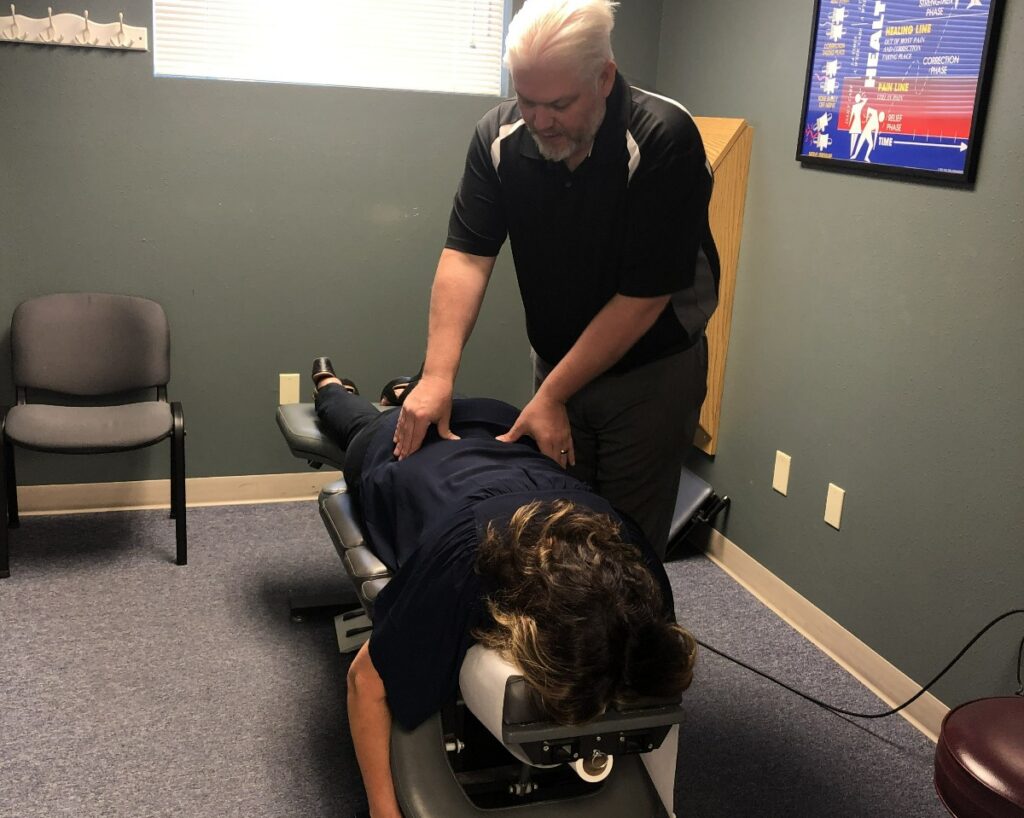
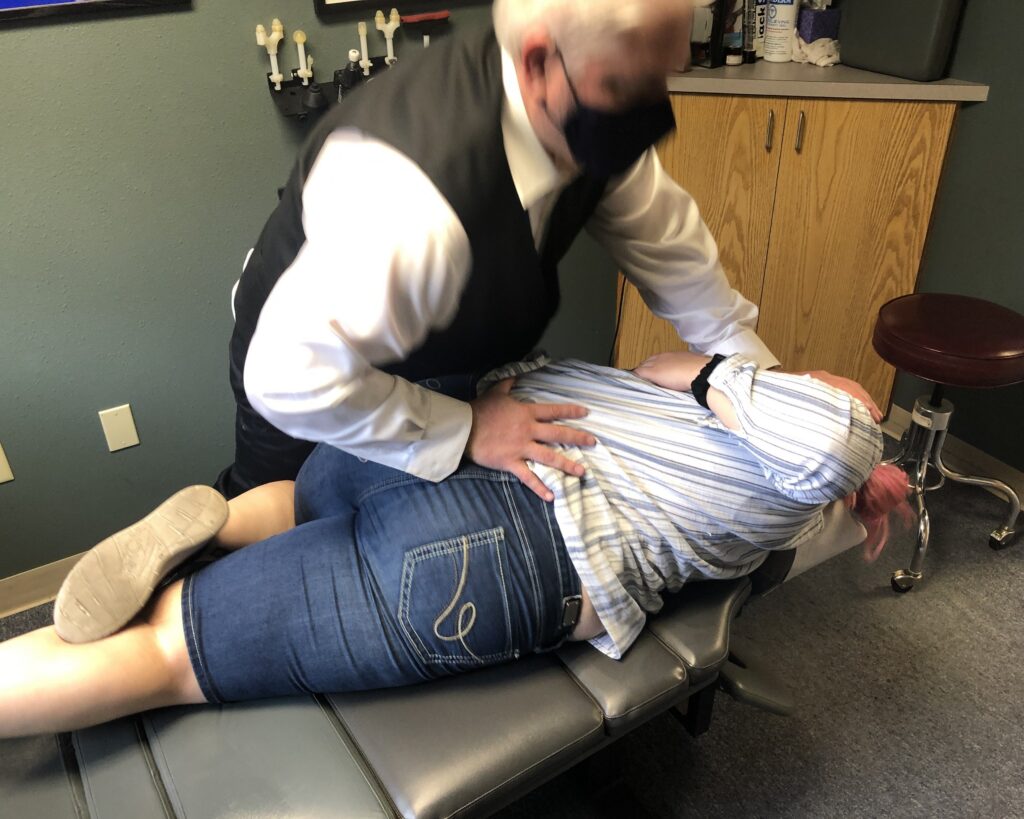
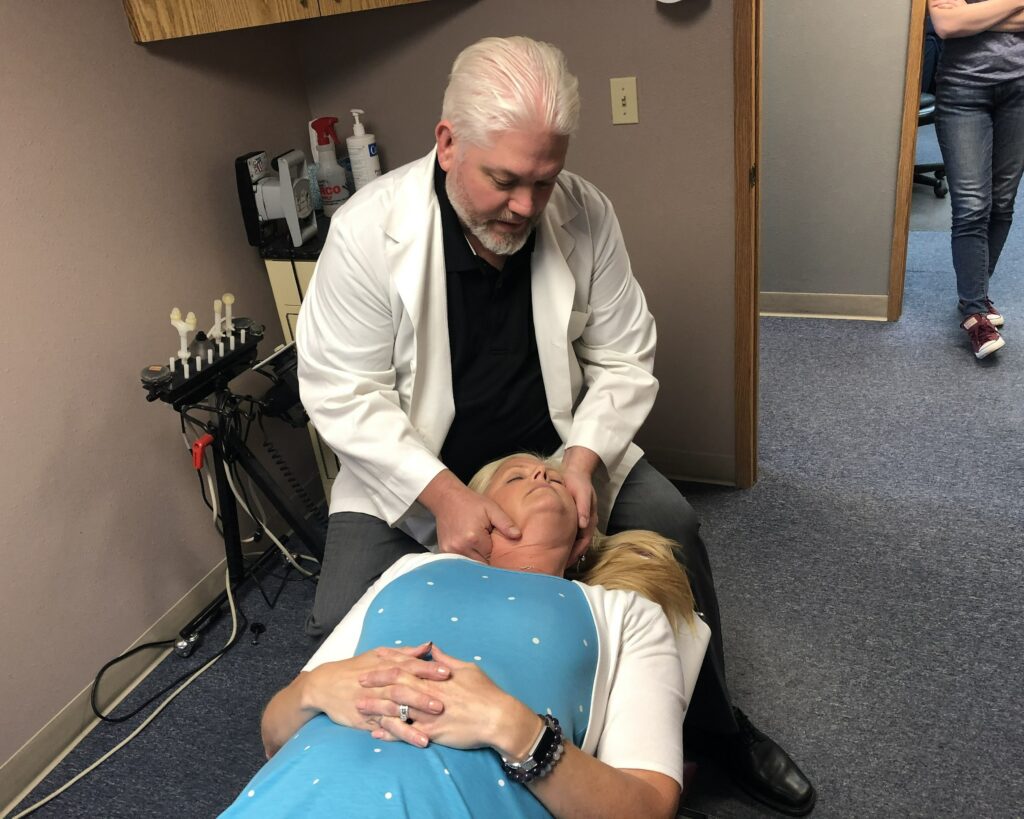
Alternative therapies, such as acupuncture, chiropractic care, or massage therapy, may offer additional relief. These techniques can help alleviate tension and promote relaxation. Don't hesitate to explore these options and find what works best for you.
Mind-body techniques, like mindfulness or yoga, can also play a significant role in managing pain. They help you become more aware of your body's signals and foster a sense of control over your pain.
Ultimately, accessing pain management techniques requires a proactive approach. By collaborating with your healthcare team and exploring a variety of methods, you can find the right combination to help you manage your chronic pain effectively.
Mental Health Impact
Chronic pain doesn't just affect your body; it can take a serious toll on your emotional well-being too.
You might find yourself feeling more anxious or depressed as the pain persists.
Recognizing these mental health impacts is vital for managing your overall care effectively.
Emotional Well-being Deterioration
Experiencing chronic pain often leads to a significant decline in emotional well-being, impacting mental health in profound ways. You might find that the constant discomfort drains your energy and motivation, making it hard to engage in activities you once enjoyed.
This persistent pain can create feelings of frustration and helplessness, leaving you feeling isolated from friends and family. As your emotional state shifts, you may notice an increase in irritability or mood swings, which can strain your relationships.
You might also start to withdraw socially, fearing that others won't understand your pain or the emotions that come with it. This withdrawal can further exacerbate feelings of loneliness and despair.
Moreover, the unpredictability of chronic pain can lead to a sense of uncertainty about the future. You may struggle with the idea of not knowing when or if you'll experience relief, which can create a heavy burden on your mental state.
Focusing on care for your chronic pain can help restore your emotional well-being. By addressing your pain, you can reclaim joy in your life, rebuild connections, and improve your overall mental health.
Seeking help is an essential step toward healing.
Increased Anxiety and Depression
The weight of chronic pain can often lead to increased anxiety and depression, creating a vicious cycle that's hard to escape. When you're in constant discomfort, it's natural to feel overwhelmed, which can trigger feelings of hopelessness and fear. You might find yourself worrying about your pain, the future, and how it affects your daily life.
As these emotions intensify, they can worsen your perception of pain, making it feel more unbearable. Anxiety can heighten your sensitivity to pain, while depression can drain your motivation to engage in activities that once brought you joy. This cycle can make it difficult to seek help or even to leave your home.
It's vital to recognize this mental health impact and seek the appropriate care. Professionals can provide strategies to manage both your chronic pain and the accompanying anxiety or depression. Therapy, medication, or support groups can be invaluable resources.
You're not alone in this struggle, and taking the first step toward care can break the cycle, helping you reclaim control over your life. Prioritize your mental well-being alongside your physical health—it's an essential part of your overall recovery.
Building a Support Network
Connecting with others who understand your journey can greatly enhance your chronic pain management. Building a support network isn't just about sharing experiences; it's about finding people who truly get what you're going through.
Whether it's friends, family, or fellow chronic pain warriors you meet in support groups, having a circle of understanding individuals can make a significant difference in your emotional and psychological well-being.
Start by reaching out to those closest to you. Share your struggles and triumphs, and let them know how they can support you. Sometimes, just having someone listen can help alleviate feelings of isolation.
If you don't feel comfortable talking to friends or family, consider joining a local or online support group. These spaces are often filled with individuals who share similar experiences and can offer valuable insights and encouragement.
Don't underestimate the power of professional support, too. Connecting with a therapist or counselor who specializes in chronic pain can provide you with coping strategies tailored to your needs. They can help you navigate the emotional challenges that often accompany chronic pain.
Finally, remember that building a support network takes time. Be open to forming new connections and stay active in your community, whether in person or online.
The more you invest in your network, the richer your support system will be, ultimately leading to better pain management and a more fulfilling life.
Enhancing Mobility and Function
Enhancing mobility and function is essential for individuals living with chronic pain, as it directly impacts daily activities and overall quality of life. When you experience chronic pain, even simple tasks like walking or lifting objects can become intimidating challenges. Seeking care can help you regain control over your body and improve your ability to move freely.
Physical therapy is a key component of enhancing mobility. A skilled therapist can design a personalized program to address your specific needs, focusing on strength, flexibility, and balance. Through targeted exercises, you'll gradually build endurance and reduce pain, making it easier to engage in everyday tasks.
In addition to physical therapy, incorporating low-impact exercises like swimming or cycling into your routine can be advantageous. These activities allow you to stay active while minimizing stress on your joints. Regular movement helps improve circulation, which can alleviate pain and promote healing.
Don't underestimate the importance of posture and ergonomics in your daily life. Simple adjustments, like using supportive chairs or practicing proper lifting techniques, can considerably impact your comfort and functionality. Learning these strategies can empower you to move safely and confidently.
Lastly, remember that every small step counts. Celebrate your progress, no matter how minor it may seem. By taking proactive steps to enhance your mobility and function, you can reclaim your independence and improve your overall well-being.
Seeking care isn't just about managing pain; it's about enhancing your ability to live life to the fullest.
Staying Informed About Options
Knowledge is power when it comes to managing chronic pain effectively. Staying informed about your options allows you to make better decisions regarding your treatment. With numerous approaches available—medication, physical therapy, acupuncture, and lifestyle changes—it's essential to explore what works best for you.
Start by discussing your condition with your healthcare provider. They can guide you through the various treatments tailored to your specific pain and needs. Don't hesitate to ask questions about potential side effects, benefits, and what to expect during the process. Understanding these factors empowers you to make informed choices.
Additionally, consider connecting with support groups or online forums. Hearing from others who share similar experiences can provide valuable insights and suggestions. These communities often share personal anecdotes about what worked for them, which can inspire new ideas for your own pain management.
Research is another powerful tool. Browse reputable websites, read articles, or look into recent studies. Keep yourself updated on the latest advancements in pain management, as new therapies and techniques are constantly emerging.
Lastly, don't forget to evaluate your progress regularly. What works today may not be effective tomorrow, so stay adaptable. Keeping an open mind about different treatments can lead you to discover the best combination for your unique situation.
Conclusion
To sum up, seeking care for chronic pain is essential for your overall well-being. By understanding the underlying causes and exploring personalized treatment plans, you can prevent complications and greatly improve your quality of life. Don't underestimate the mental health benefits and the importance of building a support network. Taking proactive steps to manage your pain not only enhances your mobility but also helps you regain control and live a more fulfilling life. Start prioritizing your health today!