
When you experience a sports injury, it's easy to brush it off or try to self-manage, but that approach can lead to complications down the road. Seeking professional help not only guarantees an accurate diagnosis but also provides a customized treatment plan tailored to your specific needs. This proactive approach can prevent future injuries and enhance your recovery time. You might be surprised to learn just how much specialized knowledge can contribute to your rehabilitation and overall performance. What are the key factors you should consider when deciding to seek assistance?
Early Diagnosis of Injuries
When you suffer a sports injury, the clock starts ticking on your recovery. The sooner you get an accurate diagnosis, the better your chances are for a smooth recovery. Early diagnosis allows you to understand the nature and severity of your injury. It helps you avoid complications that could prolong your healing process or lead to further damage.
Ignoring symptoms or waiting too long to seek help can turn a minor issue into a major setback. If you've got swelling, pain, or instability, it's essential to consult a healthcare professional as soon as possible. They'll assess your injury, often using imaging tests like X-rays or MRIs, to pinpoint the problem. This precise understanding helps you address the injury effectively, getting you back to your sport sooner.
Moreover, an early diagnosis can also inform you about the specific rehabilitation protocols you'll need. Knowing what you're dealing with empowers you to take control of your recovery journey. You'll learn which movements to avoid and what can actually help accelerate healing.
In short, seeking help right away not only facilitates a quicker recovery but also minimizes the risk of long-term issues. Don't let pride or fear hold you back. Your body deserves the best care, and early diagnosis is the first step toward that.
Customized Treatment Plans
A tailored treatment plan can make all the difference in your recovery from a sports injury. When you seek professional help, healthcare providers assess your specific injury, overall health, and athletic goals. This personalized approach guarantees that you receive the right treatment to expedite healing and get you back in the game.
Customized treatment plans often incorporate a variety of therapies, including physical therapy, medication, and possibly even nutritional guidance. Your healthcare team will collaborate with you to determine the best combination of methods that aligns with your unique situation.
For instance, if you're dealing with a muscle strain, they might suggest targeted exercises to strengthen the affected area, while addressing flexibility and mobility.
Moreover, a tailored plan considers your individual pain tolerance and recovery pace. It's vital to listen to your body during this process. Your healthcare provider will monitor your progress and adjust your treatment as needed, making sure you're not pushed too hard too soon.
This adaptability is significant for preventing setbacks and promoting long-term recovery.
Another benefit of customized treatment plans is their focus on your specific sport. Different activities place varying demands on your body, and your treatment should reflect that. Whether you're a runner, a soccer player, or a swimmer, your plan will address the unique challenges your sport presents.
Prevention of Future Injuries
Preventing future injuries is vital for athletes who want to maintain their performance and stay active. By taking proactive steps, you can reduce the risk of injuries and guarantee your body is prepared for the demands of your sport.
First, listen to your body. If something feels off, don't ignore it. Early detection of discomfort can prevent a minor issue from escalating into a more serious injury.
Next, focus on conditioning and strength training. A well-rounded program tailored to your sport will enhance your physical resilience. Incorporate exercises that target your core, flexibility, and overall body strength. This way, your muscles will be better equipped to handle the stresses of your activity.
Another important aspect is proper warm-ups and cool-downs. Spend time on dynamic stretches before your workout to prepare your muscles and joints. Afterward, engage in static stretching to promote recovery and maintain flexibility.
Make certain you're using the right equipment, too. Wearing shoes that fit well and are appropriate for your sport can greatly impact your injury risk. Regularly check your gear and replace any worn-out items.
Finally, pay attention to your training load. Avoid overtraining by gradually increasing your workout intensity and duration. Balance your training with rest days to allow your body to recover.
Access to Expert Knowledge
Having a solid injury prevention plan is only part of the equation; knowing when to seek expert advice can make a significant difference in your recovery and performance.
When you're dealing with a sports injury, it's essential to tap into the knowledge of professionals who specialize in sports medicine. They understand the complexities of athletic injuries and can provide insights that you might overlook.
In many cases, you mightn't recognize the severity of your injury or the best path for rehabilitation. An expert can assess your condition accurately, ensuring that you don't jump back into action too soon or adopt ineffective recovery methods.
They'll offer tailored advice based on your specific sport, body mechanics, and injury type, which is invaluable for your recovery.
Consulting with a sports injury specialist can also help you understand the underlying causes of your injury. This knowledge equips you with the tools to address not just your current issue but also any contributing factors that might lead to future injuries.
You'll gain access to advanced treatment options, rehabilitation techniques, and preventive strategies that you wouldn't typically find through general advice.
Enhanced Recovery Time
Enhancing your recovery time after a sports injury can be achieved through the right guidance and treatment. When you seek professional help, you gain access to tailored rehabilitation programs designed specifically for your injury. This personalized approach not only addresses your immediate needs but also helps prevent future complications.
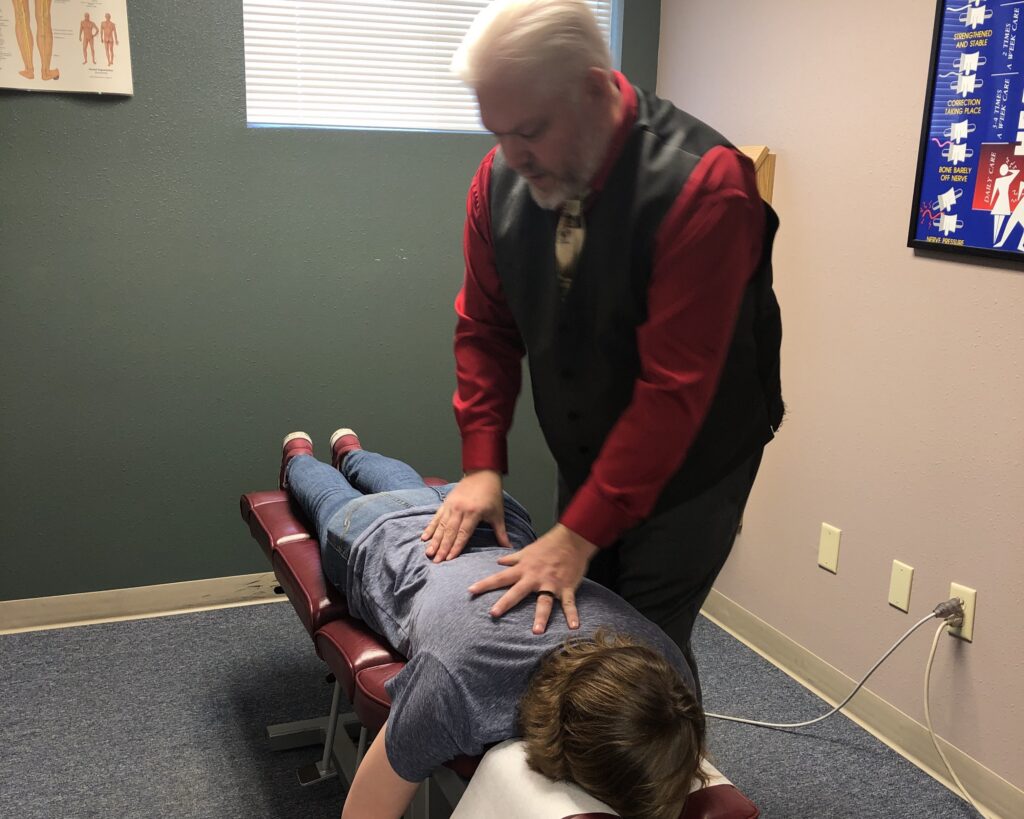
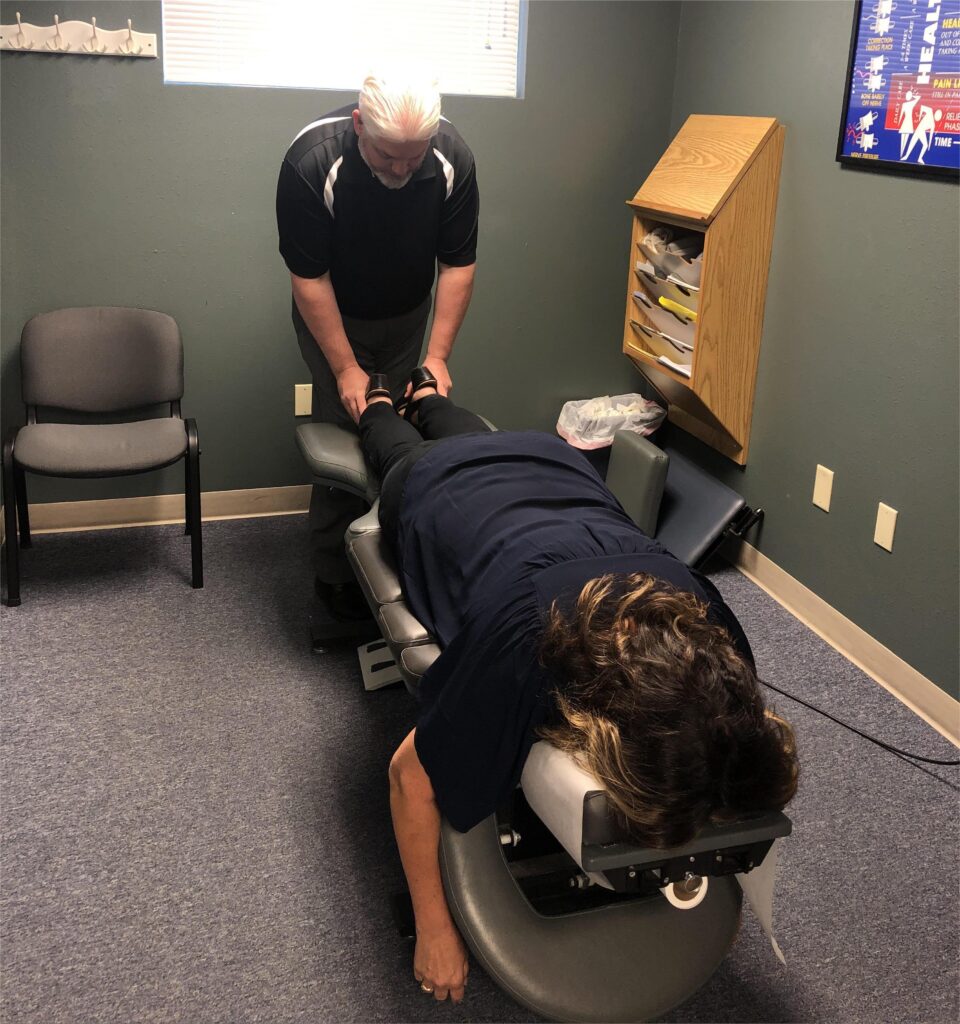
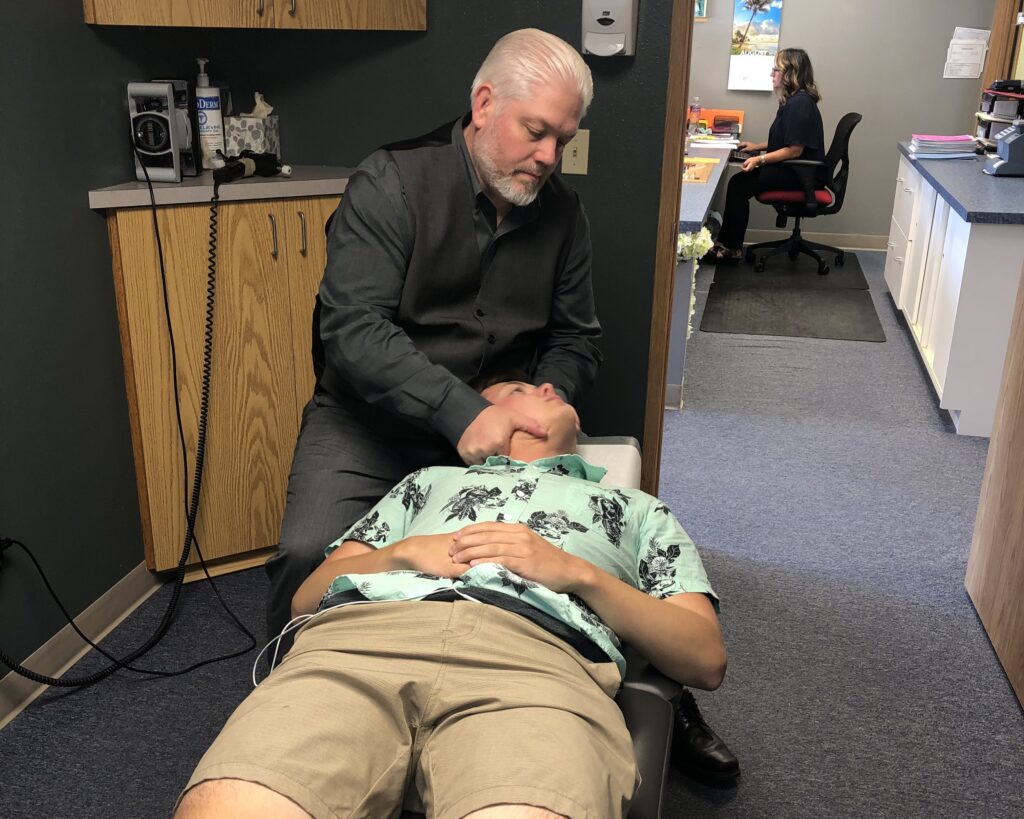
A trained specialist will evaluate your condition and create a recovery plan that includes exercises, stretches, and modalities like physical therapy or chiropractic adjustments. By following this plan, you can guarantee your body heals properly and efficiently. You'll learn how to strengthen the injured area, which can lead to faster recovery and better performance once you're back in action.
Additionally, professionals can recommend specific techniques to manage pain and reduce inflammation, such as ice therapy or compression. These methods expedite healing and get you back on your feet sooner than if you tried to recover on your own.
Moreover, having a support system throughout your recovery process can greatly enhance your motivation. When you work with a coach, therapist, or trainer, you'll have someone to hold you accountable and encourage you to stick to your regimen.
In essence, don't underestimate the importance of seeking help for your sports injury. By doing so, you'll not only enhance your recovery time but also set yourself up for a more robust return to your sport, minimizing the risk of re-injury along the way.
Investing in your recovery is investing in your future performance.
Conclusion
Injuries can sideline your passion for sports, but seeking help is essential for a speedy recovery. Early diagnosis and customized treatment plans not only address your current injury but also set you up for a safer return. With expert knowledge guiding you, you can prevent future injuries and enhance your recovery time. Don't hesitate to reach out for the support you need—your active lifestyle depends on it, and getting back on track is just a step away!