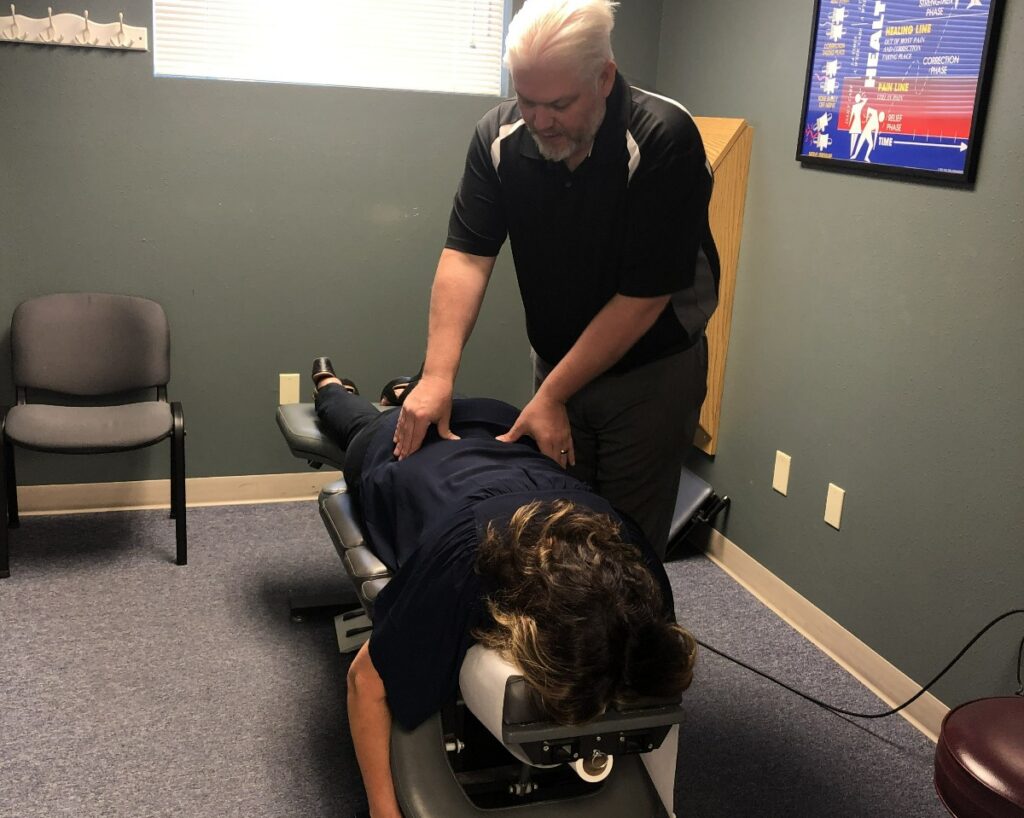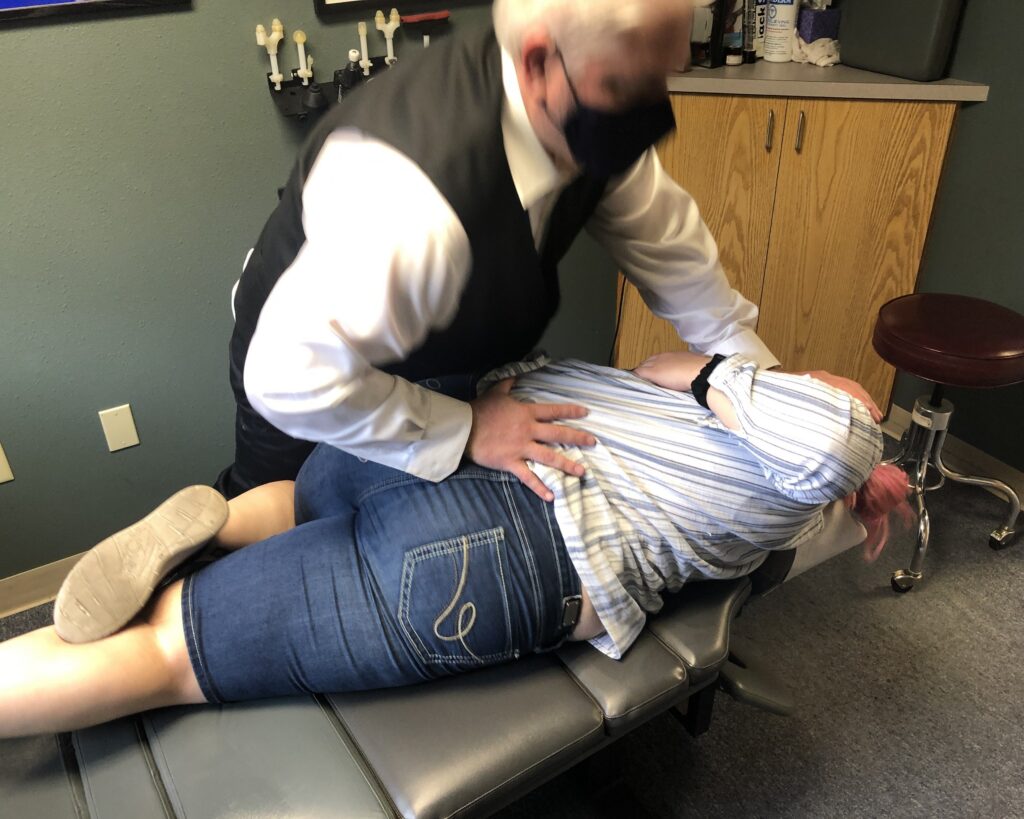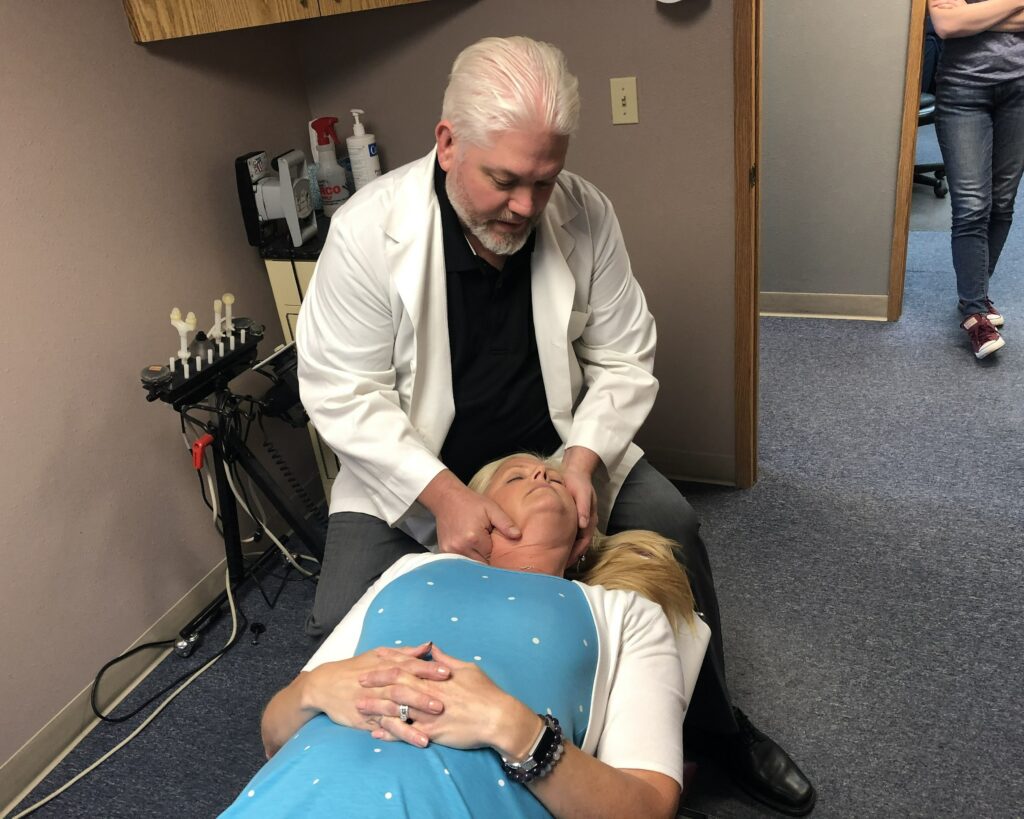

As a local chiropractor, I understand that many of you may be grappling with lower back pain, and I want you to know that you’re not alone in this struggle. Lower back discomfort can significantly impact your day-to-day activities, but there is hope. Through chiropractic care and natural healing techniques, you can find relief in just 30 days.
One of the key areas we focus on is improving your posture. Proper alignment of the spine is crucial for reducing strain on your lower back. Additionally, incorporating regular stretching and low-impact exercises can help alleviate pain and enhance your overall mobility.
But what specific steps should you take? Here are some practical strategies you can start implementing today to foster lasting results. By working together, we can develop a tailored plan that addresses your unique needs and helps you regain control of your health and well-being. Let’s embark on this journey to better back health together!
Understanding Lower Back Pain
As a local Chiropractor, I want to shed some light on the common issue of lower back pain, which affects millions of individuals. This discomfort can arise from various causes, such as muscle strains, ligament sprains, or even herniated discs.
Often, it results from factors like overexertion, improper lifting techniques, or prolonged periods of sitting. Additionally, stress and anxiety can play a significant role in your pain, as they may lead to muscle tension in your back.
Understanding the specific cause of your lower back pain is crucial for effective treatment. I encourage you to pay close attention to when the pain occurs and which activities seem to worsen it.
It’s vital to listen to your body and avoid pushing through the discomfort. By gaining insight into your pain, you can make informed choices about the next steps to take. Whether that involves seeking my chiropractic expertise or exploring natural remedies, knowledge is your first step towards relief and enhanced wellbeing.
Chiropractic care focuses on restoring alignment and function to your spine and surrounding muscles, offering a holistic approach to alleviating pain and promoting overall health.
Together, we can work towards a healthier, pain-free life.
Importance of Posture
As your local chiropractor, I want to emphasize the importance of maintaining proper posture to help prevent and alleviate lower back pain—a common issue many people face.
When you sit, stand, or move, aligning your spine correctly is crucial. It reduces strain on your muscles and ligaments, allowing your body to function optimally. Unfortunately, poor posture, such as slouching or hunching over, can create imbalances, increasing your risk of discomfort and injury.
I encourage you to make a conscious effort to sit up straight, ensuring your shoulders are relaxed and your feet are flat on the floor. When standing, try to distribute your weight evenly and engage your core muscles to support your spine.
If you spend long hours at a desk, it’s essential to have a chair that supports your lower back. Remember to take regular breaks to stretch and move around; this can significantly benefit your overall well-being.
By incorporating these simple posture practices into your daily routine, you can enhance your health and posture, reducing the likelihood of experiencing pain and discomfort.
If you have further questions or need personalized advice, feel free to reach out to me for guidance.
Stretching for Flexibility
As a local chiropractor, I want to emphasize the importance of proper posture for maintaining a healthy spine, but I also want to highlight how stretching for flexibility can significantly enhance your back health.
When you incorporate regular stretching into your daily routine, you can alleviate tension and improve your range of motion, which are crucial for overall well-being.
I encourage you to focus on stretches that specifically target the lower back, hips, and hamstrings. These areas often hold tightness that can lead to discomfort.
Simple stretches such as the cat-cow pose, child’s pose, and gentle torso twists can be very effective. Aim to hold each stretch for 15-30 seconds, and remember to breathe deeply to promote relaxation. This is your time to unwind and truly connect with your body, so there’s no need to rush.
I recommend stretching daily, especially after prolonged periods of sitting. Pay attention to your body—if a stretch feels uncomfortable, it’s essential to ease back.
Strengthening Core Muscles
As a local chiropractor, I want to emphasize the importance of strengthening your core muscles for overall spinal health and to alleviate lower back pain. A robust core is vital for stabilizing your pelvis and spine, which in turn promotes better posture and movement. You don’t need any expensive equipment to get started; there are many effective exercises you can do at home.
I recommend beginning with fundamental movements such as planks, bridge exercises, and abdominal crunches. These exercises engage your core effectively and can significantly improve your strength. Aim for short sessions several times a week, and as your strength increases, gradually increase the intensity of your workouts.
Remember to focus on your breathing while you exercise. Proper breathing techniques can enhance your endurance and control, allowing you to perform the exercises more effectively.
In addition to core strengthening, incorporating balance exercises like side leg raises or bird-dogs can further improve your stability. Consistency is crucial—by regularly working on your core, you can reduce discomfort in your lower back over time.
Always listen to your body; if something doesn’t feel right, it’s important to stop and consult with a healthcare professional.
With commitment and the right approach, you can strengthen your back and lead a more active, pain-free lifestyle. If you have any questions about how chiropractic care can support your journey to a stronger core, please feel free to reach out.
Low-Impact Aerobic Exercises
As a local chiropractor, I want to emphasize the importance of low-impact aerobic exercises for enhancing your overall fitness while being gentle on your lower back. Engaging in activities such as walking, swimming, and cycling can provide significant cardiovascular benefits without placing undue stress on your spine.
I recommend starting with brisk walking for about 20-30 minutes daily. This simple exercise can greatly improve your endurance, and you can gradually increase both your pace and distance as you become more comfortable.
Swimming is another excellent choice; the buoyancy of the water supports your body, reducing strain and allowing for easier movement. For those who enjoy cycling, using a stationary bike can be a safe way to elevate your heart rate without jolting your back.
Incorporating these low-impact exercises into your daily routine not only helps alleviate pain but also strengthens the muscles that support your lower back. Consistency is key, and as you engage in these activities regularly, you may notice significant improvements in both your pain levels and overall health.
The Role of Heat Therapy
As a local chiropractor, I want to share with you how heat therapy can be a transformative approach for managing lower back pain. When you apply heat to your lower back, it promotes increased blood flow to the area, which helps to relax tense muscles and relieve stiffness.
There are several effective heat sources you can use, such as heating pads, warm towels, or hot baths. Just be cautious to ensure the heat isn’t too intense to avoid burns.
For optimal results, I recommend applying heat for about 15-20 minutes at a time. You may find it particularly beneficial to use heat before engaging in activities that usually worsen your pain. This preparation can help loosen your muscles and facilitate easier movement.
Heat therapy can be especially useful during flare-ups of pain, offering immediate comfort and assisting in the healing process.
It’s important to remember that each person’s body responds differently to treatment, so I encourage you to explore what feels best for you. Consistent use of heat therapy can lead to significant improvements in your lower back pain and overall well-being.
If you have any questions or would like more personalized recommendations, feel free to reach out!
Ice Therapy for Inflammation
As a chiropractor dedicated to helping you understand natural healing methods, I want to share the benefits of ice therapy for managing inflammation, particularly in your lower back.
While heat therapy is often sought for relaxing tense muscles, ice therapy is an effective approach to reduce inflammation and alleviate pain.
When you experience discomfort or swelling, applying ice can constrict blood vessels, which in turn helps to limit inflammation in the affected area. This technique can be particularly useful after activities that may aggravate your pain, such as lifting heavy objects or sitting for extended periods.
To effectively utilize ice therapy, I recommend wrapping ice or a cold pack in a thin cloth and applying it to the area of concern for about 15-20 minutes.
It’s important to take breaks in between applications, allowing your skin to return to its normal temperature to avoid any adverse effects. You can repeat this process several times a day, especially within the first 48 hours of noticing any signs of inflammation.
Remember, ice therapy isn’t just for immediate relief; it also plays a role in speeding up your recovery over time.
Mindfulness and Relaxation Techniques
As a local chiropractor, I often see patients struggling with lower back pain, and I want to share how mindfulness and relaxation techniques can significantly aid in your recovery.
Incorporating deep breathing exercises and guided meditation into your daily routine can help reduce tension in your body, allowing for a more effective healing process.
These techniques not only promote relaxation but also enhance your overall well-being, making it easier for your body to respond to chiropractic adjustments.
By taking the time to practice mindfulness, you can create a supportive environment for your healing journey.
Let’s explore how these simple yet powerful methods can help you find the relief you deserve.
Deep Breathing Exercises
As a local chiropractor, I want to share with you the benefits of deep breathing exercises for alleviating lower back pain. Many people aren’t aware that focusing on your breath can be an effective part of natural healing and pain management.
When combined with mindfulness practices, deep breathing not only promotes relaxation but also helps to reduce the muscle tension that often contributes to discomfort in your back.
To get started, find a comfortable position, whether you’re sitting in a chair or lying down. Begin by inhaling deeply through your nose, allowing your abdomen to rise as you fill your lungs completely.
Then, exhale slowly through your mouth. It’s important to repeat this process for several minutes, paying attention to the natural rhythm of your breath. You may find that as you engage in deep breathing, your body begins to release stress and tightness, particularly in your back.
Incorporating these deep breathing exercises into your daily routine can significantly help in managing pain while also enhancing your overall well-being.
I encourage you to give it a try; you might be pleasantly surprised by the positive impact it has on your body and mind!
Guided Meditation Practices
As a local chiropractor, I often see patients struggling with lower back pain, and I want to share a powerful tool that can complement your chiropractic care: guided meditation practices. Many people may not be aware of how effective this technique can be in easing discomfort and promoting overall well-being.
Guided meditation focuses on harmonizing your mind and body, which can significantly help alleviate tension in your lower back. To get started, find a quiet and comfortable space where you can relax without interruptions. There are many meditation apps available or you can listen to recorded sessions that will guide you through visualization and breathing exercises.
As you engage in this practice, take a moment to visualize warmth and healing energy flowing directly to your lower back. This not only aids in relaxing your mind but also fosters a deeper connection with your body’s sensations, allowing you to become more aware of areas of tension.
Incorporating guided meditation into your routine can be a gentle and effective approach to managing lower back pain, enhancing the benefits of the chiropractic adjustments you receive.
I encourage you to give it a try—you may find it to be a valuable addition to your journey towards better health and comfort.
Ergonomic Workspace Adjustments
As a local chiropractor, I often see patients dealing with lower back pain, and I want to share how making just a few ergonomic adjustments to your workspace can significantly help alleviate discomfort.
First and foremost, it’s essential to choose a chair that properly supports your lower back. Look for one that promotes good posture, allowing your feet to rest flat on the floor and keeping your knees at a 90-degree angle. This foundational support can make a world of difference.
Next, pay attention to your desk height. By adjusting it so that your elbows stay close to your body while typing, you can minimize strain on your back and shoulders.
Your computer monitor’s position is also crucial. Set it at eye level, approximately one arm’s length away, to prevent unnecessary strain on your neck and back. If you’re using a laptop, I recommend investing in a separate keyboard and mouse to maintain better alignment.
Lastly, don’t underestimate the power of regular breaks. Stand up, stretch, and move around periodically to combat stiffness and keep your muscles engaged.
By implementing these straightforward adjustments, you can create a workspace that not only supports your back but also enhances your overall comfort.
Proper Lifting Techniques
As your local chiropractor, I want to emphasize the importance of using proper lifting techniques to safeguard your back and overall spinal health.
When you lift heavy objects, it’s crucial to bend at your knees rather than your waist. This technique allows you to keep the load close to your body, which helps to maintain balance and reduces strain on your spine.
Remember, your legs are your strongest muscles, so rely on them to do the heavy lifting!
By incorporating these steps into your routine, you can significantly lower your risk of injury and promote a healthier back.
Taking care of your spine is key to your overall well-being, and I’m here to help guide you in achieving that.
Bend at the Knees
As a local chiropractor dedicated to promoting natural healing and overall well-being, I want to share with you one of the simplest yet most effective techniques to prevent lower back pain when lifting heavy objects: bending at the knees.
When you squat down properly, you engage your leg muscles rather than straining your back, which can lead to discomfort or injury.
Using this technique helps distribute the weight evenly across your body, significantly reducing the risk of harm to your lower back.
To lift safely, start by positioning your feet shoulder-width apart for stability. Bend your knees and lower your hips while maintaining a straight back. This alignment is crucial; it ensures that your spine stays supported and reduces unnecessary stress.
When you grip the object you’re lifting, do so firmly, and remember to focus on using your powerful leg muscles to do the heavy lifting—your back should remain relaxed and supported throughout the process.
By incorporating this method into your lifting routine, you’ll not only protect your lower back but also make lifting safer and more manageable.
As your chiropractor, I encourage you to practice this technique regularly. It’s a simple yet powerful way to enhance your body mechanics and promote a healthier, pain-free lifestyle.
Keep Load Close
As a local chiropractor, I want to emphasize the importance of keeping the load close to your body to prevent lower back pain during lifting. Many people may not realize that when you hold an object away from your center of gravity, your back muscles have to work overtime, which can lead to strain and discomfort.
Always aim to position the load as close to your body as possible. This approach not only helps you maintain better balance but also provides essential support for your spine. When lifting, try to keep the item snug against your torso; this can significantly reduce the stress on your back.
If you find yourself needing to turn while carrying something, remember to pivot your feet rather than twisting your back. This simple adjustment can help protect your spine from unnecessary strain. Use your arms to guide the load, focusing on stability rather than lifting with your arms alone.
Incorporating these proper lifting techniques into your routine can have a profound impact on your back health and overall well-being. As your chiropractor, I’m here to help you understand how the body works and how to take care of it naturally.
Use Your Legs
As a local chiropractor, I want to emphasize the importance of using your legs properly when lifting to ensure your safety and prevent lower back pain.
Many patients I see are unaware of how crucial correct lifting techniques can be for their overall health. Here are some simple steps to follow:
- Stand Close: Always get as close to the object as possible. This helps reduce strain on your back and allows you to engage your leg muscles more effectively.
- Bend at the Hips and Knees: Instead of bending at your waist, squat down by bending your hips and knees. This keeps your back straight and allows you to use your strong leg muscles to lift.
- Lift with Your Legs: When you begin to lift, push through your heels and draw strength from your legs rather than your back. This technique is vital for protecting your spine and preventing injuries.
- Keep the Load Balanced: Hold the item close to your body and make sure it’s centered. This will help maintain your balance and reduce the risk of strain on your back.
By following these steps, you can’t only lift objects safely but also support your spine’s health, which is a key aspect of chiropractic care.
The Benefits of Yoga
As a chiropractor, I understand how debilitating lower back pain can be for many individuals. One effective approach that I often recommend to my patients is incorporating yoga into their daily routine. Yoga is a natural practice that not only facilitates significant relief from pain but also promotes overall wellness.
By engaging in yoga, you can enhance your flexibility and strengthen your core muscles, both of which play a crucial role in supporting your spine. The gentle stretches and various poses help improve your posture, which can significantly reduce strain on your back.
Moreover, one of the key benefits of yoga is its ability to encourage relaxation and reduce stress—two important factors in managing pain and promoting healing. The breathing techniques taught in yoga can help you tune into your body’s sensations, allowing you to identify areas of tension and release them effectively.
Regular yoga practice also enhances blood circulation, which is vital for healing in affected areas. Certain poses, such as Child’s Pose or Cat-Cow, have been particularly effective for my patients in alleviating discomfort and improving mobility.
Even dedicating just a few minutes each day to yoga can lead to a noticeable improvement in your mobility and overall sense of well-being. By integrating yoga into your lifestyle, you can take an active role in managing your lower back pain and enhancing your quality of life.
Pilates for Core Stability
As a local chiropractor, I want to share with you the benefits of incorporating Pilates into your routine for enhancing core stability and supporting your lower back. This low-impact exercise method complements chiropractic care by focusing on strengthening your core muscles, which can alleviate pain and help prevent future injuries.
Here are four key benefits of Pilates that I believe you’ll find valuable:
- Improved Posture: Pilates encourages body awareness, which is essential for maintaining a neutral spine. Good posture helps reduce strain on your back and can improve overall health.
- Enhanced Flexibility: Engaging in regular Pilates practice can significantly increase your flexibility. This reduction in tension can lead to less discomfort in your lower back, making daily activities more manageable.
- Strengthened Core: A strong core is crucial for spinal stability. By strengthening these muscles through Pilates, you provide better support for your lower back, which can lead to a decrease in pain and a lower risk of injury.
- Mind-Body Connection: Pilates emphasizes controlled movements and mindful breathing. This focus promotes relaxation, reduces stress, and can improve your overall well-being, aligning perfectly with the principles of natural healing that we advocate in chiropractic care.
Incorporating Pilates into your wellness routine can be a fantastic complement to your chiropractic treatments.
If you have any questions or would like more information, feel free to reach out!
Incorporating Daily Walks
As your chiropractor, I want to share with you the benefits of incorporating daily walks into your routine, especially for your lower back health. Many individuals may not realize just how effective this simple activity can be. Walking helps strengthen the muscles that support your spine and significantly improves your overall flexibility.
When you engage in walking, you naturally activate and engage your core muscles, which play a vital role in stabilizing your lower back. I recommend aiming for at least 30 minutes of walking each day. This can be anything from a brisk walk in the park to a leisurely stroll around your neighborhood—whatever suits your lifestyle best.
It’s also important to be mindful of your posture while walking. Keep your shoulders relaxed and avoid leaning forward, as this can put unnecessary strain on your back. Additionally, investing in a good pair of supportive shoes can greatly enhance your comfort during walks. If you ever feel any discomfort, don’t hesitate to adjust your pace or the distance you cover.
Incorporating daily walks not only supports your lower back health but also serves to elevate your mood and energy levels. So, I encourage you to lace up your shoes and take that step toward a healthier back and a happier you!
Importance of Sleep Position
As a local chiropractor, I want to share with you the crucial role that your sleep position plays in maintaining a healthy lower back. Many people are unaware that the way they sleep can greatly impact their comfort and overall spinal health.
Here are four important sleep positions to consider for optimal support:
- Sleeping on your back: This position allows for even weight distribution across your body, which helps to relieve pressure on your spine. It’s a great way to support your lower back while you rest.
- Sleeping on your side with a pillow between your knees: This technique can help maintain proper spinal alignment and significantly reduce strain in your lower back. The pillow acts as a supportive barrier that keeps your hips aligned.
- Curling up in the fetal position: If you suffer from conditions like herniated discs, this position can be beneficial. By curling up, you create more space between your vertebrae, which can alleviate discomfort.
- Avoiding stomach sleeping: While it may feel comfortable for some, sleeping on your stomach can put undue strain on your spine. This position can lead to misalignments and increased discomfort over time.
By being mindful of your sleep position, you can take proactive steps to enhance your lower back health.
Mattress and Pillow Considerations
As a local chiropractor, I want to emphasize how crucial your choice of mattress and pillow can be for your lower back health. A supportive mattress is vital for maintaining proper spinal alignment during sleep. If your mattress is too soft, it can cause your spine to sink, leading to discomfort and potential pain. On the other hand, a mattress that’s overly firm can create pressure points, which may aggravate existing pain.
I typically recommend medium-firm mattresses, as they offer the best support for your body’s natural curves.
Pillows are equally important in this equation. For those who sleep on their back, a thinner pillow is ideal to help keep your neck in alignment with the spine. If you’re a side sleeper, a firmer, thicker pillow will help fill the space between your neck and shoulders, promoting better spinal alignment.
Stomach sleeping, however, can place unnecessary strain on your back, so I encourage you to transition to a side or back sleeping position for improved support.
Investing in the right mattress and pillow can significantly enhance your lower back health, enabling you to wake up feeling refreshed and pain-free.
Hydration and Nutrition
As your local chiropractor, I want to emphasize the crucial role that hydration and nutrition play in managing back pain. Many patients may not realize that what you eat and how much water you drink can significantly influence your spinal health.
By focusing on nutrient-dense, anti-inflammatory foods, you’re not just feeding your body; you’re actively supporting your spine and overall well-being.
Let’s take a closer look at how proper hydration and nutrition can alleviate your discomfort and promote healing. Staying well-hydrated helps to maintain the elasticity of your spinal discs, which can reduce pressure and pain.
Meanwhile, incorporating foods rich in vitamins, minerals, and omega-3 fatty acids can combat inflammation and support muscle function.
I’m here to guide you on how to make these dietary changes and emphasize the importance of a holistic approach to your health.
Together, we can work towards easing your back pain and enhancing your quality of life.
Importance of Water Intake
As your local chiropractor, I want to emphasize the often-overlooked importance of proper hydration in managing lower back pain. Many patients are unaware of how crucial adequate water intake is for their overall health and spinal function.
Here’s why prioritizing hydration should be part of your wellness routine:
- Disc Health: Water is vital for maintaining the elasticity and cushioning of your spinal discs. This helps to reduce pressure on your back and can alleviate discomfort.
- Muscle Function: Staying well-hydrated supports optimal muscle function, which can minimize cramps and spasms that may lead to pain. Hydration is key for keeping your muscles relaxed and functioning smoothly.
- Inflammation Reduction: Proper hydration can help decrease inflammation in the body, a common source of discomfort and pain. By drinking enough water, you can support your body’s natural healing processes.
- Nutrient Transport: Water plays a crucial role in transporting essential nutrients to your muscles and tissues, promoting healing and recovery.
I encourage you to make a conscious effort to drink enough water each day. Not only will it support your back health, but it will also enhance your overall well-being.
Nutrient-Rich Foods
As a local chiropractor, I want to emphasize the importance of not just proper hydration for your health, but also the significant role that nutrient-rich foods play in managing lower back pain.
It’s essential to nourish your body with a diverse array of fruits, vegetables, whole grains, and lean proteins. These foods are packed with vital nutrients that can enhance your overall health and support your recovery.
For example, foods rich in calcium and vitamin D—such as dairy products and leafy greens—are fundamental for maintaining strong bones, which is crucial for spinal health.
Additionally, magnesium, found in nuts and seeds, can help relax your muscles, which may alleviate tension in your back.
Don’t overlook the power of antioxidants, which are abundant in berries and colorful vegetables; they work to combat oxidative stress that can contribute to pain.
Healthy fats, like those from avocados and olive oil, are also important as they promote joint health and inflammation reduction.
By prioritizing a balanced, nutrient-dense diet, you can significantly enhance your body’s ability to recover from discomfort and maintain a healthy back.
Anti-Inflammatory Options
As a local chiropractor, I want to emphasize the importance of incorporating anti-inflammatory options into your hydration and nutrition in order to effectively manage lower back pain.
By paying attention to what you eat and drink, you can significantly reduce inflammation and support your healing process.
Here are four key strategies I recommend:
- Stay Hydrated: It’s crucial to drink plenty of water. Proper hydration helps maintain the health of your spinal discs and can significantly reduce inflammation in your body.
- Include Omega-3 Fatty Acids: Consider adding foods rich in omega-3 fatty acids to your diet, such as salmon, walnuts, and flaxseeds. These foods have potent anti-inflammatory properties that can aid in reducing pain.
- Opt for Colorful Fruits and Vegetables: Fill your plate with a variety of colorful fruits and vegetables. Leafy greens, berries, and bell peppers are packed with antioxidants that help combat inflammation and support overall health.
- Limit Processed Foods: I encourage you to reduce your intake of processed foods, particularly those high in sugar and trans fats. Making this change can help lower inflammation levels in your body, contributing to a healthier spine and improved well-being.
By embracing these dietary changes, you can enhance your chiropractic care and promote a more effective healing process for your lower back pain.
Weight Management Strategies
As a local chiropractor, I want to emphasize the importance of maintaining a healthy weight for alleviating lower back pain and enhancing your overall well-being. Carrying excess weight can place additional strain on your spine and muscles, which may exacerbate discomfort.
To effectively manage your weight, it’s vital to start by monitoring your calorie intake. Keeping a food diary can be a valuable tool to identify areas for improvement and help you make healthier dietary choices.
Incorporating regular physical activity into your daily routine is crucial. Aim for at least 150 minutes of moderate exercise each week, focusing specifically on activities that strengthen your core and back muscles. Not only does this support weight loss, but it also promotes a healthy spine, which is integral to chiropractic care.
Another effective strategy is practicing portion control. By eating smaller portions, you can prevent overeating and achieve a sense of satisfaction without consuming excessive calories.
Additionally, staying well-hydrated is key; drinking water can help curb hunger and even boost your metabolism.
By adopting these strategies, you can effectively manage your weight, which in turn can contribute to relieving lower back pain and improving your overall health.
Physical Therapy Options
If you’re dealing with lower back pain, considering chiropractic care can be a natural and effective way to find relief and support your healing process.
Chiropractors are skilled in creating individualized treatment plans that focus on restoring your mobility and strength. Here are four chiropractic options you might find beneficial:
- Chiropractic Adjustments: These precise adjustments to the spine can help improve alignment, reduce pain, and enhance your overall function, allowing your body to heal more effectively.
- Soft Tissue Therapy: Through techniques such as massage or myofascial release, your chiropractor can target specific muscle groups to relieve tension and promote healing in the surrounding soft tissues.
- Postural Correction: We emphasize the importance of maintaining proper posture, which can significantly lessen the strain on your back and make everyday activities easier and more comfortable.
- Thermal Modalities: Utilizing heat and cold therapy, we can help reduce inflammation and soothe muscle tension, providing quick and effective relief for your pain.
Acupuncture for Pain Relief
As a local Chiropractor, I want to introduce you to a natural approach to managing pain, particularly lower back pain, which many of our patients experience.
One effective method we often recommend is acupuncture. This ancient practice focuses on specific points on the body to enhance energy flow and alleviate tension.
Many of our patients have reported not only a reduction in their pain but also an improvement in their overall well-being after incorporating acupuncture into their care.
It’s a valuable tool that complements chiropractic treatment, helping to promote a holistic path to health and recovery.
How Acupuncture Works
As a local chiropractor, I often encounter patients seeking relief from lower back pain, and I want to introduce you to a holistic approach that can complement traditional methods: acupuncture.
This ancient practice involves the careful insertion of thin needles into specific points on the body, and it can significantly aid in your healing journey. Here’s how acupuncture works in relation to back pain:
- Stimulates Endorphins: Acupuncture helps your body release endorphins, which are natural chemicals that help reduce pain and enhance your mood.
- Improves Blood Flow: The insertion of needles can improve circulation, ensuring that oxygen and essential nutrients reach the areas in need of healing.
- Reduces Inflammation: By specifically targeting inflammation, acupuncture can help ease the discomfort you may be experiencing in your lower back.
- Balances Energy: This technique promotes the flow of energy throughout your body, contributing to your overall health and wellness.
If you’re exploring natural remedies for lower back pain relief, acupuncture could be a beneficial option to consider alongside chiropractic care.
Together, they can create a well-rounded approach to your recovery.
Benefits for Back Pain
As a local chiropractor, I want to share the incredible benefits of incorporating acupuncture into your pain management routine for back pain relief. This ancient practice can significantly alleviate discomfort by stimulating specific points on your body, which promotes natural healing processes.
Many of my patients report reduced muscle tension, improved blood circulation, and enhanced flexibility after just a few acupuncture sessions.
One of the key advantages of acupuncture is its ability to encourage the release of endorphins—your body’s natural painkillers. This can lead to a greater sense of well-being and help you feel more in control of your pain management.
Additionally, acupuncture is a non-invasive approach that doesn’t rely on medications, making it a safer option for many individuals seeking relief.
If you’re looking for a holistic approach to managing your back pain, acupuncture could be a valuable addition to your wellness routine. I invite you to explore this option and see how it can work for you as part of your journey toward better health.
Massage Therapy Benefits
If you’re experiencing lower back pain, I want to share how massage therapy can be an effective part of your treatment plan. As a chiropractor dedicated to natural healing, I often recommend massage therapy to my patients for its numerous benefits.
Here’s how it can help you manage your discomfort:
- Muscle Relaxation: Massage therapy works wonders for loosening tight muscles in the lower back, which can significantly reduce tension and promote relaxation.
- Improved Circulation: The increased blood flow from massage helps to promote healing and reduces inflammation in the affected areas, facilitating a quicker recovery.
- Pain Reduction: Regular massage sessions can significantly lower your pain levels by stimulating the release of endorphins—your body’s own natural painkillers.
- Enhanced Flexibility: By improving your range of motion, massage therapy can make everyday activities easier and less painful, allowing you to enjoy life more fully.
Incorporating massage therapy into your routine can be a powerful ally in your journey toward alleviating lower back pain.
I encourage you to consider scheduling regular appointments to experience these benefits firsthand and complement your chiropractic care.
Together, we can work towards your wellness goals and improve your overall quality of life!
Chiropractic Care
As a local chiropractor, I want to share how chiropractic care can truly transform your experience with lower back pain.
Our approach centers around spinal alignment, which is essential for your overall health and well-being. By addressing misalignments in your spine, we can help you find significant relief and enhance your mobility.
What sets our practice apart is our commitment to personalized treatment plans. We understand that each patient is unique, and we tailor our care to meet your specific needs.
This ensures that you receive the most effective pain management strategies, all through natural, non-invasive methods. If you’re curious about how chiropractic care can support your journey to better health, I’m here to guide you every step of the way.
Spinal Alignment Benefits
As a local chiropractor, I want to share with you how proper spinal alignment can significantly enhance your well-being, particularly if you’re struggling with lower back pain.
Many people are unaware of the powerful impact that chiropractic care can have on their health. When your spine is aligned, you unlock a multitude of benefits that contribute to a healthier lifestyle.
Here are four important advantages of maintaining proper spinal alignment:
- Reduced Pain: When your vertebrae are properly aligned, they relieve unnecessary pressure on your nerves and muscles. This can lead to a noticeable decrease in discomfort and pain, allowing you to enjoy life more fully.
- Improved Mobility: With proper spinal alignment, your range of motion is enhanced. This means that everyday activities, whether it’s bending down to tie your shoes or reaching for something on a shelf, become much easier and more comfortable.
- Better Posture: Regular chiropractic adjustments help promote a natural and healthy posture. This not only looks good but also minimizes strain on your back, preventing further issues down the road.
- Enhanced Function: A well-aligned spine doesn’t just feel good; it also supports your body’s systems, leading to improved overall health and wellness. From better digestion to increased energy levels, the benefits are far-reaching.
I invite you to explore the life-changing effects of chiropractic care.
Together, we can work towards achieving and maintaining your spinal health for a pain-free, active lifestyle.
Pain Management Techniques
As a local chiropractor dedicated to helping our community, I want to share some valuable insights about managing lower back pain effectively. If you’re experiencing discomfort, understanding pain management techniques is crucial for reclaiming your quality of life. One of the most beneficial approaches we offer at our practice is chiropractic care.
When you visit our office, you can expect hands-on adjustments designed to align your spine and alleviate muscle tension. These adjustments aren’t just about immediate relief; they can significantly reduce your pain levels and enhance your mobility over time.
In addition to spinal adjustments, we often integrate therapeutic exercises and stretches tailored to your specific needs. These exercises can strengthen your muscles and improve your flexibility, which is essential for your overall health.
Regular chiropractic sessions can also help you develop better posture and body mechanics, which are key in preventing future pain.
I encourage you to openly discuss your symptoms with me during your visits. This dialogue allows me to customize your treatment plan, ensuring that we’re addressing your unique situation effectively.
Together, we can set you on the right path toward pain relief and a healthier, more active lifestyle. Remember, you don’t have to manage pain alone—let’s work together to find the best solutions for you.
Personalized Treatment Plans
As your local chiropractor, I want to help you understand how personalized treatment plans can effectively address your lower back pain and lead to lasting relief.
Chiropractic care is all about tailoring our approach to fit your unique condition and lifestyle. Let’s break down the four key components of an effective treatment plan:
- Comprehensive Assessment: During your initial visit, I’ll conduct a thorough evaluation of your posture, spinal alignment, and any specific issues that may be contributing to your discomfort. This assessment is crucial for understanding your individual needs.
- Targeted Adjustments: After we’ve identified the underlying causes of your pain, I’ll perform specific adjustments designed to realign your spine. These adjustments help relieve pressure on your nerves and restore proper function to your body.
- Therapeutic Exercises: I’ll provide you with personalized exercises aimed at strengthening your back and enhancing your flexibility. These exercises are an essential part of your healing journey and will empower you to take an active role in your recovery.
- Lifestyle Modifications: In addition to adjustments and exercises, I may recommend lifestyle changes. This can include tips for correcting your posture, creating ergonomic workspaces, and implementing stress management techniques to support your overall well-being.
With a customized chiropractic approach, we can work together to help you achieve a healthier, pain-free back.
I’m here to guide you every step of the way!
Over-the-Counter Pain Relief
As a local chiropractor, I want to share some insights about managing lower back pain, particularly through natural and over-the-counter (OTC) options. Many people find relief from common pain relief medications, such as nonsteroidal anti-inflammatory drugs (NSAIDs) like ibuprofen and naproxen. These medications can help reduce inflammation and alleviate discomfort associated with lower back pain.
Acetaminophen is another well-known option that can ease pain, although it doesn’t specifically target inflammation. When considering an OTC medication, it’s important to reflect on your unique symptoms and any existing health conditions you may have. Always adhere to the recommended dosage indicated on the label. If you’re unsure or have any concerns, please don’t hesitate to reach out to a healthcare professional—it’s always best to be informed.
In addition to oral medications, topical treatments like creams and patches can be quite effective for localized relief. Applying these directly on the painful area can provide quick comfort.
However, I want to emphasize that while OTC medications can be helpful, they shouldn’t be the sole approach to managing your pain. Incorporating other treatment strategies, such as chiropractic adjustments, physical therapy, or specific exercises, is vital for achieving lasting relief and enhancing your overall well-being.
Prescription Medications
When over-the-counter pain relief isn’t providing the relief you need for your lower back pain, it’s important to consider all your options, including prescription medications.
As a local chiropractor, I want to emphasize the importance of understanding these medications and their potential side effects. While they may provide temporary relief, they don’t address the underlying issues that may be causing your pain.
Instead of solely relying on prescriptions, I encourage you to explore natural healing methods that chiropractic care offers. These methods focus on restoring balance to your body, improving mobility, and promoting overall wellness.
Let’s discuss the various chiropractic techniques and lifestyle changes that can help you achieve long-term relief without the need for medication. Your journey to recovery can be more holistic and tailored to your unique needs!
Common Prescription Options
As a local chiropractor, I want to share valuable information about managing lower back pain—especially for those who may not be familiar with chiropractic care and natural healing methods.
While some individuals consider prescription medications, it’s important to explore all avenues for pain relief, including holistic approaches. Here are some common options that might come up in discussions about pain management:
- Nonsteroidal Anti-Inflammatory Drugs (NSAIDs) – These medications can help reduce inflammation and alleviate pain, but they often come with side effects. Chiropractic adjustments can naturally address inflammation and promote healing without the need for medication.
- Muscle Relaxants – While these can provide temporary relief from muscle spasms, they don’t address the root cause of discomfort. Chiropractic care focuses on realigning the spine and improving muscle function, which can help prevent spasms from recurring.
- Opioids – Though prescribed for severe pain, opioids carry a risk of dependency and side effects. As a chiropractor, I advocate for natural healing methods that aim to alleviate pain through physical adjustments, exercises, and lifestyle changes.
- Antidepressants – Some may find relief from chronic pain through these medications, but there are alternative therapies available. Chiropractic care, along with mindfulness and stress-reduction techniques, can help manage pain perception without the need for pharmaceuticals.
I encourage you to discuss your options with a healthcare provider and learn more about how chiropractic care can support your journey toward pain relief and overall wellness.
Together, we can find the best approach tailored to your unique needs.
Potential Side Effects
As a local chiropractor, I want to share some important insights about managing lower back pain without relying solely on prescription medications. Many people are unaware of the potential side effects that can come with these medications. For instance, common side effects may include dizziness, drowsiness, and gastrointestinal issues such as nausea or constipation.
There’s also the risk of developing a dependency, particularly with opioids, which can result in withdrawal symptoms if you suddenly stop taking them. Additionally, long-term use of nonsteroidal anti-inflammatory drugs (NSAIDs) can lead to serious complications like stomach bleeding or kidney problems.
That’s why I encourage you to consider natural healing methods that address the root cause of your pain without the risks associated with pharmaceuticals. In our chiropractic practice, we focus on holistic approaches that promote your body’s natural ability to heal.
It’s essential to have open communication about any discomfort or side effects you may experience during your treatment. Together, we can develop a personalized plan that minimizes risks while effectively managing your pain.
Always remember to weigh the benefits against the potential drawbacks of any treatment option you consider. Your health and well-being are our top priorities, and we’re here to support you on your journey to recovery.
Alternative Therapies
As a local chiropractor, I often see patients who are struggling with lower back pain, and I want to share some insights on how alternative therapies can provide relief without relying on medications.
Many people aren’t familiar with these natural healing approaches, so let me introduce you to a few effective options that can complement chiropractic care:
- Acupuncture: This age-old technique involves the insertion of fine needles into specific points on the body. By stimulating these points, acupuncture promotes energy flow and can significantly reduce pain, including lower back discomfort.
- Chiropractic Care: As a chiropractor, my primary focus is on realigning your spine and enhancing your overall mobility. By correcting misalignments, we can alleviate pressure on your nerves and muscles, leading to reduced pain and improved function.
- Massage Therapy: Incorporating regular massage into your wellness routine can work wonders for muscle tension and circulation. A good massage helps relax tight muscles and can complement chiropractic adjustments by enhancing your recovery and pain relief.
- Yoga: Practicing yoga involves gentle stretching and strengthening exercises that improve flexibility and core strength. A strong core provides essential support for your back, helping to prevent future pain and maintain overall spinal health.
If you’re experiencing lower back pain, consider exploring these alternative therapies alongside chiropractic care.
Together, they can promote healing and help you achieve a pain-free life.
Developing a Daily Routine
As a local chiropractor, I want to emphasize how crucial it’s to establish a daily routine that can help manage your lower back pain.
Starting your mornings with gentle stretching exercises is essential; it not only increases flexibility but also helps to reduce stiffness that you might experience after a night’s rest.
In the evenings, I recommend incorporating relaxation techniques to help ease any tension built up throughout the day.
By adopting these practices, you’ll be creating an environment conducive to healing and comfort, ultimately leading to a more enjoyable and pain-free day.
Morning Stretching Exercises
As a local chiropractor, I want to share the importance of incorporating stretching exercises into your morning routine. Not only can these stretches help alleviate lower back pain, but they also enhance your overall flexibility, setting a positive tone for the day ahead.
Here are four effective stretches you can perform right after getting out of bed:
- Knee-to-Chest Stretch: Begin by lying on your back and gently pulling one knee towards your chest. Hold this position for 15-30 seconds to release tension in your lower back, then switch to the other leg.
- Cat-Cow Stretch: Position yourself on all fours and alternate between arching your back like a cat and dipping it down like a cow. This dynamic movement, performed for about 30 seconds, helps to mobilize your spine and improve flexibility.
- Standing Forward Bend: Stand tall with your feet hip-width apart. As you bend at your hips, allow your upper body to hang down towards the floor. Hold this stretch for 15-30 seconds. This helps to elongate the spine and release tightness in your lower back.
- Seated Spinal Twist: Sit on the floor with your legs extended in front of you. Bend one knee and place that foot on the outside of the opposite thigh. Gently twist your torso towards the bent knee, holding for 15-30 seconds. This twist encourages spinal mobility and aids in maintaining a healthy back.
Incorporating these simple stretches into your morning routine can significantly support your journey towards natural healing and wellness.
Evening Relaxation Techniques
As a local chiropractor, I want to share some effective evening relaxation techniques that can significantly enhance your overall well-being and support your lower back health.
After a busy day, it’s essential to dedicate 15-30 minutes to unwind. One great practice is deep breathing exercises; by inhaling slowly, holding your breath, and then gently exhaling, you can release built-up tension in your muscles.
Incorporating gentle yoga stretches, such as child’s pose or seated forward bends, can be incredibly beneficial for alleviating tightness in your back. These simple movements can help promote flexibility and ease discomfort.
Furthermore, consider listening to calming music or guided meditations, which can help quiet your mind and reduce stress. A warm bath with Epsom salts is another excellent option, as it can soothe sore muscles and enhance your relaxation experience.
Establishing a calming evening routine not only prepares your body for a restful night’s sleep but also plays a vital role in providing long-term relief from lower back pain.
Embracing these natural healing methods can lead to a healthier and more balanced lifestyle.
Tracking Your Progress
As a local chiropractor, I want to emphasize the importance of tracking your progress when managing lower back pain. Understanding what works best for your body is crucial, and keeping a record can greatly assist in this process.
Here are four effective methods to help you monitor your progress:
- Daily Pain Journal: I encourage you to keep a daily log of your pain levels, the activities you engage in, and any potential triggers you notice. This practice will help you identify what aggravates or eases your discomfort, allowing us to tailor your treatment more effectively.
- Exercise Log: Documenting your exercise routines, including how long and how intensely you perform them, can provide valuable insight. This log will help us determine which activities are beneficial for your recovery and overall well-being.
- Mood Tracker: It’s important to recognize that your emotional state can influence your perception of pain. By tracking your mood daily, we can explore any potential connections between your feelings and pain levels, leading to a more holistic approach to your treatment.
- Progress Photos: Taking photos of your posture and mobility at regular intervals can serve as powerful visual evidence of your progress. These images can’t only motivate you but also help us assess improvements over time.
Staying Consistent With Exercises
As a local chiropractor, I’d like to emphasize the importance of consistency in your exercise routine, not just for physical health, but also for your overall well-being.
Setting daily reminders can serve as a great way to hold yourself accountable. Tracking your progress is essential; it not only keeps you motivated but also allows you to see the positive changes in your body, which is vital for your spinal health and overall function.
Additionally, I encourage you to mix up your exercises. This variety not only keeps boredom at bay but also engages different muscle groups, which can enhance your chiropractic care outcomes.
By integrating these strategies into your daily life, you can create a sustainable exercise habit that complements the natural healing processes we support through chiropractic adjustments.
Set Daily Reminders
As a local chiropractor dedicated to helping patients understand the benefits of natural healing, I want to emphasize the importance of consistency in managing lower back pain. One effective way to achieve this is by setting daily reminders for your exercise routines. When you prioritize your exercises, you’re more likely to follow through and experience relief.
Here are some practical strategies to help you establish those reminders:
- Utilize Your Smartphone: Set alarms or notifications for your designated workout times. This can help you stay committed to your routine.
- Digital Calendar Alerts: Incorporate your exercise sessions into your digital calendar. This way, you’ll receive timely reminders to keep you on track.
- Visual Cues with Post-It Notes: Place sticky notes in prominent locations around your home or workspace. These visual prompts can serve as constant reminders to engage in your exercises.
- Find an Accountability Partner: Share your wellness goals with a friend or family member who can encourage you and remind you to stay dedicated to your routine.
Track Your Progress
As a local chiropractor, I want to emphasize the importance of tracking your progress when it comes to managing back pain through natural healing methods. Consistency with your exercises is crucial, and keeping a record of your workouts can significantly enhance your journey.
By noting the number of repetitions, the duration of each exercise, and how you feel afterward, you’ll gain valuable insight into your body’s responses and improvements over time. This practice not only serves to motivate you but also helps identify patterns in your pain levels, allowing us to adjust your care plan as needed.
Whether you prefer a journal, a mobile app, or a simple calendar, logging each session can provide a clear overview of your progress.
I encourage you to celebrate your milestones, no matter how small, as these victories can uplift your spirits and reinforce your commitment to your healing process. Remember, achieving lasting relief from back pain takes time and dedication.
Mix Up Routines
As a local chiropractor committed to helping you achieve lasting relief from back pain, I want to emphasize the importance of mixing up your exercise routine. Keeping your workouts fresh and interesting can significantly enhance your commitment to your healing journey.
Here are some effective strategies to diversify your physical activity:
- Explore New Activities: Engaging in swimming, yoga, or cycling can help target different muscle groups, promoting overall strength and flexibility. These activities not only provide relief but also encourage a holistic approach to healing.
- Adjust Intensity Levels: Incorporate a mix of high-intensity workouts and gentle, low-impact exercises. This variation helps your body adapt and recover while keeping your routine stimulating.
- Alter Your Schedule: Changing the days and times you exercise can help prevent monotony. This flexibility can make it easier to stay motivated and committed to your wellness journey.
- Experiment with Equipment: Using tools like resistance bands, free weights, or stability balls can add a new dimension to your workouts. These implements challenge your body in different ways, enhancing your strength and stability while supporting your back.
By incorporating these strategies, you not only make your workouts more enjoyable but also support your body’s natural healing processes.
When to Seek Professional Help
As a local chiropractor, I want to emphasize the importance of addressing persistent lower back pain, especially if home remedies aren’t providing relief. Ignoring this pain can lead to more serious complications in the future.
It’s essential to be alert to any worsening symptoms, such as pain that travels down your legs, numbness, or weakness. These can be signs of nerve involvement, which require immediate attention.
Consider reaching out for professional help if you find it challenging to stand up straight or if your lower back pain disrupts your daily activities. If your pain arises after an injury or trauma, don’t hesitate to consult a healthcare professional.
As a chiropractor, I can offer a thorough assessment of your condition and recommend tailored treatment options that focus on natural healing and recovery.
Remember, seeking early intervention can significantly influence your recovery journey. Chiropractic care aims to help you regain mobility and enhance your overall quality of life.
If you find yourself struggling, please don’t hesitate to reach out for support. Your health is important, and there are effective natural solutions available to help you feel your best.
Preventing Future Back Pain
As a local chiropractor, I want to share some valuable insights on preventing future back pain through natural healing and healthy habits. It’s important to understand that simple lifestyle changes can significantly lower your chances of experiencing discomfort again.
Here are four effective strategies that I recommend to my patients:
- Maintain Good Posture: One of the fundamental aspects of spinal health is proper posture. Whether you’re sitting at your desk or standing in line, keeping your back straight and shoulders back is crucial. If you can, invest in ergonomic furniture that supports your spine’s natural alignment.
- Stay Active: Regular physical activity is essential for strengthening your core and back muscles. Aim for at least 30 minutes of moderate exercise most days of the week. Activities like walking, swimming, or yoga can be particularly beneficial for maintaining a healthy spine.
- Lift Properly: Lifting heavy objects correctly is key to preventing injury. Always bend at your knees instead of your waist, and keep the load close to your body. This technique minimizes strain on your back and helps you avoid unnecessary injuries.
- Stretch Regularly: Incorporating stretching into your daily routine is vital for enhancing flexibility and relieving tension in your back muscles. Simple stretches can make a significant difference in your overall spinal health and help you maintain mobility.
By adopting these strategies, you can take proactive steps towards a healthier back and improve your overall well-being.
If you have any questions or would like personalized advice, don’t hesitate to reach out to me. Your journey to a pain-free life starts with these simple yet effective practices!
Celebrating Your Progress
As you embark on your journey to prevent future back pain, it’s essential to recognize and celebrate your progress. At our chiropractic practice, we emphasize the importance of tracking your improvements as a powerful motivator for staying committed to your health.
Pay attention to the positive changes you experience, be it reduced pain, increased flexibility, or the ability to partake in activities you enjoy.
Setting small, achievable goals is a great way to maintain motivation. Perhaps you managed to walk an extra mile or complete a stretching routine without discomfort—these victories are significant!
Sharing your accomplishments with friends or family can enhance your morale, as their support can be a tremendous boost on your healing journey.
Additionally, it’s important to reward yourself for your dedication. Treat yourself to a relaxing bath, enjoy a favorite meal, or simply take some time for self-care.
These moments of acknowledgment can reinforce your commitment to your health and well-being. Remember, every step forward counts, and embracing your achievements will help you remain focused on your overall wellness.
Celebrate your progress; you truly deserve it!
Conclusion
As a local chiropractor, I want to share with you how you can significantly reduce lower back pain in just 30 days by focusing on natural healing techniques. It’s essential to prioritize proper posture, engage in regular stretching, and incorporate low-impact exercises into your daily routine. Consistency is key! Pay attention to how your body responds, and don’t hesitate to reach out for professional guidance if you find yourself struggling.
Celebrate each little victory on your healing journey! By embracing these methods, you’re not only alleviating your current discomfort but also establishing a stronger foundation for a healthier back in the long run. Remember, chiropractic care can play a crucial role in supporting your efforts, so consider scheduling an appointment to discuss how we can work together towards your pain relief goals.