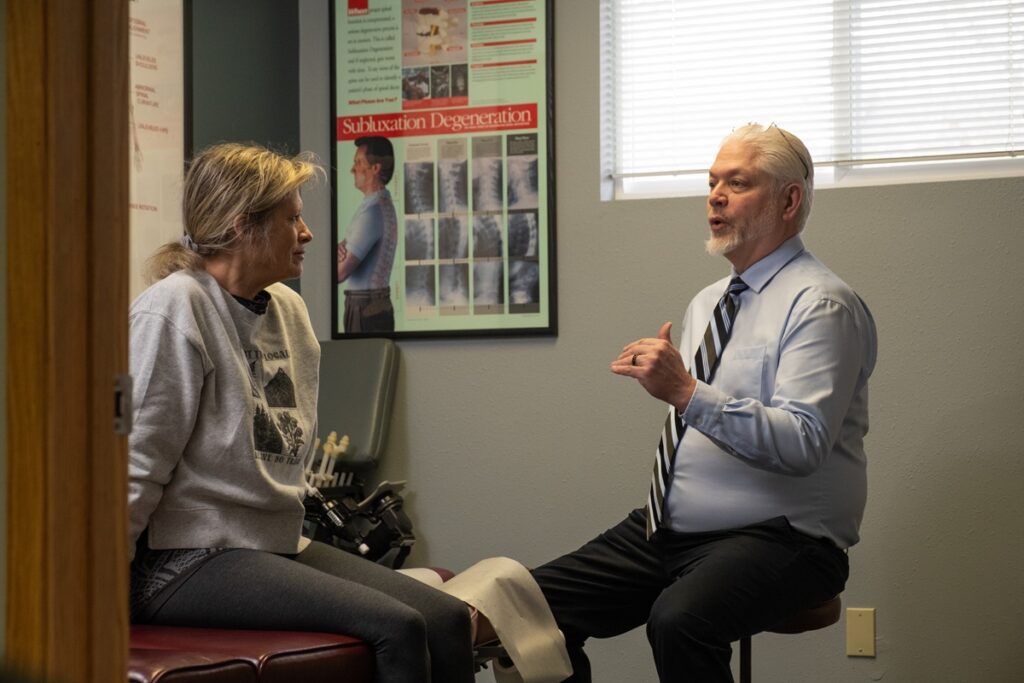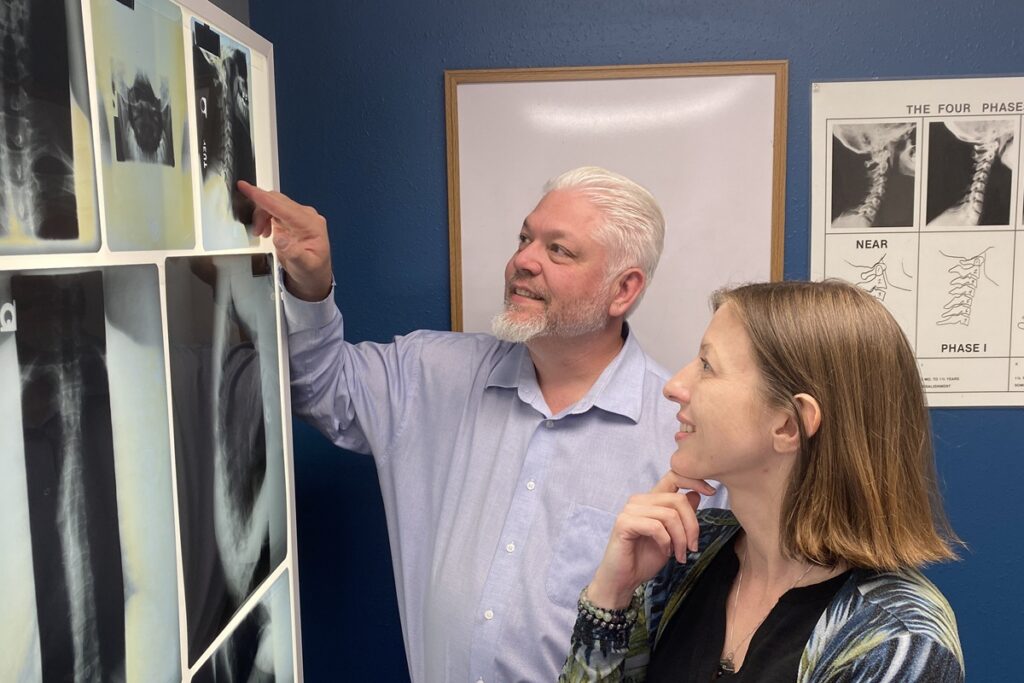

If you're experiencing back pain, I want you to know that you're not alone, and there are numerous strategies we can explore together to find relief. As a chiropractor, I often emphasize the importance of effective stretching and strengthening exercises tailored to your body. When combined with proper posture and ergonomic adjustments in your daily activities, these techniques can lead to significant improvements.
Additionally, I recommend incorporating heat and cold therapy, which can provide immediate relief for sore muscles and inflammation. Practices like yoga can also be beneficial; they enhance flexibility and build core strength, contributing to a healthier spine.
However, it's essential to recognize that each individual is unique, and what works for one person may not work for another. Understanding the methods that resonate with your specific needs can be a crucial part of your healing journey. Together, we can uncover the keys to your comfort and help you regain a pain-free life.
Understanding Back Pain Causes
As a local chiropractor, I want to help you understand back pain and its causes so you can find effective relief. Back pain can arise from numerous factors, and recognizing these can significantly aid in your recovery journey. One common culprit is muscle strain or sprain, often due to improper lifting techniques or sudden, awkward movements. If you've been active or engaged in physical labor, this could very well be the source of your discomfort.
Another key factor to consider is the ergonomics of your workspace. Spending long hours sitting without the right support can adversely affect your back. This is closely linked to lifestyle choices; a sedentary lifestyle can weaken your muscles, making you more prone to pain.
Moreover, if you've experienced any weight gain, this can place additional strain on your back, contributing to discomfort. Injuries from accidents or falls can also lead to back pain. If you've had a recent incident, it's vital to reflect on whether it might be impacting your back.
Additionally, conditions such as herniated discs or arthritis can be responsible for chronic pain, which often requires professional intervention. Don't overlook the role of stress, either. It can manifest physically, causing muscle tightness and discomfort.
Understanding how your emotional health intersects with physical well-being is crucial. By recognizing these causes, you can empower yourself to take proactive steps in addressing your back pain. This may involve modifying your daily activities, improving your workspace ergonomics, or seeking natural healing methods like chiropractic care.
Importance of Good Posture
As a local chiropractor, I want to emphasize the critical role that good posture plays in your overall well-being. Many people may not realize that maintaining proper alignment, whether you're sitting at a desk or standing throughout the day, can significantly reduce back pain and discomfort.
By making small adjustments to your posture, you can alleviate strain on your spine and the surrounding muscles, which can lead to substantial improvements in your comfort and health.
Understanding the importance of good posture is the first step toward a healthier lifestyle. With chiropractic care, we can work together to help you achieve and maintain an optimal posture, which not only enhances your physical health but can also positively impact your daily activities.
Let's explore how these simple changes can lead to a more comfortable and fulfilling life.
Benefits of Proper Alignment
As a local chiropractor, I want to emphasize the importance of maintaining proper alignment for your overall well-being, particularly regarding your back health. When your body is aligned correctly, it allows for even weight distribution across your spine. This practice significantly reduces the strain on your muscles and ligaments, ultimately lowering your risk of developing chronic pain and injuries.
Good posture isn't just about looking good; it also plays a vital role in your body's biomechanics. By keeping your spine aligned, you can enhance your range of motion and flexibility, making daily activities—like lifting, bending, or even sitting—much easier and more comfortable.
Furthermore, proper alignment promotes better circulation, allowing blood to flow freely throughout your body, which can alleviate discomfort and help you feel your best.
Another key benefit of maintaining proper alignment is the boost it gives to your confidence. Standing tall and sitting straight not only makes you look more self-assured but can also positively affect your interactions with others and improve your mental well-being.
Investing time in proper alignment is an investment in your future health. By prioritizing your alignment today, you can enjoy greater comfort and significantly reduce the likelihood of experiencing back pain down the road.
Embracing chiropractic care can lead to a healthier, pain-free tomorrow. Let's work together to enhance your alignment and overall health!
Sitting vs. Standing Posture
As your local chiropractor, I want to emphasize the importance of posture for your overall health, whether you're sitting or standing. Many patients I see experience discomfort due to poor posture, which can lead to back pain, muscle strain, and fatigue. Being mindful of your body alignment in both positions is crucial for preventing discomfort and enhancing your well-being.
When you're sitting, it's important to keep your back straight, your feet flat on the floor, and your knees at a right angle. This alignment helps maintain the natural curve of your spine and reduces the strain on your muscles. Conversely, when standing, aim to distribute your weight evenly on both feet, keep your shoulders back, and engage your core muscles.
Here are some helpful tips to maintain good posture:
- Adjust your chair: Choose ergonomic chairs that provide proper support for your lower back. This can significantly reduce stress on your spine during long periods of sitting.
- Take breaks: I recommend standing up and stretching every hour. This simple action can relieve tension and promote better circulation.
- Use a footrest: If you find yourself sitting for extended periods, consider using a footrest to elevate your feet slightly. This can help alleviate pressure on your lower back.
- Stay aware: Make it a habit to regularly check in with your posture throughout the day. Small adjustments can lead to significant improvements over time.
- Strengthen core muscles: A strong core supports your spine and helps maintain proper alignment. Incorporating core-strengthening exercises into your routine can be greatly beneficial.
Effective Stretching Techniques
Stretching is one of the most effective ways to relieve back pain and enhance your overall flexibility. As a chiropractor, I often emphasize the importance of incorporating regular stretching into your daily routine. Doing so can alleviate muscle tension and promote better posture, which is vital for maintaining spinal health.
Here are some effective stretching techniques you can easily integrate into your life.
Let's start with the Cat-Cow stretch, a wonderful way to mobilize your spine. Begin on your hands and knees, ensuring that your wrists are aligned under your shoulders and your knees under your hips. Inhale deeply as you arch your back and lift your head, creating a 'Cow' position. Then, exhale as you round your back and tuck your chin, transitioning into the 'Cat' position. Repeat this flow for 5-10 cycles, focusing on your breath and the movement of your spine.
Next, I recommend the Child's Pose. Kneel on the floor, sit back on your heels, and extend your arms forward, resting your forehead on the ground. This pose provides a gentle stretch for your lower back and allows you to relax for 30 seconds to a minute. It's a great way to release tension after a long day.
Another beneficial stretch is the Seated Forward Bend. Sit on the floor with your legs extended straight in front of you. Inhale and lengthen your spine, and as you exhale, hinge at your hips to reach toward your toes. Hold this position for 20-30 seconds, ensuring that your back remains as straight as possible. This stretch can help improve flexibility in your hamstrings and lower back.
Lastly, don't forget the Standing Forward Bend. Stand with your feet hip-width apart, hinge forward from your hips, and allow your upper body to hang down. This position can effectively release tension in both your back and hamstrings, providing a nice, soothing stretch.
By incorporating these stretches into your regular routine, you might notice a significant reduction in back pain and an improvement in your overall flexibility.
Strengthening Exercises for the Back
As a local chiropractor, I want to emphasize the importance of strengthening exercises in alleviating back pain and promoting overall spinal health. Many people aren't aware that by targeting the muscles that support your spine, you can significantly enhance stability, improve posture, and reduce the risk of future injuries.
Let me guide you through some effective exercises that you can easily incorporate into your weekly routine:
- Planks: This core-strengthening exercise is fantastic for engaging both your abdominal and back muscles. By holding a plank, you create stability and support for your spine, which is vital for everyday activities.
- Bird-Dogs: If you get down on all fours and extend one arm and the opposite leg, you're not just balancing—you're also strengthening your lower back. This exercise improves coordination and stability, which is key to maintaining a healthy spine.
- Deadlifts: When performed with proper form, deadlifts are a powerful way to target your lower back and hamstrings. This exercise helps enhance overall strength and support for your back.
- Bridges: Lying on your back with your knees bent, lifting your hips towards the ceiling works wonders for strengthening your glutes and lower back. This exercise contributes significantly to overall stability.
- Supermans: By lying face down and lifting your arms and legs off the ground simultaneously, you engage your entire back. This exercise not only strengthens your back but also promotes muscle endurance.
I recommend starting with lighter weights or focusing on bodyweight exercises, gradually increasing the intensity as you become more comfortable. Aim for at least two to three sessions per week, and ensure you allow adequate rest between workouts.
Always listen to your body; if you experience any discomfort, please consult with a healthcare professional. By consistently incorporating these strengthening exercises into your routine, you can build a stronger back, leading to reduced pain and enhanced mobility.
Utilizing Heat and Cold Therapy
As a local chiropractor, I want to share some valuable insights on how heat and cold therapy can significantly help alleviate your back pain. Many of my patients have found that incorporating these methods into their recovery routine can make a world of difference.
Heat therapy is fantastic for relaxing and soothing tight muscles. It increases blood flow to the affected area, which can promote healing and ease discomfort.
On the other hand, cold therapy is effective in reducing inflammation and numbing any sharp pain you may be experiencing. This dual approach can help you manage your symptoms more effectively.
Understanding how to apply heat and cold therapy correctly is crucial for maximizing their benefits. I'm here to guide you through these techniques and ensure you feel empowered on your journey to natural healing.
Together, we can work towards restoring your comfort and well-being!
Benefits of Heat Therapy
As a local chiropractor, I want to share with you the numerous benefits of heat therapy for alleviating back pain. Many of my patients have found it to be a comforting solution that offers both immediate relief and long-term advantages.
By applying warmth to your back, you can help relax tight muscles, enhance blood circulation, and promote healing in a natural way. Here are some key benefits you may experience:
- Muscle Relaxation: Heat therapy is excellent for easing muscle tension, which can lead to improved mobility and overall comfort.
- Pain Relief: The warmth can help diminish the perception of pain by distracting your brain from discomfort, providing a soothing effect.
- Increased Blood Flow: Applying heat encourages better blood circulation, which delivers essential nutrients and oxygen to areas that may be injured or inflamed.
- Improved Flexibility: The warmth increases your range of motion, making it easier to perform daily activities without discomfort.
- Stress Reduction: Heat can create a calming effect, helping you to unwind and alleviate stress, a common contributor to back pain.
Incorporating heat therapy into your routine is quite simple. You can use a heating pad, wrap a warm towel around your back, or even enjoy a warm bath.
Just remember to use it safely—avoid excessive heat and prolonged exposure to prevent any skin irritation.
By integrating heat therapy into your self-care practices, you're taking a proactive step towards effectively managing your back pain and enhancing your overall well-being.
If you have any questions or need further guidance, feel free to reach out during your next visit!
Advantages of Cold Therapy
As your local chiropractor, I want to share some important insights about cold therapy and its significant role in managing back pain. While heat therapy is often highlighted for its soothing effects, cold therapy shouldn't be overlooked.
Applying cold to the affected area can effectively reduce inflammation, which is frequently the underlying cause of discomfort in your back. When you experience pain, it's common for swelling to occur. Cold therapy works by constricting blood vessels, which helps limit that swelling and provides numbing relief to alleviate pain.
One of the remarkable benefits of cold therapy is its ability to interrupt the pain signals that are transmitted to your brain. When you apply ice or a cold pack, you can create a sensation of temporary numbness, delivering immediate relief. This can help you regain mobility and carry out your daily activities with less discomfort.
Additionally, cold therapy is especially beneficial after sustaining an injury. If you've recently strained your back, using cold packs can accelerate your recovery by reducing swelling and making the rehabilitation process more manageable.
The beauty of cold therapy lies in its simplicity and accessibility; you can easily utilize items such as ice packs, frozen vegetables, or even a towel soaked in cold water.
Integrating cold therapy into your pain management routine can be a powerful complement to heat therapy, creating a balanced approach to relieving back pain. As your chiropractor, I encourage you to consider these techniques as part of your natural healing journey toward improved wellness.
Application Techniques and Tips
At our chiropractic clinic, we often see patients struggling with back pain, and one of the most effective methods for relief is through the proper application of heat and cold therapy. Understanding how to use these therapies can significantly alleviate discomfort and promote healing.
Here are some important techniques and tips to help you get started:
- Heat Therapy: Applying a heating pad or a warm towel for about 15-20 minutes can be incredibly beneficial. This method helps to relax tight muscles and enhances blood circulation, which is essential for healing.
- Cold Therapy: After an injury, using an ice pack wrapped in a cloth for 15-20 minutes can provide relief by numbing the area and reducing swelling. This is particularly important in the initial stages of injury management.
- Alternating Treatments: For comprehensive pain relief, consider alternating between heat and cold therapy. This combination can't only alleviate pain but also improve your overall mobility.
- Timing is Key: It's crucial to apply cold therapy right after an injury occurs. On the other hand, heat therapy is more effective for chronic pain or muscle tension that has developed over time.
- Listen to Your Body: Always pay attention to how your body responds during these treatments. If you experience any discomfort, be sure to adjust the temperature or the duration of the application. If your pain persists, don't hesitate to reach out to a healthcare professional for further guidance.
By incorporating these techniques into your routine, you can actively participate in your healing process and improve your overall well-being.
If you have any questions or need personalized advice, our team is here to help!
Exploring Massage Therapy Benefits
As a local chiropractor, I often see patients who are struggling with back pain, and I want to share how massage therapy can be an effective complement to chiropractic care. Many individuals seek relief from discomfort through various methods, and massage therapy stands out as a popular and beneficial option.
When back pain strikes, it often results from muscle tension, leading to stiffness and discomfort. Massage therapy specifically targets these tight areas, helping to alleviate tension and encourage relaxation. A skilled massage therapist can pinpoint problem areas that you mightn't even be aware of, which can be contributing to your pain.
One of the techniques they might use is deep tissue massage. This approach focuses on the deeper layers of muscle and connective tissue, which can be especially useful for those suffering from chronic pain. By applying targeted pressure, deep tissue massage helps break up adhesions and improves blood circulation, promoting healing in the affected areas.
In addition to the physical relief that massage therapy provides, it also plays a significant role in enhancing emotional well-being. The soothing effects of a massage can help lower stress and anxiety levels, which are often linked to increased pain perception. When you're relaxed, your body is better equipped to manage pain signals.
Additionally, incorporating regular massage sessions into your wellness routine can greatly enhance your overall mobility. By loosening tight muscles and increasing flexibility, you can lower your risk of future injuries and improve your posture. It's essential to communicate openly with your therapist about your specific pain points and preferences to maximize the benefits.
In summary, integrating massage therapy with chiropractic care can be a powerful strategy for managing back pain. This holistic approach addresses both the physical and emotional dimensions of pain, ultimately fostering a greater sense of well-being and enhancing your quality of life.
If you're curious about how chiropractic care and massage therapy can work together for you, feel free to reach out for more information.
Incorporating Yoga for Relief
As a local chiropractor, I want to share with you how yoga can be an effective and natural approach to relieving back pain. Incorporating yoga into your daily routine can promote strength, flexibility, and mindfulness, all of which play a vital role in supporting your spine and overall health.
Even dedicating just a few minutes a day to yoga can yield significant improvements in your discomfort.
Here are some essential benefits of integrating yoga into your back pain relief strategy:
- Enhanced flexibility: Regular yoga practice involves stretching, which helps to increase your range of motion and reduce any stiffness you may be experiencing.
- Core strength development: Many yoga poses are designed to strengthen the core and back muscles, providing crucial support for your spine.
- Pain alleviation: Specific postures can help relieve tension in tight areas, providing comfort and reducing pain in your back.
- Stress management: Yoga emphasizes mindfulness and relaxation techniques, which can help you cope with stress that often exacerbates back pain.
- Improved posture: Engaging in yoga teaches proper alignment, which is essential for preventing strain on your back due to poor posture.
If you're new to yoga, I recommend starting with a beginner class or exploring online tutorials.
Focus on poses such as Child's Pose, Cat-Cow, and Downward-Facing Dog, as they're particularly beneficial for addressing back pain.
Always pay attention to your body and feel free to modify poses to suit your comfort level.
With consistent practice, yoga can become a valuable part of your journey toward relief and enhanced well-being.
Importance of Regular Physical Activity
As a local chiropractor, I want to emphasize the importance of regular physical activity in managing and preventing back pain. Engaging in consistent exercise is crucial because it strengthens your core muscles, which play a vital role in supporting your spine.
Additionally, physical activity enhances your flexibility and mobility, making everyday movements easier and more comfortable.
I encourage you to establish a regular exercise routine, as it can significantly improve your overall back health. By incorporating specific exercises tailored to your needs, we can work together to alleviate pain and promote natural healing.
Benefits of Exercise
As a local chiropractor, I want to share the importance of physical activity in not only strengthening your body but also in alleviating back pain—a common issue many of my patients face. Engaging in regular exercise is crucial for maintaining flexibility and improving your posture, both of which can significantly reduce discomfort in your back.
Here are some key benefits you can experience by incorporating exercise into your daily routine:
- Increased circulation: Engaging in physical activity enhances blood flow to your back muscles, which is vital for promoting healing and reducing stiffness. This improved circulation can make a noticeable difference in your overall comfort.
- Enhanced muscle strength: Exercise helps strengthen the muscles that support your spine. Stronger muscles lead to better spinal alignment and reduced strain on your back, which are fundamental in preventing and alleviating pain.
- Improved flexibility: Keeping your muscles and joints limber through regular movement makes it easier for you to perform daily activities without pain. Flexibility is key to maintaining a healthy spine.
- Reduced stress: When you engage in exercise, your body releases endorphins—natural pain relievers that can help ease tension and improve your mood. This stress relief is essential for overall wellness, including back health.
- Better sleep quality: Regular physical activity can help you fall asleep faster and enjoy deeper, more restorative sleep. Quality sleep is crucial for recovery and plays an important role in managing pain.
Incorporating these aspects of exercise into your routine can greatly enhance your chiropractic care and overall well-being.
If you have any questions or need guidance on starting an exercise program that's right for you, please don't hesitate to ask during your next visit!
Strengthening Core Muscles
As a local chiropractor, I often see patients who underestimate the significance of strengthening their core muscles.
It's crucial to understand that your core plays an essential role in supporting your spine and ensuring overall body stability. A robust core helps maintain proper posture, which can significantly reduce the strain on your back during daily activities.
When your core is weak, other muscles tend to compensate, leading to imbalances that can cause discomfort and pain.
Integrating core-strengthening exercises into your routine can greatly enhance your back health. I recommend focusing on movements like planks, bridges, and abdominal crunches.
These exercises not only engage your abdominal muscles but also your obliques and lower back, creating a well-rounded foundation of strength. Ideally, aim to challenge your core at least three times a week.
It's important to approach this at your own pace, gradually increasing the intensity as you gain strength. Consistency is essential; even short sessions can provide significant benefits over time.
Remember, a strong core not only helps alleviate back pain but also improves your performance in sports and everyday tasks, making you feel more energetic and capable.
If you're unsure where to start, don't hesitate to ask for guidance during your visits. Your journey to better health can begin with core strength!
Enhancing Flexibility and Mobility
As a local chiropractor, I want to share some valuable insights on enhancing your flexibility and mobility. Incorporating regular physical activity into your daily routine is crucial for maintaining a healthy spine and overall well-being. Staying active not only expands your range of motion but also plays a significant role in preventing stiffness and discomfort in your back.
Here are some activities that I often recommend to my patients, which can easily be integrated into your lifestyle:
- Stretching: Engaging in regular stretching exercises is key to keeping your muscles flexible and alleviating tension throughout your body. This simple practice can have a profound impact on your mobility.
- Yoga: This holistic practice not only fosters balance and strength but also significantly enhances your body's flexibility. Many of my patients find that yoga helps them connect their breath with movement, promoting relaxation and reducing stress.
- Walking: A straightforward yet powerful way to maintain mobility, walking improves circulation and keeps your joints healthy. It's a gentle exercise that can be easily incorporated into your everyday life.
- Swimming: The buoyancy of water provides a supportive environment that reduces strain on your back while delivering a comprehensive workout for your entire body. Swimming is an excellent low-impact option for enhancing your overall fitness.
- Pilates: This method emphasizes core strength and flexibility, both of which are essential for maintaining a healthy back. Many patients experience improved posture and reduced back pain through Pilates practice.
By integrating these activities into your routine, you can take important steps toward enhancing your flexibility and mobility, which ultimately supports your spinal health and overall quality of life.
Ergonomic Adjustments at Work
As a local chiropractor, I want to share some essential tips for creating an ergonomic workspace that can significantly reduce back pain and enhance your comfort throughout your workday.
First and foremost, it's vital to ensure that your chair is adjusted correctly. Your feet should rest flat on the floor, and your knees should form a 90-degree angle. If your chair lacks adequate lumbar support, consider using a specialized cushion or a rolled towel to help maintain the natural curve of your lower back.
Next, let's talk about the positioning of your desk and computer monitor. Ideally, your monitor should be at eye level. This adjustment helps keep your neck in a neutral position, minimizing strain. If you're using a laptop, I highly recommend investing in a stand, as well as an external keyboard and mouse, to achieve the proper height.
Remember, while typing, your elbows should also be at a 90-degree angle, and your wrists should remain straight to prevent unnecessary strain.
It's equally important to take regular breaks. I encourage you to stand, stretch, or walk around for a few minutes every hour. These small breaks can significantly improve blood circulation and relieve tension in your back muscles.
If you find yourself sitting for extended periods, consider using a footrest to promote better posture and alleviate pressure on your lower back.
Lastly, be conscious of your posture throughout the day. Sit back in your chair with your shoulders relaxed and your back straight. If you catch yourself slouching, set reminders to check and correct your posture.
These small adjustments can make a world of difference in your overall well-being and comfort at work. Remember, your spine is a vital component of your health, and taking these steps can help you maintain a healthier back.
When to Seek Professional Help
As a local chiropractor dedicated to your health and well-being, it's important to understand when to seek professional help for back pain. Many cases of back pain can be effectively managed at home, but there are specific symptoms that indicate it's time to consult a healthcare professional like me. Ignoring these signs can lead to more serious issues that could hinder your natural healing process.
Here are some key indicators that you should consider scheduling an appointment:
- Pain that persists for more than a few weeks and doesn't seem to improve.
- Severe discomfort that doesn't alleviate with rest or over-the-counter pain relievers.
- Experiences of numbness, tingling, or weakness in your legs alongside your back pain.
- Difficulty standing or walking due to the intensity of the pain.
- Unexplained weight loss or fever occurring with your back pain.
These symptoms can point to underlying issues such as herniated discs, spinal stenosis, or even infections, which require immediate attention.
As a chiropractor, I can provide a thorough assessment to determine the root cause of your pain. By understanding your unique situation, I can recommend a personalized treatment plan that may include spinal adjustments, physical therapy, and natural healing techniques to get you back on track.
Conclusion
As your local chiropractor, I want to share some valuable techniques that can significantly relieve back pain and enhance your overall well-being. It's crucial to start by focusing on maintaining good posture throughout your daily activities. This simple adjustment can make a world of difference.
In addition, incorporating effective stretching and strengthening exercises into your routine is essential for supporting your spine and reducing discomfort. Don't underestimate the power of heat and cold therapy; these methods can provide immediate relief and aid in recovery.
Regular physical activity is another key factor in managing back pain. I also recommend making ergonomic adjustments in your workplace to create a more supportive environment for your back.
If you find that your pain persists despite these efforts, I encourage you to reach out for professional help. As a chiropractor, I can provide personalized care and guidance tailored to your specific needs. Take charge of your back health today, and let's work together towards a more active and pain-free life!