
You might not realize just how pivotal chiropractors can be in preventing chronic diseases. By focusing on spinal alignment and overall wellness, they help enhance your mobility and flexibility. They also provide personalized nutritional guidance and stress reduction strategies that can empower you to take control of your health. Plus, their collaborative approach with other health professionals guarantees a thorough care plan tailored to your needs. Curious about the specific techniques and benefits they offer? There's much more to explore in how these practices can make a significant impact on your long-term health.
Spinal Alignment Benefits
Many people underestimate the importance of spinal alignment in maintaining overall health. When your spine is aligned properly, it plays a vital role in your body's overall functioning. You mightn't realize it, but every nerve in your body travels through your spine, connecting to various organs and systems. Poor alignment can disrupt these signals, leading to a host of health issues.
By prioritizing spinal alignment, you're not just focusing on back pain relief; you're actively supporting your immune system and overall wellness. With the right adjustments, you can boost your body's ability to fend off illnesses. That means fewer sick days and more energy to tackle your daily activities.
Additionally, good spinal alignment can enhance your posture. When you stand tall and align your spine correctly, you're less likely to strain muscles, which reduces the risk of injuries. It's easier for you to move with confidence and grace, allowing you to engage in physical activities without hesitation.
Regular chiropractic care helps maintain proper alignment, ensuring your nervous system functions effectively. You'll find that this not only improves your physical health but also positively impacts your mental state.
With a well-aligned spine, you may experience reduced stress and anxiety, leading to an improved quality of life.
Enhanced Mobility and Flexibility
When you improve your joint function, you'll notice a significant boost in your overall mobility.
This increased range of motion not only enhances your daily activities but also plays an essential role in preventing chronic diseases.
Improved Joint Function
How can improved joint function enhance your overall well-being? When your joints function properly, you experience less pain and discomfort, allowing you to engage in daily activities with greater ease.
This improved functionality not only helps in maintaining an active lifestyle but also reduces the risk of developing chronic diseases related to inactivity, such as obesity, diabetes, and heart disease.
Chiropractors play an essential role in enhancing joint function through targeted adjustments and therapies. By aligning your spine and joints, they help alleviate pressure on nerves and improve blood flow to the affected areas.
This can lead to decreased inflammation and pain, enabling you to move more freely and efficiently.
Additionally, better joint function can positively impact your posture and balance, further reducing the risk of injuries. When your joints are functioning correctly, you're less likely to experience the stiffness and fatigue that often accompany chronic conditions.
Incorporating chiropractic care into your wellness routine can be a proactive step toward preventing chronic diseases.
Increased Range of Motion
Enhanced mobility and flexibility are fundamental components of overall health, closely linked to improved joint function. When you have an increased range of motion, you can move more freely and comfortably in your daily activities. This not only enhances your quality of life but also plays a significant role in preventing chronic diseases.
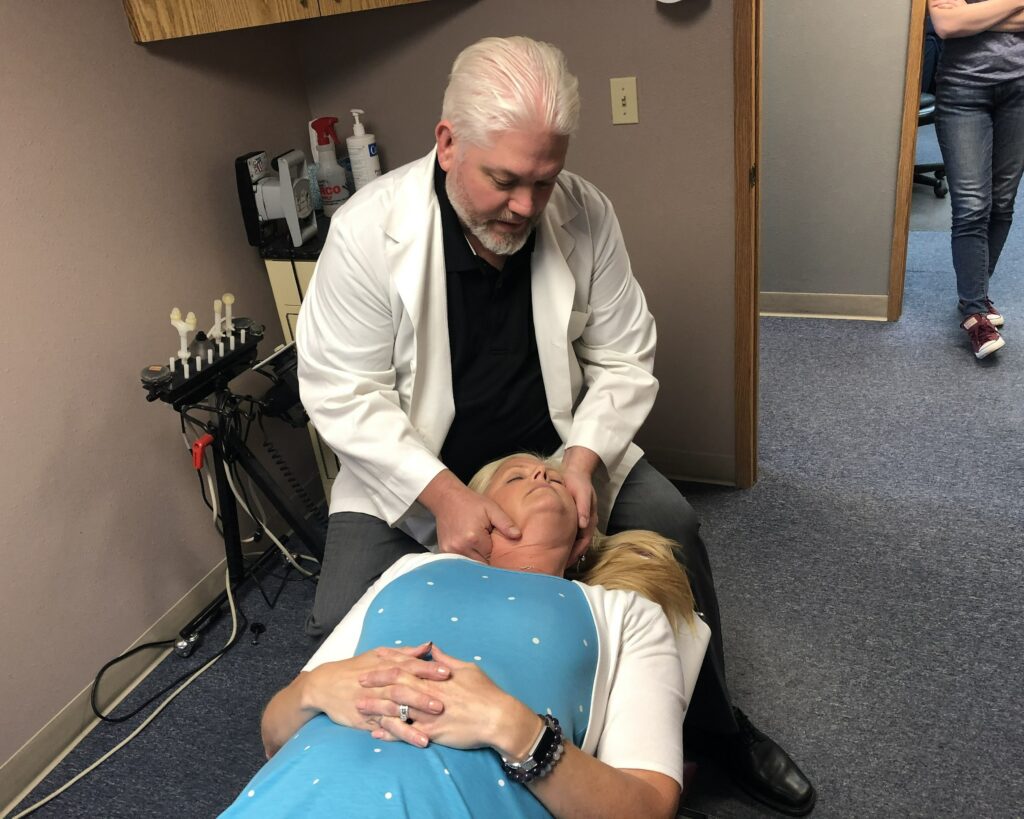
Chiropractors use various techniques to help you achieve greater flexibility and mobility. Through targeted adjustments, they can realign your spine and joints, reducing tension and promoting better movement patterns. This adjustment can alleviate restrictions that may limit your range of motion.
Incorporating stretching and strength-building exercises into your routine is also essential. Chiropractors often guide you in developing a personalized exercise plan tailored to your needs. This approach not only helps in maintaining flexibility but also strengthens the muscles surrounding your joints, further enhancing your mobility.
As you work on increasing your range of motion, you'll likely find that you experience less pain and stiffness. Improved mobility means you can engage in activities you love, reducing the risk of chronic conditions related to inactivity.
In this way, chiropractors effectively support your journey toward better health.
Pain Management Techniques
In the domain of chronic disease prevention, effective pain management techniques play an essential role in improving your quality of life. Chiropractors utilize a variety of methods to help you manage pain stemming from chronic conditions, allowing you to maintain a more active and fulfilling lifestyle.
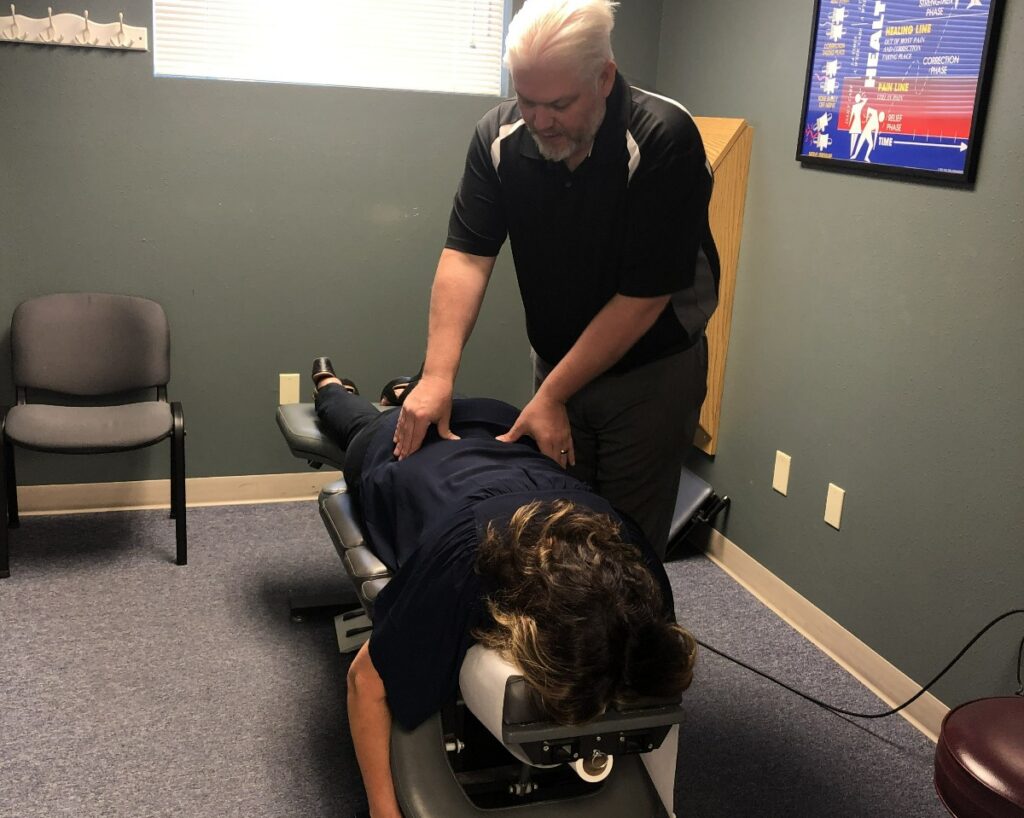
One of the primary techniques chiropractors employ is spinal manipulation. This hands-on approach realigns your spine, alleviating pressure on nerves and reducing pain. By restoring proper function to your musculoskeletal system, you can experience considerable relief from chronic pain.
In addition to spinal adjustments, chiropractors often incorporate soft tissue therapies. These techniques target tight muscles and fascia, helping to release tension and improve circulation. You might find that methods like massage or myofascial release can help ease pain and enhance mobility.
Another valuable technique is the use of therapeutic exercises. Chiropractors design personalized exercise programs that strengthen your muscles, improve flexibility, and support your overall physical health. By actively engaging in these exercises, you can gain better control over your pain and prevent future flare-ups.
Chiropractors also emphasize the importance of posture and body mechanics. They educate you on proper alignment and ergonomics, which can greatly impact your daily activities and reduce strain.
Nutritional Guidance
Nutrition plays an essential role in chronic disease prevention, and chiropractors are well-equipped to provide guidance tailored to your individual needs. They understand that what you eat can greatly impact your overall health and can help you make informed dietary choices.
By evaluating your lifestyle, health history, and any specific conditions, chiropractors can suggest nutritional strategies that suit you best. Chiropractors often emphasize whole foods, encouraging you to include plenty of fruits, vegetables, lean proteins, and whole grains in your diet.
They may also help you identify food sensitivities or allergies that could contribute to chronic health issues. By eliminating harmful foods and incorporating nutrient-dense options, you can boost your immune system and lower the risk of developing chronic diseases like heart disease, diabetes, and obesity.
Additionally, chiropractors may educate you about essential nutrients and supplements that support your health. They can discuss the importance of vitamins, minerals, and antioxidants in combating inflammation and promoting healing.
You might find that small dietary changes lead to considerable improvements in your energy levels, mood, and overall wellness.
Stress Reduction Strategies
When it comes to managing stress, incorporating mindfulness and meditation techniques can make a significant difference in your daily life.
Additionally, regular physical activity not only boosts your mood but also helps you cope with stress more effectively.
Let's explore how these strategies can enhance your overall well-being.
Mindfulness and Meditation Techniques
Explore mindfulness and meditation techniques to effectively reduce stress and enhance your overall well-being. These practices help you cultivate a greater awareness of your thoughts and emotions, allowing you to respond to stressors more calmly.
Start with deep breathing exercises. Take a few moments each day to focus on your breath—inhale deeply through your nose, hold for a count of four, and exhale slowly through your mouth. This simple practice can ground you, creating a calm space in your mind.
Next, try guided meditation. You can find numerous apps and online resources that offer meditations ranging from a few minutes to longer sessions. These guided practices can help you develop focus and relaxation, making it easier to cope with daily stress.
Incorporate mindfulness into your daily routine by paying attention to your surroundings. Whether you're eating, walking, or just sitting, focus on the sensations, sounds, and sights around you. This heightened awareness can help reduce anxiety and promote a sense of peace.
Physical Activity Recommendations
Engaging in regular physical activity is a powerful way to complement mindfulness and meditation practices for reducing stress. Incorporating exercise into your routine can boost your mood, enhance your energy levels, and improve overall physical health.
Aim for at least 150 minutes of moderate-intensity aerobic activity each week, like brisk walking or cycling. This can be broken down into manageable sessions, such as 30 minutes a day, five days a week.
Strength training is also essential; it can be done twice a week and includes exercises like weight lifting or bodyweight workouts. Not only does physical activity help alleviate stress, but it can also improve your sleep patterns, making it easier to manage daily challenges.
Consider activities that you enjoy, whether it's dancing, swimming, or yoga. Finding joy in movement helps maintain consistency.
Don't forget to listen to your body; if you feel tired or sore, allow yourself recovery time.
Exercise and Rehabilitation
Chiropractors play an essential role in promoting exercise and rehabilitation as important components of chronic disease prevention. They understand that regular physical activity can greatly reduce your risk of developing chronic conditions like diabetes, heart disease, and obesity. By evaluating your unique needs, chiropractors can help you create an effective exercise plan tailored to your fitness level and health goals.
When you visit a chiropractor, they'll often evaluate your posture, movement patterns, and overall physical condition. This evaluation allows them to identify any limitations or areas of concern that could hinder your ability to exercise safely.
Once they understand your needs, they can recommend specific exercises that enhance your strength, flexibility, and endurance.
Rehabilitation exercises are also essential if you're recovering from an injury or surgery. Chiropractors guide you through a structured rehabilitation program designed to restore function and prevent future injuries.
By incorporating specific movements and techniques, they make sure that you not only heal but also build a solid foundation for ongoing physical activity.
Furthermore, chiropractors emphasize the importance of consistency and progression in your exercise routine. They'll encourage you to gradually increase your activity levels, making sure your body adapts and becomes stronger over time.
This approach not only aids in chronic disease prevention but also improves your overall quality of life. By working closely with a chiropractor, you're taking proactive steps towards a healthier future through exercise and rehabilitation.
Lifestyle Modifications
Making small but impactful lifestyle modifications can greatly enhance your health and reduce the risk of chronic diseases. Chiropractors often emphasize the importance of these changes, as they can lead to significant improvements in your well-being over time.
By adopting healthier habits, you're not just managing symptoms but actively working to prevent chronic conditions.
Here are three effective lifestyle modifications you can implement:
- Balanced Diet: Eating a diet rich in whole foods, fruits, and vegetables can provide essential nutrients that support your immune system. Aim to reduce processed foods and sugary beverages, as they can contribute to inflammation and weight gain.
- Regular Physical Activity: Incorporating regular exercise into your routine helps maintain a healthy weight and improves cardiovascular health. Whether it's walking, swimming, or yoga, find an activity you enjoy, and make it a consistent part of your life.
- Stress Management: Chronic stress can lead to various health issues. Practice stress reduction techniques like mindfulness, meditation, or deep breathing exercises.
Even taking short breaks throughout your day can help you manage stress more effectively.
Holistic Health Education
As you explore the concept of holistic health education, you'll discover how it integrates physical, mental, and emotional well-being into a thorough approach to health. Chiropractors focus on educating you about the interconnectedness of these aspects, helping you understand that each influences the others. This education empowers you to take an active role in your health journey.
You'll learn about the importance of maintaining proper posture, engaging in regular physical activity, and managing stress. Chiropractors often provide tailored advice on exercise routines that not only strengthen your body but also enhance your mental clarity. They emphasize the importance of nutrition, guiding you toward choices that support both your physical health and emotional balance.
Through workshops and one-on-one sessions, chiropractors teach you how to recognize early signs of stress or imbalance, encouraging proactive measures instead of reactive ones. This kind of education fosters a mindset of prevention, making you more aware of how daily habits impact your long-term health.
Moreover, holistic health education encourages you to cultivate mindfulness practices, such as meditation and deep-breathing exercises, which can greatly reduce stress and promote emotional stability. By integrating these practices into your daily routine, you'll find it easier to maintain a sense of balance in your life.
Collaboration With Other Health Professionals
Collaboration among health professionals plays an essential role in chronic disease prevention and management. When chiropractors work alongside other healthcare providers, it enhances the quality of care you receive. This teamwork allows for a thorough approach to your health, addressing not only spinal health but also overall wellness.
Here are three key benefits of such collaboration:
- Holistic Treatment Plans: By sharing insights and strategies, chiropractors, nutritionists, and medical doctors can create integrated treatment plans. This guarantees that all aspects of your health, from diet to physical activity, are considered.
- Improved Communication: When healthcare professionals communicate effectively, it minimizes the risk of conflicting treatments and maximizes your understanding of your health conditions. You'll find it easier to adhere to treatment protocols when everyone is on the same page.
- Referral Networks: Chiropractors can identify when you might need additional support, whether it's from a physical therapist, a specialist, or another healthcare provider. This referral system not only streamlines your care but also guarantees that you receive the best possible support for your chronic conditions.
Regular Health Assessments
Regular health assessments are a key component of effective chronic disease prevention. When you schedule regular visits to your chiropractor, you're not just addressing current issues; you're proactively monitoring your overall health. These assessments allow your chiropractor to identify potential risk factors for chronic diseases such as diabetes, hypertension, and cardiovascular issues before they become serious.
During these evaluations, your chiropractor will review your medical history, assess your lifestyle choices, and conduct physical examinations to gauge your body's function. They'll look at your posture, spinal alignment, and range of motion, which can reveal underlying concerns that you mightn't even be aware of. By catching these issues early, you can take action to mitigate risks.
In addition to physical assessments, your chiropractor can offer valuable insights into nutrition and exercise. They'll discuss how your daily habits may impact your long-term health and suggest practical changes tailored to your needs. This personalized approach empowers you to take control of your health.
Regular assessments also help build a strong patient-chiropractor relationship, fostering open communication about your health goals. You'll feel more supported in your journey towards wellness, which is critical in preventing chronic diseases.
Conclusion
Incorporating chiropractic care into your wellness routine can considerably support chronic disease prevention. By focusing on spinal alignment, mobility, and personalized nutrition, chiropractors empower you to take charge of your health. They also offer stress reduction strategies and lifestyle modifications that enhance your overall well-being. Collaborating with other health professionals, they guarantee a thorough approach to your health. Embrace these benefits and make proactive choices to lead a healthier, more vibrant life.