
You might not realize how much preventative care can transform your experience with chronic pain. By focusing on early intervention and tailored strategies, you can tackle the root causes rather than just the symptoms. This proactive approach doesn't just alleviate discomfort; it can enhance your overall well-being. However, understanding the specific methods that work best for you is essential. What if there are simple changes you can make today that could greatly impact your pain management tomorrow?
Understanding Chronic Pain
Chronic pain often lingers long after an injury has healed, making it a complex condition that's hard to understand. You might find yourself grappling with ongoing discomfort that doesn't seem to relate to any current injury or illness. This persistent pain can stem from various sources, including nerve damage, inflammation, or even psychological factors.
Unlike acute pain, which serves a protective function, chronic pain often loses its original purpose and becomes a condition in its own right.
You may experience chronic pain in numerous ways—sharp, dull, throbbing, or burning. It can affect any part of your body, from your back to your joints, and might vary in intensity from day to day. This unpredictability can be frustrating, as you mightn't know how you'll feel each morning.
Coping with chronic pain often involves understanding its nature, which can be just as challenging as managing it. You might question why the pain persists despite treatment or what triggers your flare-ups.
It's crucial to remember that each person's experience is unique. Factors like genetics, lifestyle, and emotional health can all play significant roles in how you perceive and manage your pain.
Recognizing that chronic pain is a multifaceted issue can empower you. By educating yourself and communicating openly with healthcare professionals, you can begin to take control of your pain management journey and explore effective coping strategies tailored to your specific situation.
The Role of Preventative Care
Preventative care plays an essential role in managing chronic pain, especially through early intervention.
By making lifestyle modifications, you can greatly reduce the risk of pain flare-ups and improve your overall well-being.
Taking these proactive steps now can lead to a more manageable future.
Importance of Early Intervention
Early intervention is essential in managing pain effectively and can greatly alter your quality of life. When you address pain early on, you can prevent it from escalating into a chronic condition that might require more intensive treatment. By recognizing symptoms and seeking help promptly, you're taking important steps toward better health.
You may not realize it, but acting quickly can markedly reduce the physical and emotional toll that pain can take on you. Early intervention often includes strategies like physical therapy, medication management, or lifestyle changes that can halt the progression of pain. These proactive measures empower you, giving you control over your health and well-being.
Moreover, early intervention helps in identifying the underlying causes of your pain. By pinpointing the source, you can work with healthcare professionals to develop a tailored treatment plan that addresses your specific needs. This personalized approach not only alleviates pain but also enhances your overall quality of life.
Incorporating early intervention into your pain management strategy guarantees you're not just reacting to pain but actively preventing it from disrupting your daily activities.
Lifestyle Modifications for Prevention
Making small yet impactful lifestyle modifications can greatly aid in preventing pain and enhancing your overall health. By taking proactive steps, you can create a healthier environment for your body and mind.
Here are four key lifestyle changes to reflect on:
- Stay Active: Regular physical activity strengthens muscles and improves flexibility, reducing the risk of injury and chronic pain.
- Eat a Balanced Diet: A diet rich in fruits, vegetables, whole grains, and lean proteins can help reduce inflammation and support overall health.
- Practice Stress Management: Techniques like meditation, deep breathing, and yoga can help you manage stress, which often contributes to chronic pain.
- Prioritize Sleep: Quality sleep is essential for recovery and pain management. Aim for 7-9 hours of uninterrupted sleep each night.
Incorporating these modifications into your daily routine can greatly decrease your risk of chronic pain.
Benefits of Physical Therapy
Physical therapy offers numerous benefits for managing chronic pain, helping you regain mobility and improve your quality of life. One of the primary advantages of physical therapy is its focus on personalized treatment plans. Your therapist will assess your specific condition, identify the root causes of your pain, and tailor exercises that suit your needs. This individualized approach guarantees that you're not just treating symptoms but addressing the underlying issues.
Another key benefit is the education you receive about your body and pain management techniques. You'll learn valuable strategies to manage pain effectively, including proper body mechanics and posture. This knowledge empowers you to take control of your situation, reducing reliance on medications and invasive procedures.
Physical therapy also emphasizes strength and flexibility training, which can be essential for pain relief. By building strength in your muscles and improving flexibility in your joints, you can alleviate pressure on painful areas. This not only helps reduce pain but also minimizes the risk of future injuries.
Moreover, physical therapy often incorporates modalities like heat, cold, and electrical stimulation, which can provide immediate relief and enhance your treatment. These techniques can promote healing and improve circulation, further contributing to your recovery.
Lastly, engaging in physical therapy can foster a supportive environment. You'll connect with professionals who understand your struggle and other patients who share similar challenges, creating a sense of community.
Importance of Regular Exercise
Regular exercise plays an essential role in managing chronic pain and can complement the benefits gained from physical therapy. When you commit to a regular exercise routine, you not only strengthen your body but also enhance your overall well-being.
Here are four key benefits of incorporating exercise into your pain management plan:
- Improves Flexibility: Regular movement helps keep your joints and muscles flexible, reducing stiffness and increasing your range of motion.
- Boosts Mood: Exercise releases endorphins, the "feel-good" hormones. This natural boost can help combat feelings of depression or anxiety that often accompany chronic pain.
- Enhances Strength: Building muscle strength through targeted exercises can provide better support for your joints, reducing the strain on them and helping to alleviate pain.
- Promotes Better Sleep: Engaging in physical activity can improve the quality of your sleep, which is vital for recovery and pain management. A good night's rest can make a significant difference in how you feel throughout the day.
Nutrition and Pain Management
While managing chronic pain often requires a multifaceted approach, nutrition plays an essential role in supporting your overall health and reducing inflammation. What you eat can markedly influence your pain levels and overall well-being. Incorporating anti-inflammatory foods into your diet can help reduce pain and improve your quality of life.
Start by adding plenty of fruits and vegetables to your meals. Leafy greens, berries, and citrus fruits are packed with antioxidants that combat inflammation. Omega-3 fatty acids, found in fatty fish like salmon and walnuts, can also help lessen pain.
Don't forget whole grains, which provide fiber and nutrients that support your digestive health. You might want to limit processed foods, sugars, and saturated fats, as these can exacerbate inflammation. Instead, focus on a balanced diet rich in whole foods.
Herbs and spices like turmeric and ginger can be powerful allies in your fight against pain, thanks to their natural anti-inflammatory properties. Stay hydrated, too! Drinking enough water is vital for overall health and can help keep your joints lubricated.
Consider consulting a nutritionist who can tailor a dietary plan to your specific needs and pain conditions. Finally, keep track of how different foods affect your pain levels. Everyone's body reacts differently, so what works for one person mightn't work for you.
Mindfulness and Stress Reduction
Mindfulness and stress reduction are vital components in managing chronic pain effectively. When you integrate these practices into your daily routine, you can greatly improve your pain levels and overall quality of life.
Here are four key benefits of mindfulness and stress reduction techniques:
- Enhanced Emotional Regulation: Mindfulness helps you observe your thoughts and feelings without judgment, allowing you to respond to pain with greater calmness.
- Decreased Muscle Tension: By practicing relaxation techniques, you can reduce the physical tension in your body, which often exacerbates chronic pain.
- Improved Focus: Mindfulness encourages you to be present. This focus can distract you from pain and help you engage more fully in your daily activities.
- Better Sleep Quality: Stress reduction techniques can improve your sleep, which is essential for pain management and overall well-being.
To get started, try incorporating mindfulness exercises such as meditation, yoga, or deep-breathing exercises into your routine.
Even spending a few minutes each day focusing on your breath can create a sense of calm. Additionally, consider journaling about your experiences and emotions surrounding your pain. This practice can help you identify triggers and patterns, making it easier to manage your pain.
Integrating mindfulness and stress reduction into your life isn't just beneficial; it's transformative.
Sleep's Impact on Pain
When you're struggling with chronic pain, the quality of your sleep can make a big difference.
Poor sleep not only intensifies your pain but can also lead to sleep disorders that complicate your situation.
Understanding this connection is essential for managing both your sleep and your pain effectively.
Sleep Quality and Pain
Sleep plays an essential role in managing chronic pain, as inadequate rest can exacerbate your discomfort. When you don't get enough quality sleep, your body's ability to heal and cope with pain diminishes.
Here are four key ways sleep quality impacts your pain levels:
- Inflammation: Poor sleep can increase inflammation in your body, leading to heightened pain sensitivity.
- Pain Tolerance: Lack of sleep reduces your pain tolerance, making it harder to cope with chronic pain.
- Mood Regulation: Sleep deprivation can negatively affect your mood, contributing to anxiety and depression, which can further amplify your pain experience.
- Recovery: Sleep is vital for physical recovery and repair, meaning that inadequate rest can slow down your healing process.
To improve your sleep quality, establish a regular sleep schedule, create a comfortable sleep environment, and incorporate relaxation techniques before bed.
By prioritizing your sleep, you can take a significant step toward managing chronic pain more effectively and enhancing your overall well-being.
Sleep Disorders and Pain
Many individuals with chronic pain also grapple with sleep disorders, creating a vicious cycle that can intensify their discomfort. When you struggle to get a good night's sleep, it can exacerbate your pain, leading to increased fatigue, irritability, and reduced functionality.
You may find that pain keeps you awake at night, while poor sleep makes your pain feel worse during the day. Understanding this connection is essential for managing your overall health.
Sleep deprivation affects your body's ability to heal, making it harder for you to cope with pain. It also influences your mood and stress levels, potentially leading to a heightened perception of pain.
To break this cycle, focus on improving your sleep hygiene. Create a calming bedtime routine, stick to a consistent sleep schedule, and limit exposure to screens before bed. Engaging in relaxation techniques, like deep breathing or meditation, can also help.
Alternative Therapies to Consider
Exploring alternative therapies can open up new avenues for managing chronic pain. These therapies can complement traditional treatments, providing you with a holistic approach to pain relief.
Here are four alternative therapies you might consider:
- Acupuncture: This ancient practice involves inserting thin needles into specific points on the body. Many people find it helps reduce pain and improve overall well-being.
- Massage Therapy: Regular massages can help alleviate muscle tension and improve circulation. Consider incorporating different techniques, like deep tissue or Swedish massage, to see what works best for you.
- Yoga and Tai Chi: These mind-body practices promote flexibility, strength, and relaxation. They can also help you develop better body awareness, which is crucial for managing chronic pain.
- Herbal Supplements: Some herbs, like turmeric and ginger, have anti-inflammatory properties that may help reduce pain. Always consult your healthcare provider before trying new supplements to verify they're safe and effective for your situation.
When exploring these therapies, keep in mind that individual results can vary. It's important to consult with your healthcare provider to discuss which options align best with your overall treatment plan.
Building a Support System
Building a strong support system is essential for managing chronic pain effectively.
You'll benefit from social connections that provide emotional backing, and seeking professional guidance can offer valuable insights.
Plus, communicating your needs clearly helps others understand how they can best support you.
Importance of Social Connections
Strong social connections are vital for managing chronic pain effectively. When you surround yourself with supportive friends and family, you create a network that can help you cope with the emotional and physical challenges of chronic pain.
Here are four key benefits of building those connections:
- Emotional Support: Sharing your feelings and experiences with others can alleviate feelings of isolation and loneliness. When you open up, you often find understanding and compassion.
- Practical Assistance: Friends and family can help with daily tasks, making it easier to manage your pain. Whether it's running errands or lending a hand at home, this support can lighten your load.
- Encouragement: A strong support system can motivate you to stick to your treatment plans and engage in activities that promote healing, like exercise or mindfulness.
- Shared Experiences: Connecting with others who understand chronic pain can provide valuable insight and coping strategies, helping you feel less alone in your journey.
Fostering these relationships can greatly impact your quality of life, making it essential to invest time and energy into building a solid support system.
Seeking Professional Guidance
When managing chronic pain, seeking professional guidance can enhance your support system greatly. Engaging with healthcare providers, such as doctors, physical therapists, and pain specialists, gives you access to expert advice tailored to your specific situation.
These professionals can help you design a thorough pain management plan, addressing both the physical and emotional aspects of your condition.
In addition to medical professionals, consider seeking support from mental health specialists. Chronic pain often impacts mental well-being, and a therapist can provide coping strategies to help you navigate these challenges.
Support groups, whether in-person or online, can also be invaluable. Connecting with others who share similar experiences allows you to exchange tips and emotional support.
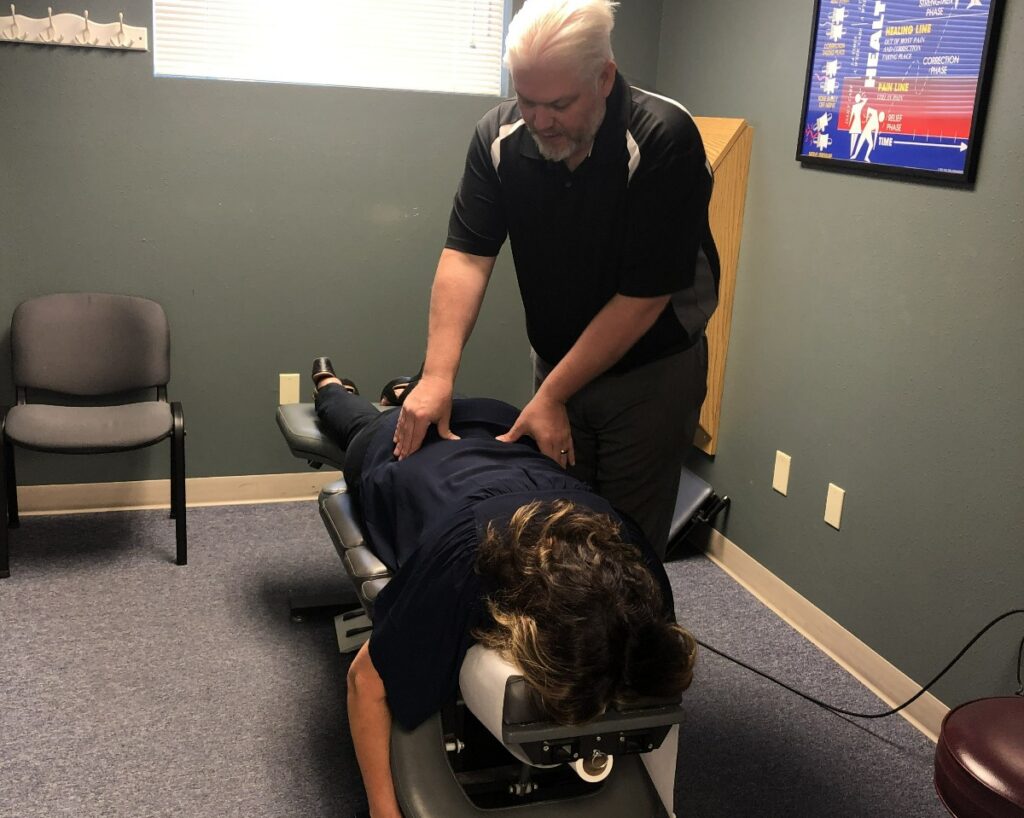
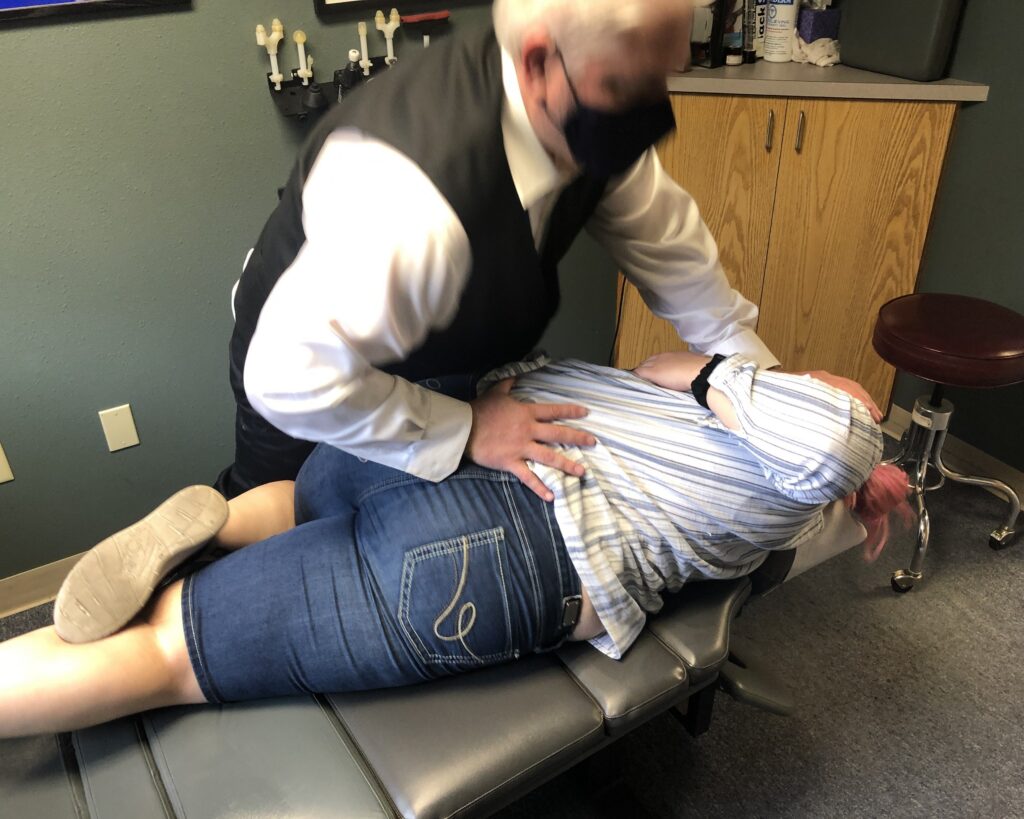
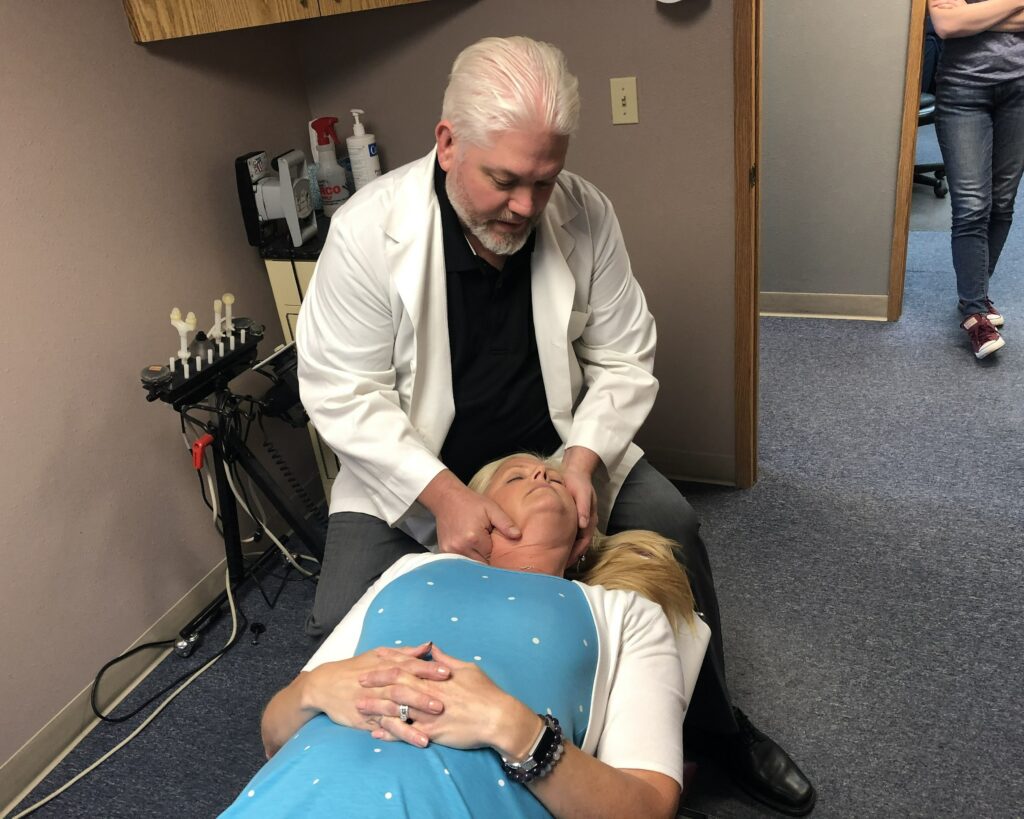
Don't hesitate to explore alternative therapies, such as acupuncture or chiropractic care. These options can complement traditional treatments and offer additional relief.
Communicating Needs Effectively
Effectively communicating your needs is essential in building a supportive network for managing chronic pain. When you express your feelings, concerns, and limitations clearly, you enable those around you to understand how best to support you.
Here are four key strategies to enhance your communication:
- Be Honest: Share your pain levels and emotional state openly. Honesty fosters trust and understanding.
- Use "I" Statements: Frame your needs by focusing on your experiences. For example, say "I need help with daily tasks" instead of "You never help me."
- Set Clear Boundaries: Let others know what you can and can't do. This prevents misunderstandings and builds respect for your limits.
- Ask for Specific Support: Instead of general requests, specify what you need. For example, "Can you help me with grocery shopping this week?" is more effective than "I need help."
Tracking Progress and Adjustments
Tracking progress in managing chronic pain is crucial for understanding what works and what doesn't in your treatment plan. By keeping a detailed record of your symptoms, triggers, and responses to various treatments, you can make informed decisions about your care.
Start by maintaining a pain journal. Note the intensity of your pain each day, any activities that aggravated it, and the effectiveness of medications or therapies you've tried. This consistent documentation will help you and your healthcare provider identify patterns and make necessary adjustments.
Regularly reviewing this information with your doctor is imperative. Schedule periodic check-ins to discuss your progress and any changes in your symptoms. These conversations enable you to fine-tune your treatment plan, ensuring it meets your needs.
Don't hesitate to bring up any new symptoms or concerns; open communication is key to effective management.
Additionally, consider using apps or digital tools designed to track chronic pain. They can simplify the process and even provide insights through data visualization, helping you see trends over time.
Conclusion
By prioritizing preventative care, you can take control of your chronic pain and enhance your quality of life. Embrace the benefits of physical therapy, regular exercise, and a balanced diet while exploring alternative therapies that resonate with you. Don't underestimate the power of a strong support system and tracking your progress. With these proactive strategies, you'll empower yourself to manage pain more effectively and maintain a healthier, more fulfilling life. Start making these changes today!