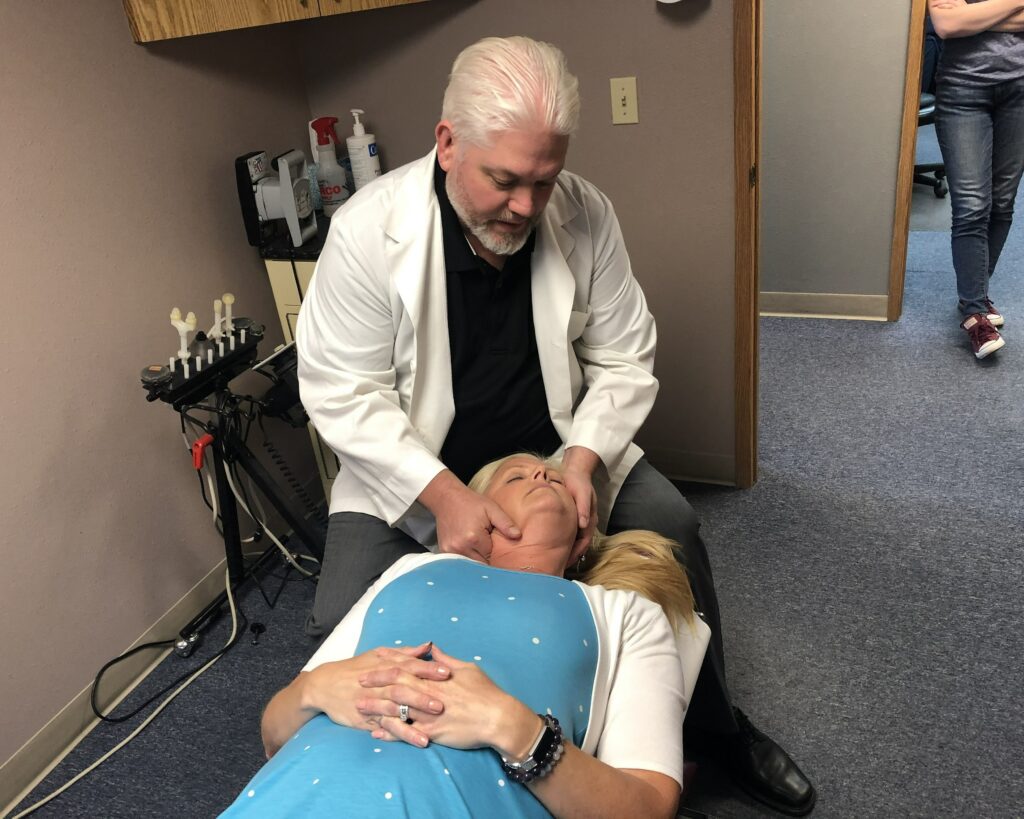

As a local chiropractor, I understand how chronic back pain can deeply impact your everyday life. It's not just about the physical discomfort; it can lead to frustration and hinder your ability to enjoy daily activities. Many people are unaware that by exploring the root causes of your pain and making some simple lifestyle adjustments, you can find relief.
Imagine being able to transform your pain into manageable discomfort through natural healing techniques that prioritize your well-being. What if I told you that the key to alleviating your pain might be changes you can start implementing today?
In my practice, I focus on educating patients about the benefits of chiropractic care and how it can help restore balance and health to your body. Together, we can explore effective strategies tailored to your needs, helping you reclaim your life and improve your overall health. Let's take the first step towards a pain-free future together!
Understanding Chronic Back Pain
When it comes to chronic back pain, I understand that it can feel incredibly overwhelming for many of you, especially since it may persist for months or even years. As a chiropractor, I believe that understanding the nature of your pain is crucial for finding effective relief. Chronic back pain isn't just a symptom; it's a condition that can stem from various underlying issues, such as injuries, degenerative diseases, or even lifestyle habits.
You may notice that the intensity of your pain can fluctuate and is influenced by your daily activities. Simple movements like bending or lifting can sometimes trigger a flare-up. By recognizing your pain patterns, you can identify potential triggers and learn to avoid them.
It's also important to recognize that emotional factors, like stress and anxiety, can worsen your discomfort. In addition to physical causes, chronic back pain can often arise from muscular imbalances or postural issues, which you may not even realize are affecting you.
Over time, poor habits can lead to chronic tension in your back, making it challenging to find a comfortable position. This can create a vicious cycle: pain leads to less activity, which in turn exacerbates the condition.
As your chiropractor, I can't stress enough the importance of seeking professional guidance. Together, we can pinpoint the root cause of your pain and explore the best natural healing methods tailored for you.
Whether through chiropractic adjustments, targeted exercises, or lifestyle modifications, understanding your chronic back pain is the crucial first step in reclaiming your life and well-being. Let's work together to find the relief you deserve.
The Importance of Posture
As a local chiropractor, I want to emphasize the crucial role that posture plays in managing chronic back pain.
Many people may not realize that simple adjustments, such as using proper sitting techniques and creating ergonomic workspaces, can significantly alleviate strain on your back.
By making these changes, you can experience lasting relief from discomfort.
Let's delve into how improving your posture can enhance your overall well-being and support your journey toward natural healing.
Correct Sitting Techniques
As a local chiropractor, I want to emphasize the importance of proper posture for reducing chronic back pain and enhancing your overall spinal health.
It's crucial to understand how your sitting habits can impact your body. When you sit, your posture should be aligned in a way that minimizes strain on your spine and the surrounding muscles.
First, choose a chair that provides adequate support for your lower back. Your feet should rest flat on the floor, with your knees positioned at or slightly below hip level. This alignment helps distribute your weight evenly, reducing unnecessary pressure on your spine.
It's essential to keep your back straight and your shoulders relaxed—not slouched. Ideally, your ears should be in line with your shoulders, and your chin should remain parallel to the ground. If you notice yourself leaning forward, take a moment to adjust your chair or your computer screen to ensure it's at eye level. This adjustment will help prevent hunching over, which can worsen discomfort.
I also encourage you to take breaks every 30 to 60 minutes. Stand up, stretch, and move around. This simple practice can help prevent stiffness and improve circulation.
Remember, it's not just about how you sit; it's about being mindful of your posture throughout the day. By adopting correct sitting techniques, you can alleviate chronic back pain and promote long-term spinal health.
If you have any questions about how to implement these changes or how chiropractic care can support your journey to better health, feel free to reach out!
Ergonomic Workspaces Matter
As a local chiropractor, I want to emphasize the importance of creating an ergonomic workspace for your overall health, especially when it comes to maintaining good posture and preventing chronic back pain. Many people are unaware that a well-designed work environment can significantly enhance both comfort and productivity.
First, it's crucial to choose a chair that properly supports the natural curve of your spine. Your feet should rest flat on the floor, with your knees bent at a 90-degree angle. This simple adjustment can make a world of difference in how your body feels throughout the day.
Next, let's talk about desk height. It's important to ensure that your elbows are also at a 90-degree angle while typing. Your computer monitor should be positioned at eye level, approximately an arm's length away, to minimize strain on your neck and eyes. Additionally, using a document holder can keep your papers aligned with your screen, which reduces awkward head movements and helps maintain proper alignment.
Incorporating movement into your daily routine is equally important. I recommend setting reminders to stand up, stretch, or take short walks every hour. This practice can help prevent stiffness and keep your muscles engaged, which is vital for your spinal health.
Effective Stretching Techniques
As a local chiropractor, I often see individuals who are struggling with chronic back pain, and I want to share how effective stretching techniques can play a vital role in alleviating your discomfort. Stretching isn't just about enhancing flexibility; it's also about releasing tension and improving blood circulation to your muscles, which can significantly aid in your healing process.
Let's start with a simple stretch that I recommend to many of my patients: the cat-cow stretch. To perform this, get on all fours on a comfortable surface. As you inhale, arch your back upwards (this is the cat position), and on your exhale, lower your belly and lift your head (the cow position). This gentle movement helps to mobilize your spine and can effectively reduce stiffness. Aim to hold each position for about 5-10 seconds, repeating the cycle 5-10 times.
Another stretch that I find particularly beneficial is the child's pose. Kneel on the floor, sit back on your heels, and stretch your arms forward while lowering your chest towards the ground. This position provides a deep stretch for your lower back and can bring immediate relief. Hold this pose for 20-30 seconds while focusing on deep, calming breaths.
The seated forward bend is another great option. Sit with your legs extended in front of you and slowly reach for your toes while keeping your back as straight as possible. You should feel a gentle stretch along your spine and hamstrings. Hold this position for 20-30 seconds, ensuring you concentrate on your breathing throughout.
Lastly, I encourage you to try the standing side stretch. Stand tall, raise one arm overhead, and lean to the opposite side. This stretch not only opens up your sides but also elongates your spine. Hold this position for 15-20 seconds on each side to fully benefit from the stretch.
Incorporating these stretches into your daily routine can help manage chronic back pain and enhance your overall flexibility. Remember, chiropractic care works best in conjunction with lifestyle changes like these, and I'm here to support you on your journey to better health and wellness.
Strengthening Core Muscles
As a local chiropractor, I want to emphasize the importance of strengthening your core muscles for maintaining a healthy back and preventing pain.
Many of my patients are surprised to learn that a strong core is crucial for overall spinal health. By incorporating effective core exercises into your routine, along with daily stretching, you can create a solid foundation that supports better posture and stability.
These practices not only help alleviate discomfort but also enhance your overall well-being. A strong core is your body's natural support system, and when it's functioning properly, it can significantly reduce the risk of injury and improve your quality of life.
Let's work together to explore how strengthening your core muscles can lead to a healthier, pain-free lifestyle.
Importance of Core Strength
As a local chiropractor, I want to emphasize the crucial role of core strength in managing and alleviating chronic back pain. Many people overlook the importance of their core, thinking it's merely about aesthetics, but it actually plays a significant part in supporting your spine and stabilizing your entire body.
When your core muscles are weak, they struggle to effectively support your pelvis and lower back, which can lead to discomfort and pain. A well-developed core helps distribute the load across your body, thus reducing strain on your back. This means that everyday activities like lifting, bending, or even sitting for extended periods can become easier and less painful.
By actively engaging your core, you create a natural brace that protects your spine from potential injury. Additionally, strengthening your core can significantly improve your posture, which is vital for maintaining back health. Poor posture often exacerbates pain by placing extra pressure on your spine and surrounding muscles.
With a strong core, you can achieve better alignment and maintain a more neutral spine during your daily routines. Investing time in building your core strength goes beyond just preventing back pain; it can also enhance your overall physical performance and quality of life.
Effective Core Exercises
As a chiropractor, I often emphasize the importance of a strong core for overall health and wellness. Strengthening your core doesn't have to be an overwhelming task. In fact, you can improve your core stability with just a few straightforward exercises that anyone can do at home.
Let's start with the plank. To perform this exercise, position yourself face down, supporting your weight on your forearms and toes. It's essential to keep your body in a straight line, as this engages your core effectively. Hold this position for 20-30 seconds. As your strength improves, gradually increase the duration of your hold. This exercise not only supports your core but also helps maintain proper posture, which is vital for spinal health.
Next on the list are glute bridges. Lie on your back with your knees bent and feet flat on the floor. By pushing through your heels, lift your hips toward the ceiling while squeezing your glutes. Hold for a second at the top, then lower back down. Aim for 10-15 repetitions. Strengthening your glutes is crucial, as they play a key role in supporting your lower back.
And let's not overlook the dead bug! To perform this exercise, lie on your back with your arms extended toward the ceiling and knees bent at a 90-degree angle. Lower one arm and the opposite leg toward the floor while keeping your back flat against the surface. Return to the starting position and switch sides. Aim for 10-12 repetitions for each side. This exercise promotes coordination and stability, which are essential for preventing injuries.
Incorporating these exercises into your routine can significantly enhance your core strength, which is beneficial for alleviating back pain and improving overall stability.
As a chiropractor, I encourage you to start these exercises today and experience the positive impact they can have on your well-being. Remember, a strong core supports a healthy spine!
Daily Stretching Routines
As a chiropractor, I often emphasize the importance of incorporating stretching into your daily routine for optimal back health. If you're not already making it a habit, you might be overlooking significant benefits that can enhance your overall well-being. Engaging in daily stretching routines can greatly strengthen your core muscles, which are crucial for providing support to your spine.
I recommend starting with foundational stretches like the cat-cow pose and the child's pose, which are excellent for improving spinal mobility. It's also beneficial to include side bends to stretch your obliques and planks to activate your core muscles. Aim to dedicate at least 10-15 minutes each day to stretching, focusing on any areas that feel particularly tight or uncomfortable.
Remember to breathe deeply and tune in to your body's signals. If something feels off, it's important to ease back and modify your movements accordingly.
As you commit to this routine, you'll likely notice not only an improvement in your back discomfort but also an increase in your overall strength and flexibility. Consistency is vital—by making stretching a regular part of your day, you can transform back pain into relief and enhance your overall quality of life.
Exploring Alternative Therapies
As a local chiropractor, I understand that relief from chronic back pain can often feel out of reach. Many patients come to me seeking alternative therapies that might provide the hope and healing they've been looking for. I want to share how chiropractic care, along with other natural healing approaches, can help you regain control of your life.
Chiropractic care focuses on the relationship between your spine and overall health. By using manual manipulation techniques, I can help align your spine, improving your body's function and alleviating discomfort. Many patients report significant improvements in their pain levels after just a few sessions. If traditional methods haven't worked for you, I encourage you to explore chiropractic care as a potential solution.
Another approach that complements chiropractic care is acupuncture. This ancient practice involves targeting specific points in the body to relieve pain. Research indicates that acupuncture can enhance blood flow and stimulate the release of endorphins, which are your body's natural painkillers. If you're open to trying new therapies, acupuncture might be a beneficial addition to your pain management plan.
Massage therapy is also a valuable tool in managing pain. A skilled massage therapist can work on tight muscles, increase circulation, and help you relax. Many of my patients find that regular massages, combined with chiropractic adjustments, provide effective relief from their chronic pain.
Additionally, consider the role of herbal remedies and supplements, like turmeric and ginger, which are known for their anti-inflammatory properties. However, it's crucial to consult with a healthcare professional before starting any new supplements to ensure they're safe for you.
Exploring these alternative therapies can empower you on your journey toward relief. While individual results may vary, many find that a combination of methods works best in managing their pain.
Don't hesitate to reach out to discuss how we can create a personalized plan that resonates with your body and lifestyle. Together, we can work towards a healthier, pain-free future.
Lifestyle Changes for Relief
As a local chiropractor, I understand that managing chronic back pain can feel overwhelming. However, I want to share with you some simple lifestyle changes that can significantly ease your discomfort. You don't need to overhaul your entire routine; even small, consistent adjustments can lead to meaningful relief.
Here are five effective changes you can start incorporating into your daily life:
- Stay Active: Engaging in regular low-impact exercises, such as walking or swimming, is essential for strengthening your back muscles and enhancing flexibility. Aim for at least 30 minutes of activity most days of the week. Movement is key to maintaining a healthy spine.
- Maintain Good Posture: Many people overlook the importance of posture, but being mindful of how you sit and lift can greatly reduce strain on your back. Whether you're at your desk or picking something up, keep your back straight and shoulders relaxed. This simple awareness can make a big difference.
- Use Ergonomic Furniture: Consider investing in furniture that supports your body properly. An ergonomic chair can provide the necessary support to maintain good posture, and arranging your workspace to minimize awkward movements can prevent exacerbating pain.
- Stay Hydrated and Eat Well: Your overall health plays a critical role in managing pain. Proper nutrition and hydration support muscle function and recovery. Focus on a balanced diet rich in fruits, vegetables, lean proteins, and whole grains to fuel your body effectively.
- Get Enough Sleep: Never underestimate the power of quality sleep. It's crucial for pain management and overall well-being. Establish a calming bedtime routine and ensure your sleep environment is comfortable to help enhance your rest.
By incorporating these changes into your daily routine, you can take proactive steps toward managing your back pain naturally.
Mindfulness and Pain Management
As a local chiropractor, I'm dedicated to helping you understand how incorporating mindfulness techniques into your daily life can significantly improve your ability to manage chronic back pain. By centering your attention on the present moment, you can alleviate stress and anxiety, which often heighten your experience of pain. Mindfulness encourages you to cultivate a compassionate relationship with your body, allowing you to observe your pain without judgment.
Begin with simple breathing exercises. Find a tranquil space, sit comfortably, and take deep, intentional breaths. As you inhale, visualize calmness flowing into your body; as you exhale, imagine releasing tension and discomfort. This practice not only grounds you in the present but also fosters a sense of control over your pain.
In addition to breathing exercises, consider incorporating mindful movement into your daily routine. Gentle yoga or tai chi can be beneficial, as they promote body awareness and help you connect with your physical sensations. These practices encourage you to listen to your body, acknowledge pain, and avoid further strain, which is crucial in your healing journey.
I also recommend keeping a mindfulness journal. Reflect on your daily experiences with pain and document moments when it feels more intense or when it subsides. This awareness can help you identify patterns and triggers, making it easier to manage your pain effectively and communicate your experiences during chiropractic visits.
Lastly, practicing gratitude alongside mindfulness can be transformative. Acknowledging the positive aspects of your life can shift your focus away from pain and foster resilience.
Nutrition's Role in Healing
As a local chiropractor, I often emphasize the importance of a holistic approach to managing chronic back pain. While chiropractic care focuses on spinal alignment and overall body function, I can't stress enough how crucial nutrition is in the healing process. The food you consume can significantly impact inflammation levels in your body, which is often a key factor in your discomfort.
To support your body's natural healing capabilities, I recommend you make conscious food choices that promote overall health and well-being. Here are some essential components to consider incorporating into your diet:
- Anti-inflammatory foods: Foods like berries, leafy greens, and fatty fish such as salmon are excellent choices. These foods can help reduce inflammation, thereby alleviating some of your pain.
- Healthy fats: Incorporating sources of healthy fats, such as avocados, nuts, and olive oil, can provide your body with essential fatty acids that support joint health and overall function.
- Lean proteins: Foods like chicken, turkey, legumes, and whole grains are vital for tissue repair and muscle building, both of which are crucial for maintaining a strong back.
- Hydration: Don't underestimate the importance of staying hydrated! Water plays a significant role in spinal health by ensuring your discs remain lubricated and reducing stiffness.
- Limit processed foods: It's beneficial to cut back on sugar and refined carbohydrates, as these can contribute to increased inflammation in your body.
By integrating these dietary practices alongside your chiropractic care, you can enhance your healing journey and experience greater overall wellness.
Seeking Professional Help
Dealing with chronic back pain can be overwhelming, but I want to assure you that seeking professional help, especially from a chiropractor, can be a transformative step in your recovery journey. You don't have to face this challenge alone.
As a licensed chiropractor, I can assess your condition, provide a thorough evaluation, and create a personalized treatment plan that caters to your unique needs.
It's often beneficial to start with a consultation where we can discuss your symptoms in detail. I'll take the time to understand your pain levels, any limitations you're experiencing, and any prior treatments you've undergone. This information is essential for us to develop an effective plan together.
Chiropractic care focuses on the relationship between the spine and the nervous system, and I can utilize various techniques to help alleviate your pain. These may include spinal adjustments, targeted exercises, and lifestyle recommendations that can help improve your overall well-being.
My goal is to help you not only manage your pain but also empower you with the knowledge to prevent future issues.
In addition to physical treatments, I encourage open communication about how chronic pain affects your mental health. The emotional toll of living with pain can be significant, and I can provide resources or referrals to mental health professionals if needed.
Techniques such as mindfulness and relaxation strategies can also complement your physical treatments and enhance your healing process.
Remember, recovery is a journey that takes time. Be patient with yourself as you navigate through it.
Conclusion
As a local chiropractor, I want to share with you some effective strategies to help alleviate chronic back pain. One of the most important aspects is integrating proper posture into your daily life, which can make a significant difference. Additionally, focusing on core strengthening exercises and incorporating daily stretching can further enhance your back health.
Don't overlook the benefits of alternative therapies and mindfulness practices; these can play a crucial role in your pain management journey. Lifestyle changes are also essential—prioritizing quality sleep and nourishing your body with healthy foods can work wonders for your overall well-being.
If your pain persists, seeking professional help, like chiropractic care, is always a wise choice. We're here to guide you on this journey toward relief. By embracing these steps, you can transform your experience from one of pain to one of relief and renewed vitality.