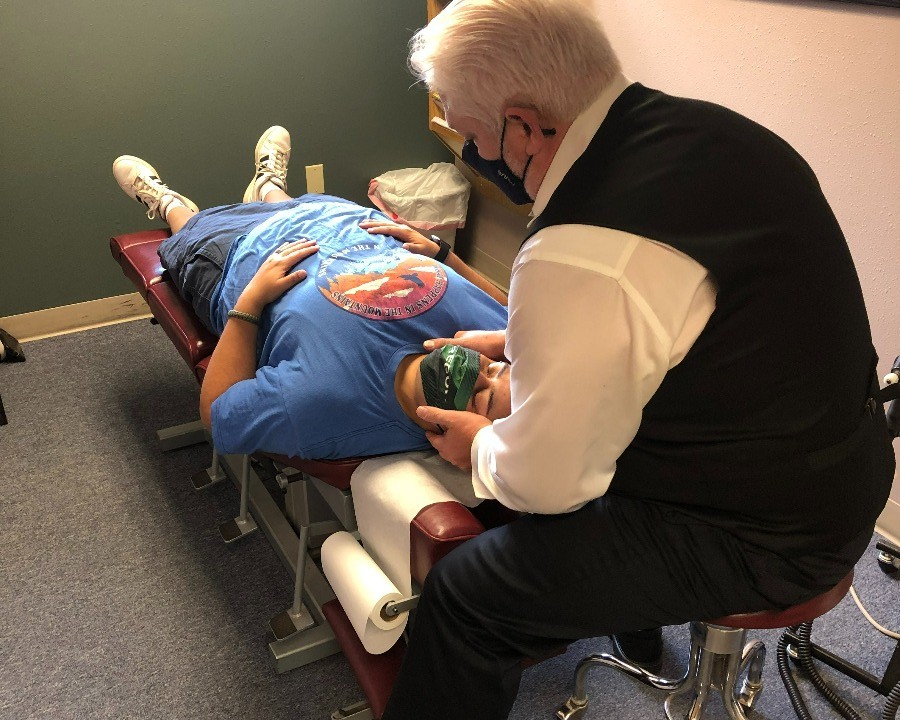

You might not realize how much control you have over your body's natural defense mechanisms. By making simple adjustments to your daily routine, like focusing on nutrition, managing stress, and ensuring adequate sleep, you can greatly enhance your immune response. These elements work together seamlessly, yet many overlook their interconnectedness. What if a few small changes could revolutionize how your body protects itself? Exploring this connection could be the key to releasing your body's full potential.
Understanding the Immune System
Your immune system is a remarkable network of cells, tissues, and organs working together to protect you from harmful invaders. It functions like a highly efficient security system, constantly on the lookout for bacteria, viruses, and other pathogens that threaten your health. When your body detects these invaders, it triggers a response to neutralize them, often before you even notice they're there.
The immune system consists of two main components: the innate immune system and the adaptive immune system. The innate system is your first line of defense. It includes physical barriers like your skin and mucous membranes, as well as immune cells that respond quickly to any threat. These cells can identify and attack a wide range of pathogens, providing immediate protection.
On the other hand, the adaptive immune system kicks in when the innate system can't fully handle the threat. This component is more specialized and takes longer to respond. It involves the production of antibodies that specifically target particular pathogens. Once your body encounters a specific invader, it remembers how to fight it off in the future, offering long-lasting immunity.
Understanding how this system works is vital for maintaining your health. By recognizing the signs of a weakened immune response—like frequent infections or prolonged illnesses—you can take steps to support your body's natural defenses.
A strong immune system is essential for overall well-being, enabling you to thrive and enjoy a healthier life.
Nutrition for Defense
Nourishing your body with the right foods is essential for bolstering your immune defenses. A well-balanced diet packed with vitamins, minerals, and antioxidants can notably enhance your body's ability to fight off illness.
Start by incorporating a variety of colorful fruits and vegetables into your meals. Foods like berries, citrus fruits, spinach, and bell peppers are rich in vitamin C and other antioxidants that help combat oxidative stress and support immune function.
Don't overlook the importance of protein, either. Lean meats, fish, eggs, legumes, and nuts provide the building blocks your body needs to produce antibodies and other immune cells. Omega-3 fatty acids, found in fatty fish like salmon and flaxseeds, have anti-inflammatory properties that can also support your immune system.
Whole grains are another essential component of a strong diet. They're packed with fiber, which promotes gut health. A healthy gut is crucial for a robust immune response since a considerable portion of your immune system resides there. Incorporating foods like quinoa, brown rice, and oats can help maintain that balance.
Lastly, don't forget about hydration. Drinking enough water aids in the circulation of nutrients and the removal of toxins. Herbal teas and broths can also provide beneficial compounds that support your immune function.
Importance of Sleep
Getting enough sleep is essential for your immune system to function at its best.
When you prioritize quality rest, you're not just recharging your energy; you're also boosting your body's defenses.
Let's explore how sleep quality and duration directly impact your overall health and immunity.
Sleep and Immune Function
Sleep plays an essential role in maintaining a strong immune system. When you sleep, your body gets the chance to repair and regenerate, which is fundamental for immune function. During those restful hours, your immune system releases proteins called cytokines, which help fight off infections and inflammation.
Without adequate sleep, your body's production of these critical proteins decreases, making you more susceptible to illnesses.
Moreover, sleep helps regulate the immune response. If you're not getting enough rest, your immune system may overreact to minor threats, leading to unnecessary inflammation and other health problems.
On the flip side, a well-rested body can respond more effectively to pathogens and recover more quickly when you do get sick.
To boost your immune function, prioritize your sleep routine. Aim for consistent sleep patterns, and try to wind down before bedtime to signal to your body that it's time to rest.
Remember, a strong immune system starts with good sleep habits, so make sure you're giving your body the downtime it needs to thrive and protect you from illness.
Prioritize your sleep, and your immune system will thank you.
Sleep Quality and Duration
As you wind down for the night, the quality and duration of your sleep become essential factors for your overall health. Good sleep isn't just about the number of hours you rack up; it's also about how restful those hours are.
When you sleep well, your body has the chance to repair itself, bolster your immune system, and regulate hormones. If you're skimping on sleep or suffering from restless nights, you might experience fatigue, irritability, and a weakened immune response, making you more vulnerable to illness.
Aim for 7 to 9 hours of quality sleep each night. To enhance your sleep, create a calming bedtime routine. Avoid screens at least an hour before bed, and keep your sleeping environment cool, dark, and quiet.
These simple adjustments can greatly improve your sleep quality.
Stress Management Techniques
Managing stress is essential for maintaining your body's defense mechanisms.
Techniques like mindfulness meditation and deep breathing exercises can help you regain control and find calm in chaotic moments.
Mindfulness Meditation Practices
Mindfulness meditation practices offer a powerful tool for reducing stress and enhancing overall well-being. By focusing your attention on the present moment, you can cultivate awareness and acceptance, which helps alleviate anxiety and tension.
To get started, find a quiet space where you won't be disturbed. Sit comfortably, close your eyes, and take a few deep breaths. As you breathe, focus on the sensations of your breath entering and leaving your body. If your mind wanders, gently bring it back to your breath.
You can also incorporate body scans, where you mentally check in with different parts of your body, noticing any tension or discomfort. Try to practice mindfulness for a few minutes each day, gradually increasing the duration as you become more comfortable. You'll find that even short sessions can greatly improve your mood and clarity.
Additionally, consider integrating mindfulness into daily activities like eating, walking, or even washing dishes. This approach helps you remain grounded and connected, allowing you to respond to stress with calmness and resilience. Embrace these practices, and you'll reveal your body's natural ability to manage stress effectively.
Deep Breathing Exercises
When stress starts to creep in, deep breathing exercises can be an effective way to regain your calm and focus.
These techniques help activate your body's relaxation response, allowing you to manage anxiety and improve your overall well-being. Incorporating deep breathing into your daily routine can be simple and rewarding.
Here are a few techniques to get you started:
- Diaphragmatic Breathing: Breathe deeply into your diaphragm rather than shallowly into your chest.
- 4-7-8 Breathing: Inhale for four counts, hold for seven, and exhale for eight to reduce tension.
- Box Breathing: Inhale, hold, exhale, and pause, each for a count of four, creating a calming rhythm.
- Alternate Nostril Breathing: Balance your energy by breathing through one nostril at a time.
- Mindful Breathing: Focus on your breath and observe each inhale and exhale without judgment.
Try these exercises whenever you feel overwhelmed.
They'll help you center yourself and promote a sense of tranquility in your busy life.
Physical Activity and Immunity
Engaging in regular physical activity can boost your immune system and help fend off illness more effectively. When you exercise, your body increases circulation, which allows immune cells to move more freely throughout your body. This enhanced circulation helps your immune system detect and respond to potential threats faster, making it a powerful ally in your overall health.
Moreover, physical activity can reduce stress levels, which is essential for maintaining a strong immune response. High stress can weaken your immune system, making you more susceptible to infections. By engaging in activities you enjoy, whether it's jogging, dancing, or even gardening, you're not only improving your fitness but also lowering stress hormones like cortisol.
Regular exercise also promotes better sleep, and we all know how important sleep is for a healthy immune system. Quality sleep enhances the production of proteins and hormones that are necessary for immune function. When you combine physical activity with good sleep habits, you create a solid foundation for your body to effectively fight off illnesses.
Additionally, don't overlook the role of social interaction in physical activities. Group workouts or team sports can provide a sense of community, which also supports emotional well-being.
So, make it a point to stay active, whether you're walking, cycling, or hitting the gym. Your immune system will thank you, and you'll feel more energetic and resilient in facing daily challenges.
Prioritize movement, and activate your body's natural defense mechanism today!
Hydration's Role in Health
Hydration plays an important role in maintaining overall health and supporting your immune system. When you stay adequately hydrated, your body functions efficiently, allowing your immune system to respond effectively to threats. Dehydration can lead to fatigue, headaches, and reduced cognitive function, making it harder for you to stay on top of your health.
Here are some key benefits of staying hydrated:
- Boosts Immune Function: Sufficient water intake helps produce lymph, which carries white blood cells and other immune cells throughout your body.
- Enhances Nutrient Absorption: Proper hydration aids in digestion and nutrient absorption, ensuring your body gets the vitamins and minerals it needs to function well.
- Regulates Body Temperature: Staying hydrated supports thermoregulation, which is crucial for maintaining a stable internal environment, especially during exercise or extreme temperatures.
- Flushes Toxins: Drinking enough water helps your kidneys filter waste and toxins from your blood, reducing the burden on your immune system.
- Improves Skin Health: Hydrated skin is more resilient and better able to act as a barrier against pathogens, keeping your body protected.
Natural Supplements and Remedies
Staying hydrated is just one piece of the puzzle when it comes to supporting your immune system. Natural supplements and remedies can play a significant role in enhancing your body's defense mechanisms. Incorporating these elements into your daily routine can empower you to boost your overall health effectively.
One of the most popular natural supplements is vitamin C. Known for its immune-boosting properties, it helps stimulate the production of white blood cells, which are essential for fighting off infections. You can find vitamin C in various forms, including capsules, powders, and even in foods like oranges, strawberries, and bell peppers.
Another powerhouse is zinc. This mineral is critical for immune function, and a deficiency can leave you vulnerable to illness. You can get zinc from supplements as well as foods like nuts, seeds, and whole grains.
Don't overlook herbal remedies, either. Elderberry is renowned for its antiviral properties and can help reduce the duration and severity of colds and flu. Echinacea is another herbal option that's often used to support immune health and may help decrease the chances of catching a cold.
Probiotics, found in yogurt and fermented foods, can also enhance gut health, which is closely linked to your immune system.
Mind-Body Connection
Understanding the mind-body connection can profoundly influence your overall health and well-being. When you recognize how your thoughts and emotions affect your physical state, you can harness this connection to enhance your life.
By nurturing both your mind and body, you create a powerful synergy that promotes healing and resilience.
Here are some ways to tap into the mind-body connection:
- Practice mindfulness: Engaging in mindfulness techniques, like meditation or deep breathing, can reduce stress and improve focus.
- Develop a positive mindset: Adopting an optimistic outlook can boost your immune system and increase your overall happiness.
- Listen to your body: Pay attention to physical sensations; they often reflect your emotional state. Addressing these feelings can help alleviate discomfort.
- Embrace movement: Regular physical activity releases endorphins, which elevate your mood and promote mental clarity.
- Cultivate healthy relationships: Surrounding yourself with supportive people can enhance emotional well-being, which in turn benefits your physical health.
Conclusion
By embracing these holistic approaches, you can activate your body's natural defense mechanisms and enhance your overall well-being. Focus on nourishing your body with the right foods, staying hydrated, getting enough sleep, and managing stress effectively. Regular physical activity will not only boost your immunity but also uplift your mood. Remember, each small step you take contributes to a stronger immune system and a healthier you. Start today, and empower your body to fight off pathogens naturally!