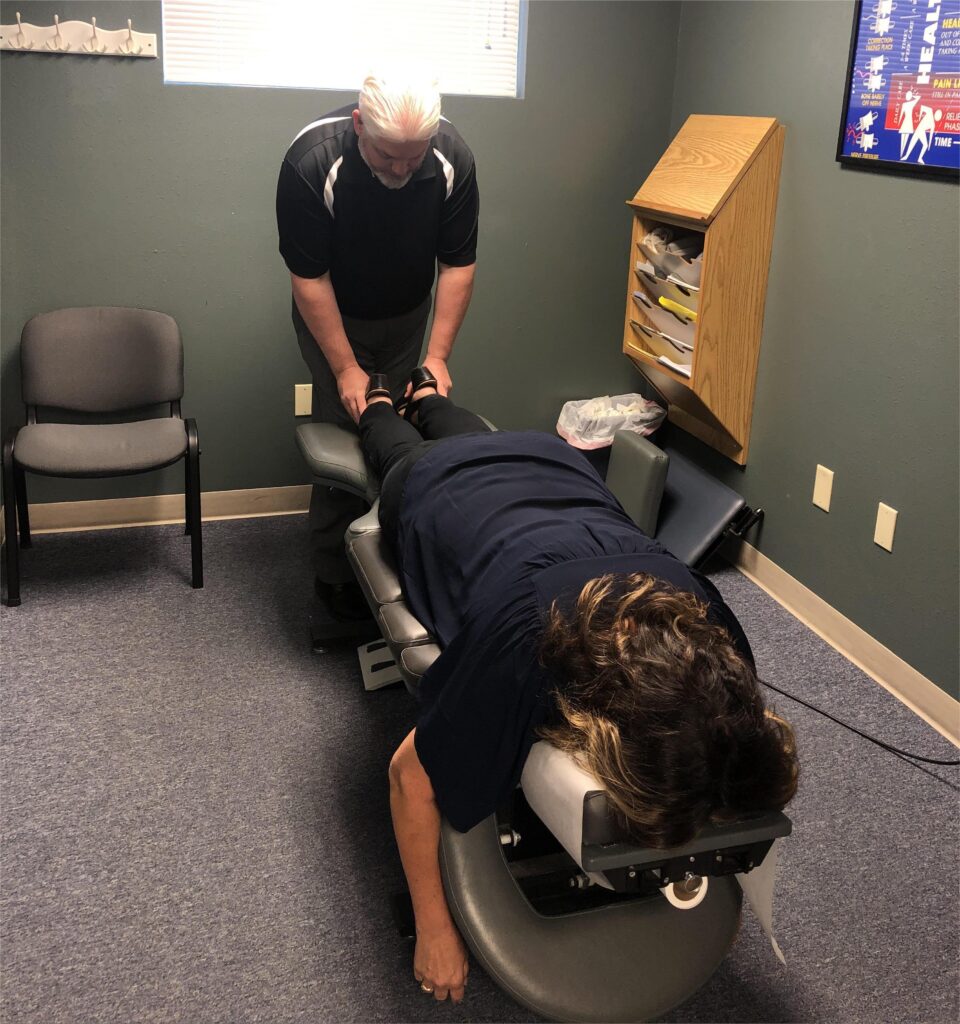

Headaches can truly disrupt your day and take a toll on your overall well-being. As a chiropractor, I believe that understanding the root causes of headaches is key to effective prevention. One of the first steps is ensuring you stay well-hydrated and maintain a balanced diet. These basic habits can significantly reduce headache occurrences, but there’s so much more you can do.
Incorporating regular chiropractic care into your wellness routine can be a game-changer for headache relief. Misalignments in the spine can lead to tension and stress, which often contribute to headaches. By focusing on spinal health, you can not only alleviate pain but also promote overall wellness.
Additionally, consider integrating mindful practices into your daily life. Simple techniques like deep breathing, stretching, and proper posture can make a world of difference. And don’t underestimate the power of rest and relaxation! Taking breaks during your day to unwind can help prevent tension from building up.
Lastly, exploring natural remedies—like essential oils or herbal teas—can also complement your headache management strategy. Remember, it’s about creating a holistic approach to your health.
What other simple strategies might you be overlooking in your journey to headache relief? By prioritizing your spinal health through chiropractic care, alongside these lifestyle adjustments, you can work towards a life with fewer headaches and more vitality.
Key Takeaways
- Stay well-hydrated by drinking around eight 8-ounce glasses of water each day, and include plenty of water-rich foods like fruits and vegetables in your diet. Proper hydration can support your body’s overall function, which is essential for spinal health.
- Be mindful of your diet by identifying and avoiding potential headache triggers such as aged cheeses, processed meats, and alcohol. Instead, focus on a balanced diet that emphasizes whole foods. A well-nourished body can contribute to less discomfort and improved wellness.
- Engage in regular physical activity, aiming for at least 30 minutes of moderate exercise most days. This not only helps reduce stress but also promotes better blood circulation. Remember, a healthy spine is key to overall health, and staying active supports spinal alignment.
- Incorporate mindfulness techniques into your daily routine, such as deep breathing exercises and guided imagery. These practices can help lower stress levels, which is beneficial for both your mind and your body. A relaxed mind contributes to a healthier spine.
- Explore natural remedies like peppermint oil and ginger for relief, but always consult with a healthcare professional before starting any new treatments. Chiropractic care can also offer natural ways to address discomfort and promote healing, focusing on the root of the problem rather than just the symptoms.
By integrating these practices into your lifestyle, you can enhance your overall well-being and support your spine’s health naturally. Chiropractic care is a fantastic option for those looking for effective pain relief and a pathway to optimal health!
Understanding the Causes of Headaches
Understanding the causes of headaches is essential for effective prevention and relief, and as a chiropractor, I can offer insights into how chiropractic care can play a pivotal role in your journey to wellness. Many factors contribute to headaches, including stress, lack of sleep, and poor posture—all of which we can address through natural, non-invasive methods.
Stress often leads to tension headaches, which can feel like a tight band around your head. Regular chiropractic adjustments can help relieve this tension by aligning your spine and reducing stress on your nervous system. Additionally, if you’re struggling with sleep, chiropractic care can improve your overall health, leading to better rest and potentially reducing the frequency of migraines.
Poor posture is another common culprit behind headaches. When your spine is misaligned, it can lead to tension in your neck and shoulders, causing discomfort. A chiropractor can work with you to improve your posture and provide exercises to strengthen the muscles that support your spine.
Dietary choices can also impact headache frequency. A well-balanced diet and staying hydrated are vital. If you notice that certain foods or skipping meals trigger headaches, keeping a food diary can help you identify patterns.
Hormonal changes, particularly in women, can contribute to headaches, and while chiropractic care can’t directly influence hormones, it can help your body function optimally, potentially alleviating some headache symptoms.
Environmental factors like bright lights or strong smells can also be triggers. By recognizing what affects you and making adjustments in your environment, you can create a more headache-friendly space.
The Role of Hydration in Headache Prevention
Staying properly hydrated is crucial for preventing headaches, and as a chiropractor, I want to emphasize how this simple habit can significantly influence your overall health and well-being. When your body lacks sufficient water, the cells can become dehydrated, potentially leading to tension and migraines. It’s important to recognize that even mild dehydration can result in discomfort and pain, which is why maintaining hydration should be a priority.
A helpful guideline is to aim for at least eight 8-ounce glasses of water each day. However, your hydration needs may vary based on your activity levels and the climate you live in. Listen to your body; if you feel thirsty, it’s a clear indication that it’s time to hydrate.
In addition to drinking water, incorporating water-rich foods like fruits and vegetables into your diet can further enhance your hydration levels. This not only supports your overall health but also plays a vital role in reducing the frequency and intensity of headaches.
Dietary Changes to Alleviate Headaches
Hydration is just one piece of the puzzle when it comes to preventing headaches. Your diet plays a crucial role in how you feel, and making some simple changes can help you feel better overall. Start by identifying any food triggers that might be contributing to your headaches. Common offenders include aged cheeses, processed meats, and alcohol, so you might want to consider cutting back on these items. Instead, focus on adding fresh fruits and vegetables, whole grains, and lean proteins to your meals. These nutritious foods can support your body and help reduce inflammation.
It’s also important to remember the benefits of regular meals. Skipping meals can lead to low blood sugar, which can often trigger headaches. Try to eat smaller, more frequent meals throughout the day to keep your energy levels steady.
Additionally, think about including magnesium-rich foods in your diet, such as nuts, seeds, and leafy greens. Magnesium can help ease tension and may reduce the frequency of headaches.
Incorporating these dietary changes, along with regular chiropractic adjustments, can significantly enhance your overall wellness and help you manage headaches more effectively. Chiropractic care focuses on aligning your spine and improving your body’s natural healing abilities, making it a vital part of your headache prevention strategy. Remember, your health is in your hands, and by making smart choices about your diet and seeking chiropractic care, you can pave the way for a healthier, pain-free life.
Herbal Remedies for Natural Relief
Exploring herbal remedies can be a great complement to chiropractic care for achieving natural relief from headaches. Many individuals seek comfort in nature’s offerings, and you might find that these herbs can enhance your wellness journey. While chiropractic adjustments help align your spine and relieve tension, popular herbs like peppermint and ginger can also provide additional support in easing headache symptoms.
Peppermint oil, when applied to your temples, may offer a cooling sensation that can help improve blood flow and reduce tension. Ginger is well-known for its anti-inflammatory properties, which can help lessen headache severity. By combining these natural remedies with regular chiropractic care, you can work towards long-term relief and overall wellness.
Here’s a quick look at some effective herbal remedies that can support your healing process:
| Herb | Use | Preparation |
|---|---|---|
| Peppermint | Eases tension headaches | Apply diluted oil |
| Ginger | Reduces inflammation | Brew as tea |
| Feverfew | May help prevent migraines | Take in capsule form |
Incorporating these herbs into your routine can be a simple yet effective way to support your body in managing headaches naturally. It’s important to remember that while herbal remedies can be beneficial, they work best alongside chiropractic care, which addresses the root causes of pain and enhances your body’s ability to heal itself.
The Impact of Stress and Mindfulness Practices
As a local chiropractor, I understand how stress can significantly contribute to the frequency and intensity of headaches. Incorporating mindfulness practices into your daily routine can be a great way to help regain control and support your overall wellness. Mindfulness trains your mind to focus on the present moment, which can reduce the anxiety and tension that often lead to headaches.
You don’t need to dedicate hours to mindfulness practices; just a few minutes each day can make a big difference. Start by finding a quiet space where you can relax. Close your eyes and take some deep breaths. Focus on how each inhale and exhale calms your body. This simple practice can help lower your stress levels and may reduce the likelihood of headaches.
In addition to mindfulness, regular chiropractic care can be an effective way to manage pain and enhance your overall health. Chiropractic adjustments help align your spine, which can relieve tension in your body and improve your nervous system function, leading to reduced stress and headache frequency.
Importance of Sleep and Restorative Practices
Sleep is crucial for maintaining your overall health and well-being, particularly when it comes to preventing headaches. When you don’t get enough quality sleep, your body can become more vulnerable to stress, tension, and even migraines. As a chiropractor, I emphasize the importance of prioritizing restorative practices to enhance your sleep quality and overall health.
Establishing a calming nighttime routine can signal to your body that it’s time to relax and prepare for sleep. Try activities such as reading, meditating, or gentle stretching to help unwind. It’s also important to limit screen time before bed, as the blue light emitted by screens can interfere with your ability to drift off to sleep.
Aim for 7-9 hours of restorative sleep each night to allow your body to recharge and heal. Short naps during the day can also be helpful, but keep them under 30 minutes to prevent feeling groggy. By focusing on sleep and incorporating restorative practices, you can’t only improve your sleep but also reduce the frequency and intensity of headaches.
Physical Activity and Its Benefits for Headache Management
Regular physical activity is a powerful ally in managing and preventing headaches. As a chiropractor, I often see how movement can profoundly impact overall health, including headache relief. When you engage in regular exercise, you’re not just working out; you’re also reducing stress—a major headache trigger—by helping your body release endorphins. These natural mood elevators can act as pain relievers too! Whether it’s a leisurely walk, gentle yoga, or cycling, choose an activity that brings you joy and make it a regular part of your routine.
Moreover, consistent physical activity enhances blood circulation, ensuring your brain gets the oxygen and nutrients it needs to function optimally. This improved blood flow can significantly lower both the frequency and intensity of headaches. Aim for at least 30 minutes of moderate exercise on most days to reap these benefits.
It’s important to listen to your body as you exercise. If you feel pain while moving, consider adjusting your routine or consult with a chiropractor for personalized guidance. Staying well-hydrated and eating a balanced diet will also complement your physical activity and further support your headache management efforts.
Incorporating exercise into your daily life can lead to fewer headaches, allowing you to enjoy your day-to-day activities more fully. Remember that chiropractic care is here to support you on your journey to optimal health, helping to align your spine and enhance your overall well-being. Embrace these lifestyle changes, and you’ll likely notice a marked improvement in your headache occurrences, paving the way for a healthier, happier life.
Alternative Therapies for Long-Term Prevention
When considering long-term headache prevention, it’s important to explore various natural options that promote overall wellness. As a chiropractor, I want to emphasize that chiropractic care is one of the most effective ways to achieve optimal health and alleviate headache pain. By focusing on spinal alignment and nervous system function, chiropractic adjustments can significantly reduce the frequency and intensity of headaches.
In addition to regular chiropractic visits, you might find that incorporating mindfulness and meditation techniques into your daily routine can enhance your overall well-being. These practices help reduce stress, which is a common trigger for headaches. Simple breathing exercises and short meditation sessions can be easily integrated into your life, providing you with tools to manage pain naturally.
Herbal remedies can also be a supportive addition to your wellness regimen, but it’s always best to discuss these options with your chiropractor. They can guide you on safe and effective herbal choices that complement your chiropractic care.
Herbal Remedies Exploration
Exploring natural ways to alleviate headaches can lead to a more comfortable and healthier life, and as a chiropractor, I want to share some insights on how you can support your wellness journey.
Many individuals find that herbs like feverfew and butterbur can provide relief thanks to their anti-inflammatory properties. These natural remedies can complement the benefits of chiropractic care, which focuses on spinal health and overall wellness.
Another option is peppermint oil, which can be applied to the temples to help soothe tension headaches. This is a simple addition to your routine that can work alongside chiropractic adjustments to enhance your comfort.
Incorporating ginger into your diet may also be beneficial, as it helps address nausea and inflammation, which can often accompany headaches.
Chamomile is another herb worth considering, especially for those stress-related headaches. Its calming effects can help reduce tension, allowing your body to relax and recover.
Remember, while these herbal remedies may provide relief, they should be seen as complementary to the holistic approach of chiropractic care.
As always, it’s important to consult with a healthcare professional before starting any new treatment, especially if you’re currently receiving chiropractic care. By integrating these natural options into your lifestyle and maintaining regular chiropractic visits, you can effectively reduce the frequency and intensity of headaches.
This approach can lead to a more balanced and headache-free life, emphasizing the importance of spinal health and natural healing for optimal wellness.
Mindfulness and Meditation Techniques
Incorporating mindfulness and meditation techniques into your daily routine can significantly enhance your ability to manage and prevent headaches, complementing the benefits of chiropractic care. These practices help reduce stress and promote overall well-being, both crucial factors in headache prevention.
Here are four simple techniques you can try to support your health naturally:
- Deep Breathing: Take a moment to focus on your breath. Inhale deeply through your nose, letting your belly rise, and exhale slowly through your mouth. This practice calms your mind and body, making it easier for your spine to function optimally.
- Guided Imagery: Imagine a serene place, like a quiet beach or a peaceful garden. Picture the details—the colors, sounds, and sensations. This mental escape can help distract you from headache triggers and reduce tension in your neck and shoulders, where many headaches can originate.
- Body Scan: Lie down comfortably and bring your attention to each part of your body, starting from your toes and moving to your head. Notice any areas of tension and consciously relax them. This technique promotes relaxation and can help alleviate stress-related headaches.
- Mindful Walking: Take a leisurely walk in a quiet area, paying attention to your surroundings and the rhythm of your steps. This practice not only clears your mind but also encourages good posture and spinal alignment, further supporting your overall health.
Conclusion
By embracing natural solutions, particularly through chiropractic care, you can take charge of headache prevention and enhance your overall well-being. Prioritizing hydration, balanced nutrition, and restorative sleep are crucial steps in reducing headache triggers. Regular chiropractic adjustments can also play a vital role in maintaining spinal health, which directly impacts your nervous system and overall wellness.
Incorporating mindfulness practices and engaging in regular physical activity not only boosts your resilience against stress but also complements the benefits of chiropractic care. Remember, a healthy spine supports a healthy body, so make sure to integrate chiropractic visits into your routine for optimal health.
Additionally, exploring herbal remedies and alternative therapies can provide added relief. However, chiropractic care should be your first choice for addressing the root causes of headaches and promoting natural healing. By weaving these strategies into your daily life, you can unlock a healthier, headache-free existence and enjoy the activities you love, all while benefiting from the holistic approach that chiropractic care offers.