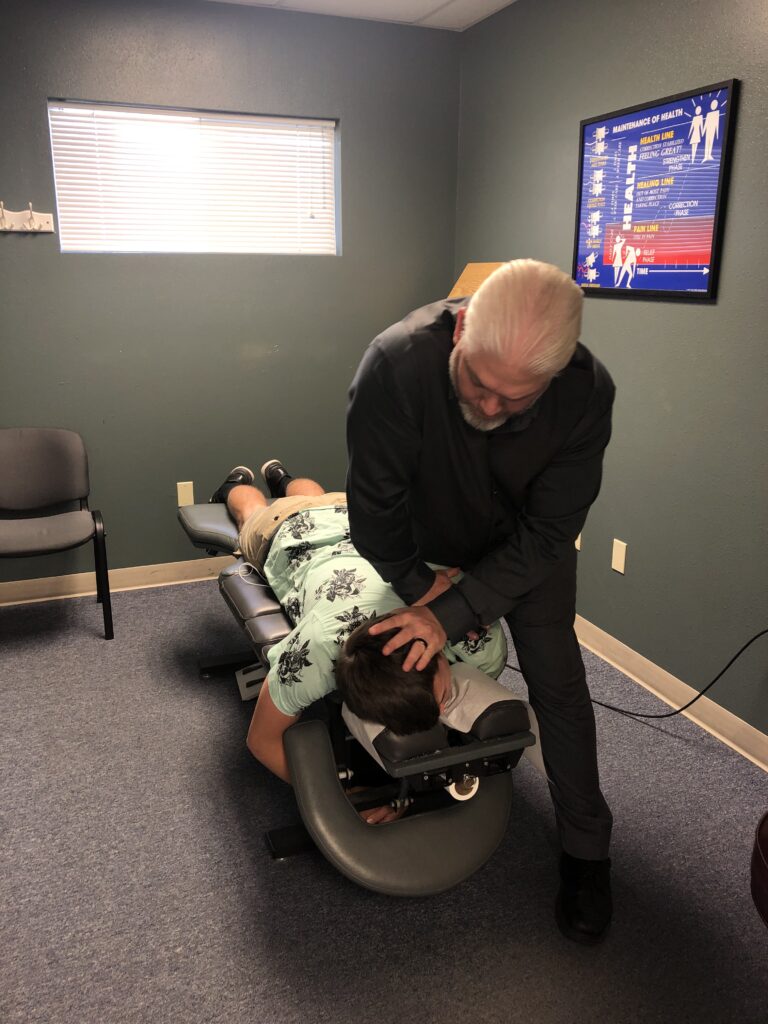

Back pain can be an incredibly frustrating and debilitating experience, but as your local chiropractor, I want you to know that you don’t have to live with it. Understanding the underlying causes of your discomfort and making simple lifestyle adjustments can set you on the path to recovery. By focusing on your posture, engaging in targeted exercises, and utilizing therapeutic techniques, you can unlock your spine’s potential for healing and wellness.
Imagine taking control of your pain and enhancing your overall well-being—it’s entirely possible! Let’s take a closer look at some effective strategies that can help you bounce back from back pain. With chiropractic care, we focus on natural healing methods that aim to restore balance and function to your body. Together, we can work towards alleviating your discomfort and improving your quality of life.
Understanding the Causes of Back Pain
As a local chiropractor, I want to help you understand that back pain is an issue that affects around 80% of people at some point in their lives. It’s a common concern with a variety of underlying causes, and I believe that educating you about these can empower you to take control of your health.
One of the frequent reasons for back discomfort is muscle strains, which can occur from lifting heavy objects or making sudden awkward movements. Additionally, if your sitting or sleeping posture isn’t optimal, it can contribute to that persistent pain.
It’s also important to recognize that certain conditions, such as herniated discs or arthritis, can lead to chronic issues that may benefit from chiropractic interventions.
Stress is another factor that many people overlook. It can lead to muscle tension in your back, exacerbating discomfort. If you have a sedentary lifestyle, weak core muscles mightn’t provide adequate support for your spine, increasing the risk of injury.
Understanding these causes is crucial for managing your back pain effectively. By identifying the source of your discomfort, you can take proactive steps to alleviate it and prevent future episodes.
Chiropractic care focuses on restoring your body’s natural balance through gentle adjustments and holistic methods, promoting healing and enhancing your overall well-being. Together, we can work towards a pain-free life.
The Importance of Proper Posture
As your local chiropractor, I want to emphasize the crucial role that proper posture plays in maintaining your overall spinal health and preventing back pain. Many people aren’t aware that simple adjustments to how they sit, stand, and move can significantly reduce strain on their spine and muscles.
Here are three vital tips to help you cultivate good posture throughout your daily activities:
- Sit Smart: It’s important to position yourself correctly when seated. Make sure your feet are flat on the floor and your knees are bent at a 90-degree angle. Choosing a chair that provides solid lumbar support will help maintain the natural curve of your lower back, which is essential for your spine’s health.
- Stand Tall: When you’re on your feet, try to distribute your weight evenly across both feet. Keep your shoulders back and aligned directly over your hips. Engaging your core muscles will provide extra support for your spine, promoting a more upright posture and reducing the risk of discomfort.
- Move Mindfully: Lifting objects may seem straightforward, but it’s vital to do it correctly to protect your back. Always bend at your knees instead of your waist, and keep the item you’re lifting close to your body. This technique minimizes strain and helps prevent injuries.
By incorporating these simple changes into your daily routine, you can improve your posture and support your spinal health naturally.
If you have any questions or need personalized advice, feel free to reach out – I’m here to help you on your journey to better health!
Stretching Techniques for Relief
As a local chiropractor, I want to share with you the transformative power of stretching in alleviating back pain. Many of my patients have found that incorporating both dynamic and static stretching techniques into their routines can significantly enhance flexibility and relieve muscle tension.
Let’s take a closer look at how each of these methods can support your journey toward recovery.
Dynamic stretching involves moving parts of your body through a full range of motion, which can warm up your muscles and prepare them for activity. This technique is particularly beneficial before engaging in physical exercises or daily movements, as it helps to increase blood flow and reduce the risk of injury.
On the other hand, static stretching is performed by holding a stretch for a period of time. This method can be incredibly effective for increasing flexibility and soothing tight muscles after a long day or an intense workout.
By dedicating time to both types of stretching, you can create a balanced approach to managing and preventing back pain.
As you explore these techniques, remember that they can complement the chiropractic care I provide, helping you achieve optimal health and well-being.
Let’s work together to incorporate stretching into your routine for a healthier back!
Dynamic Stretching Benefits
As a local chiropractor, I often encounter patients who are unfamiliar with the benefits of dynamic stretching, especially when it comes to alleviating back pain.
While many people think of stretching as a static practice, integrating dynamic stretching into your routine can significantly aid your recovery and enhance your overall well-being.
Here’s why it’s important:
- Increases Blood Flow: Dynamic movements actively engage your muscles and promote circulation. This influx of fresh blood not only helps in healing but also reduces stiffness, making it easier for your body to recover.
- Improves Flexibility: When you incorporate dynamic stretching, you move through a range of motion that enhances your flexibility. This increased flexibility translates to greater ease and comfort in your daily activities, from bending to picking up objects.
- Prepares Your Body: Dynamic stretches serve as a warm-up for your body, getting you ready for physical activity. By preparing your muscles and joints, you reduce the risk of injury during workouts or even routine tasks around the house.
As you embark on your recovery journey, consider integrating dynamic stretching into your routine.
It’s a simple yet effective way to support your spine and overall health.
Static Stretching Techniques
As your local chiropractor, I want to share some valuable insights about static stretching techniques that can significantly help relieve back pain. After you’ve warmed up with some dynamic stretching, it’s beneficial to incorporate static stretches into your routine.
These stretches are designed to lengthen your muscles and enhance flexibility, ultimately easing tension in your back.
One effective static stretch I recommend is the seated hamstring stretch. To perform this stretch, sit on the floor and extend one leg in front of you while keeping your back straight. Gently reach for your toes and hold the position for about 20-30 seconds before switching to the other leg. This stretch targets the hamstrings, which play a crucial role in back health.
Another fantastic stretch is the child’s pose. This gentle stretch involves kneeling, sitting back on your heels, and extending your arms forward on the ground. Hold this position for 30 seconds, focusing on slow, deep breaths. This pose not only stretches the back but also promotes relaxation.
Incorporating these stretches into your daily routine can lead to noticeable improvements in your comfort and mobility.
As always, it’s essential to listen to your body and avoid pushing yourself too far. If you have any concerns or need personalized advice, don’t hesitate to reach out. Your journey to better spinal health is important, and I’m here to support you every step of the way!
Strengthening Exercises for a Resilient Back
As your local chiropractor, I want to emphasize the importance of building a resilient back through core stability workouts and flexibility exercises.
These practices are essential not just for strengthening your muscles, but they also play a crucial role in enhancing your overall mobility.
By incorporating these exercises into your daily routine, you can significantly aid in your recovery and promote a healthier back.
Let’s delve into how these foundational movements can support your spine and overall well-being in a natural and effective way.
Core Stability Workouts
As a local chiropractor, I often emphasize the importance of core stability workouts in promoting overall spinal health and preventing back pain. Strengthening the muscles that support your spine is essential for maintaining proper alignment and reducing strain on your back.
Here are three effective exercises I recommend incorporating into your routine:
- Plank: This exercise is fantastic for engaging your core. Start by holding a plank position for 20-30 seconds, and as you build strength, gradually increase your hold time. A strong core helps stabilize your spine and can alleviate discomfort.
- Bird-Dog: Begin in a tabletop position on your hands and knees. Extend one arm forward while simultaneously extending the opposite leg backward. Hold this position for a few seconds before switching sides. This exercise not only strengthens your core but also enhances your balance and coordination, which are vital for overall stability.
- Dead Bug: Lie on your back with your legs raised and arms extended toward the ceiling. Slowly lower one arm and the opposite leg toward the floor while keeping your core engaged. This movement strengthens your abdominal muscles and helps maintain spinal stability.
Incorporating these exercises into your routine can significantly improve your back health and enhance your overall well-being.
Flexibility and Mobility Exercises
As a local chiropractor, I want to emphasize the importance of flexibility and mobility exercises in maintaining a healthy back. While building strength is crucial for a resilient spine, incorporating flexibility and mobility movements can significantly help in preventing and recovering from back pain.
Simple stretches such as the cat-cow, child’s pose, and hamstring stretches are fantastic ways to enhance your spinal flexibility. By regularly practicing these gentle movements, you can maintain a healthy range of motion, which reduces stiffness and improves your overall function.
In addition, dynamic mobility exercises like hip circles and torso twists are beneficial for improving your body’s movement patterns. These exercises help to alleviate tension in your back, making you feel more comfortable and agile.
I recommend integrating these exercises into your routine at least three times a week. By committing to flexibility and mobility work, you not only relieve any current discomfort but also build resilience against future back issues.
This proactive approach is key to keeping your back healthy and strong, empowering you to lead an active and fulfilling life. If you have any questions or need guidance on how to get started, feel free to reach out during your next visit!
Incorporating Low-Impact Activities
As a local chiropractor, I want to share how incorporating low-impact activities into your recovery routine can significantly alleviate back pain and enhance your overall mobility.
These activities are gentle on your spine, allowing you to stay active without adding unnecessary stress. Here are three effective options you can consider:
- Walking: A simple daily walk is one of the best ways to improve blood circulation and strengthen the muscles that support your spine. It can energize you and is easy to incorporate into your routine.
- Swimming: Taking a dip in the pool isn’t just refreshing; it’s incredibly beneficial for your back. The buoyancy of water reduces strain on your spine, while the resistance provides a comprehensive workout that helps build strength throughout your body.
- Cycling: Whether you choose a stationary bike or prefer cycling outdoors, this activity is excellent for boosting cardiovascular fitness. It strengthens your legs and core without jarring your spine, making it an ideal choice for those with back pain.
By integrating these low-impact activities into your lifestyle, you can support your recovery and promote long-term health.
If you have any questions or need guidance on how to get started, feel free to reach out!
Ergonomic Adjustments in Daily Life
As a local chiropractor, I want to share how simple ergonomic adjustments in your daily life can significantly aid in managing back pain. Many of my patients often overlook the importance of posture and the way their workspace is set up. By being mindful of these factors, you can greatly reduce discomfort.
Let’s start with your chair. It’s essential to choose one that provides adequate support for your lower back and allows your feet to rest flat on the ground. This promotes better alignment and reduces strain on your spine.
When you’re sitting at a desk, ensure your computer monitor is at eye level. This simple adjustment can prevent unnecessary neck strain.
Incorporating regular movement into your routine is also crucial. I recommend standing up or stretching every 30 minutes to keep your muscles from tightening up and to promote blood circulation.
When lifting objects, remember to bend at your knees instead of your waist, as this protects your spine from injury.
If you frequently use a smartphone, hold it at eye level rather than letting it pull you into a slouched position. It’s surprising how small changes can make a big difference.
Additionally, your sleep posture matters too. I suggest trying to sleep on your side with a pillow between your knees. This position helps maintain proper spinal alignment, which can lead to better rest and less pain.
Implementing these small changes into your daily life can lead to lasting relief from back pain. As your chiropractor, I’m here to guide you on this journey towards natural healing and improved well-being.
The Role of Heat and Cold Therapy
As a local chiropractor, I want to share how heat and cold therapy can significantly enhance your recovery from back pain.
These two methods each play a vital role in alleviating discomfort and supporting the healing process. Here’s how you can effectively integrate both therapies into your routine:
1. Heat Therapy: Utilizing a heating pad or a warm towel can help relax your muscles and boost blood circulation.
This approach is particularly beneficial for those dealing with chronic pain or stiffness, making it easier to manage your discomfort.
2. Cold Therapy: When you apply an ice pack, wrapped in a cloth, it helps to minimize inflammation and numb acute pain.
Cold therapy is especially effective for sudden injuries or flare-ups, providing immediate relief.
3. Timing and Duration: To maximize your recovery, consider alternating between heat and cold treatments.
Applying each for 15-20 minutes can create a balanced approach to managing your symptoms.
Incorporating heat and cold therapy into your daily routine can greatly alleviate your back pain, allowing you to move more freely and regain control over your daily activities.
As always, if you have any questions about how these therapies can fit into your overall treatment plan, feel free to reach out to me for guidance.
Mindfulness and Relaxation Practices
As a local chiropractor, I want to share how mindfulness and relaxation practices can play a crucial role in managing back pain and enhancing your recovery. Many of my patients are unfamiliar with the benefits of these natural healing methods, so let me explain.
When you experience back pain, it’s not just about addressing the physical symptoms; it’s also important to consider the mental and emotional aspects. Techniques such as deep breathing, guided meditation, and progressive muscle relaxation are powerful tools that can help reduce tension in your body and mind.
These practices not only promote healing but also support your overall well-being. Incorporating these mindfulness techniques into your daily routine can lead to significant relief from pain and discomfort.
They can enhance the effectiveness of chiropractic adjustments by allowing your body to relax and respond better to the treatments. Let’s work together to explore these methods and find the right combination that will aid in your recovery journey.
Your path to wellness can be a holistic one, integrating both chiropractic care and mindfulness practices.
Breathing Techniques for Relief
As a local chiropractor, I understand that back pain can often feel overwhelming for many individuals. One effective way to manage this discomfort is by incorporating breathing techniques into your daily routine.
These methods not only provide immediate relief but also promote overall relaxation and well-being. By focusing on your breath, you can significantly reduce tension and foster a sense of calm.
Here are three techniques I recommend for my patients:
- Diaphragmatic Breathing: Start by placing one hand on your chest and the other on your abdomen. Inhale deeply through your nose, allowing your abdomen to rise while keeping your chest relatively still. Then, exhale slowly through your mouth. This technique engages your diaphragm, helping to relax your entire body and relieve tension in your back.
- Box Breathing: This method can help center your mind and alleviate stress. Inhale deeply for a count of four, hold your breath for another count of four, exhale slowly for four counts, and then pause for four counts before inhaling again. Repeat this cycle several times to help calm your nervous system.
- Progressive Relaxation: As you focus on your breathing, consciously tense and then relax different muscle groups in your body. This practice helps to release built-up tension, particularly in areas that may be contributing to your back pain.
I encourage you to incorporate these breathing techniques into your daily routine. By doing so, you may find lasting relief from discomfort and a greater sense of relaxation, which complements the benefits of chiropractic care and natural healing.
Guided Meditation Benefits
As a local chiropractor, I want to share the benefits of incorporating guided meditation into your wellness routine, especially if you’re dealing with back pain. This practice can complement the relaxation advantages of breathing techniques that we often discuss in our sessions.
Guided meditation allows you to focus your mind, which aids in releasing the tension and stress that can contribute to discomfort in your back. By engaging in a guided meditation session, you can cultivate mindfulness and enhance the connection between your body and mind.
This increased awareness can lead to better identification of areas where you’re experiencing discomfort, making it easier for you to address them effectively. Moreover, guided meditation fosters a state of calm, which can significantly help in managing pain and anxiety.
As you integrate this practice into your life, you may discover that it not only alleviates your discomfort but also promotes your overall well-being. I encourage you to embrace guided meditation as a valuable tool on your journey toward recovery and improved spine health.
Progressive Muscle Relaxation
As a local chiropractor, I want to share with you a valuable technique known as Progressive Muscle Relaxation (PMR) that can significantly aid in your journey towards better health and well-being.
PMR is an effective method for releasing tension and promoting relaxation throughout your body, which can be especially beneficial for those experiencing discomfort or stress.
Here’s how you can practice PMR to complement your chiropractic care:
- Find a Comfortable Position: Begin by sitting or lying down in a quiet space where you feel at ease. It’s important to be free from distractions so you can focus on your body.
- Tense and Release: Start with your toes and progressively work your way up. Tense each muscle group—your calves, thighs, abdomen, arms, and face—for about five seconds, then completely release the tension. This process helps you become more aware of where you hold stress in your body.
- Breathe Deeply: As you tense each muscle, take a slow, deep breath in. Then, as you relax the muscles, exhale fully. This deep breathing not only enhances the relaxation effect but also helps to improve oxygen flow, which is essential for healing.
Incorporating PMR into your routine can greatly alleviate back pain and enhance your overall well-being.
It serves as a natural complement to chiropractic adjustments by promoting relaxation and reducing muscle tension, which can help you achieve better results in your treatment.
If you have any questions or would like more guidance on how to integrate this technique into your self-care routine, feel free to ask during your next visit!
When to Seek Professional Help
When should you consider visiting a chiropractor for your back pain? If you’ve been dealing with discomfort for more than a few weeks without any improvement, it’s a good idea to seek the expertise of a chiropractic professional. Our goal is to help you find relief and restore your body’s natural balance.
If you’re experiencing pain that radiates down your legs, or if you notice muscle weakness, numbness, or tingling sensations, please don’t hesitate to reach out to us. These symptoms can indicate that your nerves may be affected, and early intervention is crucial to prevent further complications.
Additionally, if your back pain is accompanied by unexplained weight loss, fever, or concerns regarding bowel and bladder function, it’s important to seek help immediately. These signs may signal underlying issues that require prompt attention.
Maintaining Long-Term Spine Health
As your local chiropractor, I want to emphasize the importance of maintaining long-term spine health through a proactive approach. Many people are unaware of how simple lifestyle changes can significantly improve spinal health and prevent future discomfort.
Here are three essential strategies to help you get started on your journey to a healthier spine:
- Incorporate Regular Exercise: Engaging in activities that strengthen your core muscles, improve flexibility, and boost overall fitness is crucial. Consider trying yoga, Pilates, or swimming—these practices not only enhance your physical health but also promote spinal alignment and support.
- Prioritize Good Posture: It’s vital to be mindful of your body alignment throughout your daily activities, whether you’re sitting, standing, or lifting objects. Maintaining proper posture by keeping your shoulders back and your spine aligned can significantly reduce the strain on your back and neck, preventing discomfort down the line.
- Design an Ergonomic Workspace: As many of us spend long hours at our desks, it’s important to create a workspace that supports your spine. Adjust your chair, desk, and computer monitor to encourage healthy posture. Using support cushions can also enhance comfort and help maintain proper alignment during extended periods of sitting.
By adopting these practices, you can take control of your spine health and pave the way for a more comfortable, active life.
As your chiropractor, I’m here to guide you and provide personalized care tailored to your needs. Let’s work together to keep your spine in optimal condition!
Conclusion
As a local chiropractor, I’m here to guide you on how to prioritize your spine’s health and overcome back pain. It’s essential to focus on maintaining proper posture throughout your daily activities, as this lays the foundation for a healthy spine. Engaging in targeted exercises tailored to strengthen your back muscles can significantly alleviate discomfort and enhance your mobility.
In addition, incorporating relaxation techniques, such as deep breathing or gentle stretching, can help release tension in your back. Always pay attention to your body’s signals; if you feel discomfort, it may be a sign to modify your activities or seek assistance.
Utilizing heat and cold therapy can also provide relief, and I encourage you to stay active with low-impact exercises like walking or swimming. If your pain continues, please don’t hesitate to reach out for professional help. As a chiropractor, I can offer personalized care and natural healing methods to support your recovery.
With consistent effort and mindfulness in your daily routine, you can achieve long-term spine health, allowing you to enjoy a more mobile and pain-free life. Remember, your spine deserves attention and care!