

If you’ve recently been in a car accident or taken a hard hit during a sport or physical activity, you may have heard the word “whiplash” thrown around. But what does it actually mean — and more importantly, what causes whiplash in the first place? Many people walk around with neck pain, stiffness, and headaches for days or even weeks after an incident without realizing that whiplash may be the underlying culprit. Here in Gresham, OR, Dr. Westley Kuns at Kuns Chiropractic Clinic works with patients regularly who are dealing with this exact issue, and one of the most helpful things we can do is help you understand what’s actually happening in your body.
What Is Whiplash? Whiplash is a soft tissue injury to the neck caused by a sudden, forceful back-and-forth movement of the head — similar to the cracking of a whip. It primarily affects the muscles, ligaments, discs, and nerves of the cervical spine (the neck region). While it’s most commonly associated with rear-end car collisions, whiplash can result from a variety of incidents. Understanding the full picture of what causes whiplash can help you recognize it sooner and seek the right care before symptoms worsen.
- What Is Whiplash and How Does It Happen?
- The Most Common Causes of Whiplash
- Signs and Symptoms to Watch For
- Why Whiplash Symptoms Are Often Delayed
- How Chiropractic Care Can Help
- Practical Tips for Recovery and Prevention
- When to See a Chiropractor
- Myths vs. Facts About Whiplash
- Final Thoughts from Kuns Chiropractic Clinic
- Frequently Asked Questions
- TL;DR Summary
What Is Whiplash and How Does It Happen?
To truly understand what causes whiplash, it helps to picture what’s happening inside the neck during a traumatic event. The cervical spine is made up of seven vertebrae stacked on top of each other, supported by a complex web of muscles, ligaments, tendons, and intervertebral discs. Under normal circumstances, this system works beautifully — absorbing motion, protecting the spinal cord, and allowing your head to move freely in all directions.
During a sudden impact, however, the head is thrown rapidly in one direction and then snaps back in the opposite direction. This extreme range of motion happens faster than the muscles can react or brace. The result is a stretching and sometimes tearing of the soft tissues in the neck, along with potential misalignment of the vertebrae themselves. In more severe cases, the intervertebral discs — the cushioning pads between the vertebrae — can also become herniated or bulged as a result of the force involved.
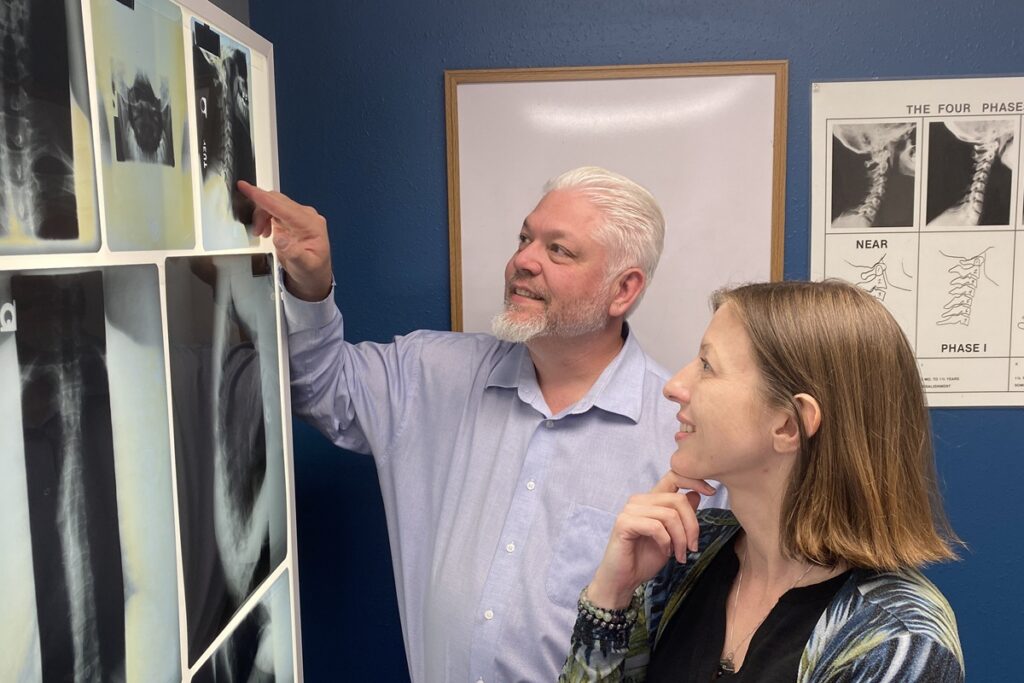
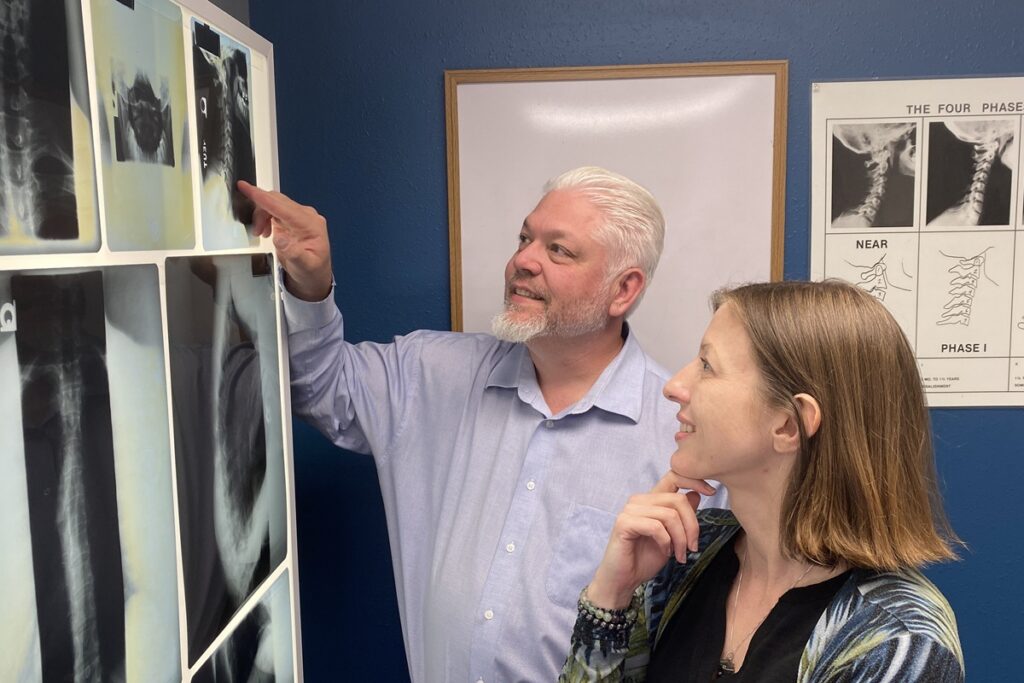
What makes whiplash particularly tricky is that the injury often doesn’t show up on standard X-rays because it primarily involves soft tissue damage. That’s one reason why a thorough clinical evaluation, like the kind Dr. Westley Kuns performs at Kuns Chiropractic Clinic in Gresham, OR, is so important after any forceful incident.
The Most Common Causes of Whiplash
When most people think about what causes whiplash, their mind immediately goes to car accidents — and for good reason. Rear-end collisions are by far the most frequent cause. Even low-speed crashes (as slow as 5 to 10 mph) can generate enough force to cause significant cervical injury. The occupant’s body is often braced against the seat while the head lags behind, creating that characteristic whip-like motion.
But auto accidents aren’t the only culprit. Here are several other well-recognized causes of whiplash:
Sports Injuries: Contact sports like football, hockey, and wrestling can deliver sharp blows to the head or body that mimic the mechanism of a car crash. Even non-contact sports like gymnastics or horseback riding carry a risk of sudden forceful neck movement. At Kuns Chiropractic Clinic, we provide sports chiropractic care specifically designed to address these kinds of injuries in active individuals.
Slip and Fall Accidents: A hard fall — especially one where the head snaps forward or backward upon impact — can cause whiplash just as easily as a vehicle collision. This is particularly common among older adults but can happen to anyone on a wet floor, an icy sidewalk, or an uneven surface.
Physical Assault: Being struck in the head, shaken forcefully, or involved in a physical altercation can result in the same type of cervical soft tissue injury seen in collision-related whiplash.
Amusement Park Rides: Roller coasters and other high-speed rides generate rapid directional changes that can strain the neck, particularly in riders who aren’t properly positioned or who have pre-existing cervical issues.
Repetitive Occupational Stress: While less dramatic than a car accident, repeated microtraumas from poor ergonomics, heavy lifting, or prolonged awkward neck positions can slowly set the stage for the kind of vulnerability that makes whiplash injuries more likely or more severe when they do occur.
Signs and Symptoms to Watch For
Recognizing the symptoms of whiplash is just as important as understanding what causes it. The most hallmark symptom is neck pain and stiffness, often accompanied by reduced range of motion — meaning it becomes difficult or painful to turn your head from side to side. Many patients also report tenderness along the back of the neck and upper shoulders.
Headaches are another extremely common symptom of whiplash, typically starting at the base of the skull and radiating forward. This is often caused by tension and irritation in the upper cervical muscles and joints. Some patients also experience dizziness or a sense of fogginess, which can sometimes be related to cervicogenic vertigo — a condition Dr. Westley Kuns is well-equipped to evaluate and address.
In more significant whiplash cases, symptoms can extend beyond the neck. Numbness or tingling that radiates down the arms may indicate that a nerve root has been irritated or compressed — something that requires prompt evaluation. Shoulder pain, upper back discomfort, and even jaw pain have all been reported in whiplash cases, reflecting how interconnected the structures of the upper body truly are.
Why Whiplash Symptoms Are Often Delayed
One of the most confusing — and potentially dangerous — aspects of whiplash is that symptoms don’t always appear immediately. It’s not uncommon for someone to walk away from a car accident feeling relatively fine, only to wake up 24 to 72 hours later with significant pain and stiffness. This delay happens for a few biological reasons.
First, adrenaline and other stress hormones released during a traumatic event act as natural painkillers. They mask discomfort in the immediate aftermath, which can give a false impression that the body was uninjured. Second, inflammation — the body’s natural response to tissue damage — takes time to develop fully. As swelling builds in the affected tissues over the following days, pain and stiffness increase accordingly.
This is why we always encourage patients in the Gresham area to seek an evaluation after any significant impact, even if they feel fine at first. Catching a whiplash injury early gives the body the best opportunity to heal properly and reduces the risk of the injury becoming a chronic, long-term problem. If you’ve been in a collision, our dedicated auto injury chiropractic care services are designed exactly for this kind of situation.
How Chiropractic Care Can Help
Chiropractic care is one of the most well-supported conservative treatment options for whiplash. Evidence from reputable sources, including guidelines from the National Institute for Health and Care Excellence (NICE), has recognized manual therapy — including spinal manipulation and mobilization — as part of an effective approach to managing neck pain and whiplash-associated disorders.
At Kuns Chiropractic Clinic in Gresham, OR, Dr. Westley Kuns begins with a comprehensive evaluation to understand the nature and extent of the injury. This includes assessing the range of motion of the cervical spine, palpating for areas of tenderness and muscle tension, and reviewing the mechanism of injury. Depending on the findings, a personalized care plan is developed — not a one-size-fits-all protocol.
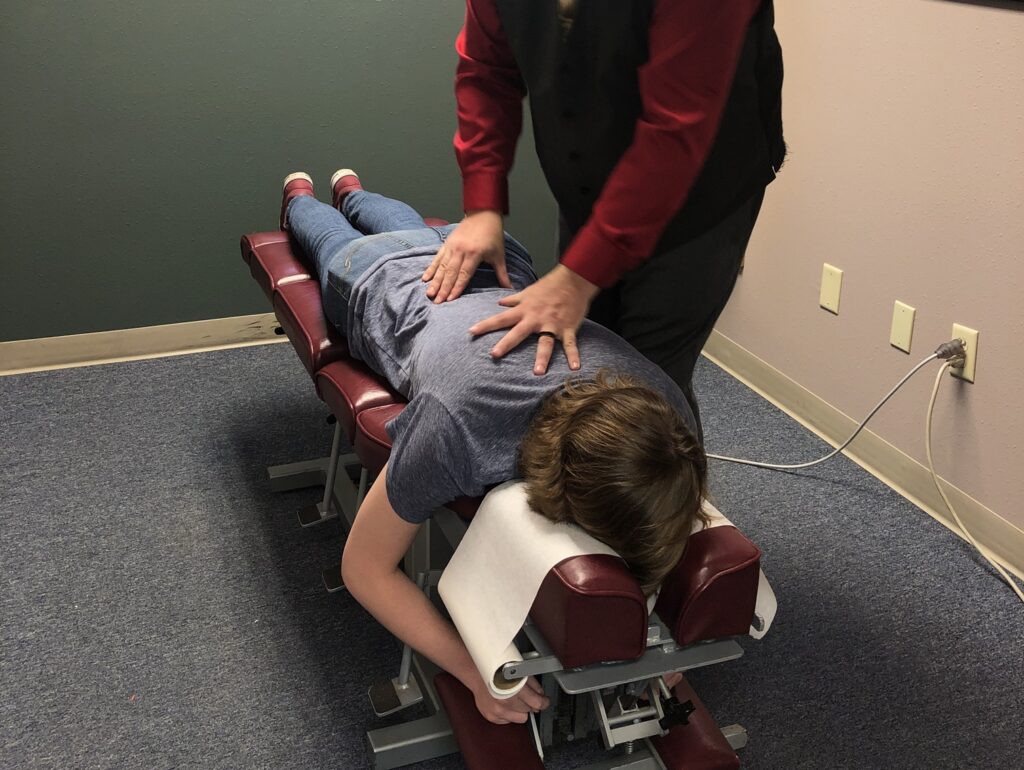
Chiropractic adjustments to the cervical and thoracic spine can help restore proper joint alignment and mobility, which may be disrupted after a whiplash event. When the vertebrae are moving well and aligned properly, the surrounding muscles often begin to relax, nerve irritation diminishes, and pain levels decrease. This is especially meaningful for those who want to avoid relying on pain medication for extended periods.
In addition to spinal adjustments, Dr. Westley Kuns may incorporate physical therapy modalities such as soft tissue work, therapeutic exercises, and rehabilitation protocols to support the healing process and rebuild strength and flexibility in the affected area. For cases involving disc involvement, spinal decompression therapy may also be considered as a non-invasive option to reduce pressure on the affected discs and nerves.
It’s also worth noting that whiplash doesn’t only affect the neck in isolation. The force of an impact often reverberates through the entire spine. Patients dealing with concurrent back pain following an accident, for example, benefit from care that addresses the whole spinal system — not just the cervical region alone.
Practical Tips for Recovery and Prevention
If you’re currently recovering from a whiplash injury, or if you want to reduce your risk in the future, there are several sensible steps you can take in your day-to-day life. None of these replace professional care, but they complement it meaningfully.
Keep Moving — Gently: Rest was once the primary recommendation for whiplash, but current evidence suggests that gentle, controlled movement is typically more beneficial than prolonged immobilization. Staying still for too long can allow muscles to stiffen further and may slow recovery. Light, pain-free neck movements as tolerated (in consultation with your chiropractor) are generally encouraged.
Support Proper Sleeping Posture: Sleep position matters a great deal when you’re recovering from a neck injury. A supportive cervical pillow that keeps the neck in a neutral position can reduce morning stiffness and help the tissues heal more effectively overnight. Avoid sleeping on your stomach, which forces the neck into sustained rotation.
Adjust Your Ergonomics: If you work at a desk, your monitor should be at eye level so you’re not looking down or craning your neck forward for extended periods. A forward head posture — even a mild one — adds significant mechanical stress to the already-injured cervical spine.
Apply Ice or Heat Appropriately: In the first 48 to 72 hours after a whiplash injury, ice can help manage inflammation. After that initial phase, gentle heat may be more comfortable for reducing muscle tension. Always use a barrier between the ice or heat source and your skin, and limit applications to 15 to 20 minutes at a time.
Stay Consistent With Your Care Plan: Skipping appointments or stopping care prematurely once the pain subsides is one of the most common mistakes patients make. Whiplash injuries involve deep soft tissue structures that take time to heal fully, even when surface-level symptoms improve. Completing your recommended care plan gives those tissues the best chance to recover properly.
When to See a Chiropractor
You don’t need to be in severe pain to benefit from chiropractic evaluation after a whiplash-type incident. In fact, the sooner you’re seen, the better. That said, there are clear indicators that it’s time to make that appointment sooner rather than later.
If you experience neck pain or stiffness that persists for more than a day or two after an accident or impact, scheduling an evaluation is a wise step. The same applies if you’re having headaches, dizziness, shoulder or arm discomfort, or difficulty turning your head normally. If you’ve been in a motor vehicle collision of any speed, getting assessed — even as a precaution — is always a reasonable choice.
There are also certain symptoms that warrant immediate medical attention and should prompt a visit to an emergency room rather than a chiropractic office first. These include loss of consciousness, severe confusion or disorientation, uncontrollable vomiting, loss of bladder or bowel control, or weakness/paralysis in the arms or legs. These are potential signs of serious neurological or structural injury that require urgent medical evaluation. Chiropractors like Dr. Westley Kuns are trained to recognize these red flags and will refer patients appropriately when the situation calls for it.
| Whiplash Symptom | Possible Underlying Cause | Appropriate Response |
|---|---|---|
| Neck pain and stiffness | Muscle strain, ligament sprain, or joint irritation | Chiropractic evaluation within 1–3 days of incident |
| Headaches at base of skull | Upper cervical joint restriction or muscle tension | Cervical assessment; chiropractic care often effective |
| Arm numbness or tingling | Nerve root irritation or disc involvement | Prompt evaluation; possible imaging referral |
| Dizziness or vertigo | Cervicogenic vertigo or inner ear disruption | Evaluation to differentiate cervical vs. vestibular cause |
| Jaw pain (TMJ-related) | Force transmitted to temporomandibular joint during impact | Chiropractic assessment; possible dental/TMJ referral |
| Loss of consciousness or paralysis | Serious neurological or structural injury | Emergency medical care immediately |
Myths vs. Facts About Whiplash
Myth: Whiplash Only Happens in High-Speed Collisions
Fact: Some of the most significant whiplash injuries have occurred in low-speed collisions — sometimes as slow as 5 mph. The mechanism of injury (the rapid acceleration-deceleration of the head) is what matters most, not the speed of the vehicle. Neck structures can be significantly strained even in minor fender-benders, which is why evaluation after any collision is worthwhile.
Myth: If There’s No Immediate Pain, You Weren’t Injured
Fact: As discussed earlier, whiplash symptoms are often delayed by 24 to 72 hours. Adrenaline and the body’s natural inflammatory response can mask pain in the immediate aftermath of an accident. Feeling fine right after an incident does not rule out a whiplash injury — it’s one of the most common misconceptions that leads people to skip an evaluation and then struggle with chronic symptoms later.
Myth: Whiplash Is Not a “Real” Injury
Fact: Whiplash is a legitimate and well-documented musculoskeletal injury recognized by medical and chiropractic organizations worldwide. It involves real damage to muscles, ligaments, tendons, and sometimes discs and nerve roots. The fact that it doesn’t always appear on X-rays doesn’t make it any less real — it simply means that soft tissue imaging (like MRI) or clinical examination is needed for a thorough assessment.
Myth: You Should Just Rest and It Will Go Away on Its Own
Fact: While mild whiplash symptoms may resolve with time, passive rest alone is not the most effective strategy for most cases. Current evidence supports early, guided movement and conservative care (including chiropractic treatment) over prolonged immobilization. Without proper treatment, some whiplash injuries transition into chronic neck pain that persists for months or even years.
Myth: Chiropractic Care Isn’t Appropriate for Whiplash
Fact: Chiropractic care is one of the most well-supported conservative treatment approaches for whiplash-associated disorders. Spinal manipulation, mobilization, and soft tissue therapies have been shown to help restore range of motion, reduce pain, and support recovery. At Kuns Chiropractic Clinic, comprehensive whiplash treatment is tailored to each patient’s specific presentation and needs.
Final Thoughts from Kuns Chiropractic Clinic
Whiplash is one of those injuries that can sneak up on you — and it’s one that benefits enormously from being understood and addressed early. Whether it happened in a rear-end collision on Powell Boulevard, a sports mishap, or a slip and fall, knowing what causes whiplash and recognizing the signs puts you in a much stronger position to advocate for your own health and recovery.
Here at Kuns Chiropractic Clinic in Gresham, OR, Dr. Westley Kuns genuinely cares about helping the people of this community feel better and move better — without relying solely on medication or invasive procedures. If you or someone you love has recently experienced an incident that may have caused a neck injury, please don’t wait for symptoms to become unbearable. Early evaluation and appropriate care can make a meaningful difference in your outcome.
If you’re curious about the full range of services we offer — from wellness chiropractic care for ongoing health maintenance to condition-specific treatment — we’re here to answer your questions and walk alongside you on your path to recovery. The Gresham community deserves access to informed, compassionate care, and that’s exactly what we strive to provide every day.
Frequently Asked Questions
How long does it take for whiplash to heal?
Recovery time varies depending on the severity of the injury and how promptly care is sought. Mild cases may resolve within a few weeks, while more significant injuries can take several months with consistent treatment. Early intervention with conservative care, such as chiropractic treatment, is associated with better and faster outcomes.
Can whiplash cause long-term problems if left untreated?
Yes. Untreated whiplash can lead to chronic neck pain, persistent headaches, and restricted range of motion that lingers for months or even years. Scar tissue can form in injured soft tissues, and spinal joint dysfunction that goes unaddressed may worsen over time. Seeking care early helps prevent acute injuries from becoming long-term issues.
Do I need an X-ray or MRI for a whiplash diagnosis?
Not always, but imaging can be helpful depending on the severity of the incident and your symptoms. X-rays can rule out fractures or significant structural damage, while MRI is better suited to evaluating soft tissue injuries like disc herniations or ligament tears. Dr. Westley Kuns will determine whether imaging is appropriate based on your clinical evaluation and can coordinate referrals when needed.
Can children get whiplash?
Yes, children can sustain whiplash injuries, particularly in car accidents. Their neck muscles are less developed than an adult’s, which can make them somewhat more vulnerable to certain types of cervical strain. If your child was involved in an accident or physical incident, a careful evaluation is worthwhile. Kuns Chiropractic Clinic also offers pediatric chiropractic care for younger patients with age-appropriate techniques.
Is it safe to see a chiropractor right after a whiplash injury?
In most cases, yes — chiropractic evaluation and gentle care can begin shortly after a whiplash incident, provided there are no signs of serious structural injury or neurological emergency. Dr. Westley Kuns performs a thorough assessment before beginning any treatment to ensure that the approach is safe and appropriate for the individual patient’s condition.
What’s the difference between a neck sprain and whiplash?
Whiplash is actually a type of neck sprain or strain caused by a specific mechanism — the rapid acceleration-deceleration of the head. The term “whiplash” refers to the injury mechanism and the resulting soft tissue damage. You can learn more about this type of injury on our dedicated sprain and strain injury treatment page, which covers how these injuries are evaluated and managed.
TL;DR Summary
- Whiplash is a soft tissue neck injury caused by sudden, forceful back-and-forth movement of the head — most commonly from rear-end car accidents, but also sports injuries, falls, and other impacts.
- Symptoms include neck pain, stiffness, headaches, dizziness, and sometimes arm numbness — and they are often delayed by 24 to 72 hours after the incident.
- Seeking evaluation promptly, even without severe pain, is important — untreated whiplash can become a chronic problem.
- Chiropractic care, including spinal adjustments, soft tissue therapy, and rehabilitative exercises, is a well-supported conservative approach to whiplash recovery.
- Dr. Westley Kuns at Kuns Chiropractic Clinic in Gresham, OR provides personalized whiplash evaluation and treatment to help patients in the local community recover safely and effectively.