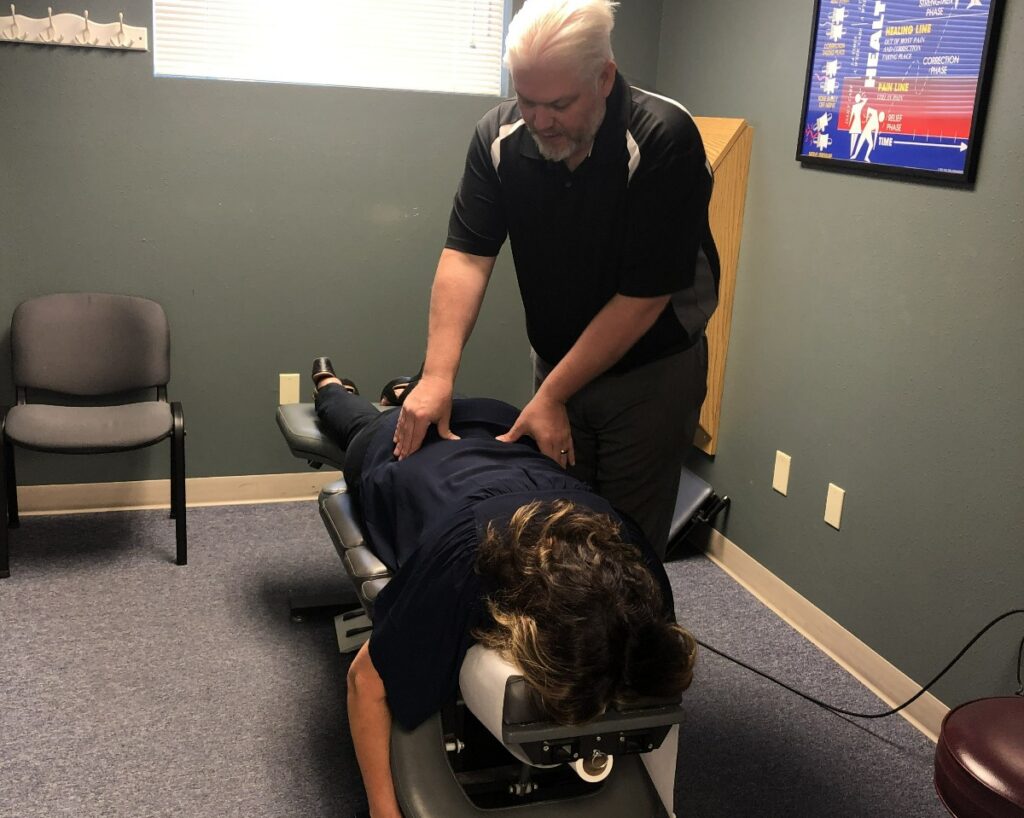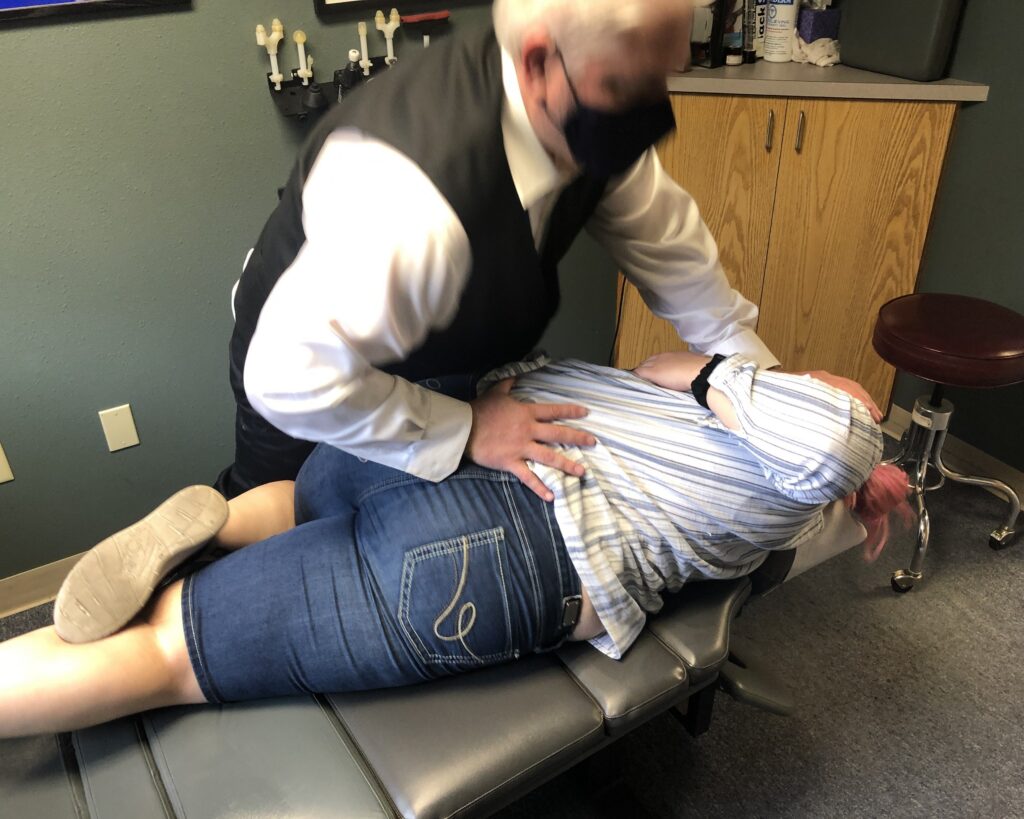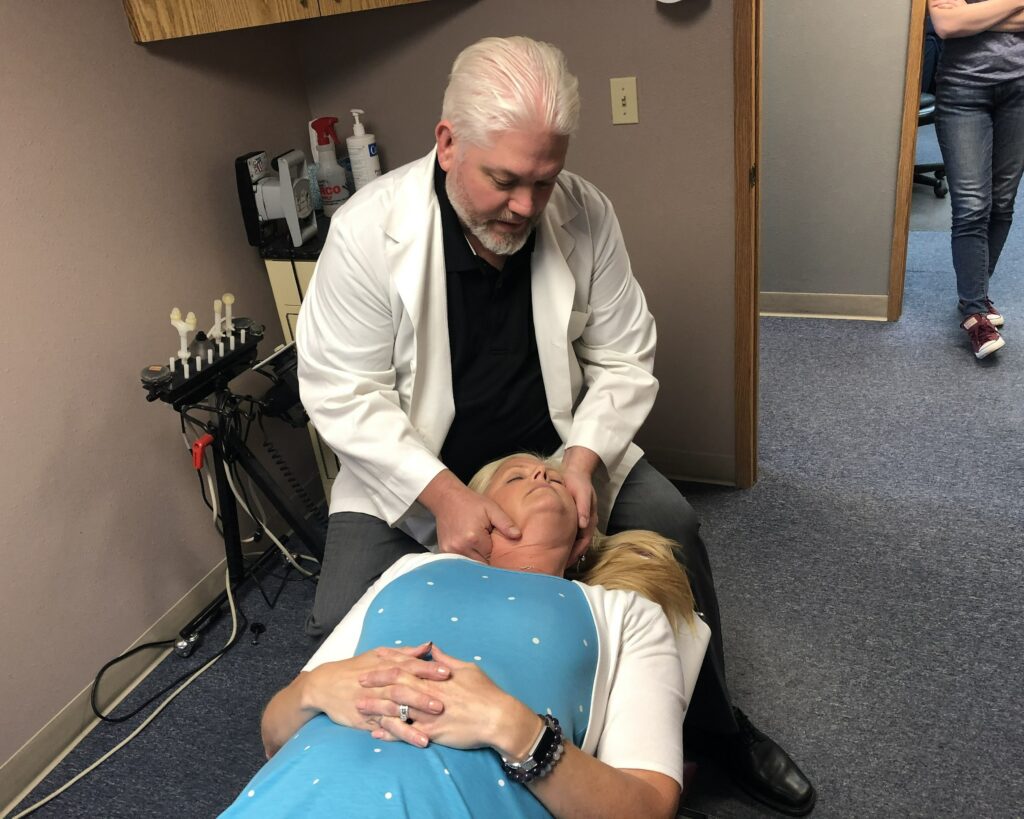

When you consider your healthcare options, personalized care stands out as a compelling choice. It's not just about a one-size-fits-all approach; it's about how treatment plans can adapt to your unique needs and preferences, ultimately leading to better health outcomes. You're not merely a patient; you become an active participant in your own care, fostering a stronger relationship with your provider. But what exactly contributes to this enhanced experience, and how does it translate into tangible benefits for you? Let's explore the key elements that make personalized care truly exceptional.
Enhanced Patient Engagement
Enhanced patient engagement is essential for improving health outcomes and ensuring that you feel more involved in your care. When you actively participate in your health journey, you're not just a passive recipient of treatment; you're a crucial partner in the process. This collaboration allows you to understand your condition better and make informed decisions alongside your healthcare team.
To enhance your engagement, start by asking questions during appointments. Don't hesitate to seek clarification on diagnoses, treatment options, or potential side effects. The more you know, the more empowered you'll feel.
Keeping a health journal can also be a great tool. Documenting your symptoms, medications, and any changes can provide valuable insights to your healthcare provider and help tailor your treatment plan to your specific needs.
Utilizing technology can further boost your engagement. Many healthcare systems now offer online portals where you can access your medical records, schedule appointments, and communicate directly with your providers. This accessibility allows you to take charge of your health like never before.
Improved Health Outcomes
Achieving improved health outcomes is the ultimate goal of personalized care. When you engage in personalized care, you're not just a passive recipient of treatment; you're an active participant in your health journey. This approach allows your healthcare providers to evaluate your unique characteristics—such as genetics, lifestyle, and personal preferences—when making decisions.
You'll find that care tailored to your individual needs can lead to more effective interventions. With personalized care, you're more likely to experience quicker recoveries and reduced complications. For instance, when your treatment aligns with your specific health profile, it targets the root causes of your issues rather than just addressing symptoms. This means fewer trial-and-error experiences with medications and therapies, leading to quicker relief and overall satisfaction.
Moreover, personalized care can help you avoid unnecessary procedures or medications. By understanding your unique situation, healthcare providers can focus on what truly matters for your health. This not only saves you time but also minimizes costs associated with ineffective treatments.
Additionally, when you feel that your healthcare is centered around you, your motivation to adhere to treatment plans increases. You'll be more inclined to follow through with lifestyle changes or medication regimens, knowing they're designed specifically for you.
Tailored Treatment Plans
When it comes to your health, having a treatment plan tailored specifically for you makes all the difference. A one-size-fits-all approach often overlooks your unique medical history, lifestyle, and personal preferences. By customizing your treatment plan, you guarantee that it aligns with your specific needs and goals, which can lead to more effective outcomes.
Imagine working closely with your healthcare provider to design a plan that considers not just your diagnosis but also your daily routine, nutritional habits, and emotional well-being. This collaborative effort allows you to incorporate strategies that resonate with you, making it easier to stay committed.
For instance, if you prefer natural remedies or have dietary restrictions, a personalized plan can integrate those elements, enhancing your overall experience.
Moreover, tailored treatment plans often involve ongoing assessments. This means your healthcare provider will regularly check in and adjust your plan based on how you're responding to treatment. This flexibility is essential, as it lets you pivot when something isn't working or if your circumstances change.
You'll feel empowered, knowing that your treatment is dynamic and responsive to your evolving health status.
Ultimately, a personalized treatment plan fosters a sense of ownership over your own health journey. You're not merely a patient; you're an active participant in your care. By choosing a tailored approach, you're taking a significant step toward better health outcomes and a more fulfilling life.
Stronger Patient-Provider Relationships
Building a stronger relationship with your healthcare provider starts with trust and transparency.
When you communicate openly, you pave the way for better understanding and tailored treatment plans.
Enhanced communication skills between you and your provider can greatly improve your overall care experience.
Trust and Transparency
Trust and transparency form the bedrock of strong patient-provider relationships. When you feel confident that your healthcare provider is honest and straightforward, it creates a safe space for you to share your concerns. This essential trust encourages open dialogue, letting you discuss your health without fear of judgment.
Transparency in treatment options, risks, and benefits helps demystify the healthcare process. When your provider openly discusses these elements, you're more likely to feel empowered in your healthcare decisions. You can better understand your options and what's best for your unique situation, leading to a more tailored approach to your care.
Furthermore, trust fosters adherence to treatment plans. When you believe in your provider's intentions and expertise, you're more inclined to follow their recommendations. This mutual trust can greatly improve health outcomes, as you're actively participating in your care journey.
Ultimately, when trust and transparency are prioritized, both you and your provider can engage in a more collaborative relationship. This collaboration not only enhances your experience but also supports better health results, making personalized care a truly effective choice for your well-being.
Enhanced Communication Skills
Effective communication is essential for fostering stronger patient-provider relationships. When you engage openly with your healthcare provider, you create an environment where trust flourishes. You'll feel more comfortable sharing your concerns, experiences, and preferences, which helps your provider understand your unique situation. This two-way dialogue guarantees that you're both on the same page.
By honing your communication skills, you can express your symptoms clearly and ask questions without hesitation. This proactive approach not only empowers you but also enables your provider to offer more accurate insights and guidance. When you actively participate in discussions about your health, you're more likely to feel heard and validated.
Moreover, strong communication skills can help your provider convey important information in ways that are easy for you to understand. They can explain complex medical terms or treatment options without overwhelming you. This clarity reduces confusion, making it easier for you to make informed decisions about your care.
In essence, enhanced communication fosters a collaborative atmosphere where both you and your provider work together toward better health outcomes. By nurturing this relationship, you'll experience more personalized care that truly meets your needs.
Tailored Treatment Plans
Creating a tailored treatment plan is essential for achieving ideal health outcomes. When you work closely with your healthcare provider to develop a plan that reflects your unique needs, preferences, and lifestyle, you're setting yourself up for success. A personalized approach fosters stronger patient-provider relationships, which can lead to better communication and trust.
By sharing your concerns and goals, you allow your provider to understand what truly matters to you. This collaboration encourages a sense of ownership over your health journey, making it more likely you'll stick to the plan.
Tailored treatment plans also consider factors like your medical history, current conditions, and even your emotional well-being, resulting in an all-encompassing strategy that addresses all aspects of your health.
Moreover, when your treatment plan is customized, you're more likely to experience fewer side effects and better outcomes. It's not just about medications or procedures; it's about finding what works best for you.
In the end, a tailored approach not only enhances your physical health but also empowers you, making you an active participant in your care. So, take the initiative to engage in this process; your health deserves it.
Increased Patient Satisfaction
Personalized care transforms the patient experience, leading to increased satisfaction and better health outcomes. When you receive care tailored specifically to your needs, preferences, and circumstances, it makes a world of difference. You're not just another patient; you're an individual with unique health challenges and goals. This approach fosters a strong doctor-patient relationship, where you feel heard and valued.
Imagine walking into a clinic where every staff member knows your name and understands your medical history. You'll likely feel more comfortable discussing your concerns, leading to more open communication. This transparency allows healthcare providers to address your needs more effectively, which can enhance your overall experience.
When you're actively involved in decision-making about your care, you're more likely to follow through with treatment plans, knowing they're designed just for you. Moreover, personalized care often results in quicker response times to your needs. Whether it's adjusting a medication or providing additional resources, your healthcare team is focused on ensuring you feel better, faster.
This level of attention can greatly reduce anxiety and stress, which often accompany medical visits. Additionally, when you see that your healthcare provider is genuinely invested in your well-being, it boosts your confidence in their expertise. You're more inclined to trust their recommendations, leading to adherence to treatment plans and better health outcomes.
Ultimately, personalized care nurtures a positive healthcare experience that enhances your satisfaction and empowers you on your journey to better health.
Holistic Approach to Care
When you think about a holistic approach to care, it's vital to focus on individualized treatment plans that address your unique needs.
This method also emphasizes emotional and mental support, recognizing that your well-being goes beyond just physical health.
Extensive health assessments play a key role in creating a care strategy tailored specifically for you.
Individualized Treatment Plans
A holistic approach to care emphasizes the importance of individualized treatment plans that cater specifically to your unique needs and circumstances. When you engage in personalized care, your healthcare team focuses on understanding your medical history, lifestyle, preferences, and goals. This thorough understanding allows them to design a treatment plan that's tailored just for you.
Individualized treatment plans take into account not only your physical health but also your emotional and social well-being. By considering these aspects, providers can create strategies that enhance your overall quality of life.
Whether you're dealing with a chronic condition or recovering from surgery, the right plan will prioritize your specific requirements and preferences, guaranteeing that you remain an active participant in your care.
Moreover, individualized plans can adapt over time. As your needs change, your healthcare team can reassess and modify your treatment to make sure it continues to serve you effectively. This flexibility is vital for achieving the best possible outcomes.
Ultimately, when you embrace an individualized treatment plan, you empower yourself to take control of your health journey, leading to more satisfying and successful results.
Emotional and Mental Support
Everyone deserves emotional and mental support as part of their healthcare journey. When you undergo treatment, it's not just your physical health that matters; your emotional and mental well-being are equally vital.
Personalized care recognizes this need and integrates emotional support into your healing process.
With a holistic approach, you can experience benefits that enhance your overall health:
- Increased Resilience: Emotional support helps you cope with stress and challenges during treatment.
- Enhanced Communication: Open dialogues with your care team foster trust and understanding.
- Better Compliance: Feeling supported encourages you to adhere to treatment plans and appointments.
- Improved Outcomes: Mental well-being contributes to more effective recovery and healing.
- Stronger Relationships: Personalized support nurtures connections with loved ones, making your journey less isolating.
Comprehensive Health Assessments
Personalized care extends beyond emotional and mental support by incorporating extensive health assessments that consider all aspects of your well-being. These thorough evaluations dive deep into your physical health, lifestyle choices, and even social circumstances, providing a holistic view of your health.
When you undergo a thorough health assessment, it's not just about checking numbers or diagnosing conditions. Instead, it's about understanding how various factors interconnect and affect your overall health. Your healthcare provider will evaluate your medical history, conduct necessary tests, and discuss your lifestyle habits, such as diet and exercise. This collaborative approach guarantees that your care is tailored specifically to you.
By focusing on all aspects of your health, you can identify potential issues before they escalate. You'll also gain insights into areas where you can improve, leading to better health outcomes. The goal is to empower you to take charge of your health journey, making informed decisions that align with your unique needs.
Ultimately, thorough health assessments are the cornerstone of personalized care, guaranteeing that every aspect of your health is addressed for a more balanced and fulfilling life.
Greater Flexibility and Adaptability
In today's healthcare landscape, greater flexibility and adaptability are essential for meeting the diverse needs of patients. Personalized care thrives on these qualities, allowing you to receive treatment tailored specifically to your situation. This approach can markedly enhance your healthcare experience, making it more relevant and effective.
When healthcare providers embrace flexibility and adaptability, they can respond better to changing circumstances and preferences. Here are a few ways this benefits you:
- Customized Treatment Plans: Your healthcare team can adjust your treatment based on your progress and feedback, ensuring it aligns with your evolving needs.
- Convenient Access: Whether it's telehealth visits or flexible scheduling, you can choose what works best for you, making healthcare more accessible.
- Holistic Approach: Providers can incorporate various aspects of your life, including mental health and lifestyle factors, leading to a thorough care plan that addresses all your needs.
- Real-Time Adjustments: If a treatment isn't working as expected, your team can quickly pivot to a different approach, minimizing downtime and enhancing your recovery.
- Patient Empowerment: You're encouraged to take an active role in your care, fostering a partnership that promotes better outcomes.
Conclusion
To sum up, personalized care truly stands out as the best choice for your healthcare journey. By focusing on your unique needs and preferences, it fosters engagement and builds stronger relationships with your providers. With tailored treatment plans and a holistic approach, you'll likely experience improved health outcomes and higher satisfaction. Embracing this flexible and adaptive model empowers you to take an active role in your health, ensuring a more fulfilling healthcare experience overall.