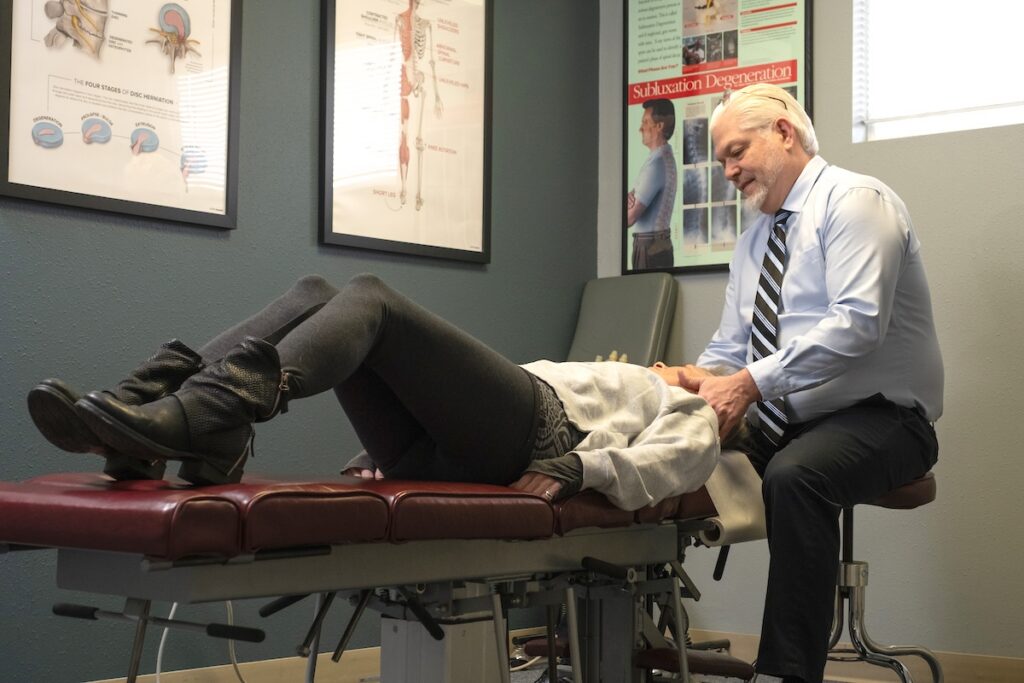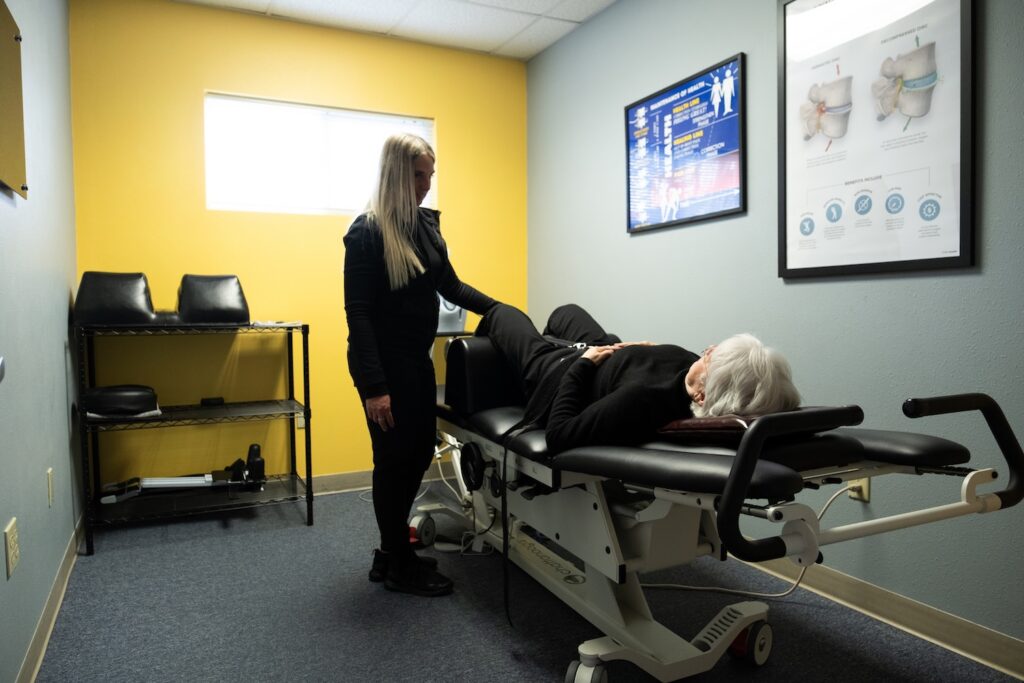

When you experience a sports injury, choosing chiropractic care can significantly impact your recovery journey. It's not just about repairing the physical damage; chiropractic therapy also addresses the mental challenges that often accompany injuries. By utilizing holistic techniques that focus on spinal alignment and overall body function, chiropractic care can enhance your recovery process and establish a foundation for lasting health.
Unlike traditional methods that may rely heavily on medication or invasive procedures, chiropractic care emphasizes natural healing. Our approach focuses on identifying and treating the root cause of your pain, rather than just alleviating symptoms. This can lead to a more effective and sustainable recovery.
By engaging in chiropractic therapy, you can expect several key benefits, including improved mobility, reduced pain, and a better understanding of how to prevent future injuries. Additionally, our techniques can help you regain your confidence and mental resilience, allowing you to return to your sport stronger than before.
If you're unfamiliar with chiropractic care, I invite you to explore how it can redefine your path to recovery and support your overall well-being.
Understanding Sports Injuries
As a local chiropractor, I often encounter patients who are unfamiliar with sports injuries and the ways in which chiropractic care can help.
So, what're sports injuries, and how do they come about? Sports injuries are physical ailments that occur during athletic activities, frequently resulting from the stresses of competition or training. These injuries can vary widely, from sprains and strains to fractures and concussions.
Many times, sports injuries arise from overuse, improper techniques, or accidents during play. It's important to understand the mechanics behind these injuries to effectively prevent them in the future. For instance, when you push your body beyond its limits—like running without proper warm-up or using inadequate equipment—you increase your chances of straining a muscle or twisting an ankle.
Repetitive motions, such as swinging a bat or throwing a ball, can also lead to overuse injuries, which develop gradually and can be just as debilitating as acute injuries.
As your chiropractor, I emphasize the importance of recognizing the early signs of potential injuries. If you're feeling persistent pain, swelling, or instability in a joint, please don't overlook these symptoms. Many athletes attempt to push through discomfort, but this can lead to more severe damage down the line.
Being attuned to your body's signals and understanding the common types of sports injuries can significantly reduce your risk. Incorporating proper warm-up routines, maintaining good technique, and listening to your body are essential strategies to keep you in the game longer and support faster recovery.
Chiropractic care emphasizes a holistic approach to health and well-being, focusing on the spine and musculoskeletal system. By addressing misalignments and enhancing your body's natural healing abilities, we can help you improve your athletic performance and reduce the risk of injuries.
I encourage everyone to take the time to learn about sports injuries and prioritize your well-being in every activity you engage in. Remember, your health is your greatest asset!
Benefits of Therapeutic Approaches
As a local chiropractor, I want to share with you the incredible benefits of therapeutic approaches for sports injuries.
When you consider chiropractic care and other natural healing methods, you're not just facilitating a quicker recovery for your body; you're also enhancing your mental resilience.
These therapies not only promote efficient healing but also empower your mindset, equipping you to face future challenges with confidence.
By embracing a holistic approach to your recovery, you'll find that it can make a substantial difference in your overall healing journey.
Let's explore how chiropractic care can support you every step of the way!
Enhanced Healing Process
As a local chiropractor, I want to share the importance of therapeutic approaches in enhancing the healing process for sports injuries. Many people may not be familiar with how techniques like chiropractic care, physical therapy, and massage can significantly reduce recovery time and improve overall function.
When you seek chiropractic care, you're not just addressing the symptoms of your injury; you're getting to the root causes. This holistic approach focuses on restoring balance and alignment in your body, promoting better blood flow and reducing inflammation—two critical factors for effective healing.
Engaging in chiropractic practices can help you regain mobility and strength, allowing you to return to your sport with increased confidence. In our clinic, we may also use therapies such as ultrasound and electrical stimulation, which can accelerate tissue repair by boosting cellular activity.
Incorporating therapeutic exercises into your routine is another essential part of the healing process. These exercises help maintain and build strength in the affected area, taking a proactive stance not just for recovery, but also for preventing future injuries.
By choosing chiropractic care and committing to these therapeutic approaches, you're investing in a faster and more efficient recovery process. Ultimately, the combination of targeted treatment and personalized care we provide sets a solid foundation for your successful return to your favorite activities.
Prioritize your healing journey with chiropractic care, and experience the benefits firsthand!
Improved Mental Resilience
Sports injuries can impact not just your physical body but also your mental well-being. As a chiropractor, I understand that when you're sidelined due to an injury, it can lead to feelings of frustration, anxiety, and self-doubt, all of which can take a toll on your overall mental health.
This is where a holistic approach to healing, including chiropractic care and therapeutic practices, can be incredibly beneficial. Chiropractic care focuses on restoring balance and function to your body, which can help alleviate some of the physical discomfort associated with injuries.
But it's not just about the body; it's also about supporting your mental resilience. By incorporating therapeutic approaches alongside chiropractic adjustments, you can learn effective strategies to navigate the emotional ups and downs that often accompany the recovery process.
In our sessions, we can work on developing coping mechanisms that empower you to manage stress and anxiety, fostering a positive mindset during your healing journey. Additionally, we can set specific goals together, keeping you focused and motivated as you make progress in your recovery.
This sense of purpose can significantly enhance your mental outlook. As you work through both your physical and emotional challenges, you'll discover that building mental resilience isn't just about bouncing back; it's about emerging even stronger from adversity.
Overcoming setbacks with our integrated approach can boost your confidence, preparing you for future challenges in both sports and life. By prioritizing your mental health alongside your physical recovery, you create a comprehensive pathway to healing that benefits your entire being.
Physical Rehabilitation Techniques
As a local chiropractor, I want to share how essential physical rehabilitation techniques are in your journey to recover from a sports injury. Understanding these methods can make a significant difference in your recovery process, helping to restore strength, flexibility, and functionality in a natural way.
A personalized rehabilitation program tailored to your specific needs can notably speed up your recovery. Techniques we commonly use include manual therapy, targeted exercises, and natural modalities such as heat or cold therapy, all designed to address your unique injury.
Manual therapy is a hands-on approach that involves manipulating muscles and joints. This technique can effectively reduce pain, improve circulation, and enhance mobility. When you come in for treatment, I'll guide you through these methods, ensuring you're using the right techniques to support your healing journey.
Strengthening exercises are absolutely vital as they help rebuild the muscles surrounding the injured area. Together, we'll create a progressive strength-training program that gradually increases in intensity. This carefully monitored approach allows you to regain your strength safely, minimizing the risk of reinjury.
Flexibility exercises, including stretching, are just as important. They help improve your range of motion and prevent stiffness, which is often a common issue after an injury. Incorporating these stretches into your daily routine will significantly aid in restoring your overall mobility.
Lastly, we may use natural modalities like ultrasound or electrical stimulation, which can help reduce inflammation and promote tissue healing. These techniques are often integrated into your rehabilitation plan, supporting your body's natural recovery processes.
Psychological Support and Recovery
Recovering from a sports injury involves more than just addressing the physical aspects; it also requires a focus on mental resilience. As a chiropractor, I understand that the emotional impact of an injury can be significant, and it's crucial to consider these psychological factors to ensure a comprehensive recovery. Many athletes experience feelings of frustration, anxiety, or even depression as they journey through rehabilitation, and it's important to acknowledge these emotions.
In my practice, I emphasize the importance of a holistic approach to healing, which includes psychological support. While chiropractic care primarily focuses on the alignment of the spine and musculoskeletal system to promote physical healing, I also encourage patients to explore the mental side of recovery. Engaging in supportive conversations about your feelings can be incredibly beneficial during this time.
Working with a therapist trained in sports psychology can complement your chiropractic care. These professionals understand the unique challenges athletes face and can assist you in developing effective coping strategies. Together, you can process your emotions, set realistic recovery goals, and maintain focus on your healing journey. This mental support can help lighten the emotional burden and allow you to dedicate your energy to regaining your physical strength.
Furthermore, therapy encourages open dialogue about your injury and its implications in your life. It's completely normal to have concerns about your performance after an injury, but discussing these feelings with a knowledgeable professional can provide valuable perspective.
Recognizing and acknowledging your emotions is a key step towards achieving a full recovery, and I'm here to support you in both your physical and mental healing processes.
Building Mental Resilience
As a local chiropractor, I want to emphasize the importance of building mental resilience as part of your recovery journey. Many of you may not be aware that mental barriers can affect not only your emotional well-being but also your physical healing process.
By incorporating the right strategies into your routine, you can enhance your focus and boost your confidence, which are crucial for effective recovery.
In our practice, we believe that mental resilience goes hand-in-hand with your physical health. When you work on strengthening your mindset, you're not just speeding up your recovery; you're also setting yourself up to emerge stronger and more balanced than you were before.
Embracing natural healing methods, including chiropractic care, can support both your physical and mental well-being, helping you to overcome obstacles and achieve a healthier lifestyle.
Overcoming Mental Barriers
While physical recovery from a sports injury is crucial, it's equally important to address any mental barriers that may arise during the healing process. As a chiropractor, I often see how injuries can lead to fear, self-doubt, and anxiety, which can significantly impact your confidence and motivation to return to peak performance.
It's essential to tackle these mental challenges alongside your physical recovery. Engaging in therapy can be a beneficial approach to identifying and confronting these barriers. Working with a mental health professional allows you to reframe negative thoughts and cultivate a more positive mindset. Techniques like cognitive-behavioral therapy can help you challenge your fears and replace them with empowering beliefs.
Understanding and recognizing your emotions is a crucial step in rebuilding mental strength. Additionally, I encourage my patients to explore visualization techniques. By imagining yourself successfully returning to your sport, you can create a mental bridge between fear and confidence.
Along with this, setting realistic and achievable goals will help maintain your focus and motivation throughout your recovery journey. At our chiropractic clinic, we believe in a holistic approach to healing, which encompasses both physical and mental well-being.
Enhancing Focus and Concentration
As a local chiropractor, I want to emphasize the crucial role mental resilience plays in your journey to enhance focus and concentration during recovery.
It's important to understand that healing isn't just about your body; your mind must also be strong and clear. When you're dealing with an injury, distractions can easily divert your attention from your rehabilitation goals. That's where chiropractic care can support you in developing the mental strength needed to remain present and focused.
Through a combination of chiropractic adjustments and holistic techniques, we can help you cultivate a focused mindset. Techniques such as mindfulness and cognitive-behavioral strategies can be integrated into your care plan, allowing you to train your mind to minimize distractions and improve concentration.
By setting specific, manageable goals during your sessions, you'll learn to channel your energy effectively, which is key to productive recovery.
Additionally, as we work together, I can provide you with coping strategies to manage moments of frustration or doubt that may arise during your healing process. Building mental resilience not only prepares you to handle setbacks but also keeps your concentration sharp and your focus unwavering.
As you develop these skills alongside your physical rehabilitation, you'll gain a deeper understanding of your mental capabilities, setting a solid foundation for your athletic future.
Boosting Confidence and Motivation
Confidence and motivation play a crucial role in your recovery journey, especially when dealing with a sports injury. As your local chiropractor, I understand that being sidelined can lead to feelings of discouragement and self-doubt about your abilities.
That's why I'm here to help you rebuild that confidence and reignite your motivation through natural healing methods. Chiropractic care not only addresses the physical aspects of your injury but also supports your mental and emotional well-being.
Together, we can create a plan that includes setting achievable goals. I'll assist you in establishing realistic milestones that allow you to celebrate small victories as you progress. Each achievement, no matter how small, reinforces your belief in your capacity to heal and recover.
In addition, I encourage you to visualize your success. Imagine yourself returning to peak condition; this mental imagery can be a powerful tool that fuels your determination.
Long-term Health Advantages
As a local chiropractor, I want to emphasize the long-term health advantages of engaging in therapy for sports injury recovery, especially when it comes to chiropractic care and natural healing. When you choose to invest time in therapy, you're not just addressing your immediate injuries; you're also laying the foundation for a healthier and more resilient future.
One of the significant benefits of chiropractic therapy is the improvement of your musculoskeletal health. Regular adjustments and therapeutic sessions help to strengthen your muscles, increase flexibility, and enhance joint stability. This proactive approach reduces the likelihood of future injuries, helping you stay active and engaged in the sports and activities you love.
In addition to physical benefits, chiropractic therapy emphasizes proper movement patterns and biomechanics. Learning how to move correctly minimizes strain on your body, whether you're participating in sports or going about your daily life. This knowledge fosters a lifelong commitment to injury prevention, allowing you to enjoy your favorite activities without the worry of setbacks.
Another crucial advantage of chiropractic care is the psychological resilience it cultivates. Working closely with a chiropractor can help you develop coping strategies and mental fortitude. Overcoming the challenges of an injury not only builds your confidence but also instills a proactive mindset that can be beneficial in all areas of life.
Moreover, consistent chiropractic therapy leads to better overall health. A structured recovery plan often results in improved physical fitness and mental well-being, encouraging you to maintain an active lifestyle.
This holistic approach not only aids in recovery but also promotes longevity and a higher quality of life. By choosing chiropractic care, you're making a valuable investment in your long-term health and well-being, setting a strong foundation for a vibrant future.
Conclusion
When it comes to recovering from a sports injury, choosing chiropractic care is about more than just physical healing; it's also about supporting your overall well-being. As a local chiropractor, I want to emphasize the importance of addressing both your body and mind during recovery. Chiropractic therapy focuses on physical rehabilitation through adjustments and targeted treatment, but it also encourages mental resilience, helping you cope with the psychological aspects of an injury.
By opting for a holistic approach that includes chiropractic care, you not only enhance your recovery process but also lay the groundwork for long-term health and injury prevention. Our goal is to help you bounce back stronger and more aware of your body's needs. So, if you find yourself facing an injury, consider chiropractic care as your partner in the journey to regain your strength and return to peak performance.