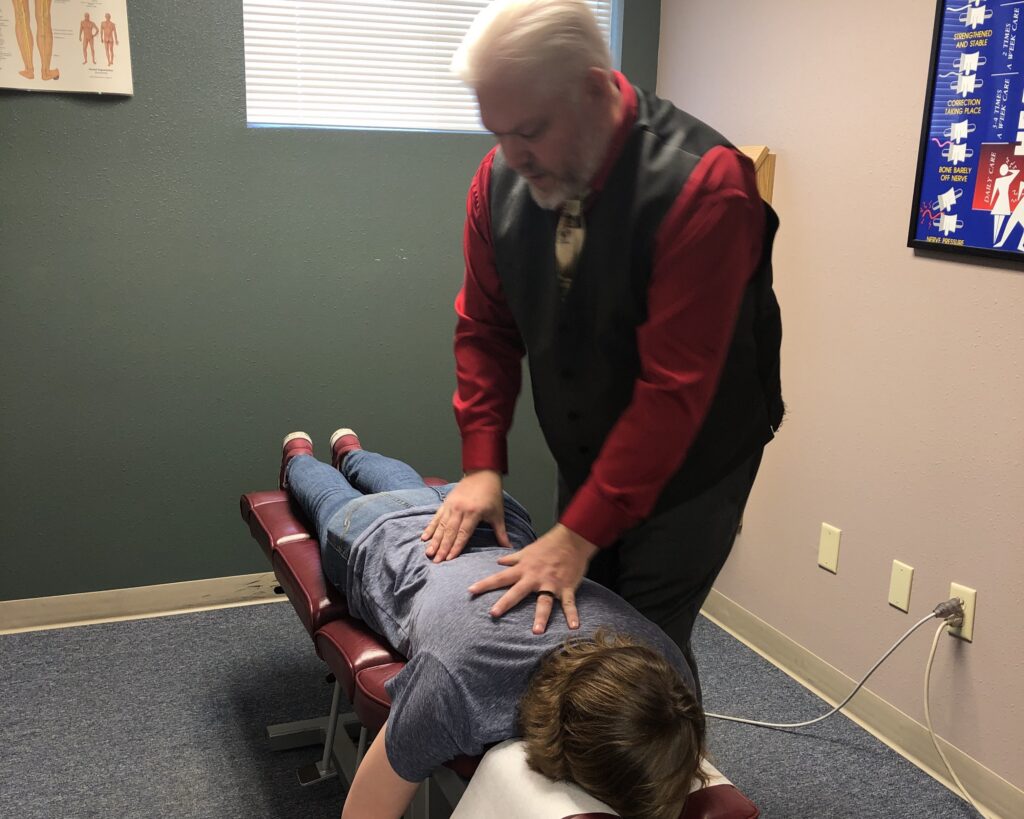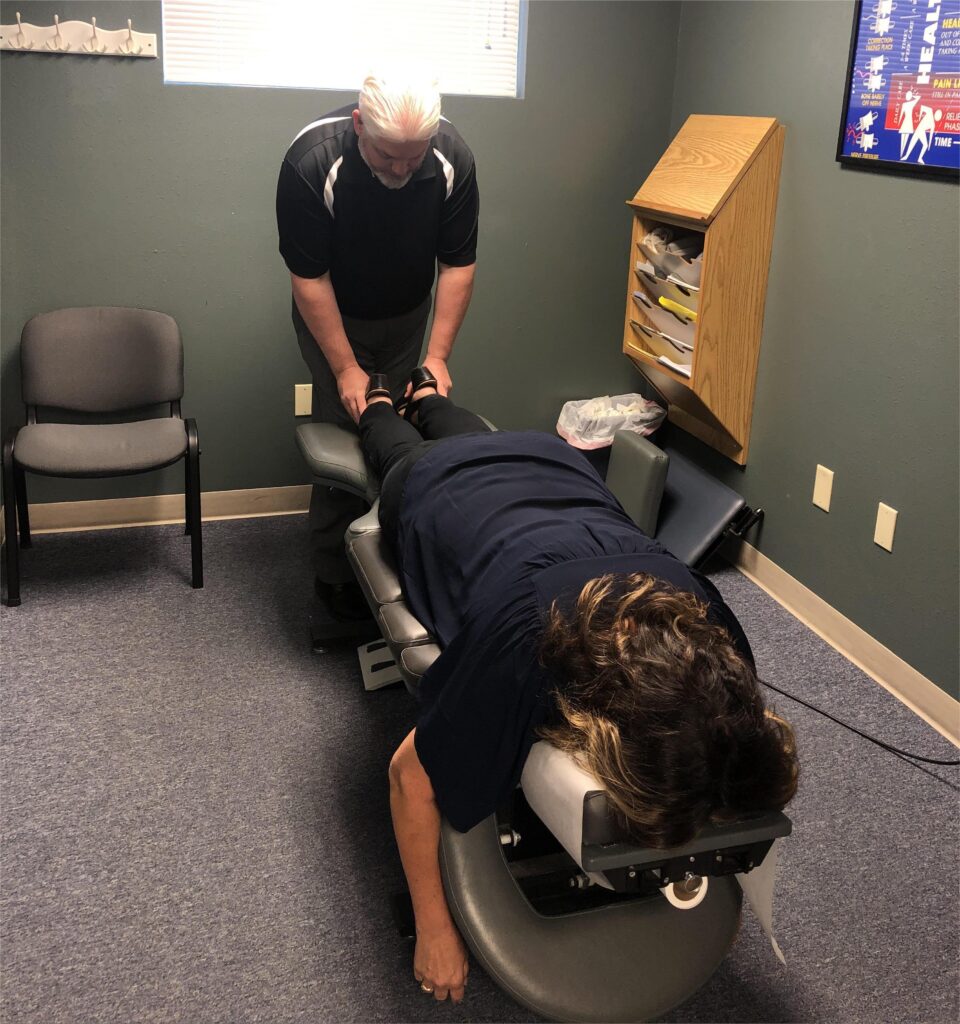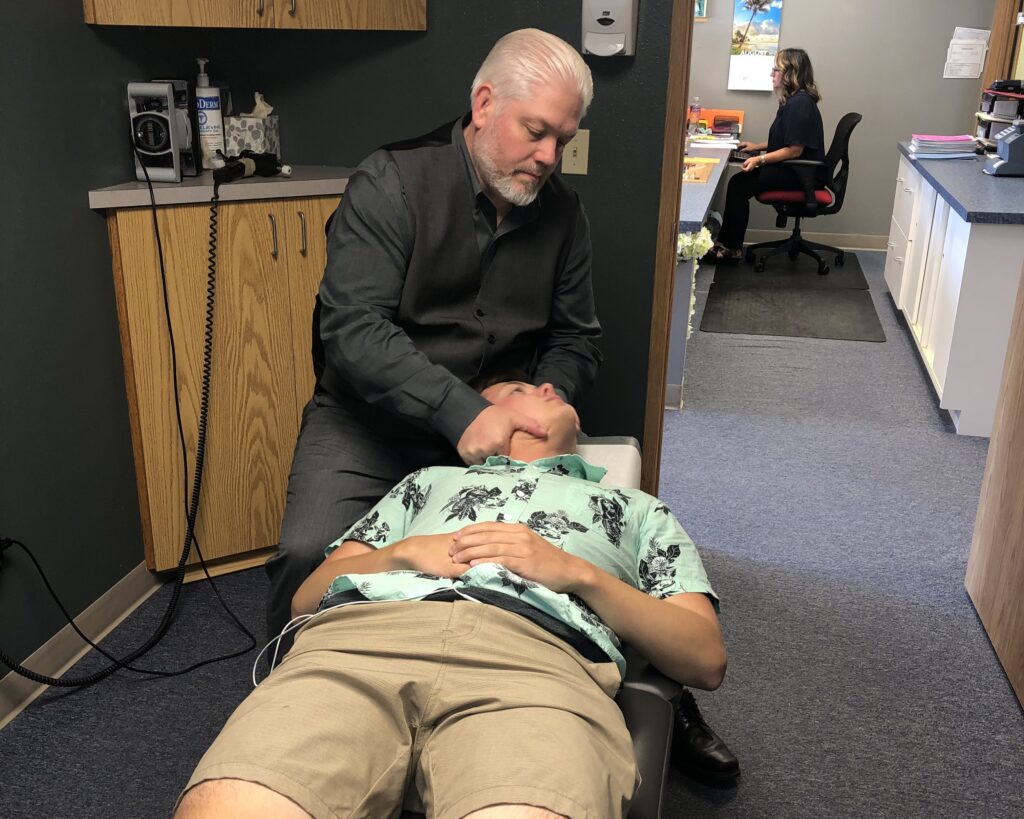

When you face a sports injury, it's important to consider how certain adjustments can support your recovery process. As a chiropractor, I want to emphasize that these adjustments are designed to help realign your spine and improve your mobility, which can significantly alleviate pain and reduce inflammation. By integrating specific chiropractic treatments into your rehabilitation plan, you can enhance the strength and flexibility of the affected areas, paving the way for a quicker and more effective recovery. So, what types of adjustments should you think about, and how might they enhance your overall athletic performance? Let's explore how chiropractic care can be a vital part of your healing journey.
Understanding Sports Injuries
As a local chiropractor, I want to share some important insights about sports injuries that everyone should know. Contrary to popular belief, sports injuries aren't exclusive to professional athletes; anyone, from casual weekend warriors to dedicated fitness enthusiasts, can experience them. Understanding sports injuries is crucial for maintaining an active and healthy lifestyle.
Sports injuries often arise when individuals push their bodies beyond their limits. This can happen due to improper technique, overtraining, or insufficient warm-up routines. Common injuries include sprains, strains, fractures, and tendonitis, which can all impact your ability to stay active.
Being able to recognize the early signs of an injury is vital. Symptoms such as pain, swelling, and limited mobility serve as important warning signals that shouldn't be overlooked. Ignoring these signs can lead to more serious damage and extend your recovery time.
It's also worth noting that different sports come with unique injury risks. For example, runners are frequently prone to knee injuries, while swimmers may encounter shoulder problems. Understanding these tendencies can empower you to take proactive steps in preventing injuries.
Prevention is key to a healthy lifestyle. You can significantly reduce your risk of injury by practicing proper techniques, maintaining flexibility through regular stretching, and incorporating strength training into your fitness routine.
Additionally, don't underestimate the importance of rest and recovery—your body requires time to heal and rebuild after rigorous workouts.
As a chiropractor, I'm here to support you in your journey to stay active and injury-free. By focusing on natural healing and overall wellness, we can work together to keep you moving and enjoying the activities you love.
Importance of Tailored Rehabilitation
Recovering from a sports injury goes beyond just taking a break; it requires a personalized rehabilitation strategy, especially in the realm of chiropractic care. Each injury is distinct, and your body's response to it is equally unique. That's why a generic recovery plan simply won't suffice. Instead, you need a rehabilitation program specifically tailored to your injury, your particular sport, and your individual needs.
In chiropractic care, we emphasize the importance of a customized rehabilitation approach that considers your specific injury, current physical condition, fitness level, and any pre-existing issues you may have. This personalized strategy ensures that you're not merely healing but actively rebuilding strength and flexibility in the injured area.
Our goal is to help you regain your range of motion and prepare your body to meet the demands of your sport effectively. A tailored rehabilitation plan typically includes specific exercises that engage the muscles surrounding your injury, promoting stability and minimizing the risk of re-injury.
By adhering to a program designed just for you, you can monitor your progress and make necessary adjustments according to your body's responses. This leads to a more efficient recovery process, allowing you to return to your sport sooner and with renewed confidence.
Moreover, collaborating closely with healthcare professionals, including chiropractors, ensures you receive expert guidance throughout your recovery journey. We provide the right techniques, adjustments, and modifications needed for your rehabilitation.
Embracing a tailored chiropractic rehabilitation approach is crucial not only for recovering from your injury but also for enhancing your overall athletic performance. Remember, natural healing is about treating the whole person, and we're here to support you every step of the way.
Modifying Training Routines
As a local chiropractor, I want to emphasize the importance of modifying your training routine when dealing with a sports injury. This adjustment is crucial for a safe and effective recovery, and it's essential to listen to your body during this time.
First, take a moment to evaluate your current limitations; identify which movements or exercises may be exacerbating your injury. With this understanding, you can create a tailored plan that allows you to remain active while providing your body with the necessary rest.
Consider lowering the intensity of your workouts. If you're accustomed to high-impact activities, transitioning to low-impact alternatives can be beneficial. Activities like swimming, cycling, or walking can help maintain your cardiovascular fitness without putting additional strain on the injured area.
Additionally, you can focus on strength training by targeting different muscle groups that aren't affected by your injury. This strategy helps prevent muscle atrophy while allowing the injured area the time it needs to heal.
Incorporating flexibility and mobility exercises into your routine is also important. Gentle stretching can enhance your overall range of motion and encourage blood flow to the injured area, which aids in recovery.
Always remember to perform proper warm-ups and cool-downs to minimize strain on your body.
I encourage you to consult with a chiropractor or healthcare professional who understands your injury. They can assist in designing a modified training routine that aligns with your recovery goals.
Role of Physical Therapy
Incorporating chiropractic care into your recovery process can significantly enhance your healing journey. Chiropractic therapy plays a crucial role in helping you regain strength, flexibility, and mobility after an injury. As a local chiropractor, I assess your condition and create a personalized treatment plan tailored specifically to your needs. This individualized approach ensures that we address not only your injury but also work towards improving your overall physical well-being.
During your chiropractic sessions, we'll engage in targeted adjustments and exercises designed to improve your range of motion and strength. While we focus on the affected area, we also consider your entire body to help prevent future injuries. You'll learn proper techniques to perform movements safely, which is essential as you return to your favorite activities.
In addition to manual adjustments, chiropractors utilize various natural modalities, such as heat, ice, and specific therapeutic exercises, to reduce pain and inflammation. This can provide immediate relief and facilitate your rehabilitation efforts.
I'll also educate you on proper biomechanics, which can enhance your performance while minimizing the risk of re-injury. Regular visits to a chiropractor not only keep you on track with your recovery goals but also offer emotional support during a challenging time.
As you witness your body's healing process, you'll gain confidence that will make your transition back to your sport smoother. Ultimately, chiropractic care is an invaluable component of your recovery strategy, accelerating your path to optimal health and peak performance.
Nutritional Considerations
As a local chiropractor, I want to emphasize the importance of proper nutrition during your recovery from a sports injury. Your body requires the right fuel to heal effectively, and that means focusing on essential nutrients, staying well-hydrated, and timing your nutrient intake wisely. These factors play a significant role in your overall healing process.
When you sustain an injury, your body goes into repair mode, and the right nutrients can support this healing journey. For example, protein is crucial for tissue repair, while vitamins and minerals help with inflammation and recovery.
Additionally, hydration is key, as it helps transport these nutrients throughout your body and keeps your joints lubricated.
Timing your meals and snacks can also enhance your recovery. Eating the right foods at the right times can provide your body with the energy it needs to heal more efficiently.
By prioritizing these nutritional considerations, you can support not only your recovery but also your overall health.
As you work with me on your chiropractic care, remember that combining spinal adjustments with proper nutrition can optimize your healing and get you back to your active lifestyle more quickly.
Let's work together to ensure your body gets the support it needs during this important time.
Essential Nutrients for Healing
As your local chiropractor, I want to emphasize the importance of essential nutrients for your recovery from sports injuries. Understanding how nutrition plays a vital role in healing can be a game-changer for your overall well-being. Your body requires specific vitamins and minerals to effectively repair tissues, minimize inflammation, and support a smooth recovery process.
Let's start with protein, which is crucial for muscle repair and growth. Incorporating lean sources like chicken, fish, beans, and legumes into your meals can help you meet your protein needs. This is fundamental for rebuilding strength and resilience in your muscles.
Next, consider the benefits of omega-3 fatty acids, which you can find in fish like salmon and in walnuts. These healthy fats are known for their anti-inflammatory properties, which can significantly expedite your recovery process.
It's also essential to pay attention to vitamins C and D. Vitamin C is vital for collagen production, a key component in tissue repair, while vitamin D is important for maintaining bone health and bolstering your immune system. You can find vitamin C in citrus fruits, berries, and leafy greens, and you can boost your vitamin D levels through sunlight exposure and fortified foods.
Finally, don't overlook the role of minerals like zinc and magnesium in your healing journey. Zinc aids in immune function and tissue repair, while magnesium supports muscle recovery and energy production.
By incorporating a variety of nutrient-dense foods into your diet, you can ensure that your body receives the essential nutrients it needs for effective healing.
As we work together on your recovery, remember that combining chiropractic care with proper nutrition can enhance your healing process and get you back to your active lifestyle more quickly.
Hydration and Recovery Importance
As a local chiropractor, I want to emphasize that nutrition encompasses not just the foods you consume, but also the vital role hydration plays in your overall health and recovery.
Proper hydration is crucial, especially when you're healing from sports injuries. When your body is adequately hydrated, it can transport essential nutrients to damaged tissues more effectively, aiding in the healing process. On the flip side, dehydration can slow this process down, leading to longer recovery times and increased discomfort.
Staying hydrated is key to maintaining joint lubrication and regulating body temperature, both of which are essential during your recovery journey. If you're physically active, you may sweat significantly, which can lead to fluid loss. It's important to replenish those fluids to ensure that your muscles and joints can perform optimally.
I recommend making a habit of drinking water consistently throughout the day, not just during your workouts.
In addition to water, electrolytes such as sodium and potassium play a vital role in recovery. They help balance the fluids in your body and support nerve function, which is crucial for healing. If you're feeling fatigued or notice you've lost a lot of fluids, consider incorporating electrolyte-rich drinks into your routine.
Timing of Nutrient Intake
As a local chiropractor, I want to share some important insights about how the timing of nutrient intake can significantly affect your recovery from sports injuries. When you experience an injury, your body has specific nutritional needs at various stages of the healing process. This is where proper nutrition comes into play, and it can make a big difference.
Immediately after an injury, it's crucial to nourish your body with the right nutrients. Consuming a balanced meal or snack that's rich in protein and carbohydrates within the first 30 minutes can help you reduce inflammation and promote tissue repair. This timeframe is vital for enhancing muscle recovery and replenishing your glycogen stores, which are essential for your energy levels.
As you continue on your recovery journey, try to time your meals consistently every 3-4 hours. This practice can further support your healing process. I recommend incorporating sources of omega-3 fatty acids, such as fish or flaxseeds, into your diet, as they're known to help manage inflammation effectively.
Additionally, don't overlook the power of antioxidants found in fruits and vegetables; they're instrumental in combating oxidative stress during your recovery.
As you progress, it's important to adjust your nutrient intake based on how active you're and the milestones you achieve in your recovery. Regularly assess your body's needs to ensure you're fueling it appropriately.
Preventing Future Injuries
As a local chiropractor, I want to emphasize the significance of proper technique and conditioning in preventing future injuries. It's crucial to understand that using the right form during any physical activity—be it running, lifting, or playing sports—can significantly reduce the strain on your body. I encourage you to take the time to learn and practice correct techniques, as this commitment can greatly lower your risk of injury.
Conditioning is another essential aspect of injury prevention that we often discuss in our practice. A balanced fitness routine that incorporates strength training, flexibility exercises, and cardiovascular conditioning not only enhances your overall resilience but also prepares your body for the demands of your sport or daily activities.
It's important to focus on the specific muscle groups that you use regularly and to strengthen your core, which plays a vital role in maintaining stability.
I can't stress enough the importance of warming up and cooling down before and after any physical activity. A proper warm-up increases blood flow to your muscles, making them more pliable and less prone to injury. Cooling down is equally important; it aids in recovery and reduces muscle stiffness. Incorporating stretching into both your warm-up and cool-down routines is key to maintaining flexibility.
Lastly, I urge you to listen to your body. If you experience pain or discomfort, it's essential not to ignore these signals. Pushing through the pain can lead to more serious injuries down the line. Instead, allow yourself the necessary time to recover and consider consulting a healthcare professional, like myself, if needed.
Conclusion
As a local chiropractor, I want to share the importance of incorporating adjustments into your sports injury recovery. Many people may not realize how beneficial chiropractic care can be for healing. By focusing on spinal alignment and improving mobility, these treatments can significantly reduce pain while enhancing your flexibility and strength.
When you pair chiropractic adjustments with a solid rehabilitation plan, you not only recover more effectively but also build a foundation to bounce back stronger than ever. This proactive approach helps minimize the risk of future injuries, allowing you to return to your sport with greater confidence and resilience. If you're exploring ways to support your recovery, I encourage you not to overlook the powerful benefits that regular adjustments can offer in your journey to wellness.