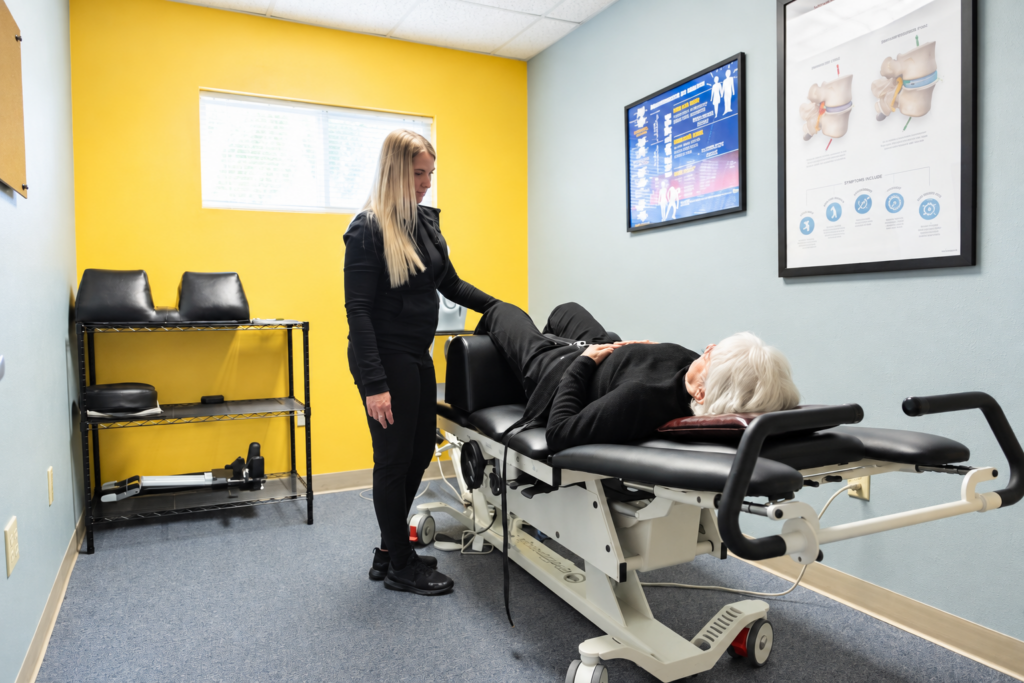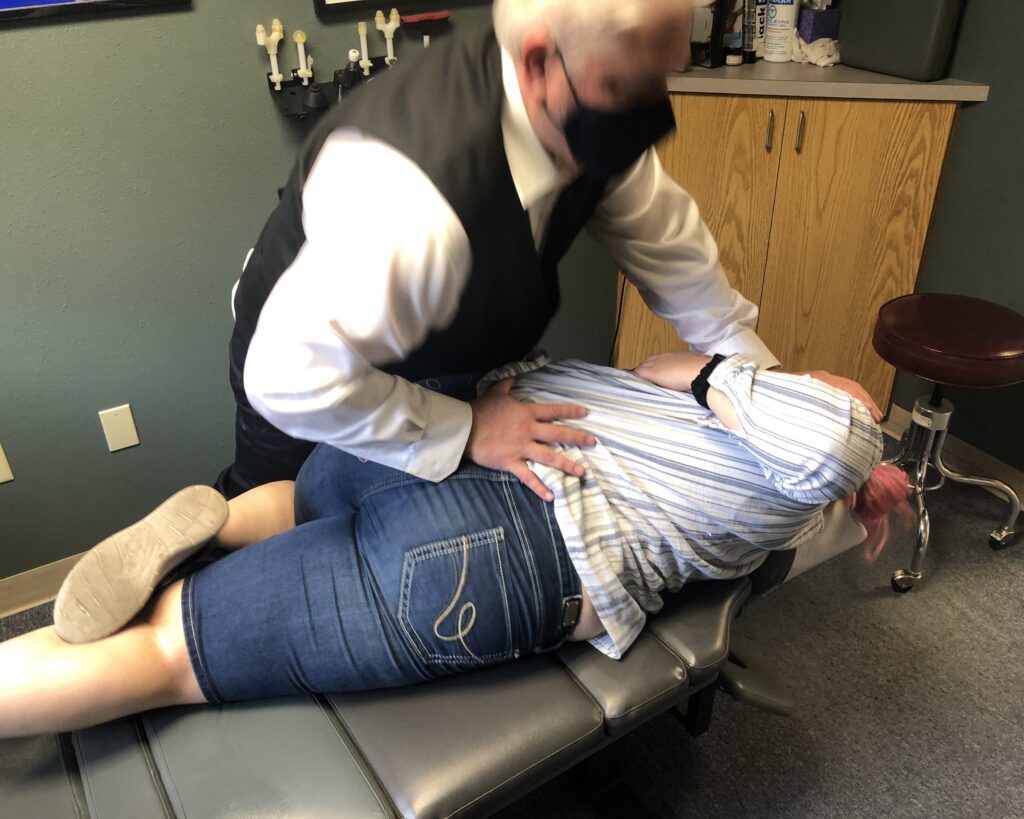

As a local chiropractor, I understand how debilitating neck pain can be, significantly impacting your daily activities. The good news is that there are several natural and soothing techniques that can help alleviate your discomfort and support the healing process. Techniques such as gentle stretching, along with the strategic application of heat and cold, can play a vital role in your recovery journey.
It's often surprising to see how minor adjustments to your daily routine can lead to substantial improvements in your neck health. I encourage you to explore these techniques further to find which ones resonate with you. By incorporating these practices into your life, you can take an active role in your healing and overall well-being. Let's work together to discover the best approach for your unique needs.
Gentle Stretching Exercises
As a local chiropractor, I want to share how gentle stretching exercises can play a vital role in your recovery from neck injuries. These exercises not only enhance flexibility but also alleviate tension and promote blood circulation to the affected areas of your neck. It's important to approach these stretches mindfully to prevent any additional strain.
To get started, find a calm, comfortable space where you can concentrate on your movements. Begin with simple neck rotations. Gently turn your head to the right and hold for a few seconds before returning to the center. Then, repeat the motion on the left side. This exercise is excellent for loosening tight muscles and gradually reducing discomfort.
Next, I recommend trying neck tilts. While either sitting or standing, tilt your head towards your right shoulder, allowing you to feel a gentle stretch on the left side of your neck. Hold this position for 15-30 seconds, then switch sides. These tilts are effective for relieving tension and can significantly improve your range of motion over time.
Incorporating shoulder shrugs into your routine can also be beneficial. Raise your shoulders towards your ears, hold for a brief moment, and then lower them back down. This simple movement engages the upper neck and shoulder region, facilitating relaxation and comfort.
Throughout each stretch, remember to take deep breaths and remain attuned to your body. Avoid pushing yourself too hard; if you experience any sharp pain, please stop immediately.
Consistency is essential, so I encourage you to practice these stretches daily. By integrating gentle stretching exercises into your recovery plan, you may experience reduced stiffness and enhanced mobility in your neck, supporting your overall well-being.
Heat Therapy
As a local chiropractor, I want to share how heat therapy can be incredibly beneficial for those dealing with neck injuries.
It's a simple yet effective method that provides soothing warmth, which can significantly reduce muscle tension and enhance blood circulation in the affected area.
You can easily incorporate heat therapy into your recovery routine using techniques like warm compresses or heating pads, which are designed to target the specific areas of discomfort.
By applying heat, you not only promote relaxation but also facilitate healing, making it an essential part of your recovery process.
Let's delve into the numerous benefits of heat therapy and discuss the best practices for integrating it into your routine.
Understanding how to use this natural approach can empower you on your path to recovery and overall well-being.
Benefits of Heat Therapy
As a chiropractor, I often emphasize the benefits of heat therapy for my patients dealing with neck injuries or tension. When you apply heat to your neck, it can significantly enhance blood circulation in the area. This increased blood flow delivers essential nutrients and oxygen to the injured tissues, which can expedite the healing process and alleviate muscle stiffness. As a result, you may find it easier to move your neck without experiencing pain.
Heat therapy is also effective in relaxing tight muscles. For those grappling with muscle spasms or tension, the warmth can offer immediate comfort and relief. Additionally, the soothing effect of heat can stimulate the release of endorphins—your body's natural painkillers—providing further pain alleviation.
Beyond physical relief, heat therapy can also play a role in reducing stress and promoting a sense of well-being. The comforting warmth creates a calming atmosphere, allowing you to relax and focus on your recovery.
Whether you opt for a heating pad, a warm towel, or a hot water bottle, incorporating heat therapy into your wellness routine can be a straightforward yet powerful method to manage neck pain and support your overall healing journey. As your chiropractor, I encourage you to consider this natural approach to enhance your recovery experience.
Application Techniques and Tips
As a chiropractor dedicated to helping you achieve optimal wellness, I'd like to share some insights on the effective use of heat therapy for alleviating neck pain and tension. Many of my patients have found that applying heat can significantly soothe discomfort in this area.
To get started, it's important to choose the right heat source. You might consider using a warm towel, a heating pad, or a hot water bottle—each can provide comforting warmth. If you opt for a heating pad, remember to set it to a low or medium setting to prevent any risk of burns.
Before applying heat, ensure that your neck is clean and dry. To protect your skin, wrap your chosen heat source in a thin cloth. Apply it gently to your neck for about 15 to 20 minutes, allowing the soothing warmth to penetrate your muscles and promote relaxation.
This can be repeated several times throughout the day, but it's essential to give your skin a break between applications to avoid irritation.
While you're enjoying the benefits of heat therapy, I encourage you to take a moment to relax. Incorporating deep breathing exercises or gentle neck stretches can further enhance the therapeutic effects.
Always pay attention to your body; if you experience any discomfort, please remove the heat source immediately.
Cold Compresses
As a local chiropractor, I want to share with you the benefits of using cold compresses for neck injuries. Many of my patients have found that these simple techniques can significantly ease their discomfort. If you're experiencing pain or swelling in your neck, applying a cold compress can be a highly effective way to reduce inflammation and numb the area, providing you with quick relief. The best part is that you can easily do this at home with items you probably already have.
To make a cold compress, just wrap some ice cubes in a thin towel or grab a bag of frozen vegetables from your freezer. It's important to avoid placing the ice directly on your skin, as this can lead to frostbite. Once your compress is ready, apply it to the affected area for about 15 to 20 minutes at a time. Remember to take breaks in between applications; this will help you avoid overexposure to the cold.
In the first 48 hours following your injury, I recommend using cold therapy frequently. You can repeat this process every hour if needed, especially if you're still feeling pain. Pay attention to how your neck responds; if it starts to feel stiff or uncomfortable, it's wise to take a step back from the compress.
Cold compresses aren't only great for pain relief but can also help alleviate muscle spasms. This is particularly beneficial if your neck injury is accompanied by tightness in the surrounding muscles.
While cold therapy can offer significant relief, I encourage you to consult with a healthcare professional if your symptoms don't improve or if they worsen.
With the right care and attention, including the use of cold compresses, you can enhance your recovery and get back to feeling your best. Remember, chiropractic care focuses on natural healing, and I'm here to guide you on your path to wellness.
Massage Techniques
As a local chiropractor, I want to help you understand how incorporating massage techniques can significantly aid in your recovery from neck pain. After using cold compresses, adding massage to your routine can further alleviate discomfort, reduce muscle tension, and enhance blood circulation in your neck area.
Here are some effective techniques you can implement at home.
Begin with gentle stroking. Use the pads of your fingers to softly glide over the neck muscles, moving from the base of the skull down to the shoulders. This initial step helps to warm up the muscles and boosts blood flow, setting a positive foundation for deeper work.
Once you feel comfortable, you can apply more pressure with kneading. Utilize your thumbs or the heel of your hand to gently press into the muscles, employing circular motions. Pay special attention to any tight spots, but remember to be cautious about applying excessive pressure on sensitive areas to avoid discomfort.
An excellent technique to relieve muscle knots is pinching the muscles along your neck and shoulders. This action improves circulation and alleviates tension. Additionally, consider gently stretching your neck by tilting your head to one side, holding that position for a few seconds, and then switching to the other side.
If you're open to it, using a tennis ball or massage ball against a wall can be incredibly effective. Lean into the ball to target those hard-to-reach areas in your neck and upper back. Always listen to your body; if you experience pain, it's wise to stop.
Incorporating these massage techniques regularly can enhance your recovery process and provide the relief you seek.
Posture Correction
As a local chiropractor, I want to share the importance of posture correction in alleviating neck pain. Many of my patients are surprised to learn that simply adjusting how they sit and work can have a profound impact on their overall well-being.
By creating an ergonomic workspace and being mindful of your sitting habits, you can significantly reduce discomfort in your neck.
Proper alignment is key—not only does it help ease your current pain, but it also plays a crucial role in preventing future injuries.
I encourage you to consider how your daily habits may be contributing to your discomfort, and let's work together to develop strategies that promote better posture and enhance your natural healing process.
Taking these steps can lead to a healthier, pain-free life.
Ergonomic Workspace Setup
As a chiropractor, I want to emphasize how your workspace can significantly influence your neck health. An ergonomic setup is essential for preventing discomfort and injury.
Let's go through some important adjustments you can make to your workspace.
First, ensure that your chair is properly adjusted. Your feet should rest flat on the floor, with your knees forming a 90-degree angle. This position allows your back to sit snugly against the chair's backrest, providing the necessary support for your spine.
Next, focus on your computer monitor. Position it at eye level to help maintain a neutral neck position, which is crucial in reducing strain. If you're using a laptop, I recommend using a separate keyboard and monitor. This will allow you to elevate the screen to the appropriate height.
Keep the monitor about an arm's length away to prevent leaning forward, which can lead to tension in your neck.
It's also important to organize your desk items so that everything is within easy reach. This minimizes the need for excessive twisting or reaching, which can put additional stress on your neck and spine.
If you frequently take phone calls, consider using a headset. This can help prevent you from cradling the phone between your ear and shoulder, which is a common culprit of neck strain.
Lastly, don't underestimate the importance of proper lighting in your workspace. Good lighting reduces eye strain, which can indirectly affect your neck as well.
Remember, creating a well-organized, ergonomic workspace isn't just about comfort; it's a proactive approach to preventing neck injuries.
By making a few simple adjustments, you can significantly enhance your comfort and well-being throughout the workday.
Prioritize your workspace setup, and your neck will certainly thank you! If you have any questions or need further assistance with your posture or workspace, feel free to reach out. Your health is important to us!
Mindful Sitting Practices
As a local chiropractor, I'm here to share some essential mindful sitting practices that can significantly improve your posture and reduce neck strain throughout your day. By incorporating these techniques into your daily routine, you can enhance your comfort and support your spinal health naturally.
- Align your ears with your shoulders: It's important to sit up straight and ensure that your head isn't jutting forward. Maintaining this alignment can dramatically reduce the strain on your neck, allowing your spine to function more optimally.
- Keep your feet flat: Positioning your feet flat on the ground or using a footrest provides a stable base, which is crucial for maintaining balance. This simple adjustment helps distribute your weight evenly and supports your overall posture.
- Engage your core: Lightly tightening your abdominal muscles while sitting is a great way to provide stability to your spine. This engagement encourages better posture and helps prevent discomfort over time.
- Use supportive seating: Selecting a chair that offers good lumbar support is vital. A chair that promotes the natural curve of your lower back will help you maintain a healthy posture while you sit for extended periods.
- Take mindful breaks: I recommend setting a timer to remind yourself to stand up and stretch every 30 to 60 minutes. This practice helps alleviate tension that can accumulate and reinforces your body's natural movement patterns.
By integrating these mindful sitting practices into your daily routine, you can take proactive steps toward improving your posture and overall well-being.
Relaxation Techniques
As a local chiropractor, I want to share some effective relaxation techniques that can help alleviate neck pain and promote healing.
One powerful method is deep breathing. I encourage you to find a comfortable position, either sitting or lying down, and close your eyes. Inhale deeply through your nose, allowing your abdomen to rise, and then exhale slowly through your mouth. Focus your attention on your breath, consciously releasing any tension with each exhale. This technique not only calms your mind but also reduces muscle tightness in your neck, supporting your overall well-being.
Another valuable technique is progressive muscle relaxation. Begin by tensing the muscles in your toes for a few seconds, then let them relax. Gradually work your way up your body, tensing and releasing each muscle group until you reach your neck and shoulders. This approach can heighten your awareness of where you hold tension, allowing you to consciously release it and enhance your healing process.
Incorporating gentle stretching into your routine can also provide significant relief. Simple neck stretches—such as tilting your head from side to side or gently rotating it—can help alleviate stiffness. Remember to move slowly and avoid any positions that cause discomfort, as we want to promote healing without aggravating your condition.
Lastly, I recommend trying mindfulness meditation. Sit quietly, focus on your breath, and observe your thoughts without judgment. This practice can cultivate a sense of inner peace and empower you to manage pain more effectively.
Ergonomic Adjustments
As a local chiropractor dedicated to your healing journey, I want to emphasize how important it's to make ergonomic adjustments in your workspace and daily activities, especially if you're recovering from neck injuries.
Proper ergonomics can significantly reduce strain on your neck, promoting healing and enhancing your overall comfort.
Let's explore some simple yet effective ergonomic adjustments that can make a big difference in your daily life:
- Monitor Height: It's essential that your computer monitor is positioned at eye level. This helps prevent neck strain caused by looking up or down for extended periods.
- Chair Support: Invest in an adjustable chair that provides support for your lower back. Ensure your feet can rest flat on the ground to maintain proper posture.
- Keyboard Position: Your keyboard should be at a height that allows your elbows to remain at a 90-degree angle. This positioning helps to reduce tension in your shoulders and neck.
- Frequent Breaks: Remember to take regular breaks. Stretching and changing your position can prevent stiffness and fatigue that often comes from prolonged sitting.
- Phone Use: When making phone calls, consider using a headset or speakerphone. This will help you avoid the common habit of cradling the phone between your shoulder and ear, which can exacerbate neck strain.
By making these ergonomic adjustments, you can support your recovery and create a healthier work environment.
If you have any questions about how these changes can specifically benefit you, feel free to reach out during your next visit!
Conclusion
As a local chiropractor, I want to share with you some effective techniques that can help alleviate neck pain and support your healing journey. By incorporating these seven soothing methods into your daily routine, you can significantly improve your comfort and well-being.
Start by practicing gentle stretches specifically designed for the neck; these can help relieve tension and enhance mobility. Additionally, consider using heat or cold therapy to soothe inflammation and promote relaxation in the affected area. It's also crucial to be mindful of your posture throughout the day, as proper alignment can greatly aid in your recovery.
Remember to take regular breaks, especially if you spend long hours sitting or working at a desk. Engaging in relaxation practices, such as deep breathing or meditation, can further contribute to your overall healing process. Your neck is a vital part of your body that deserves proper care and attention.
Implementing these strategies today can lead to lasting relief and a more comfortable daily life. If you have any questions or need personalized guidance, feel free to reach out to me—I'm here to help you on your path to better health through natural healing.