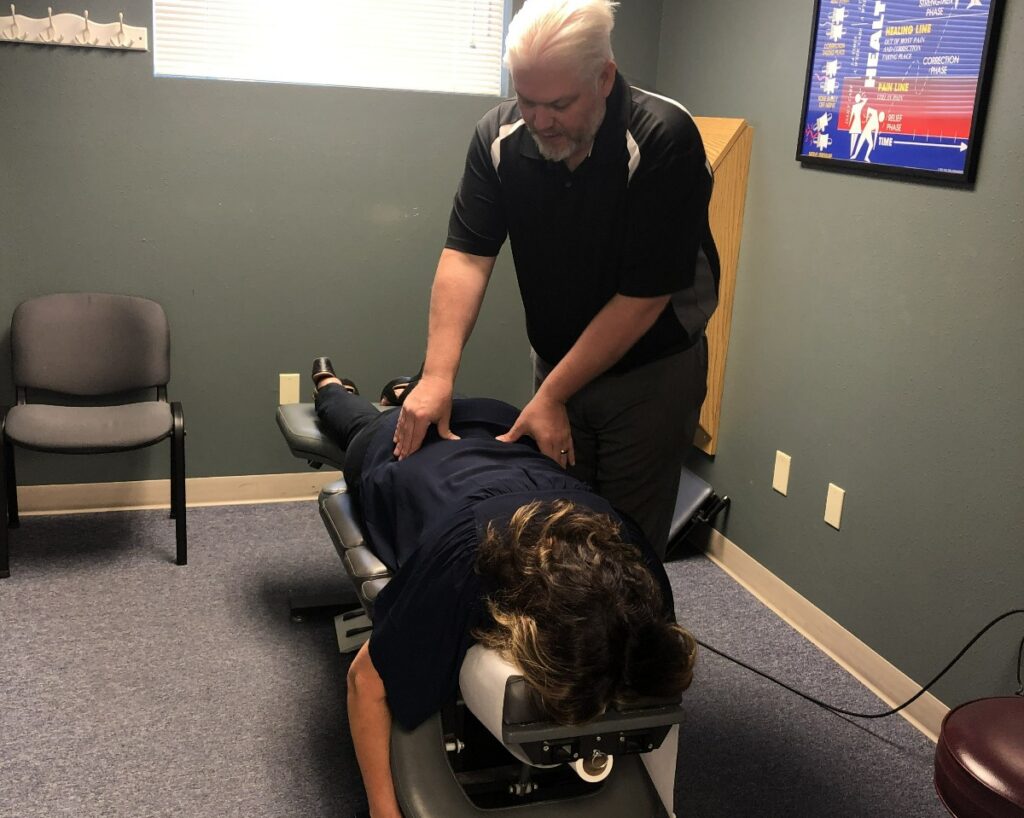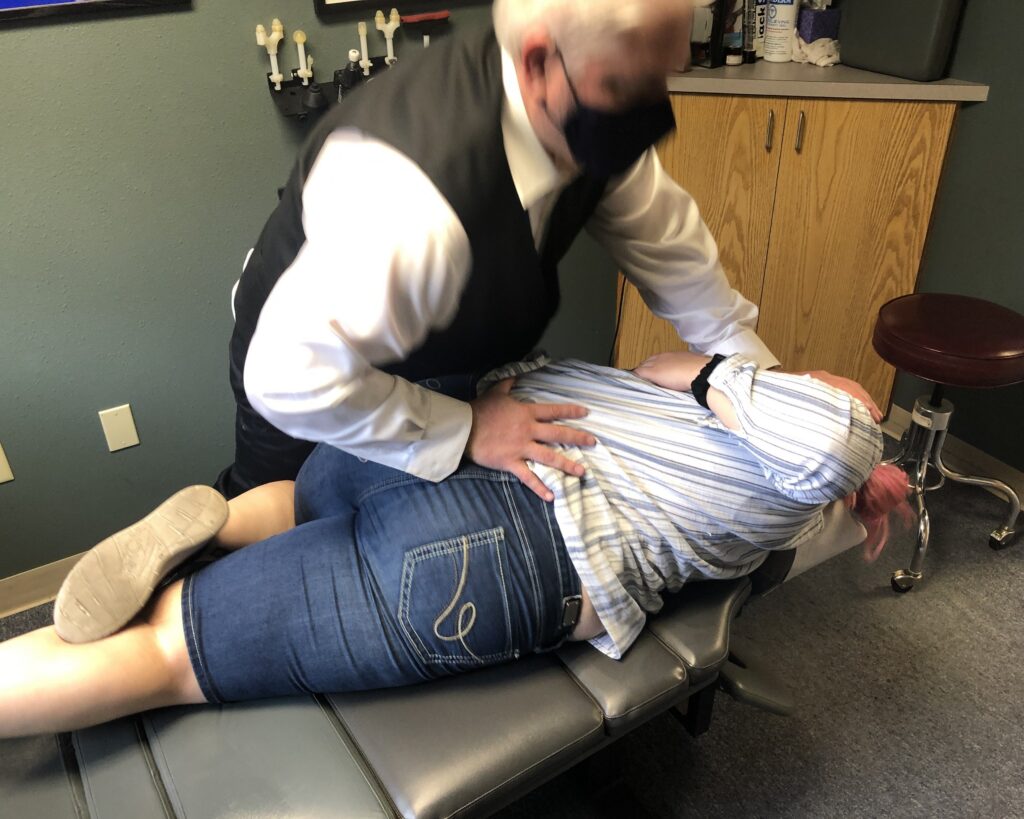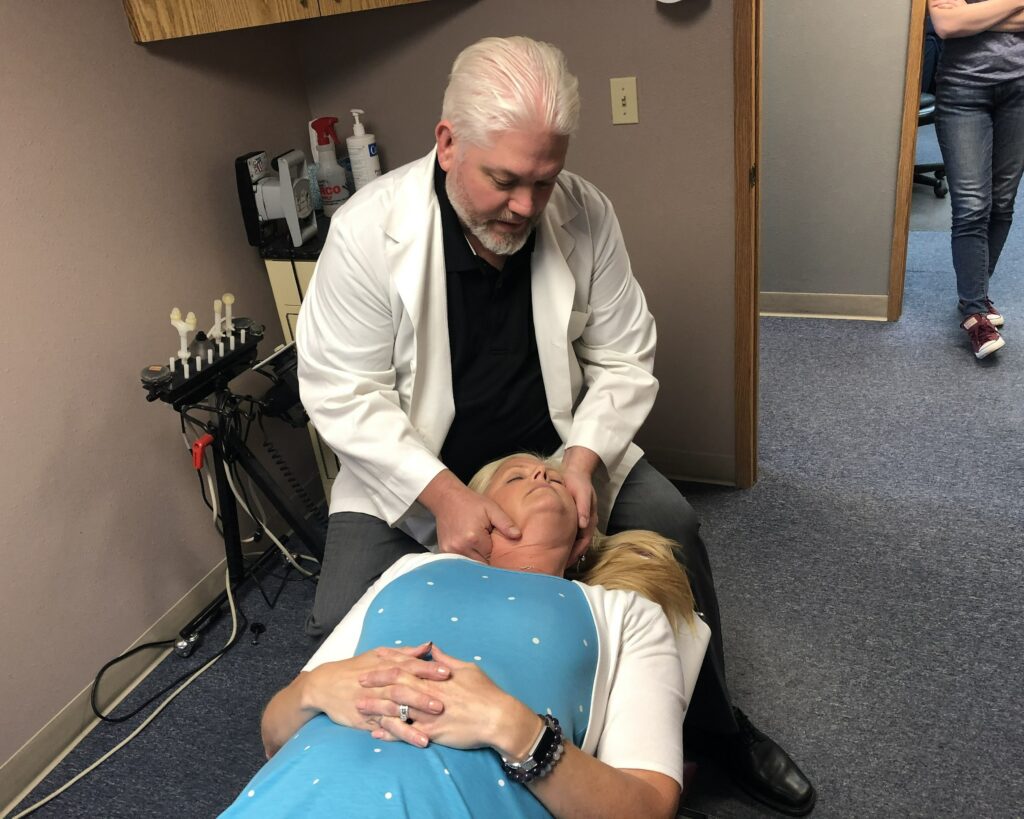

When it comes to recovering from a neck injury, I know it can feel daunting to navigate your options. As a chiropractor, I want to introduce you to some soft techniques that can play a pivotal role in your healing journey. Gentle stretching, targeted massage, and mindfulness practices are not just buzzwords; they can significantly alleviate discomfort and promote overall recovery.
These methods focus on relieving muscle tension and enhancing blood circulation, which can complement traditional treatments you may be receiving. Integrating these techniques into your recovery plan can provide a holistic approach to healing your neck injury. Understanding how each of these practices works and their unique benefits can truly transform your path to wellness. Let's explore how we can incorporate these soft techniques into your treatment plan for optimal recovery.
Understanding Neck Injuries
As a local chiropractor, I want to emphasize that neck injuries can affect anyone, often arising from everyday activities or unexpected accidents.
Whether you twist your neck awkwardly while reaching for something or experience a more serious injury in a car accident, it's crucial to understand neck injuries so you can recognize symptoms and seek the right treatment.
Common neck injuries I often see include strains, sprains, and herniated discs. A strain occurs when the muscles or tendons in your neck are overstretched, while a sprain affects the ligaments. In these scenarios, you may feel pain, stiffness, or swelling.
Herniated discs occur when the cushioning between your vertebrae slips or breaks, potentially pressing on nearby nerves. This can lead to severe pain, numbness, or weakness that may radiate into your arms.
Recognizing symptoms early is essential for effective recovery. If you're experiencing sharp pain, a limited range of motion, or persistent headaches, I encourage you to consult with a healthcare professional like myself.
I can assess your condition and create a tailored treatment plan that may include chiropractic adjustments, physical therapy, or other natural healing methods. Sometimes, simple treatments like rest and ice can do wonders, while other cases may require more comprehensive approaches.
Preventing neck injuries in the first place is equally important. I recommend maintaining good posture and utilizing ergonomic equipment in your daily life.
Be mindful of how you hold your head while working or using your phone, as these habits can contribute significantly to neck strain. By staying aware of your body mechanics, you can protect your neck from injury.
Taking these proactive steps today can help you avoid pain and discomfort in the future. Remember, your neck health is essential, and I'm here to help you on your journey to recovery and wellness.
Importance of Soft Techniques
As a local chiropractor, I want to share with you the vital role that soft techniques play in the recovery and management of neck injuries. These gentle methods focus on manipulation, relaxation, and pain relief, all of which are crucial for restoring your mobility and alleviating discomfort.
When you sustain a neck injury, your body naturally reacts with tension and tightness, which can hinder the healing process. Soft techniques work to counteract this by promoting relaxation and enhancing blood flow to the affected area.
Incorporating soft techniques into your recovery routine can significantly enhance your healing journey. Not only do they help reduce pain, but they also contribute to your overall well-being. Techniques such as massage, myofascial release, and gentle mobilization are designed to release muscle tension, decrease inflammation, and improve circulation.
This holistic approach can lead to quicker recovery times and more favorable outcomes. I encourage you to take an active role in your recovery. By managing your neck injury proactively, you'll feel more in control and less overwhelmed.
Soft techniques are easy to integrate into your daily life, making them accessible and sustainable for your long-term health. Additionally, these soft techniques complement other treatment modalities, such as physical therapy or chiropractic care.
When combined with traditional treatments, they form a comprehensive strategy that addresses not just the physical symptoms but also the emotional and psychological aspects of recovery. This well-rounded approach ensures you have a more fulfilling healing experience.
If you have any questions about how these techniques can benefit you, feel free to reach out!
Gentle Stretching Exercises
As a local chiropractor, I want to emphasize the importance of incorporating gentle stretching exercises into your daily routine, especially if you're dealing with neck injuries. These stretches can be transformative for your recovery, improving flexibility, reducing tension, and enhancing blood flow to the affected areas.
Let's start with some fundamental neck stretches. One effective method is to gently tilt your head to one side, bringing your ear toward your shoulder. Hold this position for 15 to 30 seconds, and you should feel a gentle stretch along the opposite side of your neck. It's important to repeat this on the other side as well. This simple stretch can help alleviate tightness and promote a better range of motion in your neck.
Next, consider incorporating neck rotations into your routine. Slowly turn your head to one side until you feel a mild stretch and hold for 15 to 30 seconds before switching to the other side. This exercise is beneficial for improving mobility and reducing stiffness in your neck.
Another effective stretch is known as the chin tuck. While sitting up straight, gently tuck your chin toward your chest. You should feel a stretch at the back of your neck. Hold for a few seconds and then release. This movement not only strengthens your neck muscles but also supports better posture.
While performing these stretches, remember to breathe deeply and never force your movements. If you encounter any pain, it's crucial to stop immediately.
Consistency is key; I encourage you to make these gentle stretches a part of your daily routine. Over time, you'll likely notice significant improvements in your neck's flexibility and overall comfort, aiding in your recovery journey.
As always, if you have any concerns or questions, don't hesitate to reach out for professional advice.
Heat and Cold Therapy
As a local Chiropractor, I want to share some valuable insights on managing neck injuries through natural healing methods like heat and cold therapy.
These techniques can play a crucial role in alleviating pain and supporting your recovery process.
Heat therapy is excellent for soothing tight muscles that may be contributing to your discomfort. By applying heat, you can relax those tense areas, increasing blood flow and promoting healing.
On the other hand, cold therapy is beneficial for reducing inflammation and numbing any pain you might be experiencing. It's particularly effective in the initial stages of an injury when swelling is common.
By combining these two approaches, you can create a balanced and effective recovery plan.
This strategy not only helps manage your pain but also aids in regaining mobility in your neck.
As you explore these natural healing methods, remember that they can complement the chiropractic care I provide, enhancing your overall wellness journey.
Benefits of Heat Therapy
As a local chiropractor, I want to share with you the benefits of heat therapy, especially when it comes to alleviating pain and promoting healing for neck injuries.
Heat therapy is a gentle and effective approach that can help you relax tight muscles, improve blood circulation, and relieve discomfort. This technique is particularly valuable for anyone experiencing muscle strains or tension in the neck area.
Here are some important benefits of incorporating heat therapy into your recovery routine:
- Increased blood flow: Applying heat helps to dilate blood vessels, which enhances circulation. This improved blood flow brings essential nutrients to the injured area, aiding in the healing process.
- Muscle relaxation: The warmth from heat therapy can effectively relax tight muscles. This relaxation reduces stiffness and allows for greater mobility in your neck, which is crucial for your daily activities.
- Pain relief: Heat therapy can provide soothing relief by numbing aching areas. This can be particularly helpful for managing the pain and discomfort often associated with neck injuries.
- Improved flexibility: Keeping your neck warm can enhance your range of motion. This increased flexibility can make it easier for you to perform everyday tasks without discomfort.
Incorporating heat therapy into your recovery process can truly be a game changer.
Whether you choose to use a heating pad, warm towel, or indulge in a hot bath, the benefits are extensive.
Just remember to listen to your body and avoid overheating to ensure you get the most out of your heat therapy experience.
If you have any questions or would like to learn more about how heat therapy can complement your chiropractic care, feel free to reach out!
Cold Therapy Techniques
As a local chiropractor dedicated to helping you understand natural healing methods, I want to emphasize the importance of cold therapy techniques in managing neck injuries. Cold therapy serves as an effective complement to heat therapy, particularly when you're dealing with pain or swelling in your neck. Applying cold can significantly reduce inflammation and numb the affected area, providing you with quick relief.
To begin, consider using an ice pack or even a bag of frozen vegetables wrapped in a towel. It's recommended to apply this to the painful area for about 15-20 minutes at a time. Remember to take breaks in between applications to prevent frostbite. This process can be repeated several times a day, especially during the initial 48 hours following your injury.
Another effective method is using cold compresses. Simply soak a cloth in cold water, wring it out, and then place it gently on your neck. While this method may not be as intense as ice packs, it can still effectively alleviate mild swelling or discomfort.
For a more targeted approach, you might want to consider cold gel packs specifically designed for neck injuries. These packs can conform to the natural shape of your neck, ensuring consistent and effective cooling.
Understanding these cold therapy techniques can empower you to manage your neck pain more effectively and support your healing journey. If you have any questions or need further guidance, feel free to ask during your visits!
Combining Heat and Cold
As a local chiropractor, I want to share with you an effective method for managing neck injuries that many may not be familiar with: the combination of heat and cold therapy. This dual approach can significantly enhance your recovery by reducing inflammation and promoting blood flow, which are essential for healing.
By alternating between heat and cold, you can effectively tackle pain and stiffness.
Here's a simple way to incorporate this technique into your routine:
- Begin with cold therapy: Start by applying a cold pack to the affected area for 15-20 minutes. This will help numb sharp pain and reduce swelling.
- Transition to heat therapy: After 48 hours, switch to heat therapy. Use a heating pad or warm compress for another 15-20 minutes to help relax tight muscles and improve circulation.
- Alternate as needed: Feel free to repeat this cycle, but always pay attention to how your body responds.
- Monitor your response: If you experience increased pain or discomfort, it's important to stop and consult with a healthcare professional.
Combining heat and cold therapy isn't just about alternating temperatures; it's about discovering the right balance that suits your individual needs.
This method can greatly assist you in managing your symptoms and aid in your overall recovery. Remember, consistency is crucial, so try to incorporate this technique regularly into your healing routine.
If you have any questions or need further guidance, don't hesitate to reach out. Your health and well-being are my top priorities!
Massage and Manual Therapy
As a local chiropractor, I want to share how massage and manual therapy can be incredibly beneficial for those suffering from neck injuries.
These therapies work by relieving muscle tension and improving blood circulation, which are essential for your recovery. There are various techniques available, each specifically designed to address your unique needs and promote healing.
Incorporating massage and manual therapy into your treatment plan can significantly enhance your recovery process and help restore your mobility.
It's important to understand that these natural healing methods can work in conjunction with other treatments to provide a comprehensive approach to your health.
If you're looking for a holistic way to address your neck pain, I encourage you to explore these therapies as part of your healing journey.
Benefits of Massage Therapy
As a local chiropractor, I want to share with you the valuable role that massage therapy can play in your recovery from neck injuries. Many people often think of massage as merely a way to relax, but it can actually be a crucial component of your healing process.
Here's how incorporating massage therapy into your treatment plan can benefit you:
- Pain Reduction: Massage therapy can effectively reduce pain by alleviating muscle tension and enhancing blood circulation to the affected areas. This is key in managing discomfort associated with neck injuries.
- Improved Range of Motion: Tight muscles can restrict movement. Regular massage sessions can help loosen these muscles, promoting greater flexibility and mobility, which is vital for your recovery.
- Stress Relief: Dealing with a neck injury can be quite stressful, and stress can hinder your healing. Massage therapy is a great way to lower stress levels, which not only improves your emotional well-being but also supports the overall healing process.
- Enhanced Circulation: Increased blood flow from massage therapy helps deliver essential nutrients to damaged tissues, accelerating the recovery process.
Incorporating massage therapy into your routine isn't just an indulgence—it's a strategic approach to enhancing your neck health.
By including it in your recovery plan, you're likely to see more positive results, allowing you to return to your everyday activities more swiftly and comfortably.
Techniques for Manual Therapy
As a local chiropractor, I want to share some valuable insights about manual therapy techniques that can significantly aid your recovery from neck injuries.
One effective method is myofascial release, which targets the fascia—the connective tissue that surrounds your muscles. By applying gentle, sustained pressure, this technique can help relieve tension and enhance your mobility, allowing for a more comfortable range of motion.
Another beneficial approach is trigger point therapy. This technique focuses on identifying specific knots or tight areas within your muscles. By applying targeted pressure to these points, we can alleviate pain and discomfort. Many patients find this technique effective, and it can often be performed by both a therapist and even at home with some guidance.
Joint mobilization is another essential technique in chiropractic care. Here, I gently move your neck joints in specific directions to restore proper function and improve your range of motion. You may experience immediate relief as your neck becomes more flexible and comfortable.
Additionally, craniosacral therapy is worth considering. This gentle approach involves light touches to release tension in the central nervous system, promoting overall relaxation and healing.
Incorporating these manual therapy techniques into your recovery plan can greatly enhance your healing process and help you regain full mobility in your neck.
Combining Therapies for Recovery
As a local chiropractor, I want to share with you how combining different therapies can significantly enhance your recovery from neck injuries. One effective approach is integrating massage therapy with manual therapy. These two methods work harmoniously together, creating a more comprehensive treatment plan.
Massage therapy plays a crucial role in your healing process by relaxing tight muscles, improving blood circulation, and alleviating pain. On the other hand, manual therapy focuses on restoring mobility and function to your neck.
When these therapies are combined, you can experience a range of benefits, including:
- Increased flexibility: Massage helps to loosen the muscles, making manual therapy techniques more effective in restoring movement.
- Enhanced pain relief: By targeting pain from different perspectives, both therapies work together to provide more effective pain management.
- Improved healing: The increased circulation from massage helps deliver essential nutrients and oxygen to injured areas, promoting a quicker recovery.
- Holistic approach: By addressing both muscle tension and structural alignment, this combination offers a well-rounded path to healing.
Understanding the synergy between these therapies can empower you to take charge of your recovery journey. If you have any questions about how chiropractic care can help you, feel free to reach out!
Mindfulness and Relaxation Techniques
As a local chiropractor, I want to share with you some valuable insights on how mindfulness and relaxation techniques can be integral to managing neck injuries and fostering your healing journey. Many people aren't aware that these practices can significantly alleviate stress and tension, particularly in areas like the neck, where emotional strain and muscle tightness often exacerbate pain.
To begin, I recommend finding a tranquil space where you can sit or lie down comfortably. Close your eyes and take deep, slow breaths. As you inhale, visualize yourself breathing in calmness, and as you exhale, picture the tension melting away from your neck and shoulders. This simple yet effective practice can heighten your awareness of your body's signals and promote relaxation.
Another technique you might find beneficial is progressive muscle relaxation. This involves intentionally tensing and then relaxing different muscle groups. Focus specifically on your neck and shoulders; tighten those muscles for a few seconds before releasing them. You'll likely feel a noticeable difference in relaxation afterward.
Incorporating mindfulness meditation into your daily routine can further support your healing process. Even dedicating just a few minutes each day can help you build resilience against stress and improve your ability to manage pain effectively.
I also encourage you to combine these mindfulness techniques with gentle neck stretches or yoga. These practices can enhance your flexibility and alleviate discomfort in the long run.
Conclusion
As a local chiropractor, I want to share with you some valuable insights on how soft techniques can play a pivotal role in your recovery from a neck injury. These gentle approaches can significantly enhance your healing process and support your overall well-being.
First, consider incorporating gentle stretching into your daily routine. This can help improve flexibility and reduce stiffness in the neck muscles. Additionally, applying heat or cold therapy can provide relief, with heat promoting blood flow and cold helping to reduce inflammation.
Massage and manual therapy are also excellent options to alleviate tension. These hands-on techniques can help relax tight muscles and improve circulation, which is crucial for healing.
Moreover, don't underestimate the benefits of mindfulness and relaxation techniques. Practicing mindfulness can reduce stress, which is essential for your body's healing process.
By embracing these holistic approaches, you can complement traditional treatments and actively participate in your recovery journey. Remember, it's all about finding the right balance to support your body's natural healing abilities. If you have any questions or would like to explore these techniques further, feel free to reach out!