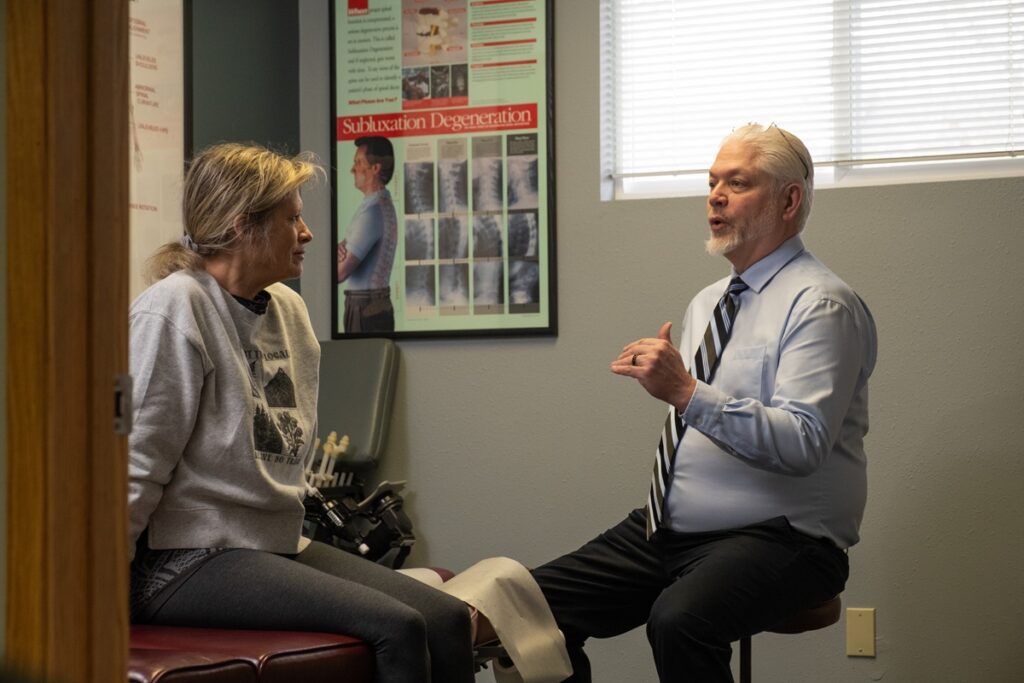

You might find yourself wondering why adjustments can greatly enhance your mobility and flexibility. When your joints are misaligned, they can restrict movement and create tension in your muscles, making everyday activities feel more challenging than they should. Adjustments target these misalignments, helping to alleviate tension and improve your range of motion. But the benefits extend beyond just increased mobility; they can fundamentally change how your body functions. What's even more intriguing is how these adjustments impact your overall physical performance and well-being.
Understanding Mobility and Flexibility
Mobility and flexibility are often intertwined, yet they refer to distinct aspects of movement. Mobility is all about your ability to move freely and easily in your joints and muscles. It encompasses the range of motion around a joint and involves the nervous system's control over that movement. Fundamentally, when you think of mobility, you're considering how well you can perform functional movements, like bending, squatting, or reaching.
On the other hand, flexibility pertains specifically to the length of your muscles and tendons. It's about how far your muscles can stretch and how much they can elongate. If you can touch your toes or do the splits, you're demonstrating good flexibility. While flexibility is a critical component of mobility, it's just one piece of the puzzle.
To truly enhance your overall movement capability, you need to focus on both aspects. Improving your mobility often involves dynamic movements and strength training, which help your joints move through their full range without restriction.
Conversely, working on your flexibility might include static stretching or yoga, encouraging your muscles to lengthen and relax.
The Role of Chiropractic Adjustments
Chiropractic adjustments play a significant role in enhancing both mobility and flexibility. When you undergo these adjustments, your chiropractor applies targeted pressure to specific joints, promoting proper alignment and function. This process not only alleviates discomfort but also allows your body to move more freely.
As you receive adjustments, you may notice increased range of motion in your joints. This improvement occurs because the adjustments help release tension in the surrounding muscles and connective tissues. When these structures are relaxed, you can perform daily activities with greater ease. You might find that simple tasks, like bending down to tie your shoes or reaching for something on a high shelf, become less challenging.
Additionally, chiropractic adjustments stimulate your nervous system, which plays a critical role in muscle coordination and movement. A well-functioning nervous system can enhance your body's ability to respond to various physical demands. You'll likely experience improved balance and stability, which are essential components of mobility and flexibility.
Regular chiropractic care can also help prevent injuries by ensuring that your body maintains peak alignment. When your joints are properly aligned, you reduce the risk of strain and overuse injuries during physical activities.
This proactive approach encourages a more active lifestyle, allowing you to enjoy your favorite sports or exercise routines without fear of discomfort.
How Misalignments Affect Movement
When your joints are misaligned, it directly impacts your movement and can lead to increased muscle tension.
This tension often restricts your range of motion, making even simple activities feel challenging.
Understanding these effects is essential for improving your overall mobility and flexibility.
Joint Misalignment Impact
Misaligned joints can considerably disrupt your movement patterns, leading to discomfort and limitations in your daily activities. When your joints aren't properly aligned, it can create imbalances in how you move. You might find yourself favoring one side of your body, which can lead to overuse injuries or strain in other areas.
Every step you take or motion you make relies on the precise coordination of joint movement. If a joint is out of alignment, it can alter your gait, making activities like walking, running, or even sitting uncomfortable. This misalignment often forces your body to compensate in ways that aren't natural, causing additional strain on muscles and ligaments.
As a result, you may notice decreased range of motion, making it harder to perform tasks you once did with ease. This can lead to a cycle of frustration, as the longer you experience these limitations, the harder it becomes to maintain an active lifestyle.
Addressing joint misalignment through adjustments or therapeutic techniques can restore balance, allowing your body to move more freely and comfortably. By prioritizing proper alignment, you can enhance your overall mobility and flexibility.
Muscle Tension Increase
Joint misalignments can lead to an increase in muscle tension, making movement feel more laborious than it should. When your joints aren't properly aligned, your muscles must work harder to compensate for the imbalance. This extra effort can cause fatigue and discomfort, limiting your ability to perform daily activities with ease.
Think about how you move when you're tense. Your body instinctively tightens up, trying to stabilize itself. This tension can create a cycle where your muscles continue to overwork, leading to further misalignment and increased strain. You may notice that simple tasks, like bending down or reaching up, become challenging.
By addressing these misalignments through adjustments, you can relieve that muscle tension. The adjustments help realign your joints, allowing your muscles to relax and function more efficiently. You'll likely experience an immediate sense of relief, and over time, you'll find your movements become smoother and less strained.
Ultimately, reducing muscle tension not only enhances your mobility but also promotes a healthier, more balanced body. Take the first step to restore your alignment and feel the difference in your everyday movement.
Range of Motion
Your body's range of motion is essential for fluid movement and daily functionality. When your joints and muscles are properly aligned, you can move freely and perform activities with ease. However, misalignments can restrict this range, leading to stiffness and discomfort.
When your spine or joints are out of alignment, they can create tension in your muscles and connective tissues. This tension can limit how far you can stretch or bend, affecting everything from simple tasks like reaching for an object to more vigorous activities like exercising.
If you notice that certain movements feel restricted or painful, it could be a sign that misalignments are impacting your range of motion.
Adjustments can help realign your body, reducing tension and improving flexibility. By addressing these misalignments, you'll likely notice an increase in your range of motion, allowing you to move more freely and comfortably.
Embracing regular adjustments can be a game-changer for your overall mobility, helping you achieve better performance in both daily tasks and physical activities. Prioritizing your range of motion not only enhances your physical abilities but also contributes to your overall well-being.
The Science of Joint Function
Understanding the intricate mechanics of our body's joints is key to enhancing mobility and flexibility. Your joints are where bones meet, allowing movement while providing stability. Each joint's function relies on several components, including cartilage, ligaments, tendons, and synovial fluid. Together, these elements work harmoniously to facilitate smooth movement.
Cartilage acts as a cushion, absorbing shock and preventing bone-on-bone contact. This protective layer is essential for maintaining joint health and function. Ligaments connect bones to other bones, providing stability, while tendons attach muscles to bones, allowing for movement. The synovial fluid lubricates the joint, reducing friction and enabling a greater range of motion.
When you engage in activities, your joints undergo various stresses. Repetitive motions or improper posture can lead to wear and tear, causing stiffness and discomfort. By understanding how your joints function, you can take proactive steps to maintain their health. Regular movement and stretching can help keep synovial fluid circulating, ensuring that your joints remain well-lubricated and flexible.
Incorporating adjustments into your routine can further enhance joint function. These adjustments can realign your joints, improving their biomechanics. When your joints are properly aligned, they're less likely to experience excessive strain, allowing for smoother movement and better overall function.
Benefits of Improved Range of Motion
Improving your range of motion can greatly enhance your athletic performance, allowing you to move more efficiently and powerfully.
It also plays an essential role in injury prevention, keeping your body resilient during physical activities.
Plus, with better mobility, you'll find daily tasks become easier and more enjoyable.
Enhanced Athletic Performance
Enhancing your range of motion can greatly boost athletic performance, allowing you to move more freely and efficiently. When you increase flexibility, you'll notice improvements in your ability to execute techniques and skills specific to your sport.
Whether you're sprinting, jumping, or pivoting, a greater range of motion enables you to perform movements with better precision and power.
Moreover, increased flexibility can lead to improved strength. As you enhance your range, your muscles can engage more effectively, allowing you to exert greater force. This improvement in strength translates to better performance during training and competition.
Additionally, when your muscles and joints move fluidly, you'll experience less fatigue. This means you can sustain high levels of activity for longer periods, giving you an edge over competitors.
Enhanced mobility can also contribute to quicker recovery times, allowing you to bounce back faster after intense workouts or competitions.
Injury Prevention Strategies
A flexible body is key to reducing the risk of injuries in sports and physical activities. Improved range of motion allows your muscles and joints to move freely, decreasing the likelihood of strains and sprains. When you can stretch and move comfortably, your body is better equipped to handle sudden movements and changes in direction, common in many sports.
Incorporating flexibility training into your routine can greatly enhance your injury prevention strategies. Stretching exercises target tight muscles, promoting elasticity and balance. This not only helps with overall performance but also minimizes the risk of overexertion and fatigue, which often lead to injuries.
You should also consider dynamic warm-ups before any physical activity. Engaging in movements that mimic the sport you're about to perform prepares your body, ensuring it's ready for action. By actively enhancing your flexibility, you're taking a proactive step towards safeguarding your body.
Combining adjustments from a qualified practitioner with a regular flexibility regimen creates a solid foundation for injury prevention.
Ultimately, prioritizing flexibility means you'll be ready to perform at your best while keeping injuries at bay.
Daily Activity Ease
Incorporating flexibility into your daily routine can transform how you move throughout the day. When your muscles and joints have an improved range of motion, you'll notice daily activities become easier and more enjoyable. Simple tasks like bending to tie your shoes or reaching for something on a high shelf won't feel like a chore anymore.
With enhanced mobility, you'll experience less stiffness and discomfort, allowing you to engage more fully in your favorite activities. Whether it's playing with your kids, gardening, or hitting the gym, improved flexibility will enhance your performance and reduce fatigue. You'll find that your body responds better, making it easier to push through workouts or enjoy a long walk.
Additionally, better flexibility helps prevent injuries that could sideline you from your daily routine. When you can move freely, you're less likely to strain muscles or sprain joints.
Ultimately, incorporating flexibility exercises into your life not only improves how you perform daily tasks but also contributes to your overall well-being. So, make flexibility a priority, and watch how it positively impacts your daily activity ease.
The Impact on Muscle Tension
Muscle tension can greatly affect your overall mobility and flexibility. When your muscles are tight, they restrict your range of motion, making it difficult to perform everyday activities. You might notice that reaching for something on a high shelf or bending down to tie your shoes feels more challenging than it should. This restriction isn't just inconvenient; it can lead to compensatory movements that place additional strain on other muscle groups.
Adjustments can play an essential role in alleviating muscle tension. By realigning your spine and joints, adjustments help restore balance to your body. When your body is properly aligned, it allows your muscles to relax and function more efficiently.
You'll likely find that you can move more freely and fluidly, which not only enhances your flexibility but also improves your overall performance in physical activities.
Additionally, reduced muscle tension can lead to better blood circulation. When your muscles are less tense, blood flows more freely, delivering critical nutrients and oxygen to the tissues. This improved circulation can help your muscles recover faster from exertion and reduce the risk of injury.
Addressing Pain Through Adjustments
Often, pain can be a barrier to achieving ideal mobility and flexibility. When you experience discomfort, your body tends to guard against movement, leading to stiffness and reduced range of motion. Adjustments, performed by trained professionals, can help address this pain, allowing you to regain comfort and freedom of movement.
Adjustments work by realigning your spine and joints, which can relieve pressure on nerves and reduce inflammation in the surrounding tissues. When the body's alignment is corrected, you may notice an immediate decrease in pain levels. This relief enables you to engage more freely in activities that promote mobility and flexibility, such as stretching or exercise.
Additionally, adjustments can improve blood circulation to the affected areas. Enhanced circulation means that essential nutrients and oxygen reach your muscles and tissues more effectively, promoting healing and reducing pain. This process not only alleviates your immediate discomfort but can also prevent future pain by maintaining proper alignment and function.
As the adjustments take effect, you might find you're more willing to move and explore your body's capabilities. This newfound willingness can be a catalyst for further improvements in your mobility and flexibility.
Ultimately, addressing pain through adjustments isn't just about feeling better in the moment; it's about investing in your body's long-term health and functionality. By tackling pain directly, adjustments pave the way for a more active, flexible, and fulfilling lifestyle.
Enhancing Overall Physical Performance
How can you elevate your physical performance to new heights? One effective way is through regular adjustments that enhance your mobility and flexibility. When your body moves freely, you can engage in activities with greater ease and efficiency.
Adjustments help realign your spine and joints, allowing for ideal movement patterns. This means you'll be able to perform exercises and daily tasks without unnecessary strain.
Improved flexibility plays a significant role in your overall performance. When your muscles and joints have a full range of motion, you reduce the risk of injuries and enhance your ability to exert force.
Whether you're an athlete, a weekend warrior, or someone who enjoys an active lifestyle, the increased mobility from adjustments can lead to better strength and endurance. You'll find that you can push your limits without the fear of pulling a muscle or straining a ligament.
Additionally, adjustments can improve your body's coordination and balance. This is essential in any physical activity, as it guarantees you can execute movements with precision.
When you're balanced and coordinated, you'll see improvements not just in your workouts but in everyday activities, making you feel more agile and capable.
Long-Term Benefits of Regular Adjustments
Regular adjustments offer numerous long-term benefits that can considerably enhance your physical well-being. When you make regular adjustments a part of your routine, you're not just addressing immediate discomfort; you're investing in your overall health for the future.
These adjustments can lead to improved posture, reduced risk of injury, and increased range of motion, making it easier for you to engage in daily activities and sports.
Here are a few long-term benefits you can expect:
- Enhanced Flexibility: Regular adjustments help maintain and improve your flexibility, allowing you to perform movements more easily and reducing stiffness over time.
- Injury Prevention: By keeping your spinal alignment in check, you minimize the risk of injuries that can result from improper movement patterns or muscle imbalances.
- Better Overall Health: Adjustments can promote better circulation and nerve function, contributing to improved immune response and overall health.
When you prioritize regular adjustments, you're setting yourself up for a healthier life. You'll notice that everyday tasks become less intimidating, and your body feels more balanced.
Plus, the mental clarity that comes from feeling physically aligned can improve your mood and focus. So, whether you're a weekend warrior or someone who's just looking to maintain a healthy lifestyle, embracing regular adjustments can make a significant difference in how you feel now and in the years to come.
Make that commitment to yourself, and watch your body thrive!
Conclusion
In summary, chiropractic adjustments greatly enhance your mobility and flexibility by correcting misalignments that restrict movement. These targeted adjustments relieve muscle tension, improve joint function, and promote better coordination, making everyday activities easier and reducing your risk of injury. By incorporating regular adjustments into your routine, you can enjoy long-term benefits, including increased range of motion and overall physical performance. Embrace the power of chiropractic care to release your body's full potential and live more freely.