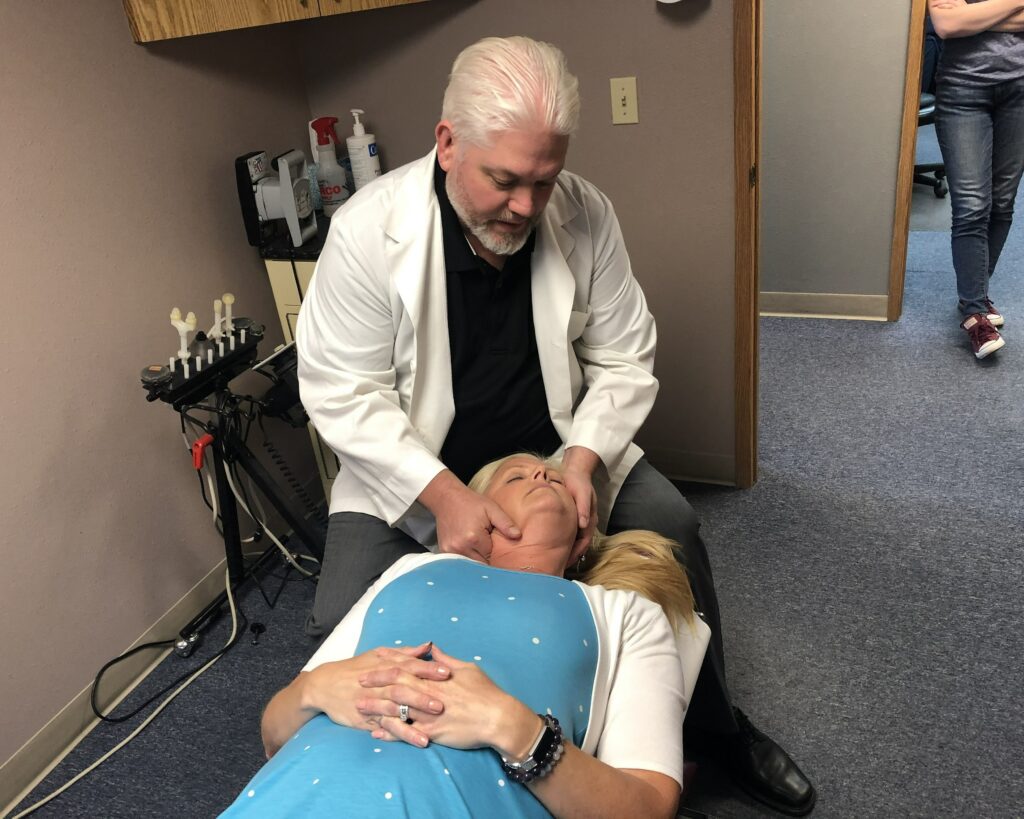

You might think that generic care is sufficient for your needs, but this approach often misses the mark. It overlooks your unique circumstances and can lead to frustration rather than healing. When healthcare providers apply a one-size-fits-all model, they risk ignoring the nuances of your situation, which can leave you feeling misunderstood. The implications of this could be far-reaching, affecting not just your treatment but your overall emotional well-being. So, what happens when your specific needs go unaddressed? The answer may surprise you.
The Pitfalls of One-Size-Fits-All
One of the biggest issues with a one-size-fits-all approach is that it ignores the unique needs of individuals. When you're faced with a generic solution, it often doesn't take into account your specific circumstances, preferences, or challenges. This can lead to frustration and a sense of disconnect, making it harder for you to achieve your goals.
Whether you're looking for medical care, educational resources, or even fitness plans, a tailored approach can make all the difference.
You might find that a one-size-fits-all strategy offers a quick fix, but it rarely provides sustainable results. For instance, a broad health regimen may not address your specific dietary restrictions or fitness level. Instead of empowering you, it can leave you feeling lost and unmotivated.
Additionally, generic solutions often lack the personal touch that fosters trust and engagement. You deserve to feel valued and understood, but when care is delivered in a blanket fashion, you may feel like just another number. This can create a barrier between you and the support you truly need.
In short, the pitfalls of a one-size-fits-all approach can be significant. It's crucial to seek out solutions that consider your individual context.
Impact on Emotional Well-being
In a world saturated with generic care, your emotional well-being often takes a hit. When you rely on cookie-cutter approaches to mental health or personal support, you might feel overlooked and misunderstood. This one-size-fits-all mentality doesn't account for your unique experiences, emotions, and needs. Instead of feeling validated, you may find yourself frustrated, as generic solutions fail to resonate with your personal struggles.
The absence of tailored care can lead to feelings of isolation. You might think, "Why can't anyone understand what I'm going through?" This sense of disconnect can amplify anxiety and depression, making it even harder for you to seek the help you truly need. When you don't feel seen or heard, it chips away at your self-esteem and emotional resilience.
Moreover, generic care often emphasizes symptoms rather than underlying issues. When professionals focus solely on surface problems, they miss the deeper emotional currents that contribute to your distress. You might leave a session feeling as though your concerns weren't fully addressed, leading to a cycle of dissatisfaction with the care you receive.
Ultimately, when your emotional needs aren't met, the impact can be profound. You may experience heightened stress, difficulty in relationships, and a general sense of hopelessness.
Breaking free from generic care is vital for nurturing your emotional well-being, allowing you to embrace a personalized approach that acknowledges and validates your unique journey. Seek out support that resonates with you, and prioritize the care that truly matters.
Consequences in Healthcare Settings
Generic care doesn't just impact your emotional well-being; it also leads to significant consequences in healthcare settings.
When healthcare providers apply a one-size-fits-all approach, you may find yourself facing multiple issues that affect both your health outcomes and overall experience.
Here are three key consequences you should be aware of:
- Misdiagnosis: Generic care often lacks the personalization needed to identify your unique symptoms. This can result in misdiagnoses, leaving you with ineffective treatments and potentially worsening your condition.
- Ineffective Treatment Plans: When healthcare professionals don't consider your individual needs, the treatment plans they devise may not work for you. This disconnect can lead to prolonged suffering and increased frustration as you navigate a system that doesn't seem to understand your specific situation.
- Increased Healthcare Costs: Relying on generic care can result in higher healthcare expenses. Misdiagnoses and ineffective treatments often require additional visits, tests, and medications, leading to spiraling costs that could have been avoided with tailored care.
Customer Service Challenges
Poor customer service is a common challenge in healthcare, often exacerbated by a generic approach to care. When you walk into a clinic or call a hospital, you expect to be treated as an individual, not just another number. Yet, too often, you encounter staff who seem overwhelmed or disengaged. They might rush through interactions, failing to address your concerns or provide the necessary empathy. This can leave you feeling undervalued and frustrated, which is the last thing you need when seeking medical assistance.
Long wait times are another significant issue. You may find yourself sitting in a waiting room, feeling anxious and ignored, all because of systemic inefficiencies. When healthcare providers adopt a one-size-fits-all mindset, they often overlook the unique needs of patients like you. This lack of attention can lead to miscommunication and mistakes, potentially jeopardizing your health.
Additionally, the complexity of healthcare systems can make it challenging for you to navigate services. If you can't get clear answers to your questions, it adds unnecessary stress to an already difficult situation. You deserve timely and accurate information, but with generic care, that often falls by the wayside.
In essence, poor customer service in healthcare not only affects your experience but can also impact your overall health outcomes. You deserve better than a cookie-cutter approach that ignores your individuality. Recognizing these challenges is the first step toward demanding the personalized care you truly need.
The Case for Personalization
Personalized care can transform your healthcare experience from frustrating to fulfilling. When healthcare providers tailor their services to meet your individual needs, it not only enhances your satisfaction but also leads to better health outcomes. By moving away from one-size-fits-all approaches, you gain access to a system that truly understands you and your unique circumstances.
Here are three key benefits of personalized care:
- Targeted Treatment Plans: Instead of generic treatment protocols, personalized care focuses on your specific symptoms, medical history, and lifestyle. This means that the solutions you receive are more effective and relevant.
- Improved Communication: When providers know you as a person, they're more likely to listen to your concerns and preferences. This open dialogue fosters trust, making you feel valued and engaged in your healthcare journey.
- Proactive Preventive Measures: Personalized care allows for tailored preventive strategies based on your risk factors and family history. By addressing potential issues before they arise, you can maintain better overall health.
In a world where generic care often leads to frustration and miscommunication, embracing personalization is essential. It empowers you to take control of your health.
You deserve a healthcare experience that acknowledges your individuality, and personalized care is the key to achieving that. When providers consider your unique needs, you'll find that healthcare becomes not just a necessity, but a fulfilling part of your life.
Conclusion
In a world where your needs are unique, generic care just won't cut it. It overlooks the specifics of your situation, leaving you feeling frustrated and misunderstood. By embracing personalized care, you can address the underlying issues that generic solutions miss, ultimately enhancing your emotional well-being and health outcomes. Don't settle for a one-size-fits-all approach—seek tailored solutions that truly understand and support you. Your journey to better health deserves nothing less.